

Discover Alpine Blooms at 8,200 Feet
From delicate spring blossoms to brilliant summer wildflowers, discover what blooms in the Colorado Rockies, when to see it, and why these remarkable plants deserve protection.
At 8,200 feet in the Colorado Rocky Mountains, a remarkable world of wildflowers awaits. Here, plants face powerful mountain winds, intense sunlight, late-season snow, and a growing season that can seem impossibly short. Yet each spring and summer, alpine landscapes come alive with colorful blossoms, from blue columbines and golden sunflowers to tiny pink primroses nestled among the rocks.
For anyone searching for a Colorado wildflowers guide, Betty Ford Alpine Gardens in Vail offers an extraordinary opportunity to discover these plants up close. As North America’s highest-elevation botanical garden and its only botanical garden dedicated exclusively to alpine plants and their habitats, the Gardens bring together more than 3,000 alpine species from around the world. And admission is free.
Whether you’re planning a summer trip to Vail, photographing Rocky Mountain wildflowers, or simply curious about the plants that survive in high mountain environments, this guide will help you discover what makes Colorado’s alpine flowers so special.
What Makes Alpine Wildflowers Different?
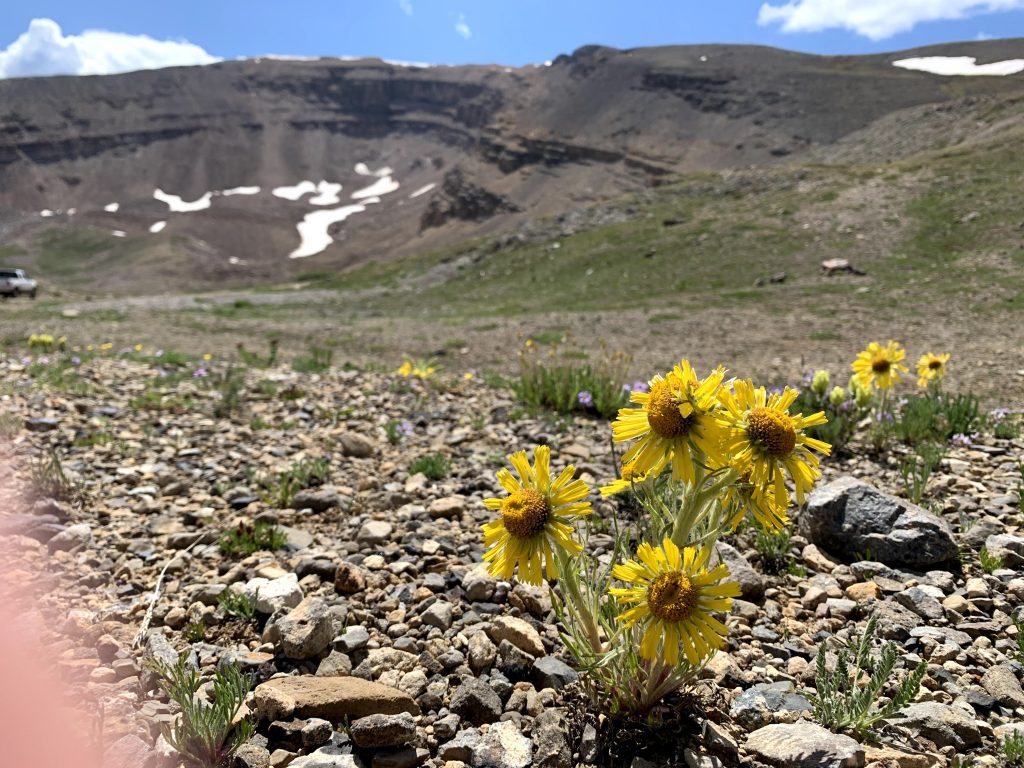
Alpine wildflowers are specially adapted to survive in some of the most demanding growing conditions on Earth. Above the treeline, plants must contend with cold temperatures, strong winds, thin soils, intense sunlight, and brief periods suitable for growth and reproduction. Over time, alpine species have developed fascinating survival strategies.
Growing Low to the Ground
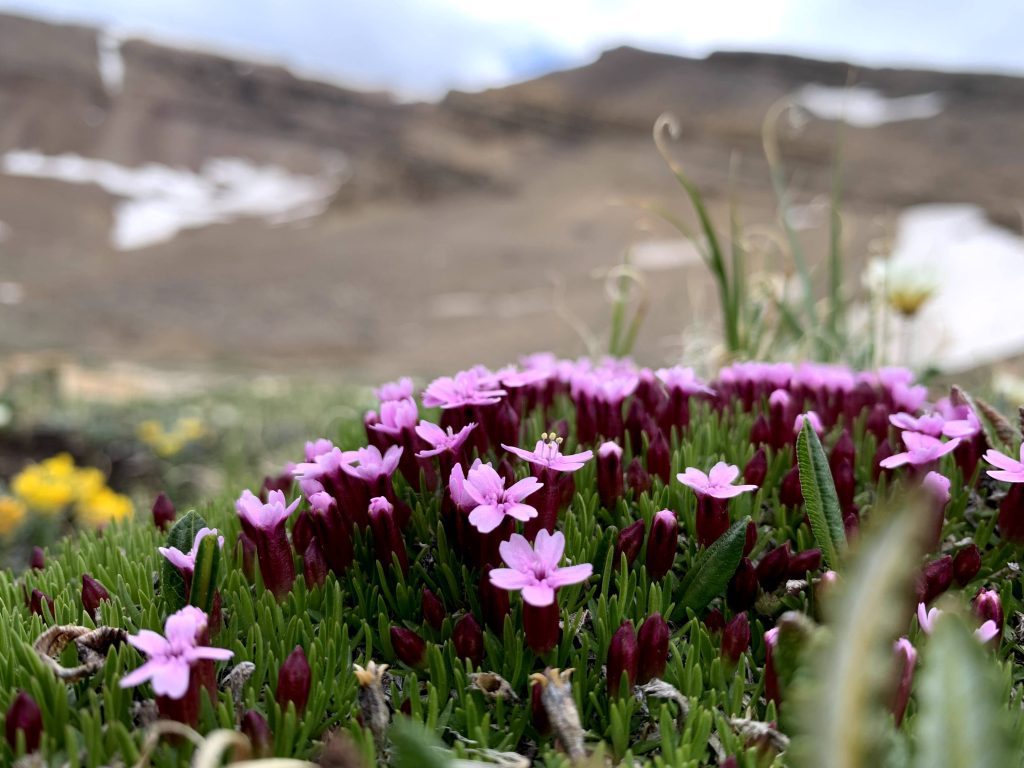
Many alpine plants remain close to the ground, where they experience less wind exposure and can benefit from warmth near the soil surface. Moss campion (Silene acaulis), for example, forms compact cushions that help protect the plant from harsh mountain conditions. These dense green mounds can produce an extraordinary display of tiny pink flowers.
Making the Most of a Short Summer
Unlike plants growing in warmer climates, alpine wildflowers often have limited time to grow, flower, attract pollinators, and produce seeds. Their flowering periods are closely connected to local temperatures, snowmelt, and seasonal conditions.
Brilliant Colors and Specialized Adaptations
Many alpine flowers display striking blues, purples, pinks, and yellows. Flower pigments can play several roles, including attracting pollinators and helping plants cope with environmental stress.
Following the Snowmelt
Snowmelt influences when many alpine species begin growing and flowering. As mountain temperatures change, shifts in snowpack and seasonal timing can affect plant development and interactions with pollinators. Understanding these relationships is an important part of alpine conservation.
When Is Colorado Wildflower Season?
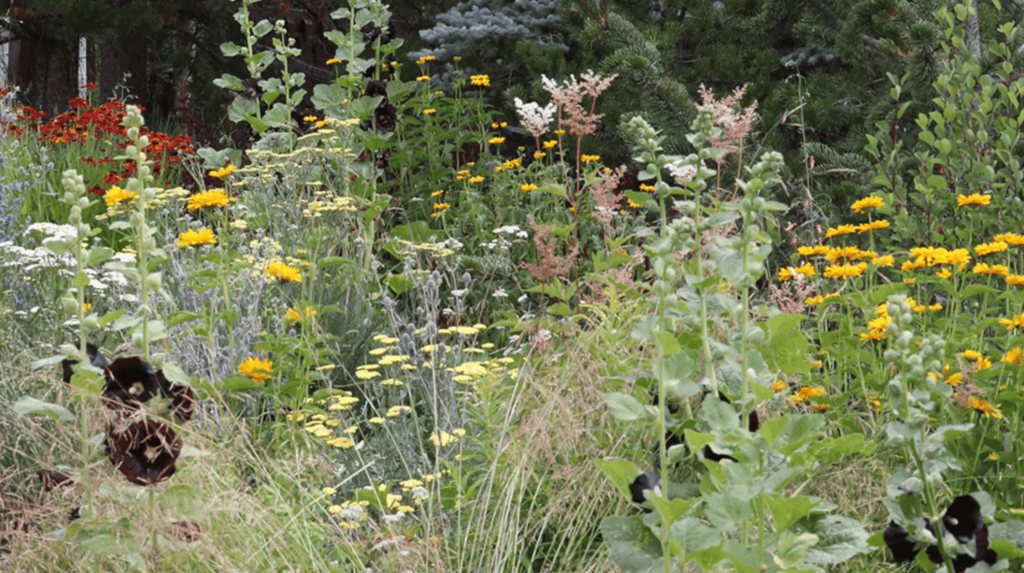
Colorado’s wildflower season changes dramatically with elevation. Lower mountain valleys may begin blooming while higher alpine slopes remain covered in snow. At Betty Ford Alpine Gardens, visitors can experience a succession of flowering plants throughout the growing season.
Early Season: Late May Through Mid-June
Spring wildflowers begin appearing as snow retreats and the ground warms. Look for delicate flowers that take advantage of the first favorable growing conditions.
Peak Season: Late June Through Mid-August
Summer generally offers the greatest variety of flowering plants. July is often an especially rewarding month to visit, although exact bloom times vary with weather and growing conditions.
Late Season: Mid-August Through September
As summer transitions toward autumn, late-flowering plants provide additional color and resources for pollinators. Gentians, goldenrods, and asters are among the groups associated with later-season flowering in Colorado.
Visitor tip: Wildflower timing is never guaranteed. A cool spring, lingering snowpack, or unusually warm weather can change when individual species flower.
Early-Season Colorado Wildflowers to Know
Some of the most memorable wildflowers are among the first to appear after winter.
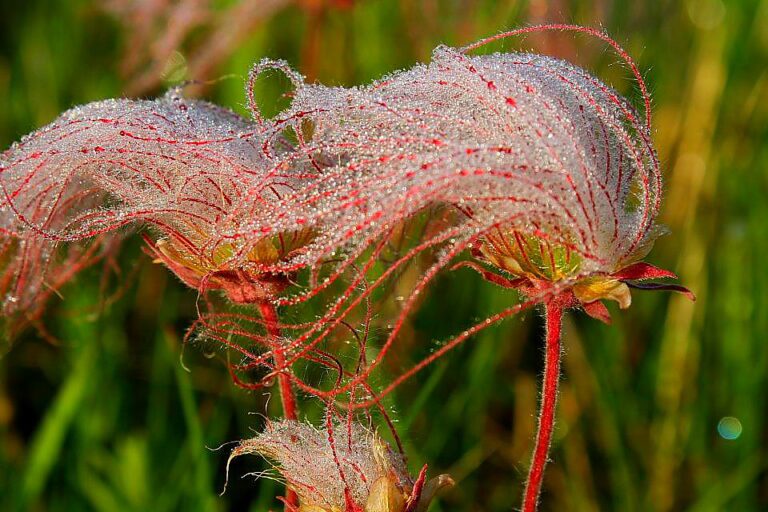
| Pasqueflower (Pulsatilla patens) | Pasqueflowers are celebrated for their early blooms and delicate purple petals. Their silky hairs help protect developing plant tissues from cold conditions. They are a wonderful example of how mountain plants adapt to unpredictable spring weather. |
| Marsh Marigold (Caltha leptosepala) | Often found in wet mountain environments, marsh marigolds produce distinctive white flowers. These moisture-loving plants are closely associated with snowmelt and the arrival of spring in mountain habitats. |
| Spring Beauty (Claytonia lanceolata) | Spring beauty produces delicate white to pale pink flowers. Its appearance signals the return of the growing season in suitable mountain habitats. Together, these early bloomers demonstrate how alpine and subalpine plants take advantage of the brief opportunities provided by spring. |
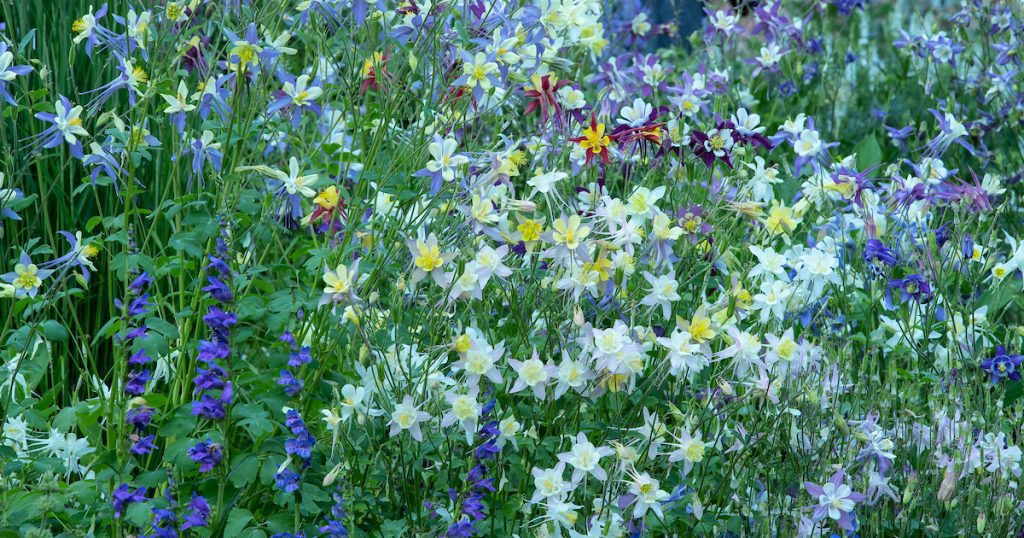
| Colorado Blue Columbine: The State’s Signature Wildflower | Few Colorado wildflowers are as recognizable as the Colorado blue columbine (Aquilegia coerulea). Colorado’s state flower is known for its elegant blue-and-white petals and distinctive spurred shape. Its delicate appearance hides a fascinating relationship with pollinators. The flower’s long spurs contain nectar, and their structure helps influence which pollinators can reach it. Columbines are especially popular among wildflower photographers because of their unusual shape and striking color contrast. They also provide an opportunity to discuss the importance of protecting native plant populations. |
Where to look: Explore suitable perennial plantings and consult current garden signage or staff for flowering specimens.
When to look: Summer is generally the best time to search for Colorado blue columbines, although bloom timing varies.
For visitors discovering Colorado’s native flowers for the first time, the blue columbine is an excellent place to begin.
Seven More Remarkable Mountain Wildflowers
Colorado’s mountains support an extraordinary variety of flowering plants. These species offer a glimpse into the diversity of alpine and mountain habitats.
| Paintbrush (Castilleja species) | Paintbrush is famous for its vivid red, orange, pink, and sometimes yellow displays. Much of that color comes from specialized leaves called bracts rather than the flowers themselves. Many paintbrush species are partially parasitic, obtaining some resources through connections with neighboring plants. |
| Alpine Sunflower (Hymenoxys grandiflora) | Alpine sunflowers bring brilliant yellow color to high mountain environments. Their large flower heads are particularly striking against rocky slopes. This species is associated with high-elevation habitats in the Rocky Mountains. |
| Sky Pilot (Polemonium viscosum) | Sky pilot produces clusters of blue to violet flowers and is adapted to demanding alpine conditions. Its distinctive scent and relationships with mountain pollinators make it especially interesting to botanists. |
| Fairy Primrose (Primula angustifolia) | Fairy primrose is a small alpine plant with delicate pink to purple flowers. Its compact form makes it an excellent example of the specialized plants found in rocky mountain environments. |
| Heartleaf Arnica (Arnica cordifolia) | Heartleaf arnica produces cheerful yellow, daisy-like flowers. It is found in mountain habitats and has a history of traditional topical use. Visitors should enjoy and identify wild plants without collecting or using them medicinally. |
| Rocky Mountain Bee Plant (Cleome serrulata) | Rocky Mountain bee plant is known for its clusters of pink to purple flowers and its value to pollinating insects. Unlike many true alpine specialists, it is associated with lower-elevation and more open habitats. |
| Moss Campion (Silene acaulis) | Moss campion forms dense cushions covered with small pink flowers. Its low-growing shape helps it withstand challenging alpine conditions. |
A note about plant identification: These are examples of Colorado mountain and alpine wildflowers, not a verified inventory of plants currently blooming in the Gardens. Individual species and their locations should be confirmed with the Gardens before publication or visitation.
Late-Summer Wildflowers: Gentians, Goldenrods, and Asters
Wildflower season doesn’t end when July does. Late summer brings its own distinctive colors and plant communities.
| Gentians (Gentiana species) | Gentians are admired for their vivid blue flowers. Some species flower later in the growing season, making them a rewarding discovery as summer winds down. |
| Goldenrods (Solidago species) | Goldenrods produce clusters of small yellow flowers. They are important sources of nectar and pollen for many insects during the later part of the growing season. |
| Asters (Symphyotrichum species) | Asters bring purple, lavender, pink, and sometimes white flowers to late-season landscapes. Their familiar daisy-like shape makes them easy to appreciate, while their ecological role helps support pollinators preparing for seasonal change. These late bloomers are a reminder that mountain ecosystems remain active and interconnected long after the first summer flowers have faded. |
Explore the Garden Sections
Betty Ford Alpine Gardens features four established garden areas, each offering a different opportunity to discover alpine plants and their habitats.
Mountain Perennial Garden: Established 1989
The Mountain Perennial Garden introduces visitors to a diverse collection of flowering plants. Its plantings offer opportunities to appreciate seasonal color, horticultural diversity, and the beauty of mountain-adapted species.
Mountain Meditation Garden: Established 1991
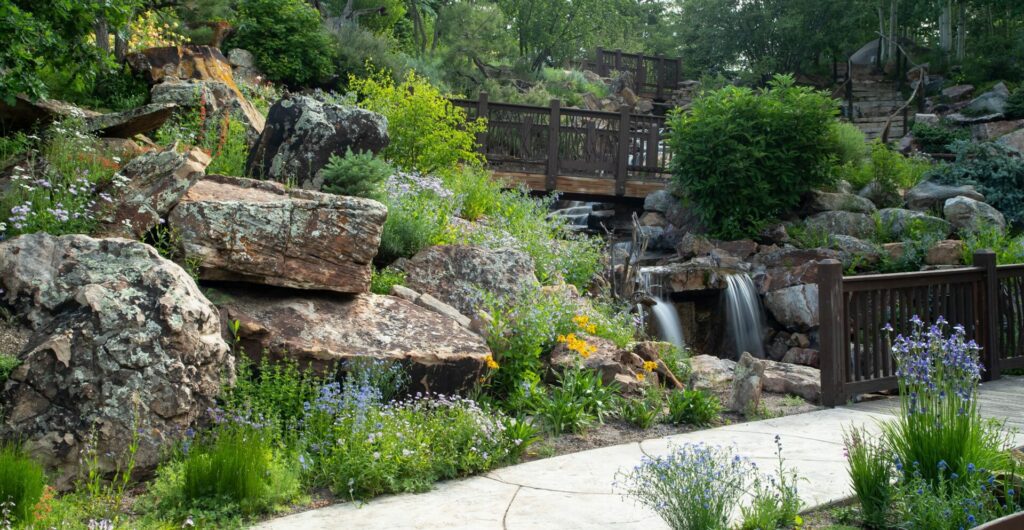
The Mountain Meditation Garden offers a peaceful setting for observing plants and enjoying the natural surroundings. It is an inviting place to slow down, notice seasonal changes, and appreciate the quieter details of a botanical garden.
Alpine Rock Garden: Established 1999
The Alpine Rock Garden highlights plants adapted to rocky, well-drained mountain environments. Compact growth habits, specialized roots, and other survival strategies are especially interesting in this setting. For anyone curious about the science behind alpine plant survival, this is a particularly rewarding area to explore.
Children’s Garden: Established 2002
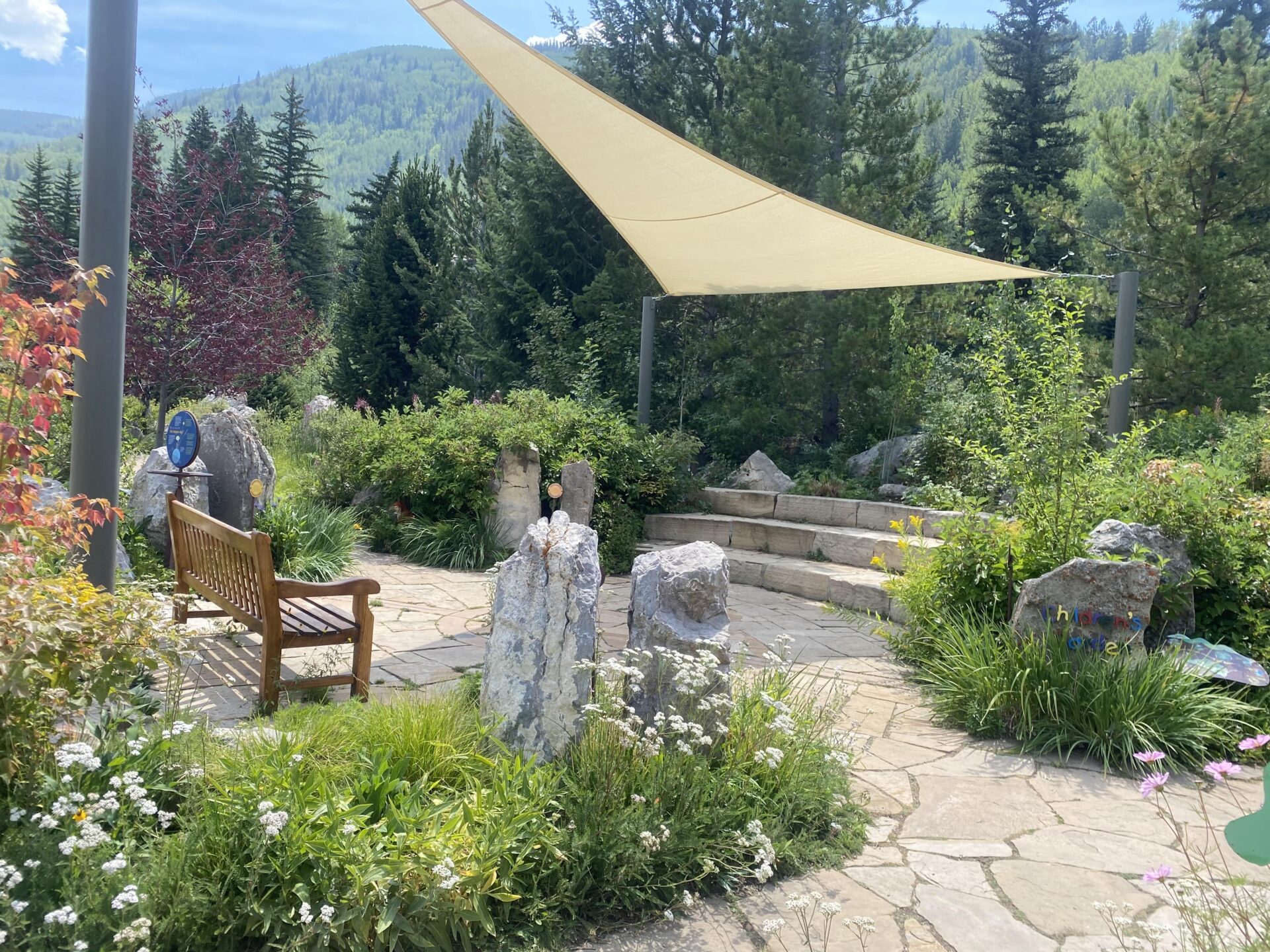
The Children’s Garden helps introduce younger visitors to plants, nature, and environmental discovery. Families can use a visit to practice observing flower shapes, comparing leaves, and noticing the insects that interact with plants. Together, the four areas offer a welcoming way to explore the beauty and complexity of alpine plant life.
New in 2027: The Alpine Meadow
Betty Ford Alpine Gardens is opening a new Alpine Meadow exhibit in 2027, expanding the living collection with an immersive meadow-habitat area that experiments with soil and planting techniques. This isn’t just a landscaping update; it’s a scientific endeavor. To ensure the success of the Alpine Meadow Project, the Gardens is partnering with Michael Guidi, Head of Horticulture Research at the Denver Botanic Gardens (DBG).
Michael has famously led trial meadows at DBG, Chatfield Farms, and numerous research plots. By collaborating with him, we are applying world-class expertise in meadow ecology to our unique high-altitude environment.
Discover the Alpine Meadow and Global Alpine Collections
One of the most exciting aspects of Betty Ford Alpine Gardens is the opportunity to learn about alpine ecosystems beyond Colorado. The Gardens’ 2026 expansion plans include an Alpine Meadow and a global alpine regions exhibit.
These additions extend the Gardens’ educational mission by highlighting the diversity of mountain plant communities. Alpine ecosystems occur on mountain ranges around the world, including the Rocky Mountains, European Alps, Andes, and Himalayas.
Although separated by enormous distances, these environments share challenges such as short growing seasons, cold temperatures, and exposure to severe weather. Comparing alpine plants from different regions helps visitors understand how species have developed distinctive ways of surviving similar conditions. The Gardens’ living collection makes these connections accessible to visitors of different ages and backgrounds.
Visitor note: Confirm the current opening and availability of the 2026 exhibits before planning a visit specifically around them.
How to Plan Your Wildflower Visit to Vail
Visiting Betty Ford Alpine Gardens is an accessible way to experience mountain plant diversity during a trip to Vail.
Location: 522 S. Frontage Rd. E., Vail, Colorado 81657, in Ford Park near the Gerald R. Ford Amphitheater.
Admission: Free. A suggested donation of $20 helps support the Gardens’ mission.
Hours: The outdoor Gardens are open from dawn to dusk throughout the year.
Best season: Late June through mid-August is generally a good period for summer wildflower viewing.
Photography: Morning light often provides excellent conditions for photographing flowers, particularly before the strongest midday sunlight.
Families: The Children’s Garden offers an opportunity to introduce young visitors to plants and nature.
Getting around: Visitors should check current transportation, parking, and accessibility information before arrival.
Tips for a Better Visit
- Allow time to explore the different garden areas rather than rushing through.
- Bring a camera or phone to document interesting flowers.
- Look closely at flower shapes, leaves, and the insects visiting blossoms.
- Stay on designated paths to protect delicate plants.
- Avoid picking flowers or disturbing garden collections.
- Dress for changing mountain weather, even in summer.
For current visitor information, explore the Betty Ford Alpine Gardens website.
Why Protecting Alpine Wildflowers Matters
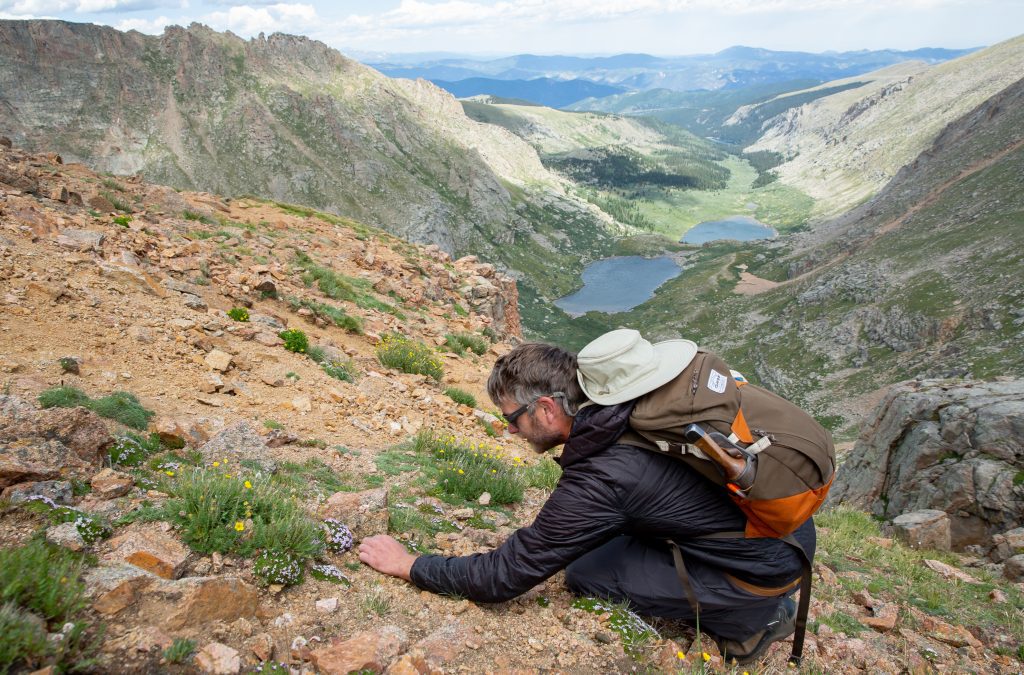
The beauty of alpine wildflowers is only part of their story. These plants are members of fragile ecosystems that provide habitat and resources for insects and other wildlife. Alpine environments are also especially sensitive to changes in temperature, snowpack, and growing-season conditions. As the climate changes, some alpine species may experience shifts in their habitats and flowering patterns.
Protecting these plants requires scientific knowledge, long-term conservation, and public awareness. That is the mission of Betty Ford Alpine Gardens. Founded in 1985, the Gardens work to protect the alpine environment through education, conservation, and living plant collections. Its conservation efforts include seed banking, rare plant preservation, and contributions to the North American Botanic Garden Strategy for Alpine Plant Conservation.
A seed bank helps preserve plant genetic diversity by storing seeds for conservation purposes. Living collections also provide opportunities for education, research, and understanding plants that many people might never encounter in their natural habitats. Every visit offers an opportunity to learn why alpine plants matter and how their future is connected to the health of mountain ecosystems.
Frequently Asked Questions About Colorado Wildflowers
Q: When is the best time to see Colorado wildflowers?
A: The best time depends on elevation and weather. At Betty Ford Alpine Gardens in Vail, late June through mid-August is generally a rewarding period for summer blooms, with July often offering particularly colorful displays.
Q: Where can I see Colorado wildflowers without hiking?
A: Betty Ford Alpine Gardens in Vail offers an accessible botanical garden experience at 8,200 feet, with a living collection of more than 3,000 alpine plant species. Admission is free.
Q: What is Colorado’s state wildflower?
A: The Colorado blue columbine (Aquilegia coerulea) is Colorado’s state flower. It is recognized by its distinctive blue-and-white blossoms and long nectar spurs.
Q: Are alpine wildflowers different from ordinary garden flowers?
A: Yes. Alpine plants are adapted to challenging mountain conditions, including cold temperatures, strong winds, intense sunlight, and short growing seasons. Many grow close to the ground or flower quickly when conditions are favorable.
Q: Is Betty Ford Alpine Gardens free?
A: Yes. Admission to the outdoor Gardens is free, and they are open dawn to dusk, 365 days a year. A suggested donation of $20 supports conservation and educational programs.
Q: Is Betty Ford Alpine Gardens suitable for families?
A: Yes. The Gardens welcome visitors of all ages and include a Children’s Garden that introduces young visitors to plants and nature.
Q: How many alpine plant species are at Betty Ford Alpine Gardens?
A: The Gardens maintain a living collection of more than 3,000 alpine plant species from around the world.
Q: Why are alpine wildflowers important to conservation?
A: Alpine wildflowers contribute to mountain biodiversity, support ecological relationships with pollinators, and help scientists understand how mountain ecosystems respond to environmental change.
Experience Colorado Wildflowers and Help Protect Their Future
There is something unforgettable about discovering a delicate flower thriving among mountain rocks. Its beauty may last only a short time, but the story behind it stretches across generations of adaptation and survival.
At Betty Ford Alpine Gardens, every blossom offers a chance to understand the extraordinary world of alpine plants and why their conservation matters. Whether you’re visiting Vail for the first time or returning to the mountains you love, the Gardens invite you to experience that wonder firsthand.
Visit Betty Ford Alpine Gardens in Vail, Colorado. Admission is free, and the outdoor Gardens are open every day of the year.
Your visit, membership, or donation helps support the education, conservation, and living plant collections that protect alpine environments for future generations.