Our staff and experts have developed these guides to help visitors, students, and lovers of the alpine enhance their understanding of the plants, animals, pollinators and insects that inhabit high altitude spaces. If visiting the Gardens, more information can be found in our Education Center and Library.
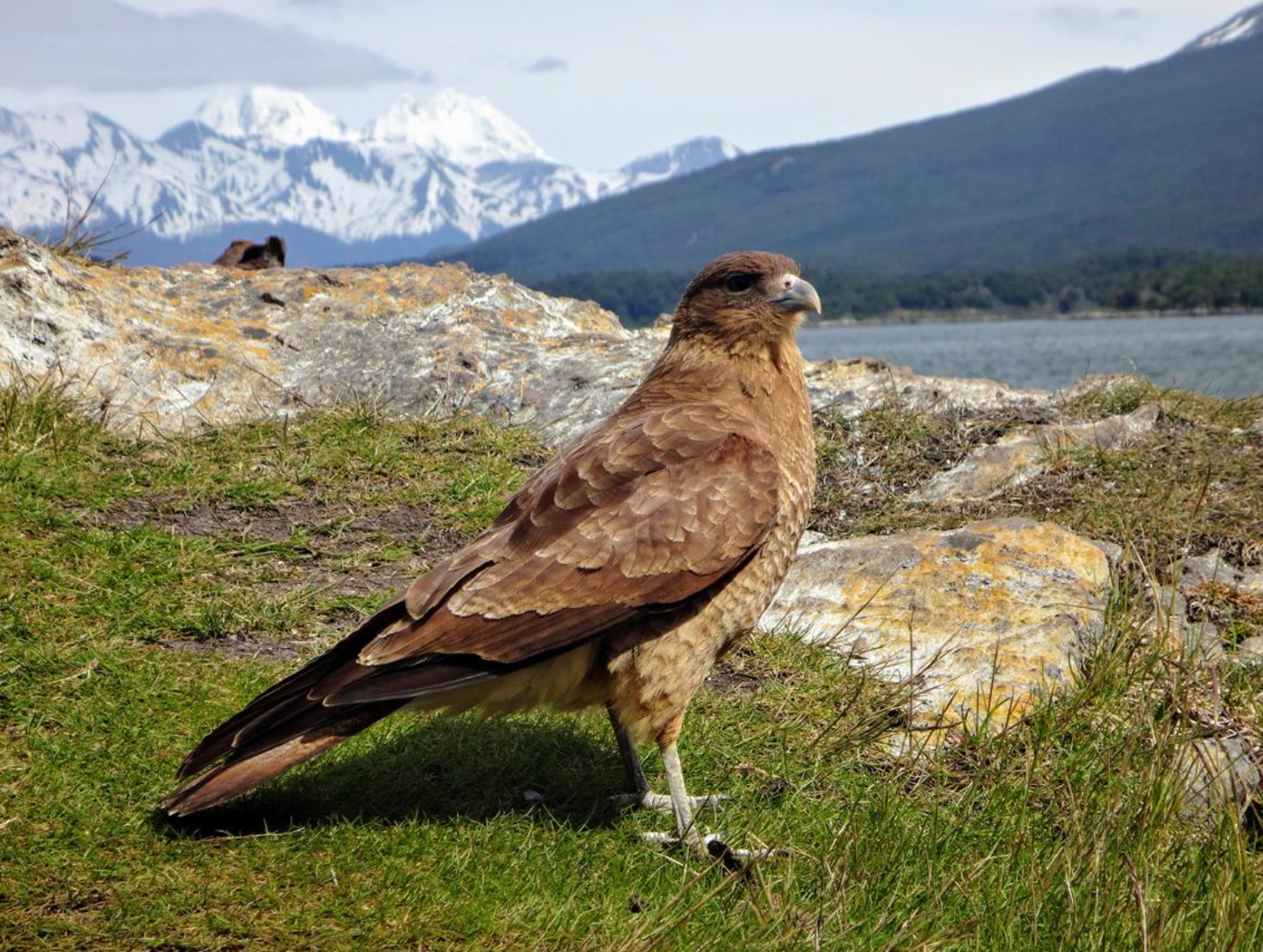
Alpine Bird Identification Guide
Our beginner-friendly field guide to birds of Colorado’s mountains & alpine ecosystems was written for visitors to Betty Ford Alpine Gardens.
This guide features 15 birds native to or regularly occurring in the Rocky Mountain region, with special attention to high-elevation habitats near Vail, Colorado.
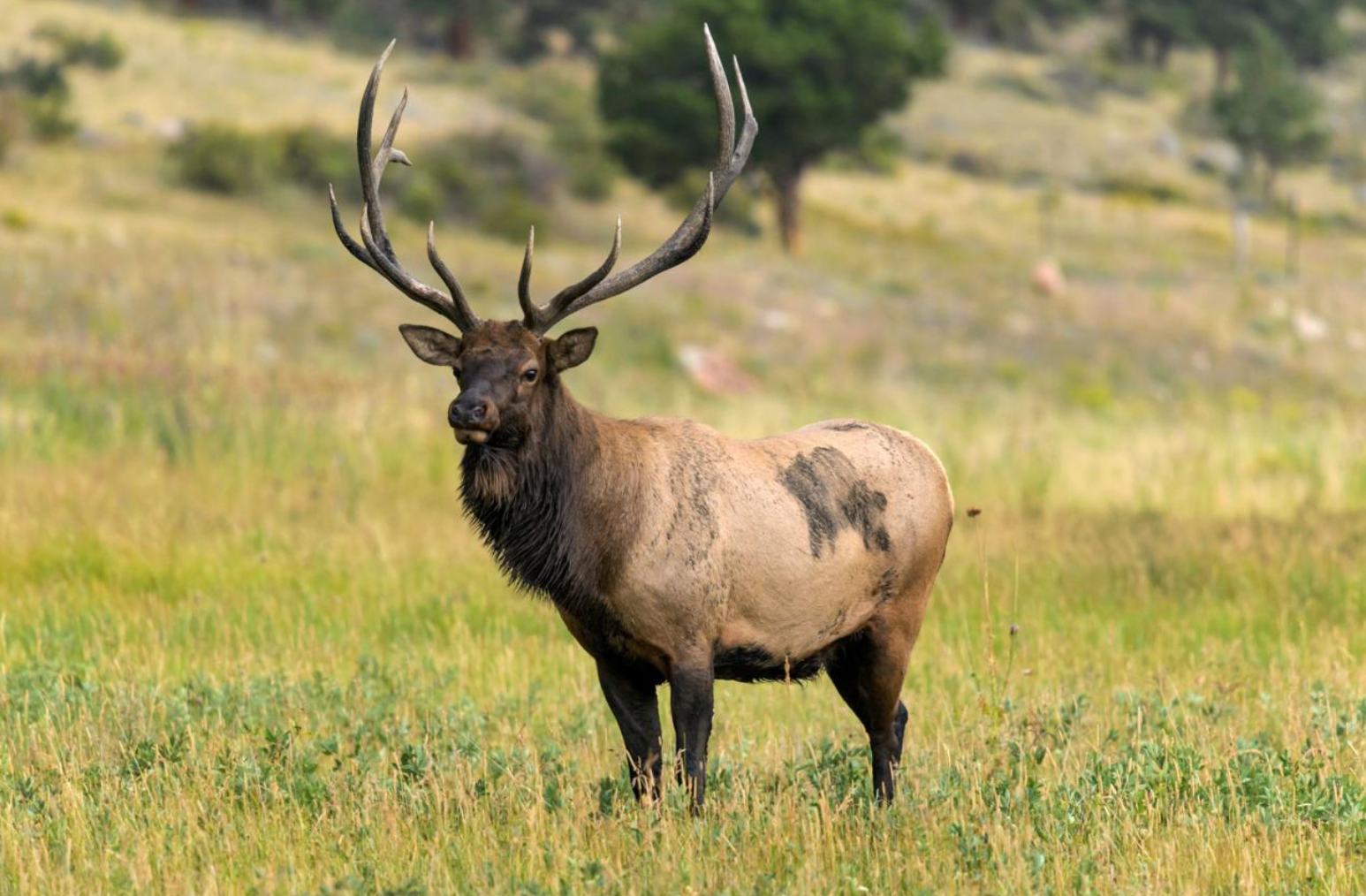
This beginner-friendly field guide to Mammals of Colorado’s mountains and alpine ecosystems is written for visitors to Betty Ford Alpine Gardens.
This introductory guide focuses on 10 mammals native to the Rocky Mountain region, emphasizing alpine and subalpine habitats. Each entry includes a photo reference, identifying features, and clues for recognizing tracks.
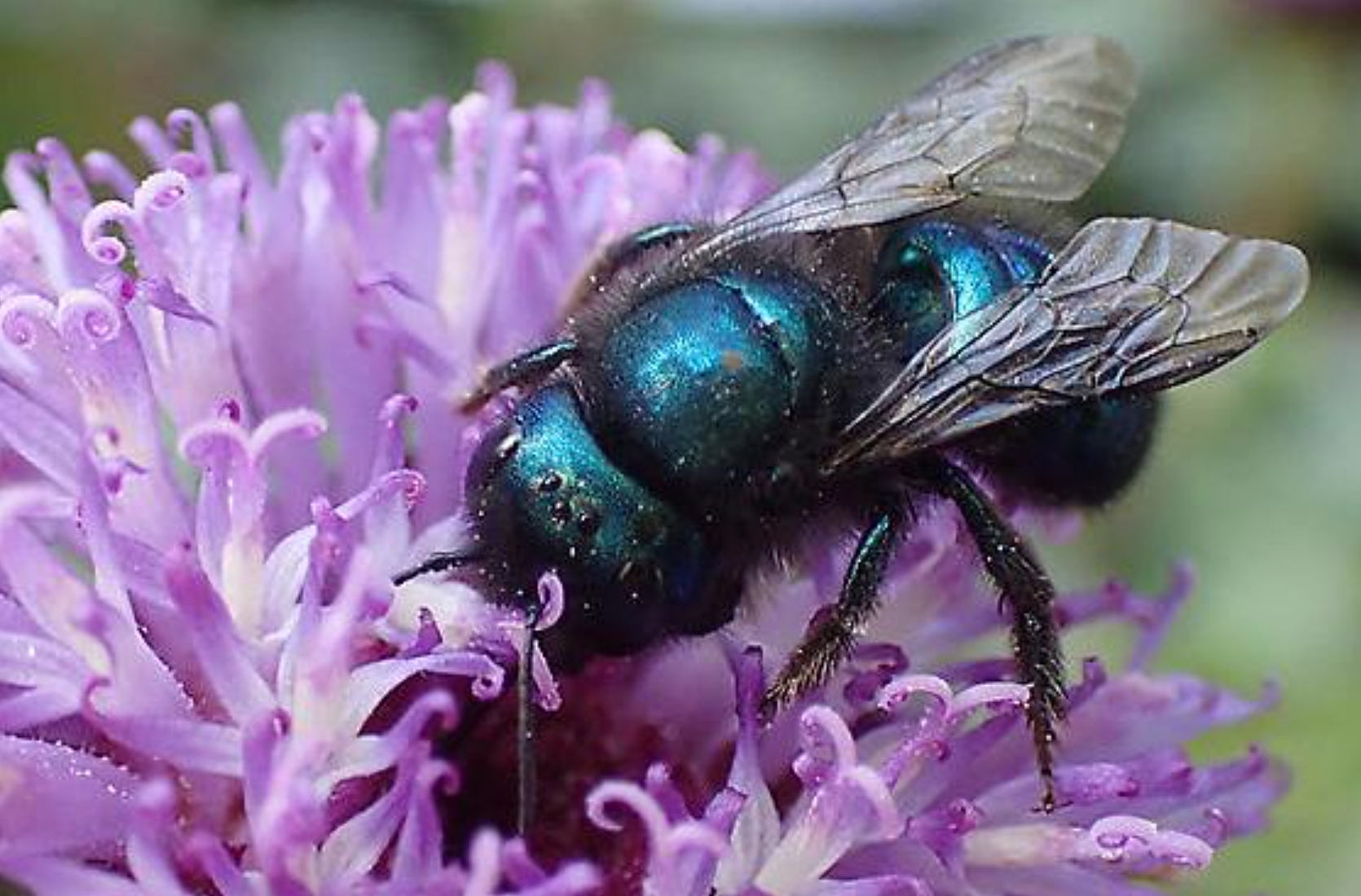
A simple field guide to pollinating bees, insects and birds of the Rocky Mountains. High in the Rocky Mountains, even the smallest beings play an important role in keeping alpine ecosystems alive.
This beginner-friendly guide highlights 1e groups of pollinating insects and birds found in the Rocky Mountain region, with special attention to subalpine and alpine habitats.
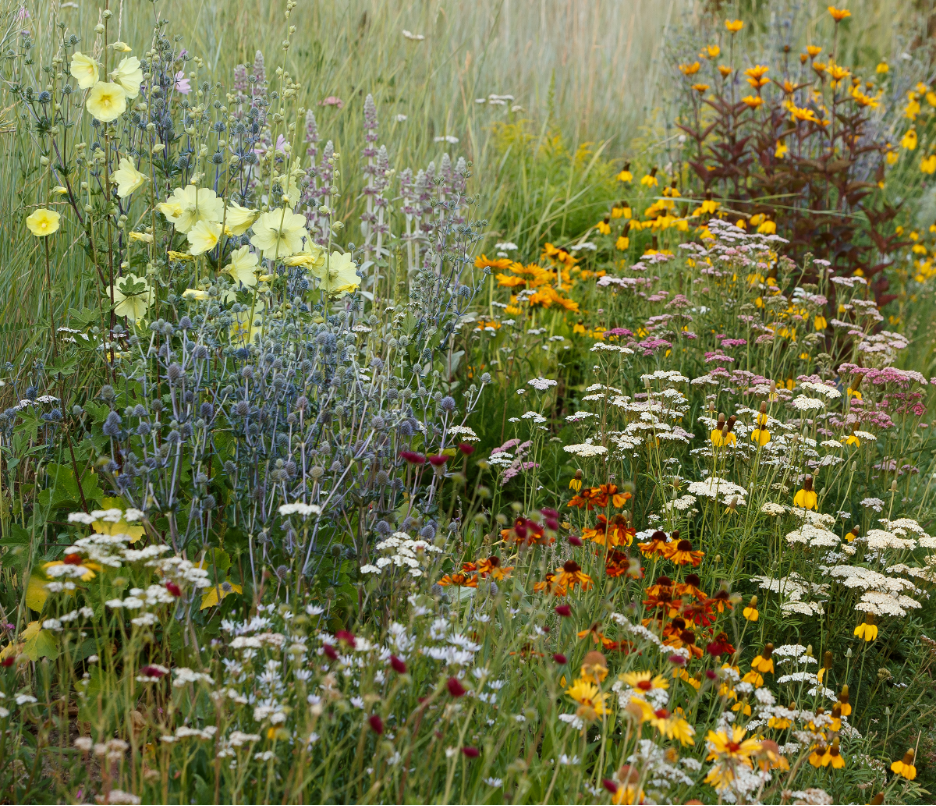
There is nothing more rewarding than watching pollinators such as hummingbirds, butterflies and moths going about their important work in your own garden. View our list of all-season plants so you can provide continual resources for pollinators.
Become a member, or make a donation, to help ensure that our unique botanical garden, the only one dedicated to preserving the plants, animals and pollinators of the high alpine, can continue its critical work around the globe.
 Betty Ford Alpine Gardens