

A closer look at the natural world begins with curiosity.
Have you ever stopped to admire a wildflower and wondered what it was? Watched a butterfly visit a blossom and thought about the important role it plays? Or heard a bird calling and wished you could identify it?
The alpine environment is full of fascinating discoveries. Sometimes, all it takes is a little guidance to see the natural world in a completely new way. At Betty Ford Alpine Gardens in Vail, Colorado, we believe that understanding our alpine environment and the natural world around us is an important first step toward protecting it.
Here bring together a collection of educational guides designed to help visitors, families, gardeners, students, and nature enthusiasts learn more about alpine plants, birds, and pollinators. Whether you’re exploring the Rocky Mountains, spending time in your own garden, or simply curious about the natural world, these resources offer opportunities to deepen your connection with nature.
Explore Our Alpine Nature Guides
Our information guides focus on four subjects that invite closer observation and greater appreciation of the living world.
Pollinator Plant List
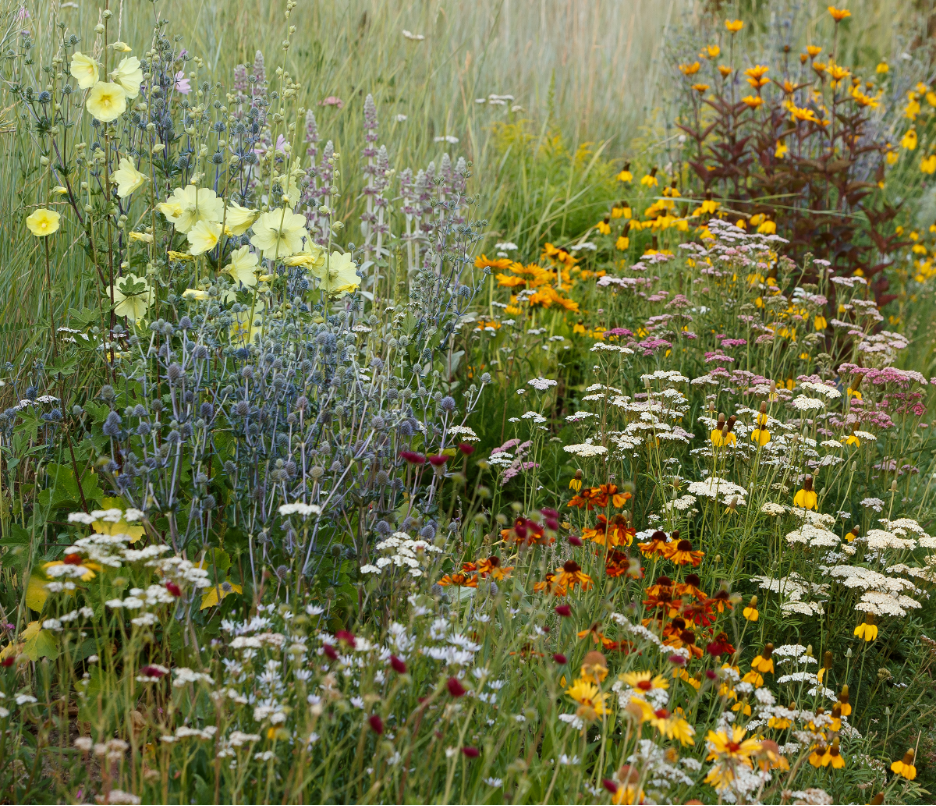
A garden can be more than a beautiful collection of flowers. It can also provide valuable habitat for pollinators. Hummingbirds, butterflies, moths, and other pollinating animals play important roles in the natural world. The plants we choose for our gardens can help support their needs.
Our Pollinator Plant List highlights recommended plants generally suited to our mountain environment. It’s a useful starting point for gardeners interested in creating beautiful spaces that also welcome pollinators. Explore the Pollinator Plant List to learn more about plants that can help support these remarkable creatures.
Alpine Bird Identification Guide: Get to Know Our Feathered Neighbors
The mountains are filled with sounds and movement that often go unnoticed. A bird calling from a nearby tree. A flash of wings above a meadow. A familiar visitor returning to the same place. Learning to recognize birds adds another dimension to the experience of being outdoors.
Our Alpine Bird Identification Guide invites nature enthusiasts to become more observant and curious about the birds associated with alpine environments. Whether you’re a beginning birdwatcher or simply enjoy spending time outside, discovering more about mountain birds can make your next outdoor adventure even more rewarding. Explore the Alpine Bird Identification Guide and take a closer look at the birdlife of the mountains.
Alpine Plant Identification Guide: Discover the Remarkable World of Mountain Plants

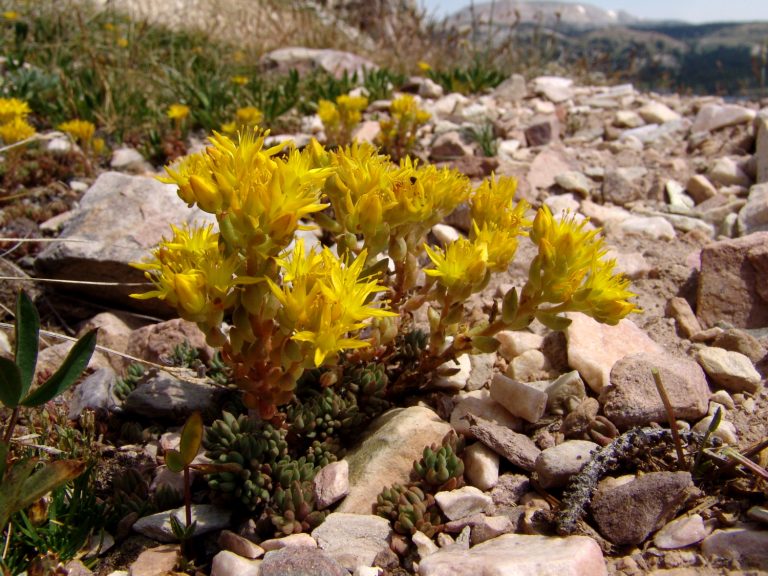
Alpine plants are extraordinary examples of nature’s ability to adapt. Growing in environments shaped by cold temperatures, strong winds, and short growing seasons, these plants have developed remarkable ways to survive. Yet their beauty is often found in the smallest details.
Our Alpine Plant Identification Guide encourages closer observation of these fascinating plants and the environments they inhabit. As you learn to recognize alpine plants, you may also begin to appreciate the delicate relationships that make mountain ecosystems so special. Explore the Alpine Plant Identification Guide and discover more about the plants that define alpine landscapes.
Pollinator Identification Guide: Meet Nature’s Essential Partners
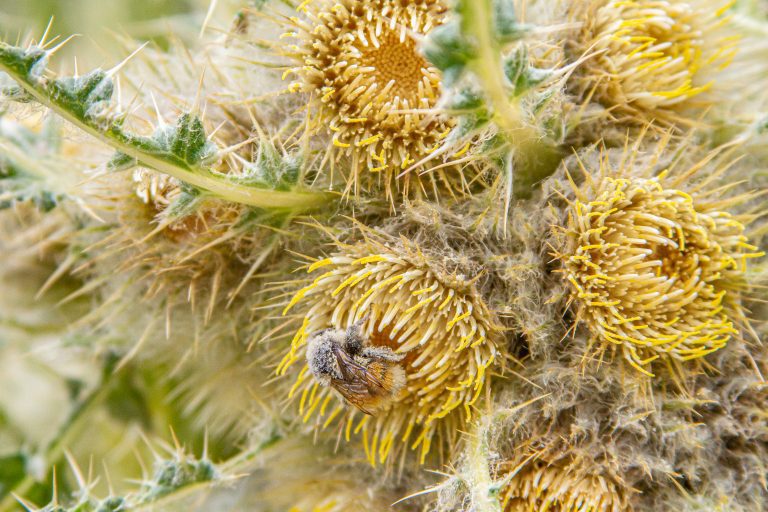
A flower attracts attention with its color and beauty. But take a moment to watch what happens around it. You might notice a butterfly moving between blossoms, a moth visiting flowers, or a hummingbird feeding nearby. These interactions are part of a much larger ecological story.
Our Pollinator Identification Guide encourages readers to become more familiar with the animals that contribute to pollination and the health of plant communities. Understanding pollinators helps us recognize that even small creatures can play important roles in the ecosystems around us. Explore the Pollinator Identification Guide and learn more about the wildlife that helps connect plants and their environment.
Why Is Learning About Alpine Ecosystems Important?
Alpine ecosystems are among the most distinctive natural environments on Earth. Plants and wildlife living at high elevations face challenging conditions. Their survival depends on relationships among species, climate, habitat, and seasonal changes. These ecosystems are also vulnerable to environmental pressures, including climate change. Understanding what lives in alpine environments helps us appreciate both their beauty and their fragility.
Learning to identify a plant, recognize a bird, or understand the role of a pollinator may seem like a small step. But these discoveries can inspire greater awareness and more thoughtful environmental stewardship. At Betty Ford Alpine Gardens, education is central to our mission: to protect the alpine environment through education, conservation, and living plant collections.
Continue Your Discovery at Betty Ford Alpine Gardens
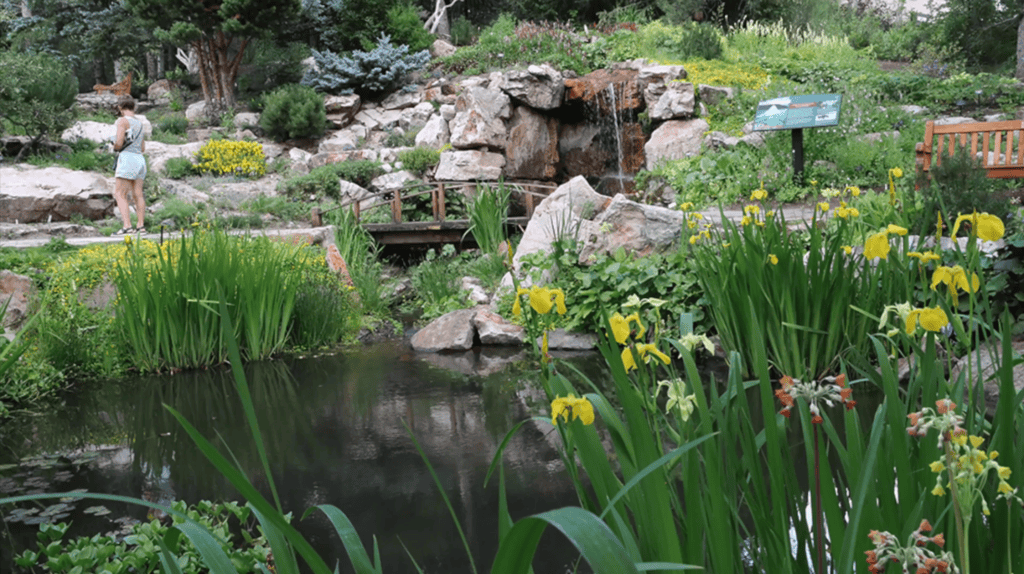
Located at 8,200 feet in Vail, Colorado, Betty Ford Alpine Gardens is the highest-elevation botanical garden in North America. Our living collections include more than 3,000 alpine plant species from around the world, offering visitors an opportunity to experience the remarkable diversity of mountain plants. The Gardens is free to visit and open year-round, from dawn to dusk.
Our educational guides complement this experience by encouraging curiosity about the natural world, both within the Gardens and beyond. You don’t need to be a botanist, scientist, or experienced naturalist to begin exploring. All you need is curiosity.
Explore the Guides and Keep Learning
Every plant has a story. Every bird and pollinator has a place in the natural world. And every new discovery gives us another reason to care about the environments we share. We invite you to explore our educational resources, learn something new, and together we can inspire the next generation of environmental stewards