Creating Real Impact.
Protecting high altitude spaces for future generations.
From research and conservation to education and community programs-your generosity helps protect alpine plants and the planet.
Protecting alpine environments begins with understanding the challenges they face and the steps we can take to preserve them. Explore conservation resources from Betty Ford Alpine Gardens to learn more about alpine ecosystems, plant conservation, and the importance of protecting these fragile mountain habitats. Whether you’re a student, educator, researcher, or nature enthusiast, discover information and inspiration to help make a difference.


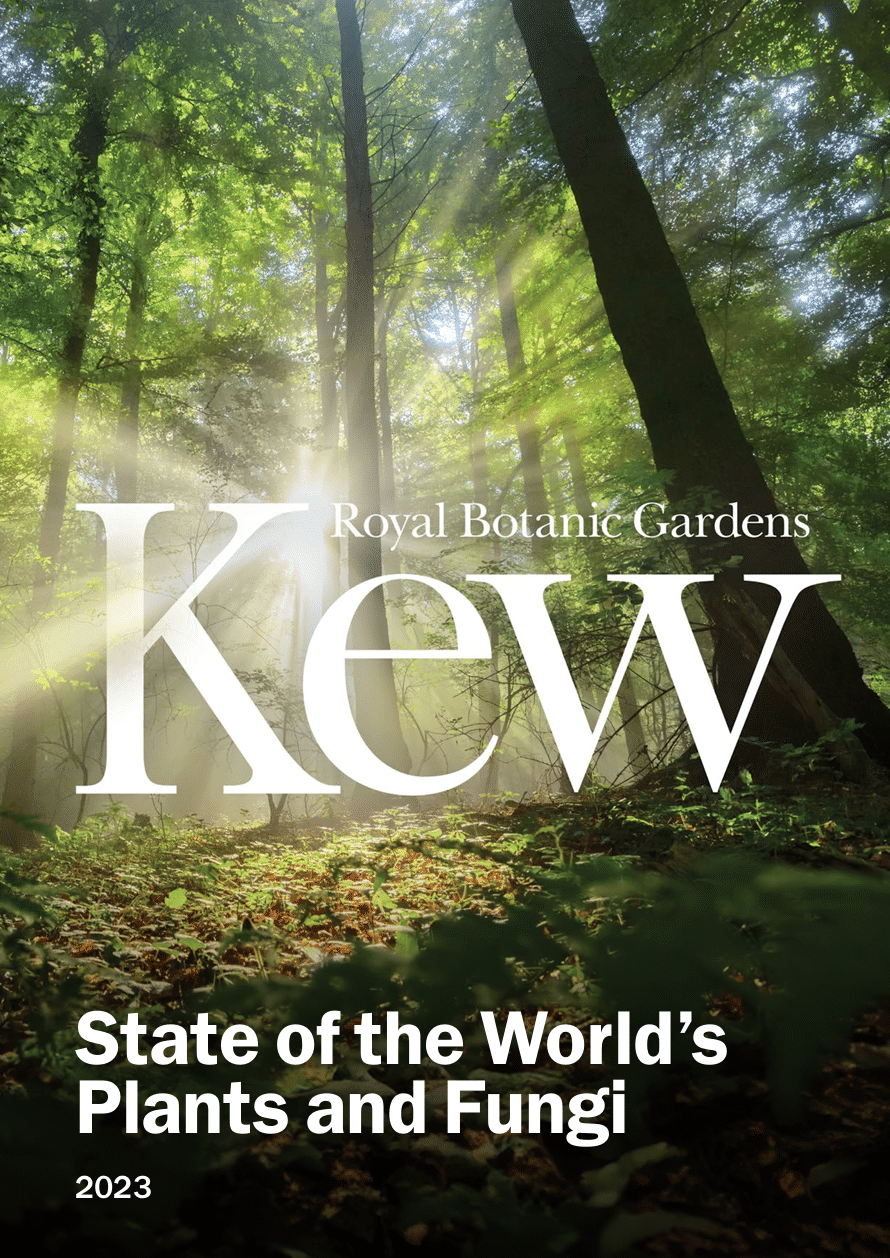
Despite best efforts, there are still huge gaps in our knowledge of global plant and fungal diversity and distribution. Understanding what taxa live where is critical to conservation and preserving biodiversity. The 2023 State of the World’s Plants and Fungi, from the Royal Botanic Gardens, Kew, focuses on the latest knowledge on the diversity and geographical distribution of plants and fungi by drawing from two major advances: the World Checklist of Vascular Plants, and new information on fungal diversity from environmental DNA and fungarium specimens. This report is based on the research of many scientists across the world.


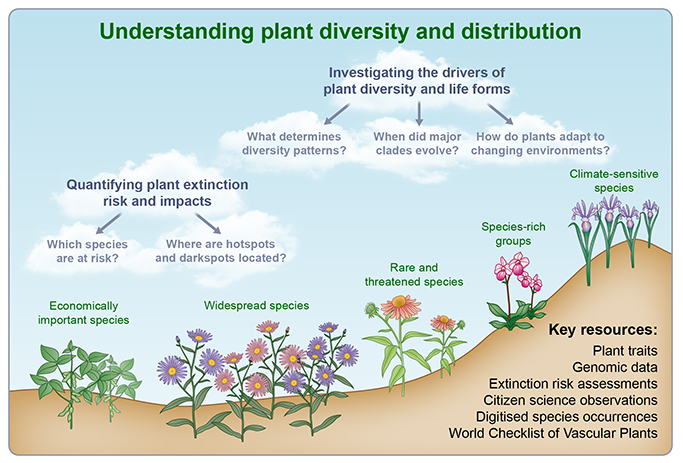
The New Phytologist Foundation brings together a joint special collection of open-access articles across New Phytologist and Plants, People, Planet. Global Plant Diversity and Distribution seeks to explore the patterns and processes of plant diversity and distribution at global and regional levels, highlight current risks to plant diversity, and inform future agendas for research and conservation.


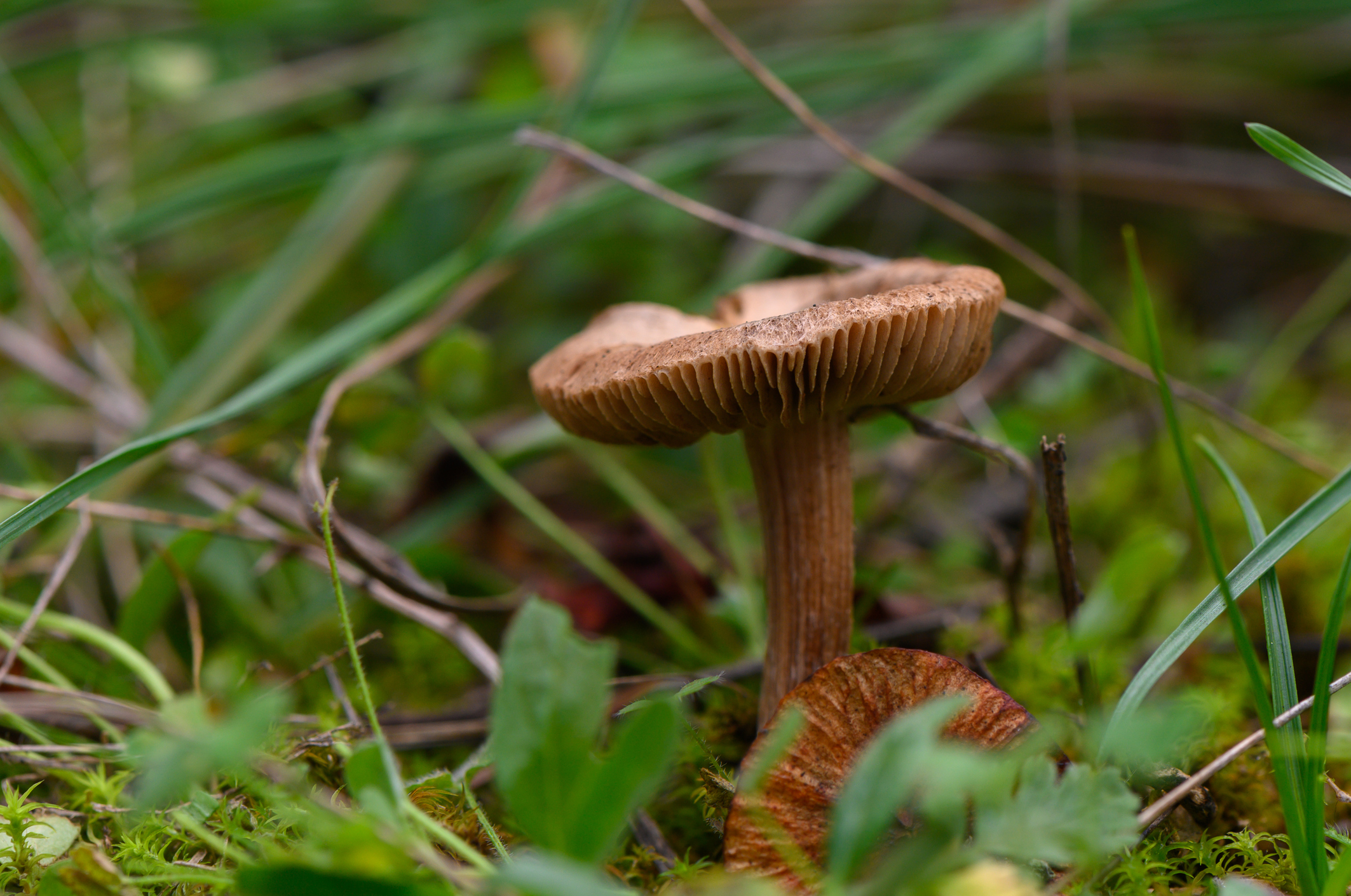
Annual Review of Environment and Resources aims to synthesize current knowledge on global fungal diversity. Pushing the Frontiers of Biodiversity Research: Unveiling the Global Diversity, Distribution, and Conservation of Fungi is an updated global review and map of fungal richness, highlighting tropical and temperate ecoregions of high diversity.


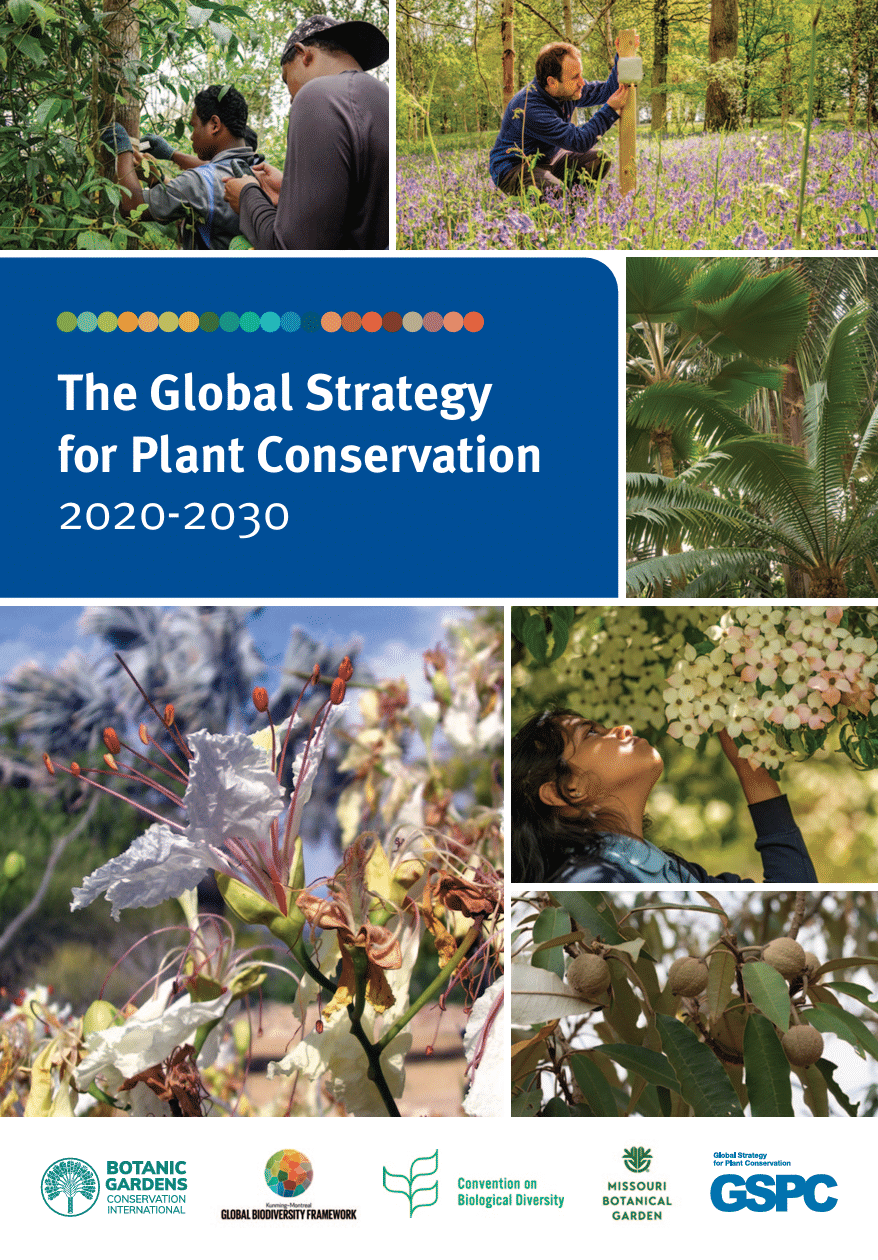
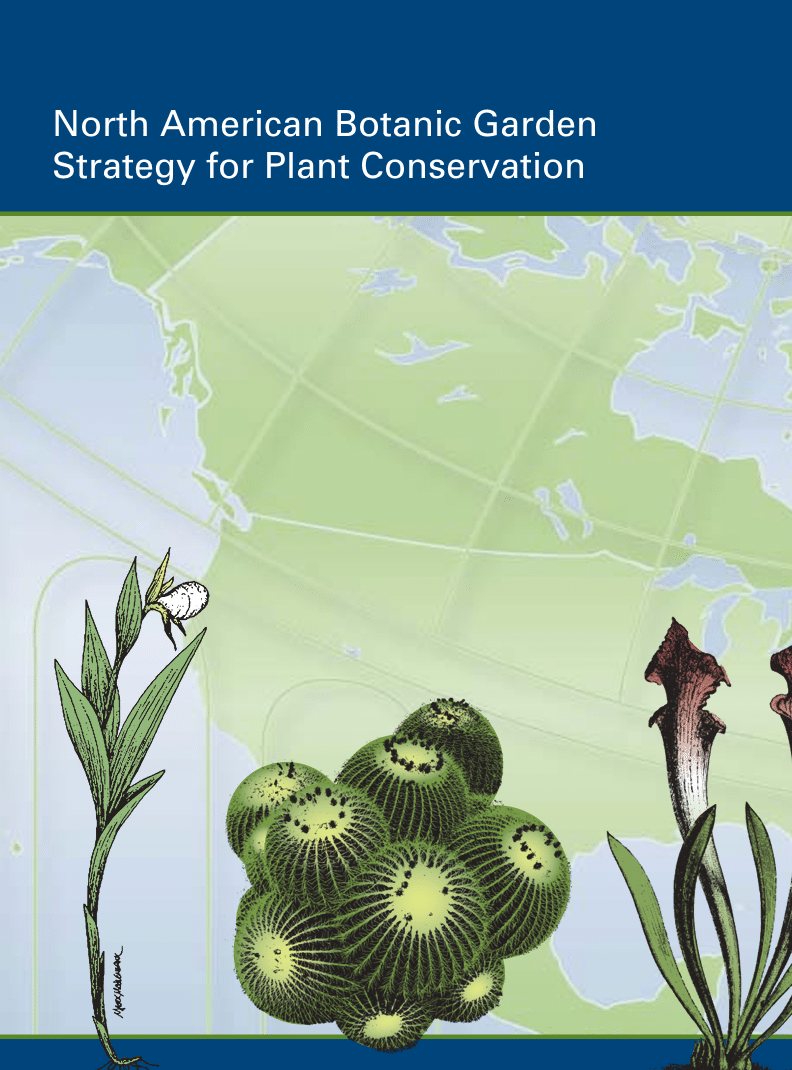
The Global Strategy for Plant Conservation – a Plan to Save the World’s Plant Species – grew out of the Convention on Biological Diversity and is influencing government policy around the world. The GSPC highlights the importance of plants and the ecosystem services they provide for all life on Earth, and aims to ensure their conservation. The GSPC, was first adopted by the Conference of the Parties to the Convention on Biological Diversity in 2002. The GSPC targets were renewed and updated in 2025.


The North American Alpine Plant Conservation Atlas organizes information on taxonomy, ecology, and conservation for alpine plant taxa found in North America.
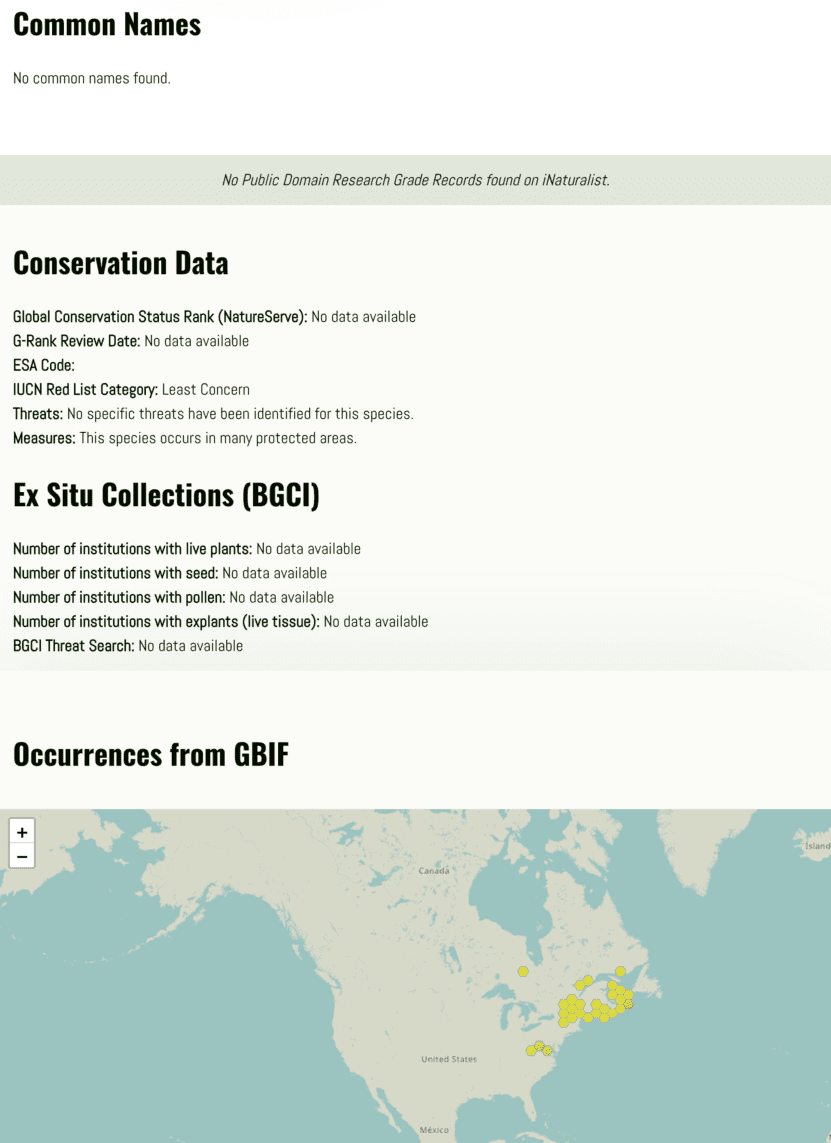
Protection of our alpine plant species requires an understanding what species currently exist in alpine areas, how species’ ranges may be shifting, what species can be found in conservation collections in case seeds or plant material are needed for restoration, and what species have yet to be conserved in ex-situ collections. Discover all this and more through this site.


The Plant Collectionss Network (PCN) of the American Public Gardens Association is a network of botanical gardens and arboreta working to coordinate a continent-wide approach to plant germplasm preservation, and to promote high standards of plant collections management.
Betty Ford Alpine Gardens holds the PCN Collection of Colorado’s Alpine Flora. As part of this program, Betty Ford Alpine Gardens works to develop this special collection of plants through seed collections, propagation, cultivation and plant sharing.


SAVING RARE PLANTS FOR FUTURE GENERATIONS
From research and conservation to education and community programs-your generosity helps protect alpine plants and the planet.


Rare alpine plant
species in living collections


Highest botanic garden in the world


Regional and global conservation initiatives in progress


Annual visitors