

Tiny Wings, Big Impact at Betty Ford Alpine Gardens
Welcome to Betty Ford Alpine Gardens! At 8,200 feet above sea level, these gardens are home to remarkable alpine plants and the hardworking pollinators that help them thrive.
From native bees to delicate butterflies and tiny flower flies, pollinators play an essential role in keeping our mountain ecosystems healthy. Take a closer look as you explore the gardens. You might be surprised by the tiny wonders you discover!
Meet the Alpine Pollinators
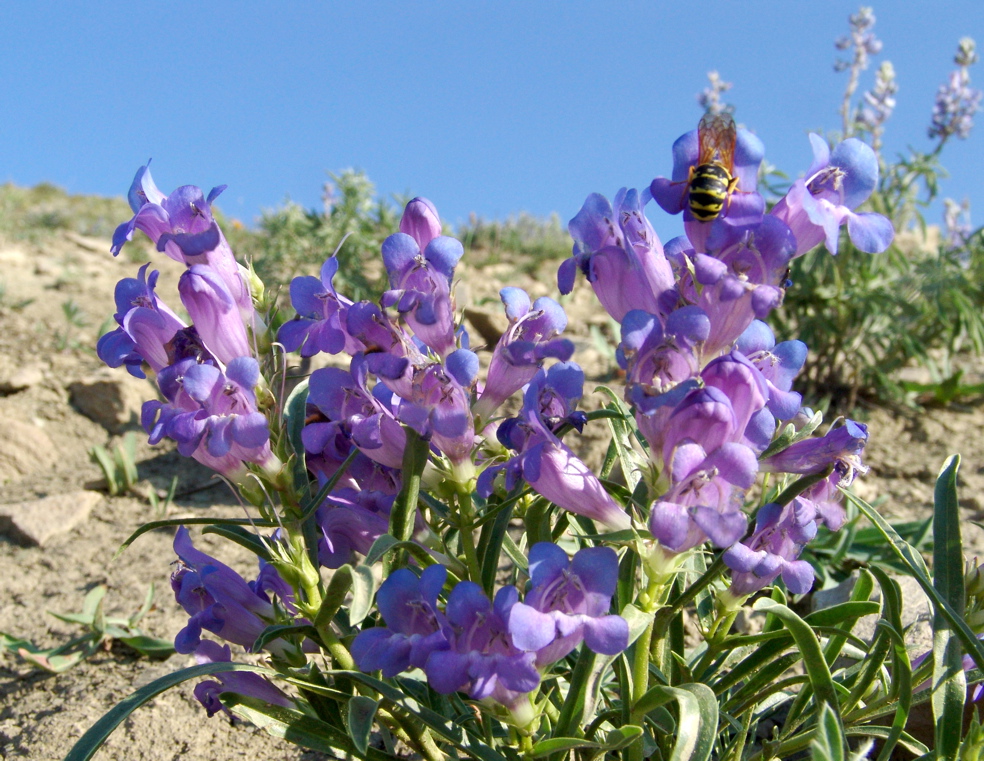
Bumblebees: The Fuzzy Flyers
LOOK FOR: Round, fuzzy bodies with black and yellow markings
Bumblebees are especially well adapted to cool mountain temperatures. Their fuzzy bodies help them stay warm while collecting pollen and nectar.
Where to spot them: Look around penstemon, lupine, and other colorful flowers on sunny days.
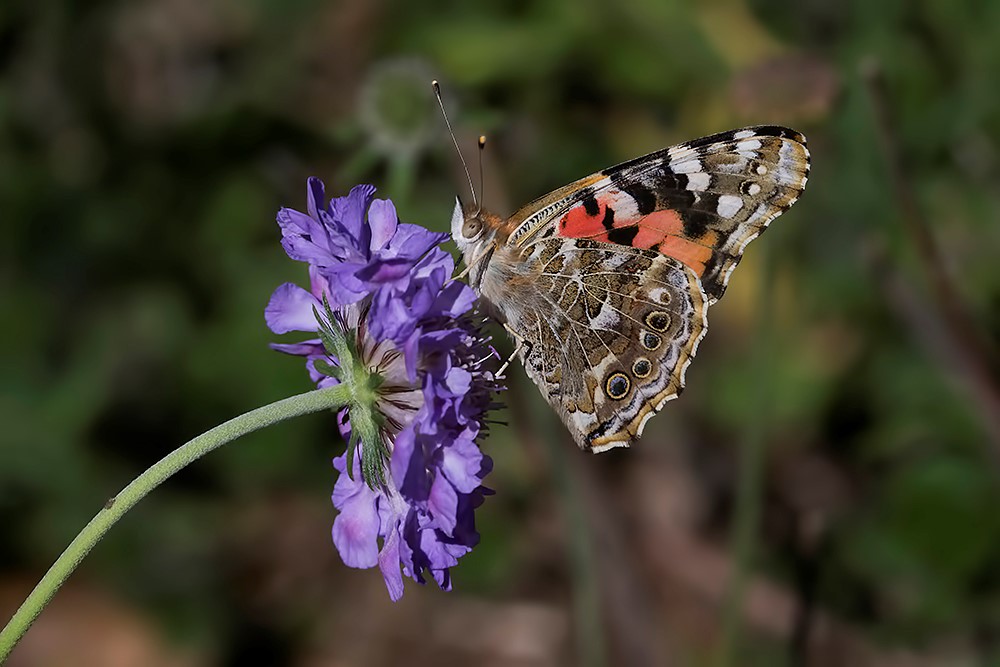
Butterflies: The Colorful Visitors
LOOK FOR: Brightly colored wings and graceful, fluttering flight
Butterflies use their long, straw-like proboscis to sip nectar from flowers. Watch for fritillaries, blues, and other mountain butterflies.
Where to spot them: Sunny flower beds, open garden areas, and sheltered spots away from strong winds.
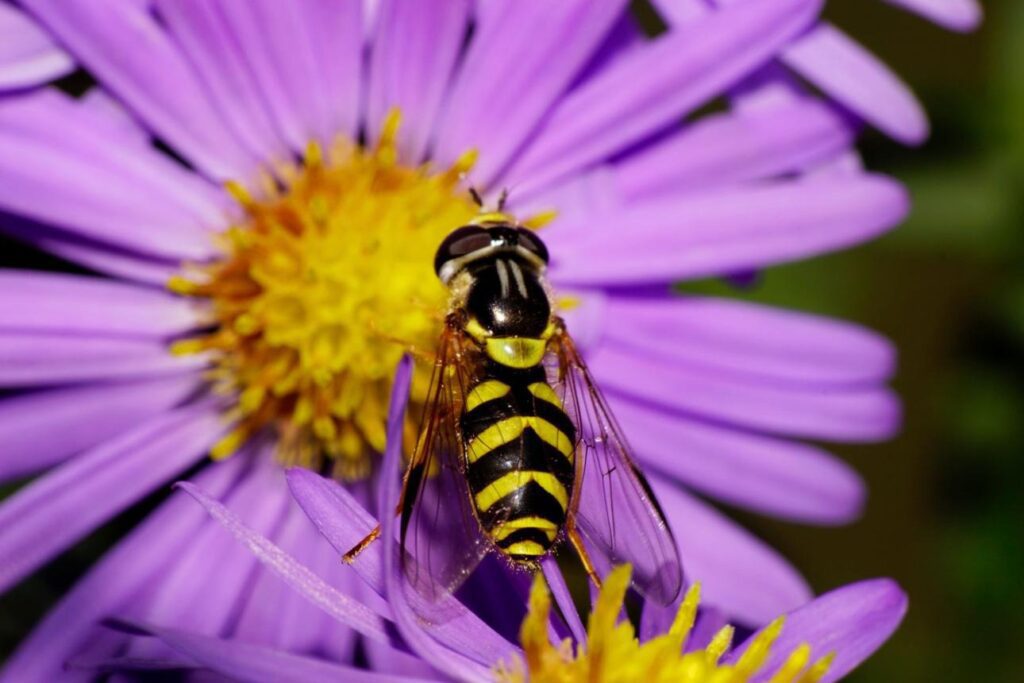
Hoverflies: The Masters of Disguise
LOOK FOR: Small, striped insects that resemble bees but hover in midair
These harmless flies are important pollinators. Many look like tiny bees or wasps, but have just one pair of wings.
Where to spot them: Daisy-like flowers and clusters of small, open blossoms.
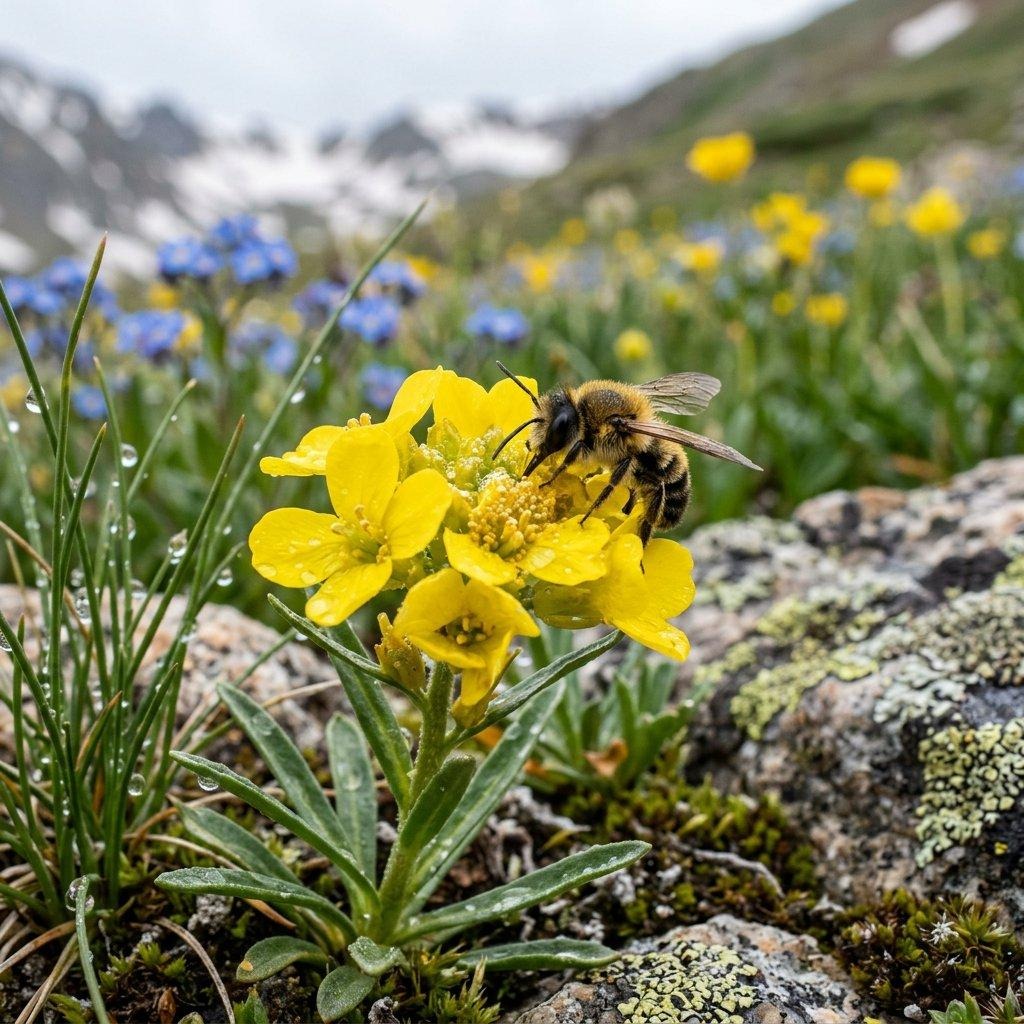
Solitary Bees: The Unsung Heroes
LOOK FOR: Small bees, sometimes metallic or dark-colored, moving quickly between blossoms
Unlike honeybees, most native bee species live alone rather than in large colonies. Many nest in the ground or hollow plant stems.
Where to spot them: Low-growing alpine flowers, rock garden plantings, and sunny patches of bare soil.
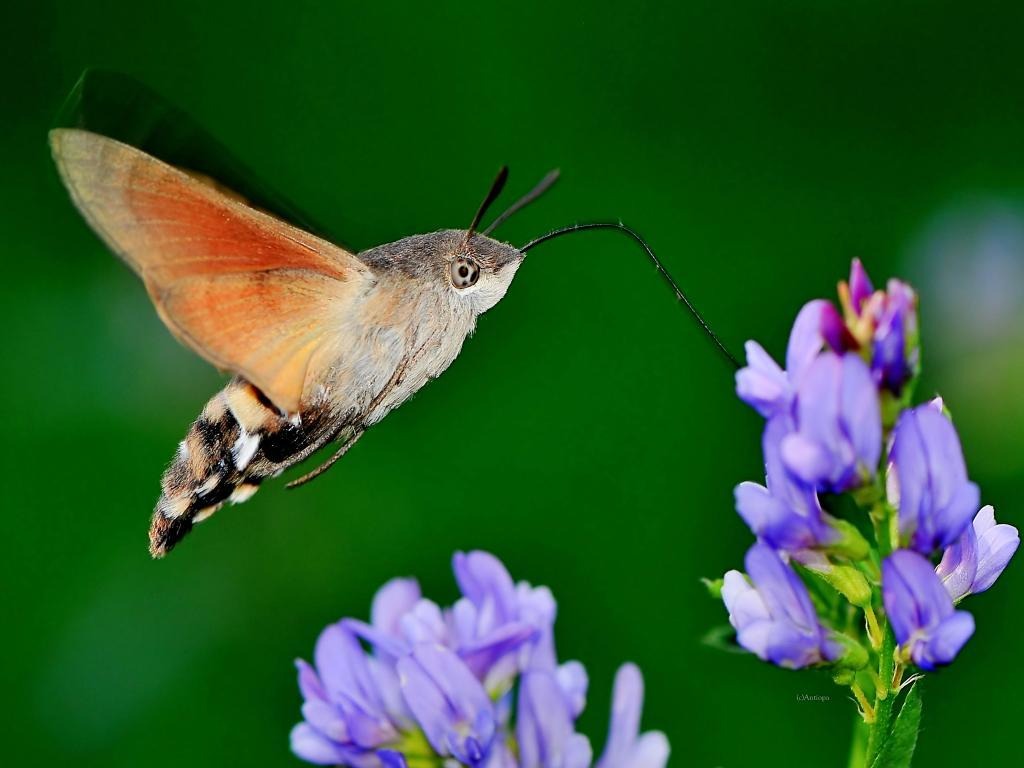
Hawk Moths: The Hummingbird Look-Alikes
LOOK FOR: Fast-beating wings and a long feeding tube
Some hawk moths hover like hummingbirds while drinking nectar. Depending on the species, they may visit flowers during the day or at dusk.
Where to spot them: Nectar-rich tubular flowers, especially during warmer summer periods.
Where to Look in the Gardens
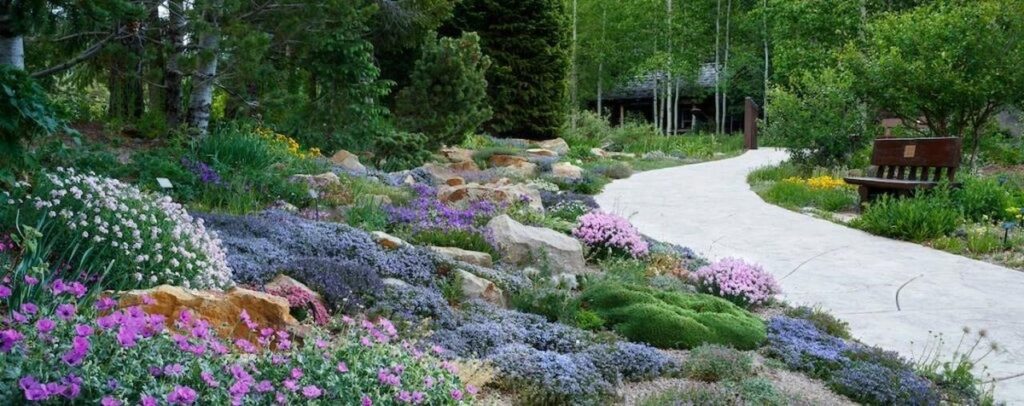
Explore different habitats as you stroll through the gardens.
- Alpine rock gardens: Watch small native bees and flies visiting low-growing blossoms.
- Wildflower-rich plantings: Look for butterflies and bumblebees moving between colorful flowers.
- Sunny, sheltered areas: Pollinators often gather where flowers are warm and protected from wind.
- Flowers near pathways: Some of the best pollinator watching happens right along the garden paths!
Tips for Successful Pollinator Watching
The best time to look is on warm, sunny days from late spring through early fall, although activity varies with weather and flower bloom times. Move slowly, watch quietly, and give insects room to work. Take photographs rather than collecting specimens, and stay on designated paths to protect fragile alpine plants.
Did You Know?
At high elevations, cool temperatures, strong winds, and short growing seasons make pollination especially challenging. Every successful flower visit helps support the next generation of alpine plants.
Small Creatures. Extraordinary Work.
Every bee, butterfly, moth, and fly contributes to the intricate web of life in the Rocky Mountains. By protecting alpine plants and their pollinators, we help preserve the beauty and biodiversity of these special mountain environments. Thank you for exploring, observing, and helping protect the wonders of Betty Ford Alpine Gardens!
Learn more with our Guide to Alpine Pollinators before you plan your visit to the Gardens.