Creating Real Impact.
Protecting high altitude spaces for future generations.
From research and conservation to education and community programs-your generosity helps protect alpine plants and the planet.
Alpine plant conservation is at the heart of our work at Betty Ford Alpine Gardens. Our goal is to educate visitors about the deterioration of plant biodiversity around the world and specifically the threat to the world’s high alpine flora.
Located at 8,200 feet, Betty Ford Alpine Gardens is uniquely positioned to address conservation of the fragile alpine environment. It is the only botanical garden in North America dedicated to the protection of alpine plants and their ecosystem.


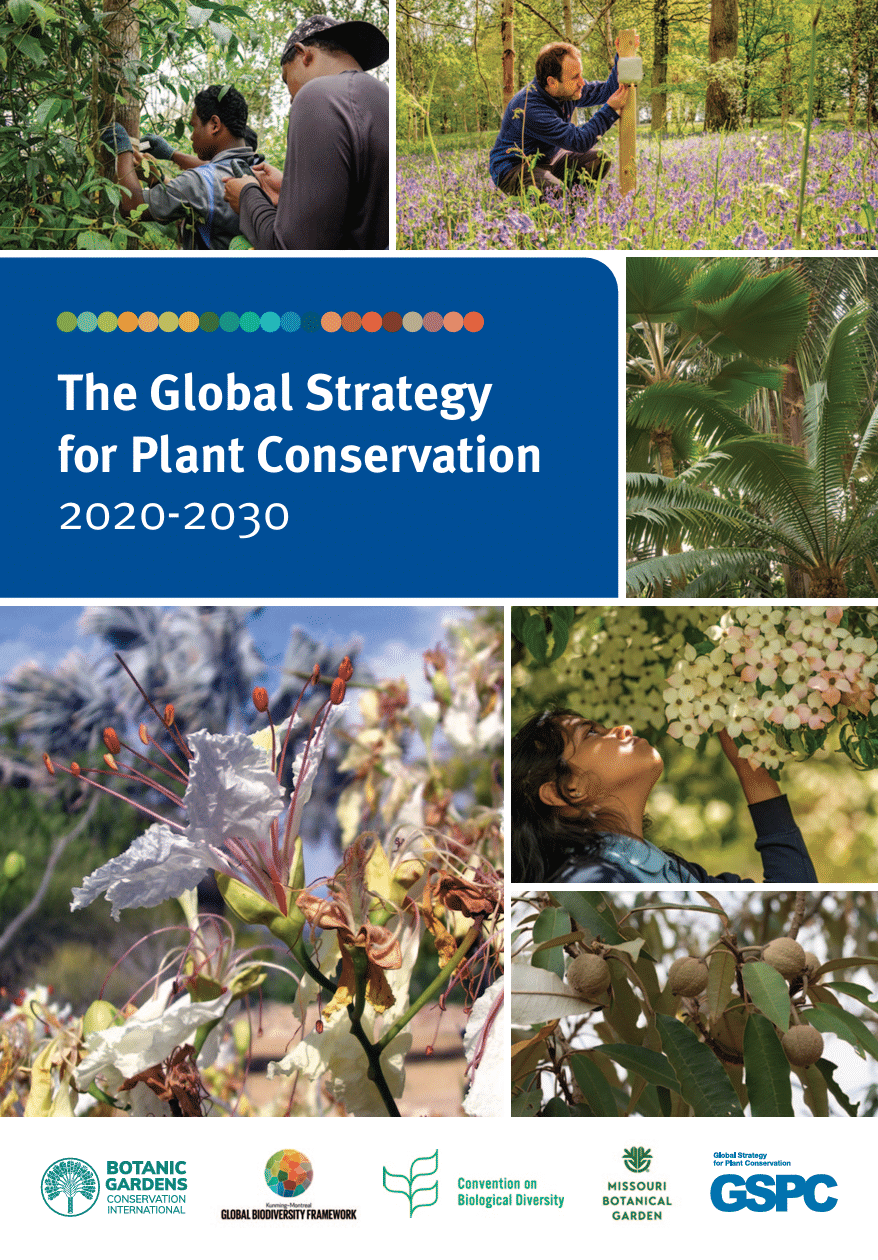
The Global Strategy for Plant Conservation – a Plan to Save the World’s Plant Species – grew out of the Convention on Biological Diversity and is influencing government policy around the world. The GSPC highlights the importance of plants and the ecosystem services they provide for all life on Earth, and aims to ensure their conservation. The GSPC, was first adopted by the Conference of the Parties to the Convention on Biological Diversity in 2002. The GSPC targets were renewed and updated in 2025.


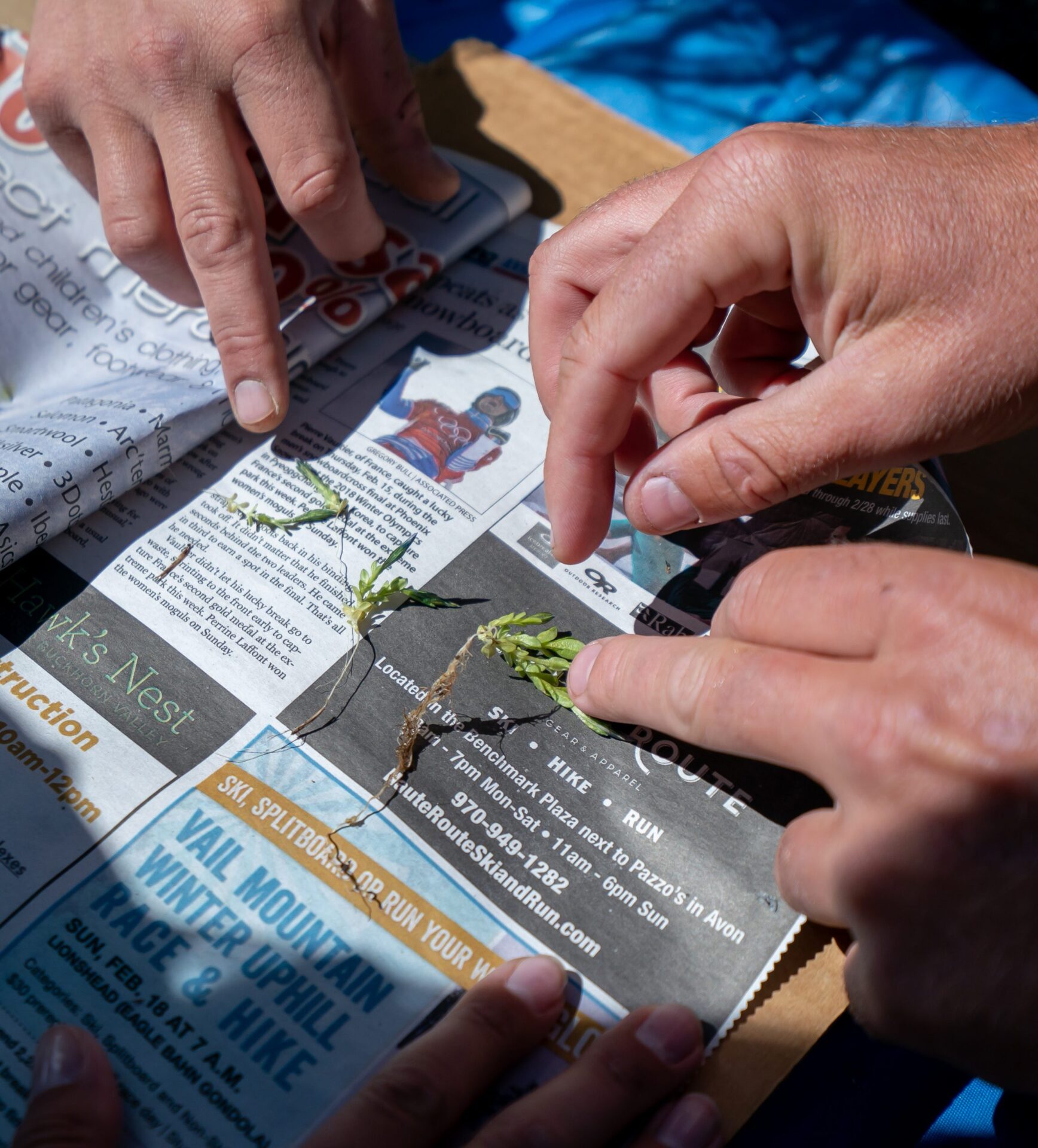
Seed banking is one of the major conservation initiatives of Betty Ford Alpine Gardens, which contributes to the global effort of protecting biodiversity of plants for future generations.


In 2025 Betty Ford Alpine Gardens established the Alpine Plant Specialist Group within the IUCN. The goal of this group is to connect scientists from mountains regions around the world to further conservation action for alpine plant species.


The Challenge: Federal funding for our nationally recognized alpine seed conservation program has been discontinued, threatening vital partnerships that collect rare mountain plants before they disappear.
The Opportunity: Your support continues our proven collaboration with three key institutions collecting irreplaceable alpine seeds from Arizona’s isolated peaks, Maine’s rare east coast alpines, and Canada’s unbanked species.
Why Now? These rare alpine plants exist in small, vulnerable populations. Every collection season we miss means potential extinctions we can’t reverse.
This is conservation with measurable, permanent impact—preserving North America’s alpine heritage for future generations through proven partnerships and protocols developed right here at Betty Ford Alpine Gardens.


SAVING RARE PLANTS FOR FUTURE GENERATIONS


Project Budburst, sponsored by the Chicago Botanic Gardens, is a collection of researchers, educators, gardeners, and community scientists working together to illustrate the human impacts on the natural world around us. Together they tell that story through data collection, data sharing, education, and personal connections.
Researchers use the data collected by community scientists to address important environmental questions and contribute to lasting conservation action to preserve the planet.


Join us in an effort to document alpine plant diversity!
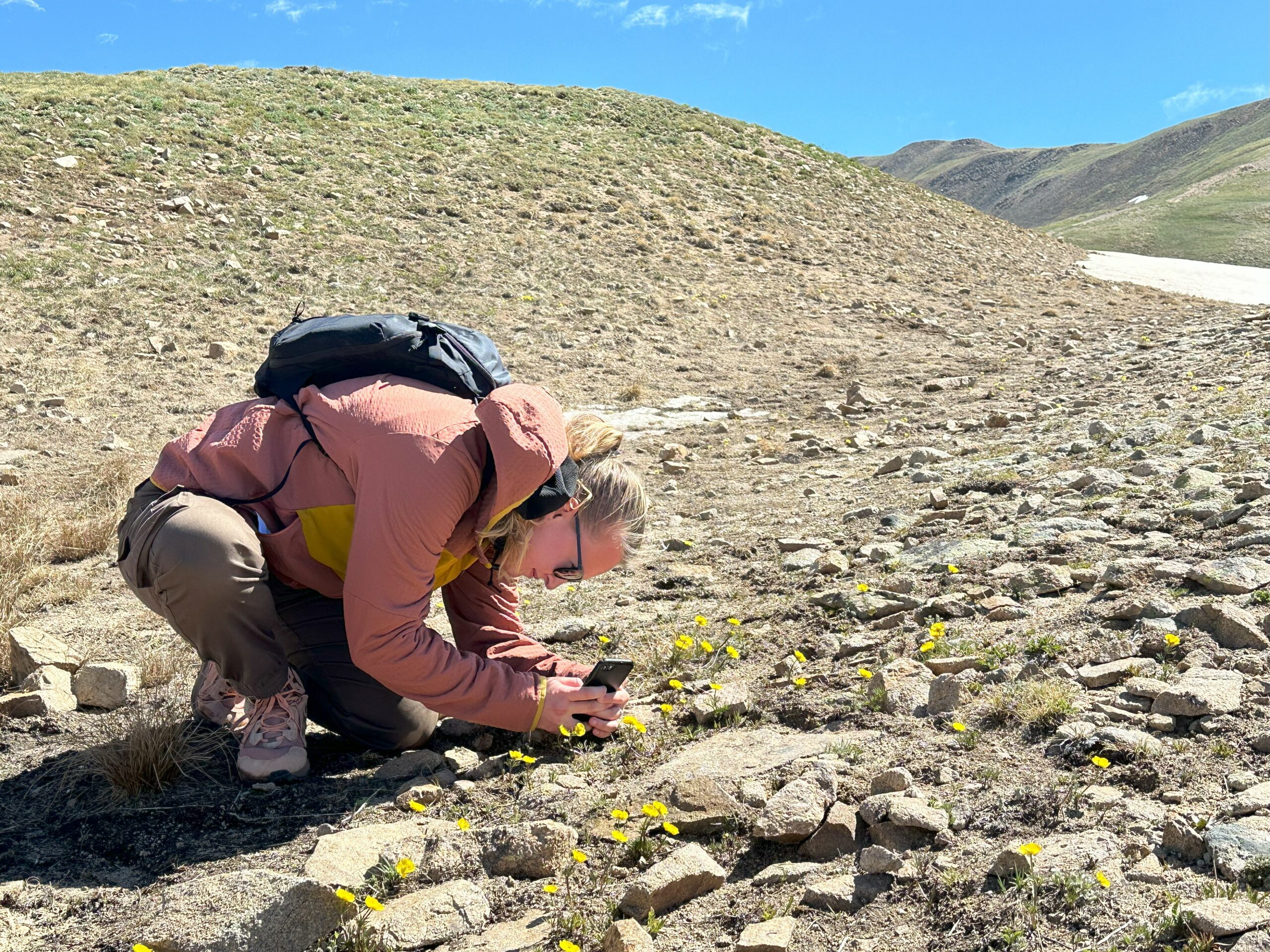
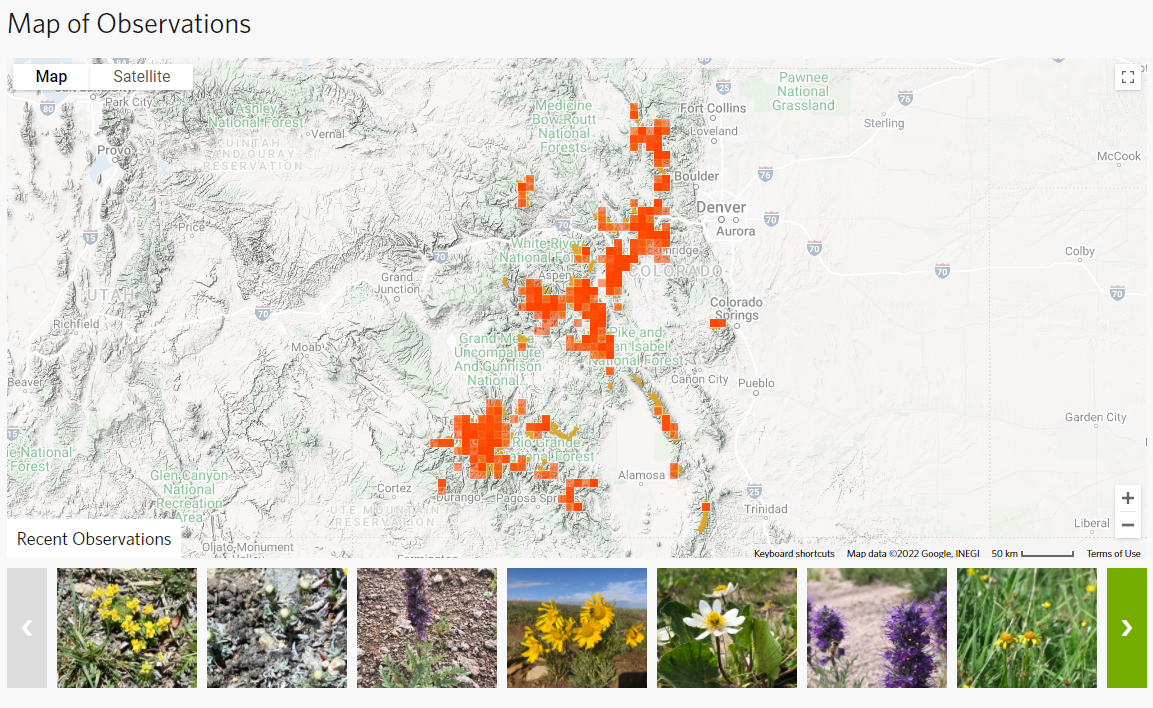
As part of the first objective of the Alpine Strategy: to understand and document alpine plant diversity, we are interested in knowing where alpine plants are, and when they are blooming. To this end, we developed the Colorado Alpine EcoFlora Project, a community-science botany project powered by iNaturalist, the free, easy-to-use nature identification app.
The two goals of this project are:


In the face of a climate crisis, the Colorado Pika Project is engaging community scientists to conserve the American pika and safeguard the health of alpine ecosystems in Colorado.
The Colorado Pika Project is a research project implemented by community scientists across Colorado. Through long-term monitoring of pika populations, we are not only providing useful data to researchers and land managers, but we are doing so in a way that educates and engages Coloradans in conservation and the local impacts of climate change.
From research and conservation to education and community programs-your generosity helps protect alpine plants and the planet.


Rare alpine plant
species in living collections


Highest botanic garden in the world


Regional and global conservation initiatives in progress


Annual visitors