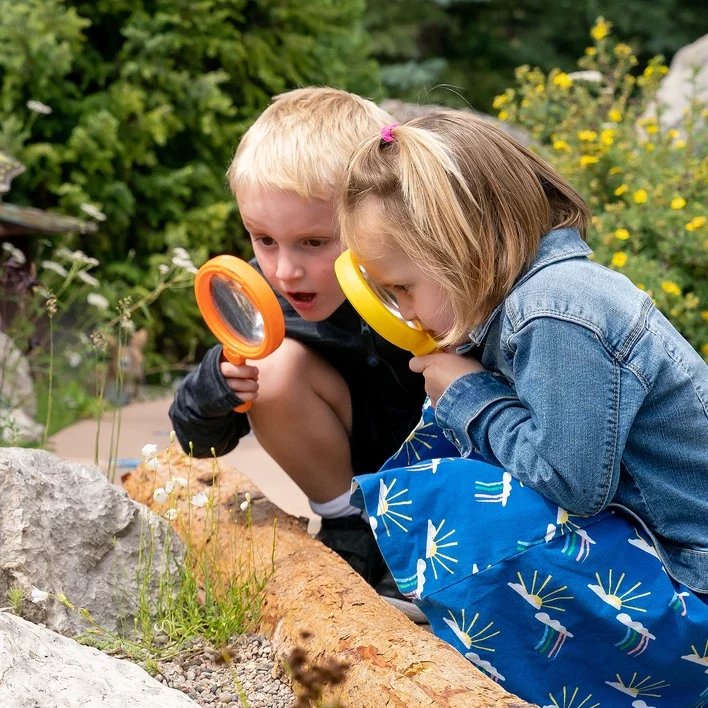
Discover the wonder of alpine environments through the exhibits at Betty Ford Alpine Gardens. One of the primary benefits of living near or visiting a botanical garden, is that it creates a microcosm of an extraordinary world, often difficult to view in its entirety, within reach, so that we may experience it at close range.
We carefully curate and create both permanent and seasonal exhibits for the education and entertainment of Vail visitors and members of the Gardens.


Uniting the World in Alpine Plant Conservation
Through Spring 2027
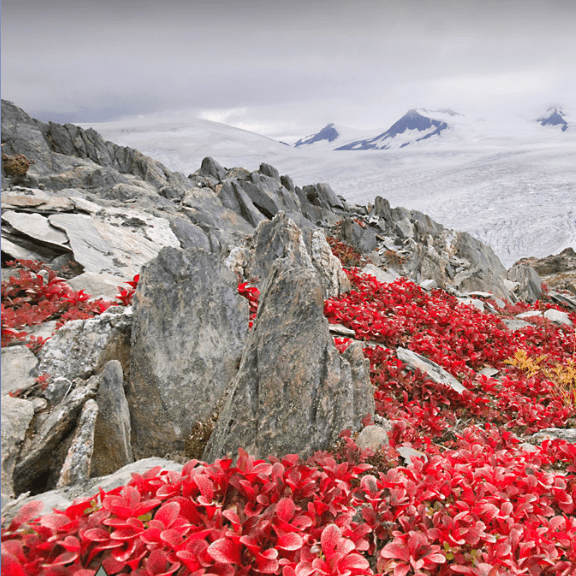
The Passport to the Peaks exhibit invites you on a global expedition to explore the breathtaking beauty and extreme resilience of alpine plant life. As you traverse this immersive experience throughout the Gardens, you will discover the unique adaptations that allow flora to thrive in some of the most unforgiving environments on Earth. From the rugged Rockies to the towering Himalayas, this exhibit highlights the incredible diversity of high-altitude ecosystems and the common threads that connect them. This exhibit serves as a vital bridge between our local conservation efforts and the global stage of botanical science. Visitors will leave with a deeper understanding of why these fragile alpine homes are essential to the health of our planet. Join us in celebrating the rugged survivors of the peaks and learn how we can protect them for generations to come.

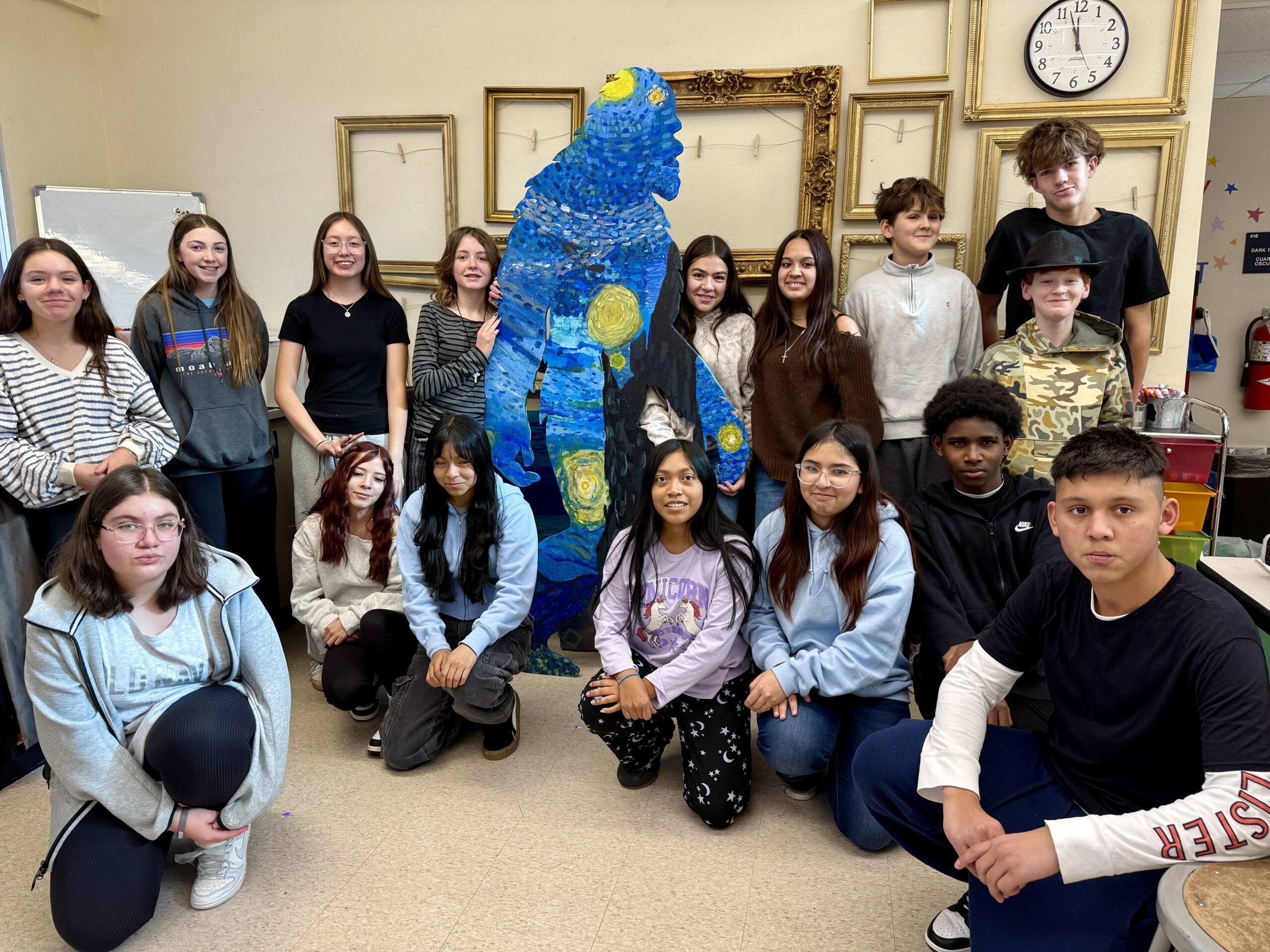
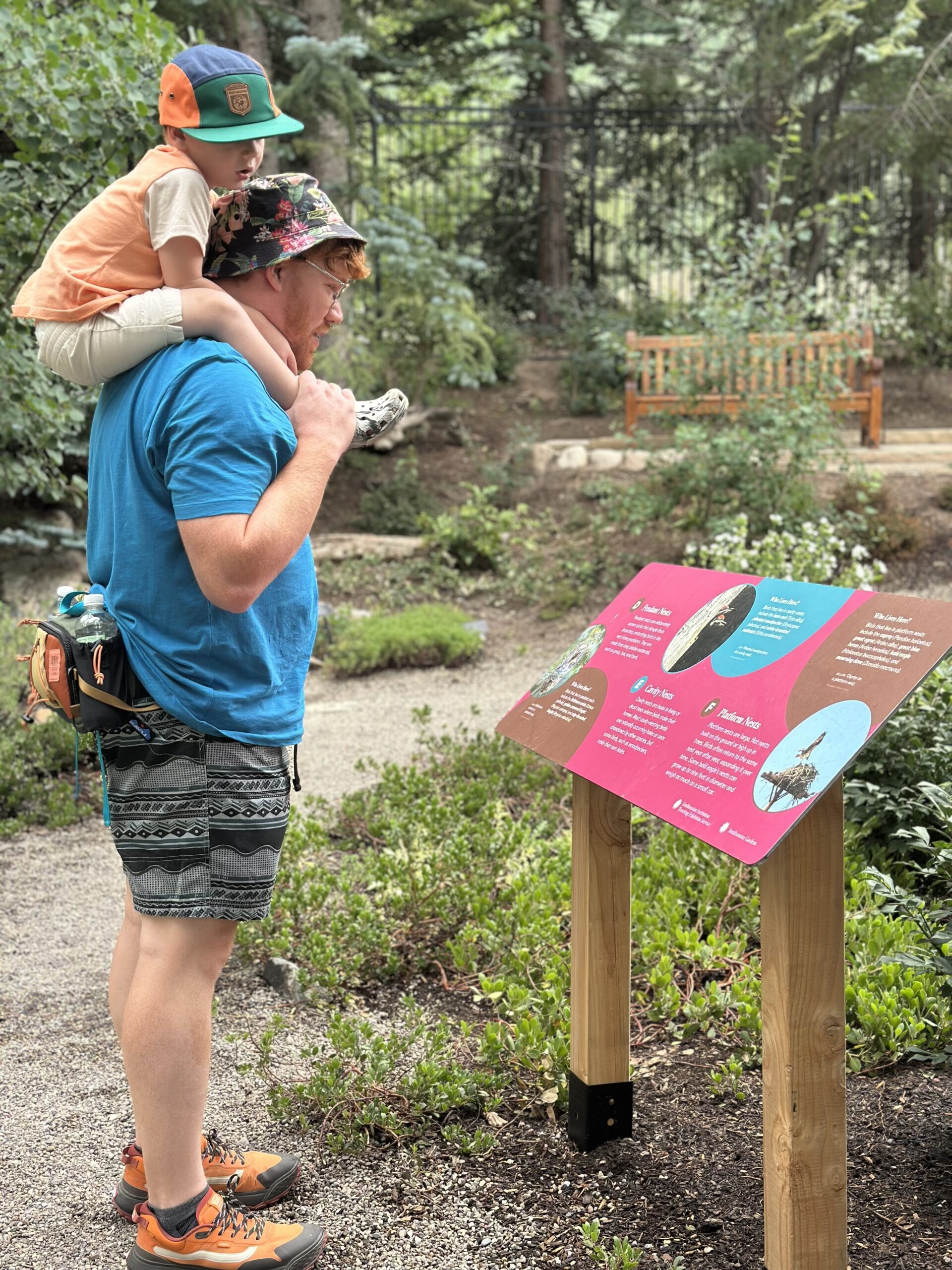
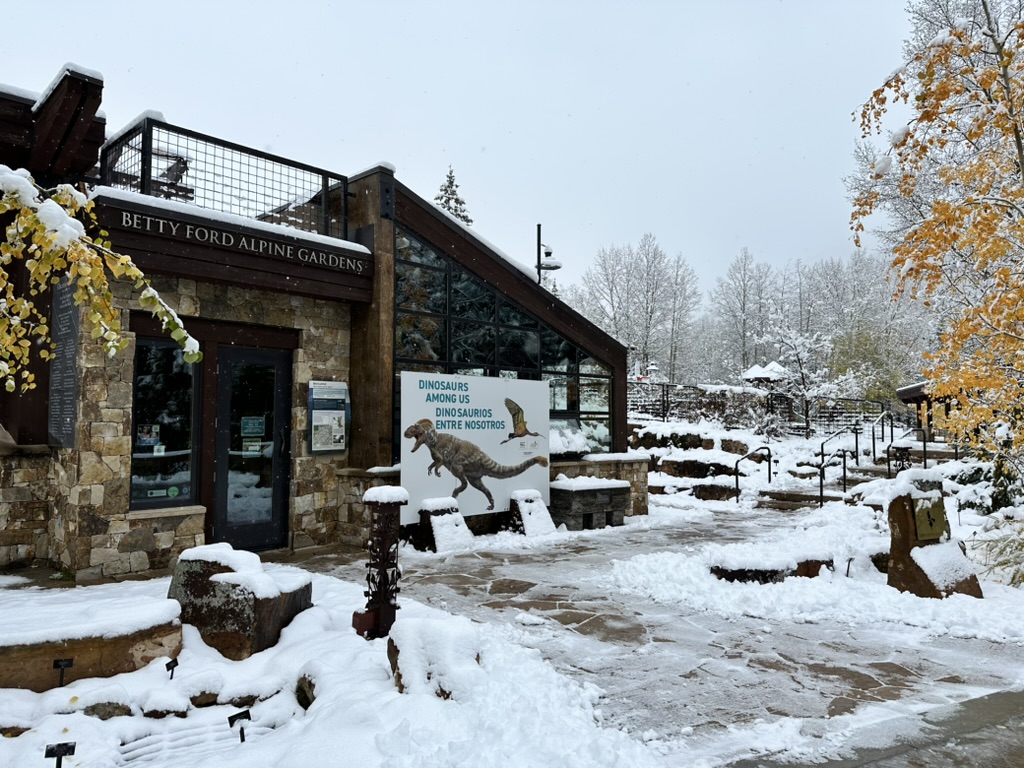
At Betty Ford Alpine Gardens, past exhibits have played a key role in bringing our mission to life. Education and community are at the heart of everything we do. Nestled in the Rocky Mountains, the Gardens serve as a living classroom and gathering place where people of all ages can explore the wonders of alpine ecosystems. Through engaging and hands-on programs, we aim to spark curiosity, deepen understanding of alpine ecosystems, and inspire a lasting appreciation for plants and conservation. Take a look back at some of our most memorable past exhibits that have helped connect people to the natural world!


Winter 2026
A spectacular, community-focused winter art exhibit featuring larger than life yeti sculptures transformed into unique masterpieces by local schoolchildren. This exhibit was an exciting collaboration between the Gardens, Town of Vail’s Art in Public Places and multiple local schools, designed to provide students with the invaluable experience of creating large-scale public art. View more details on the exhibit and our partners.


2025-2026
Habitats provide homes for all living things, from the tiniest ant to the tallest tree. The exhibition Habitat explores the critical need for varied habitats, how interconnected and fragile they are, and what we can do to protect them. The experience showcases the unique habitats throughout Betty Ford Alpine Gardens. Habitat was developed by Smithsonian Gardens and was made available by the Smithsonian Institution Traveling Exhibition Service.


2024-2025
Developed by the American Museum of Natural History, this exhibit explored the evolutionary link between birds and their prehistoric ancestors. Visitors discovered that a hawk overhead is more than a bird—it’s a living dinosaur. View more details on the exhibit and our partners.


Winter 2023 through Spring 2024
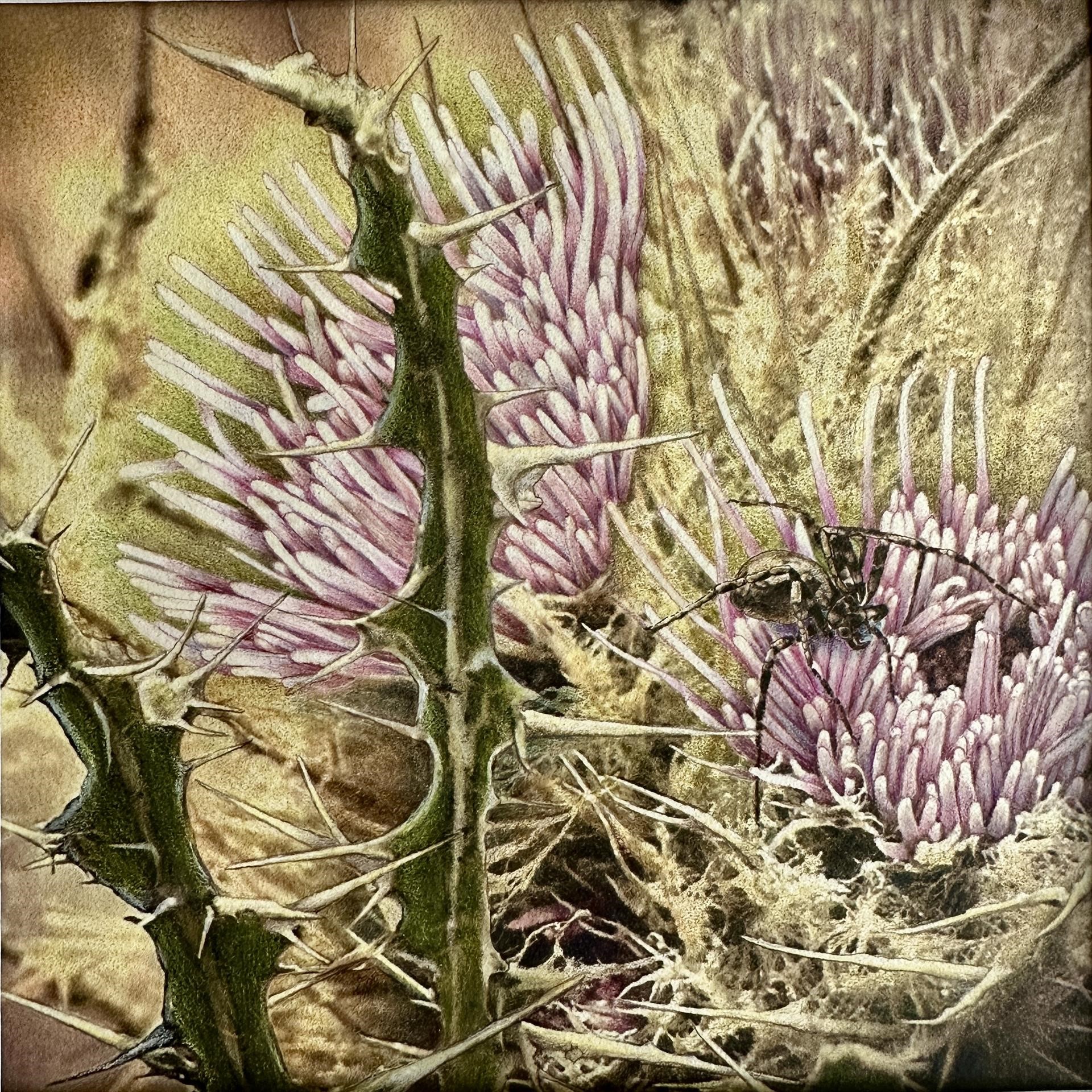
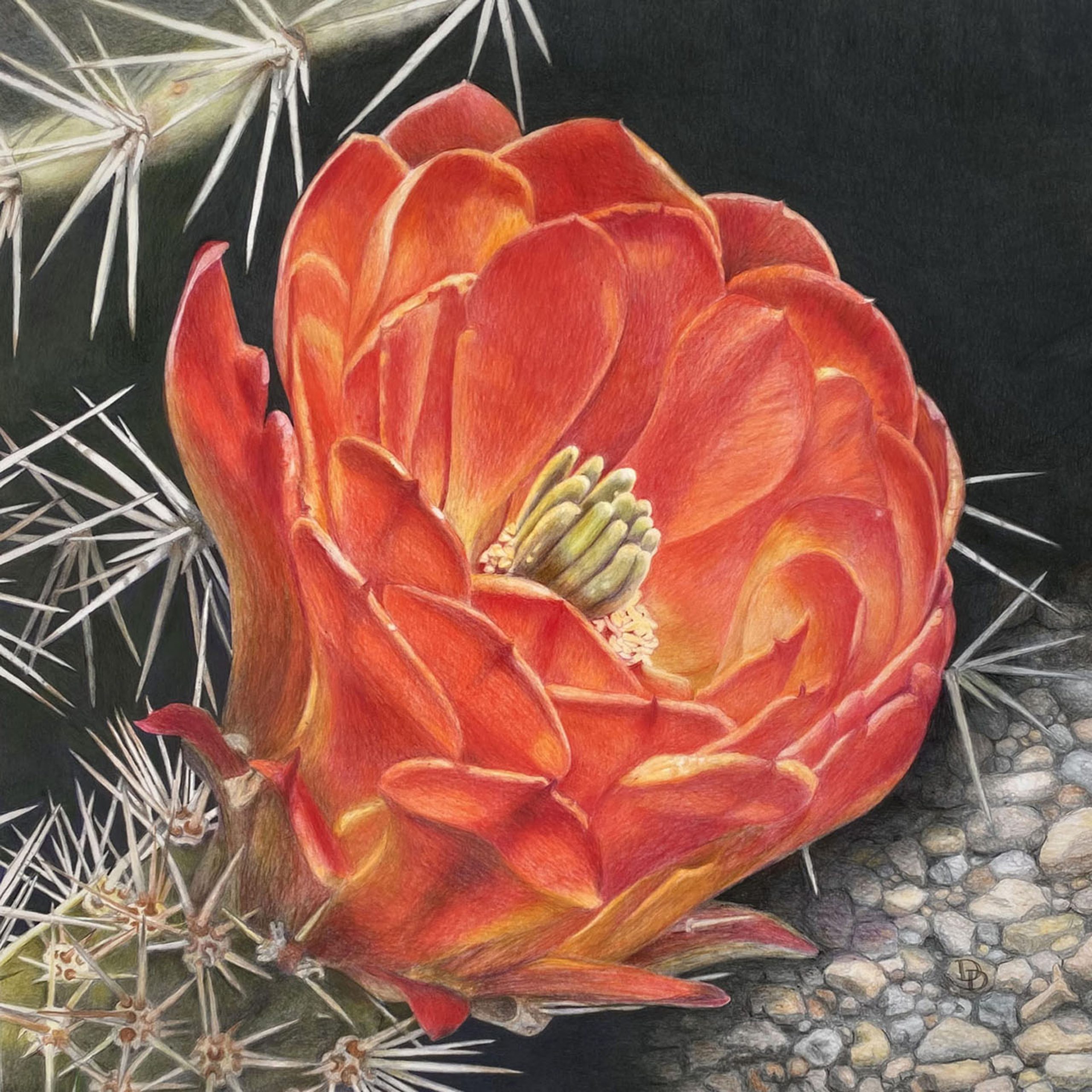
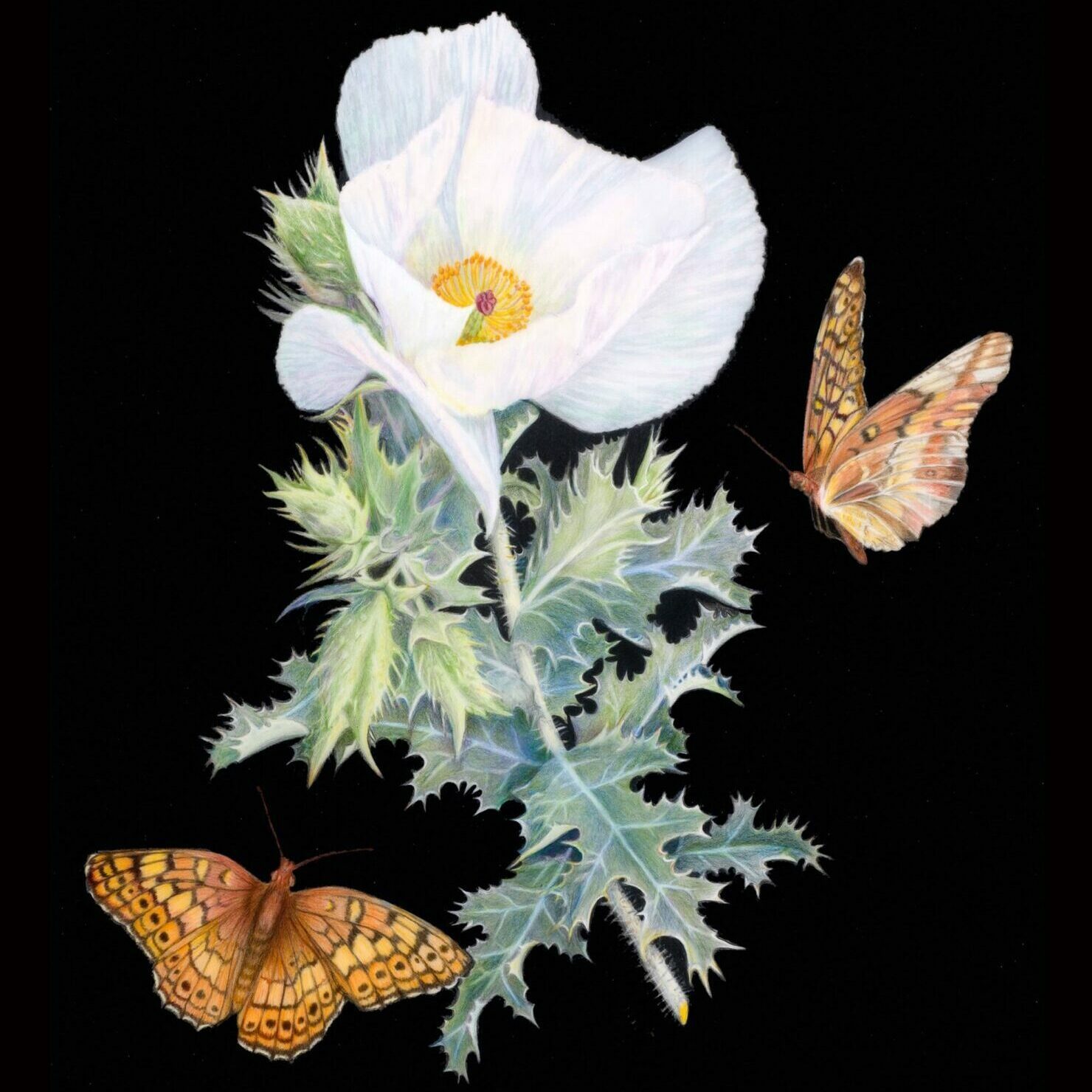
The alpine plants beauty was displayed in the juried exhibition Rocky Mountain High, by the Rocky Mountain Society of Botanical Artists. Betty Ford Alpine Gardens partnered with the RMSBA to illustrate 40 examples of Colorado’s smallest and toughest plants in amazing detail.


Summer 2023
This exhibit focused on phenology—the study of nature through time—and used plant data from the coldest, highest places on Earth to show the dramatic shifts since the 1980s.


Winter 2022
Another juried exhibit by Rocky Mountain Society of Botanical Artists (RMSBA), this exhibit showcased 36 artworks celebrating the native flora, and fauna of the American West. Each piece was a scientific and artistic tribute to the rugged landscapes and biodiversity of the region.


Summer 2022
The alpine world is as fragile as it is stunning. This two-part exhibit featured striking outdoor photographs of rare alpine plants and animals, while the indoor experience invited visitors to “step into the boots” of alpine researchers and explore the challenges of protecting fragile high-altitude ecosystems.


Winter 2021
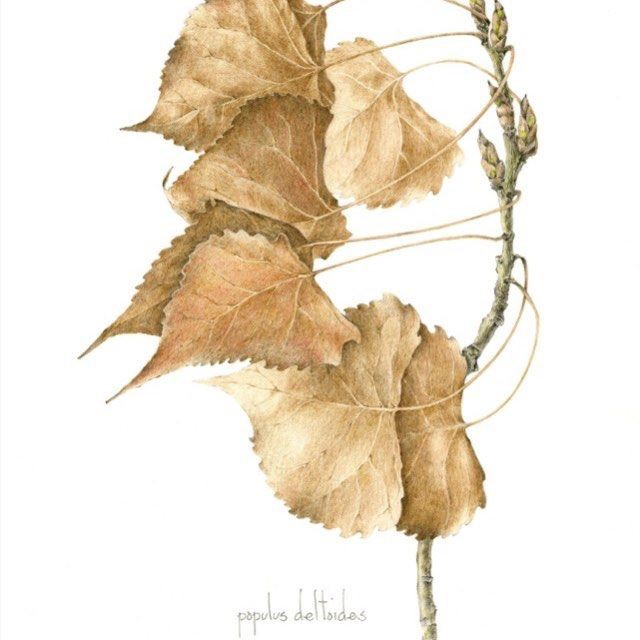
Marking 200 years since Edwin James documented Colorado’s flora during the Stephen H. Long Expedition, this exhibit highlights his remarkable botanical legacy—over 700 plant species collected, including 140 new to science. Presented by the Rocky Mountain Society of Botanical Artists, each illustration is rendered in traditional media with stunning accuracy, capturing the detail and beauty of these historic plants beyond what photography can show.


Summer 2021
Inspired by Project Drawdown, this exhibit introduced practical, plant-based climate solutions. Visitors learned how plants can capture carbon and how individual choices, like plant-based diets, can help combat climate change.


June 2020 – April 2021
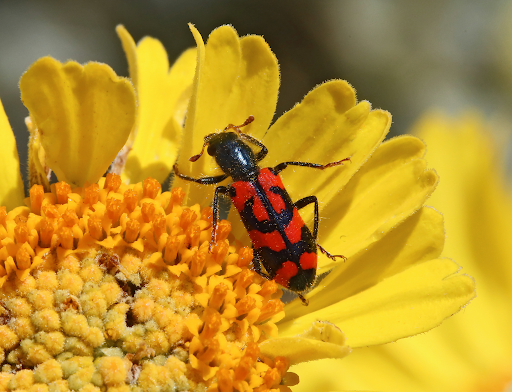
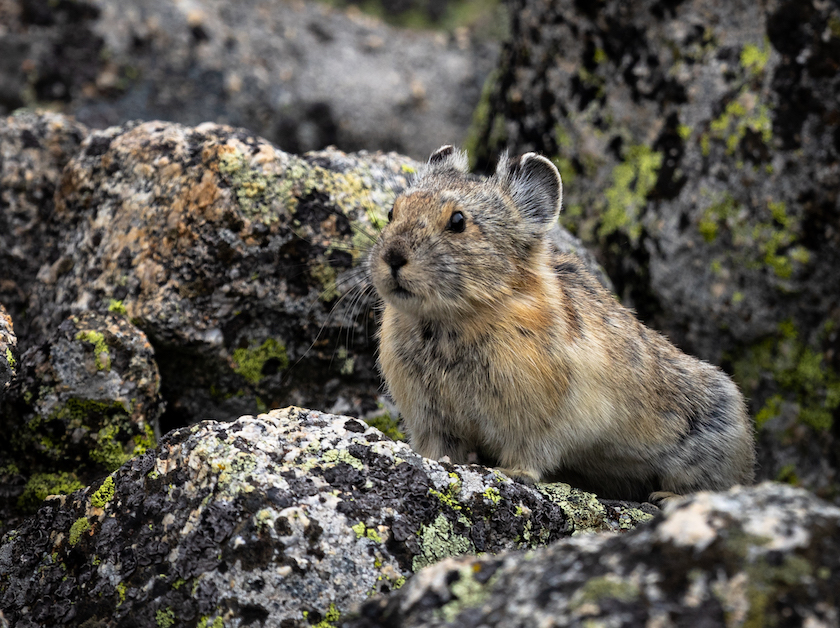
This exhibit showcases intimate photographic portraits of alpine survivors—from lichens to pikas—that have adapted to one of the planet’s most extreme environments. Discover the remarkable strategies these resilient species use to thrive where few others can.


Summer 2020
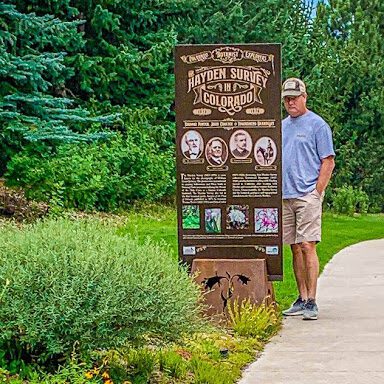
Celebrating the 200th anniversary of Colorado’s first scientific expedition, this outdoor exhibit honored Edwin James and other early plant explorers who shaped our understanding of the region’s flora and laid the groundwork for botanical discovery that continues today.
Colorado Botanist Explorers – Betty Ford Alpine Gardens


Winter 2019
This RMSBA exhibition featured 31 original works of art focused on trees. Blending science and artistry, each illustration met rigorous standards of accuracy and aesthetic excellence, celebrating the majesty and mystery of trees.


Summer 2019
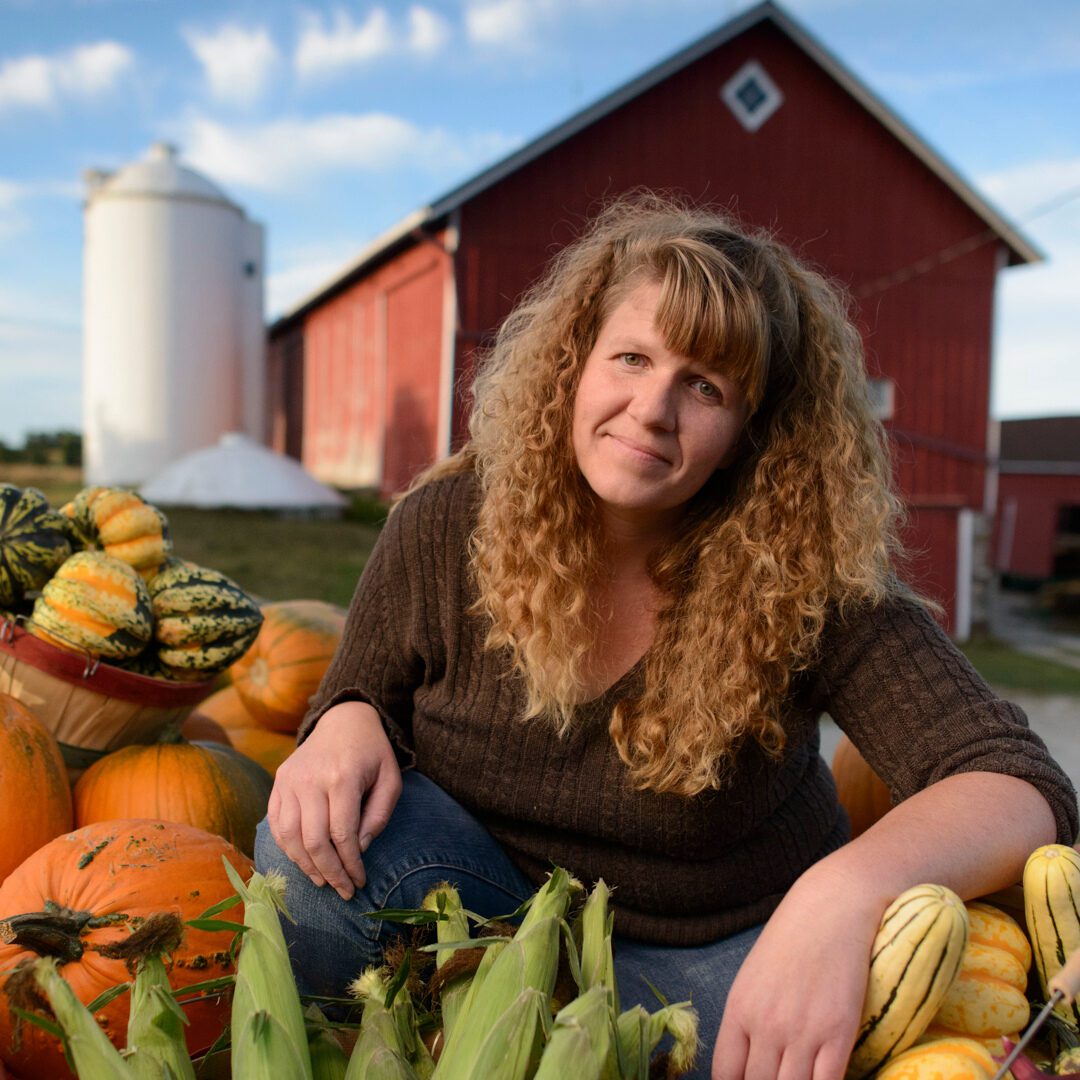
Displayed throughout Eagle County libraries, this photographic exhibit by National Geographic’s Jim Richardson honored the women who grow most of the world’s food—offering a global perspective on agriculture, sustainability, and resilience.


June – October 2019
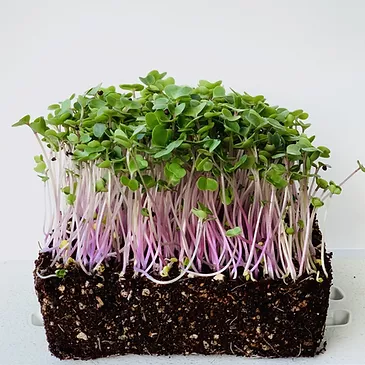
This immersive exhibit uncovered the hidden world beneath our feet with massive 20-foot root systems grown by The Land Institute and striking photography by National Geographic’s Jim Richardson. Betty Ford Alpine Gardens was the first in the nation to recreate this popular U.S. Botanic Garden exhibit, highlighting how roots, soil, and perennial crops are key to sustainable agriculture


June – October 2018
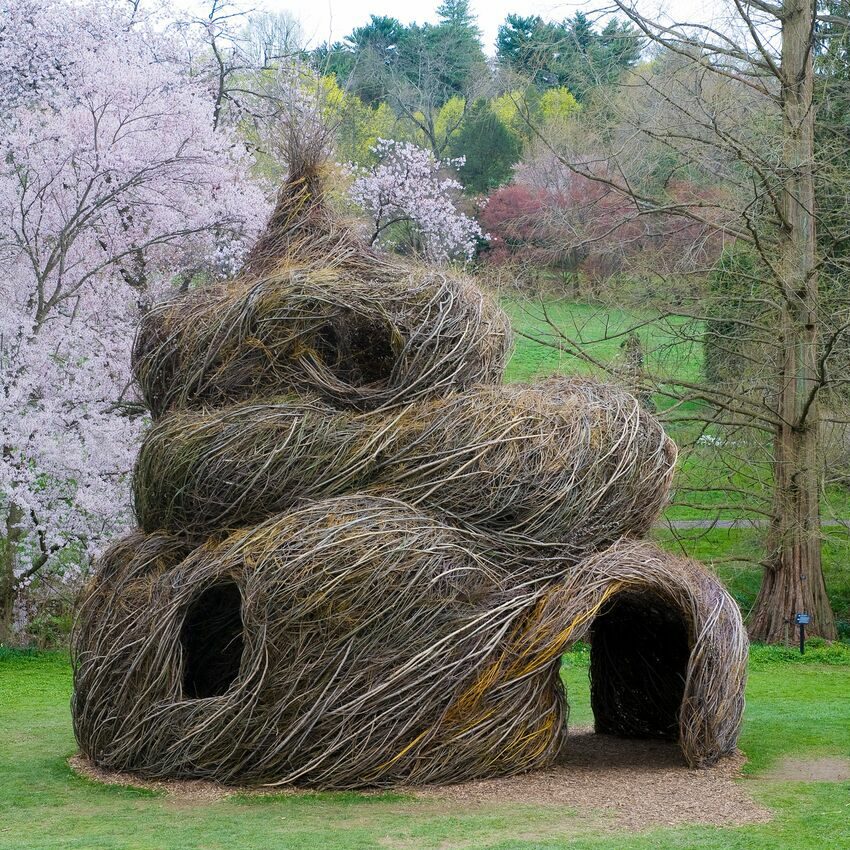
Stickwork, a photographic and sculptural exhibit, captured the whimsical work of environmental artist Patrick Dougherty, whose interactive woven sculptures enchanted visitors of all ages.


June – October 2018
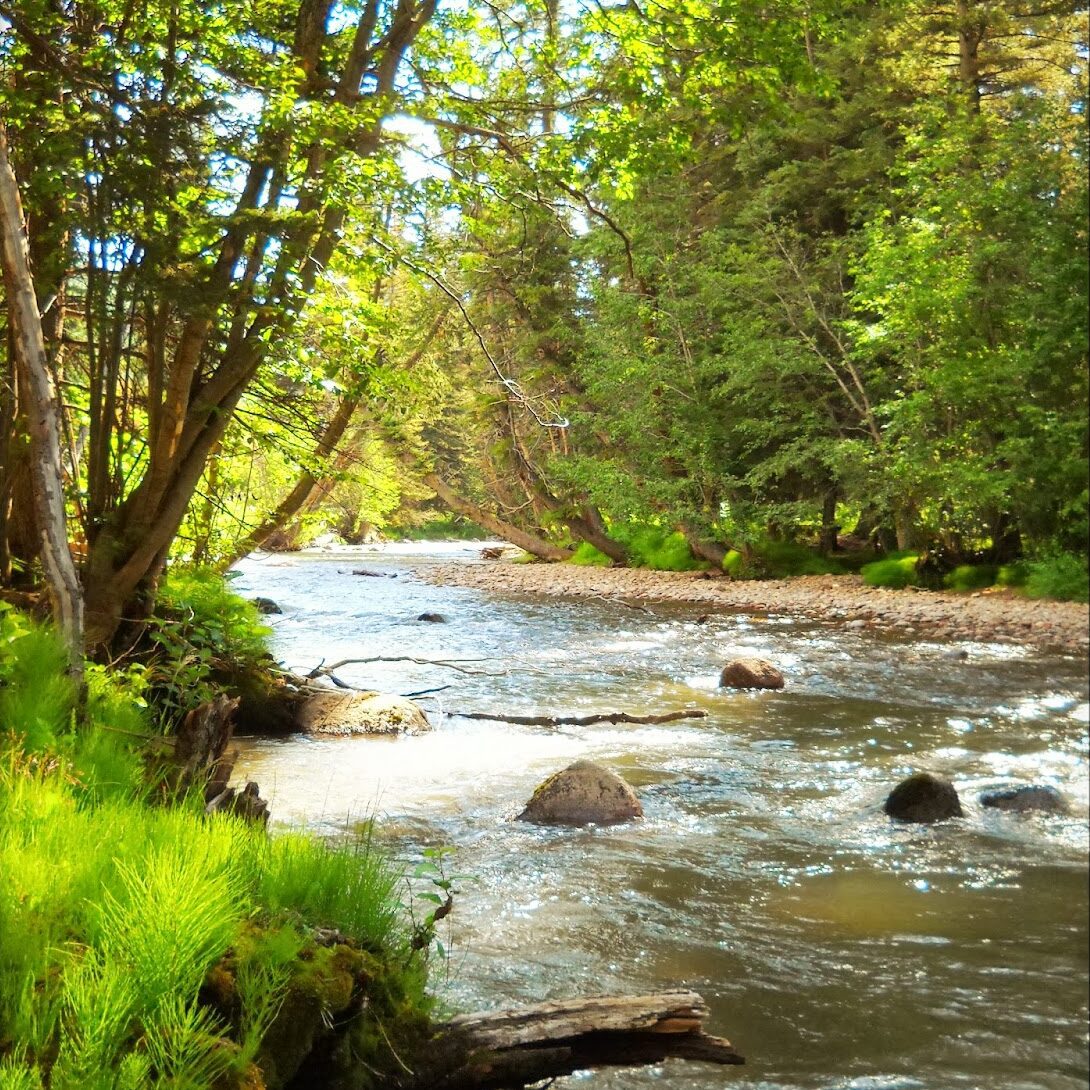
Rivers like Gore Creek are lifelines for alpine wildlife. This exhibit explored riparian ecosystems and the interdependence of water, plants, animals, and people. Visitors learned how to protect these vital waterways for generations to come.

Summer 2017
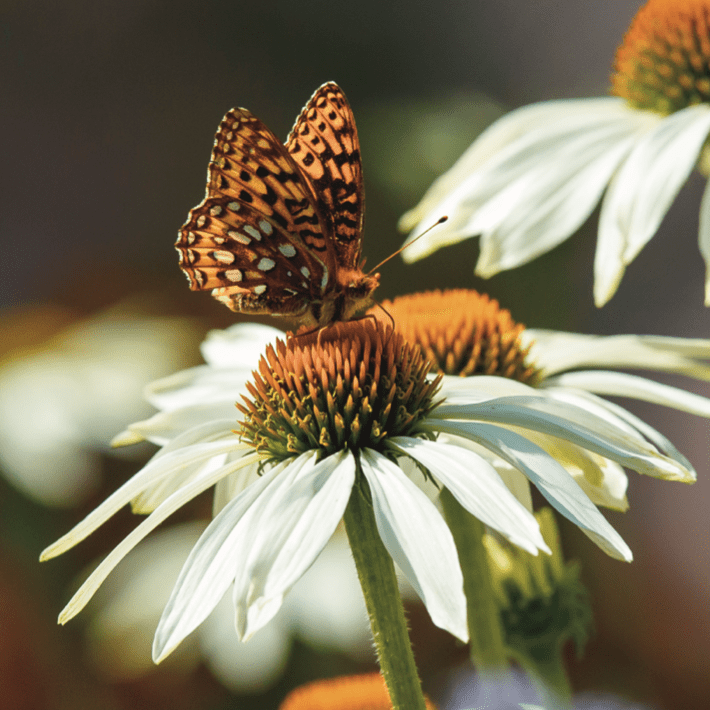
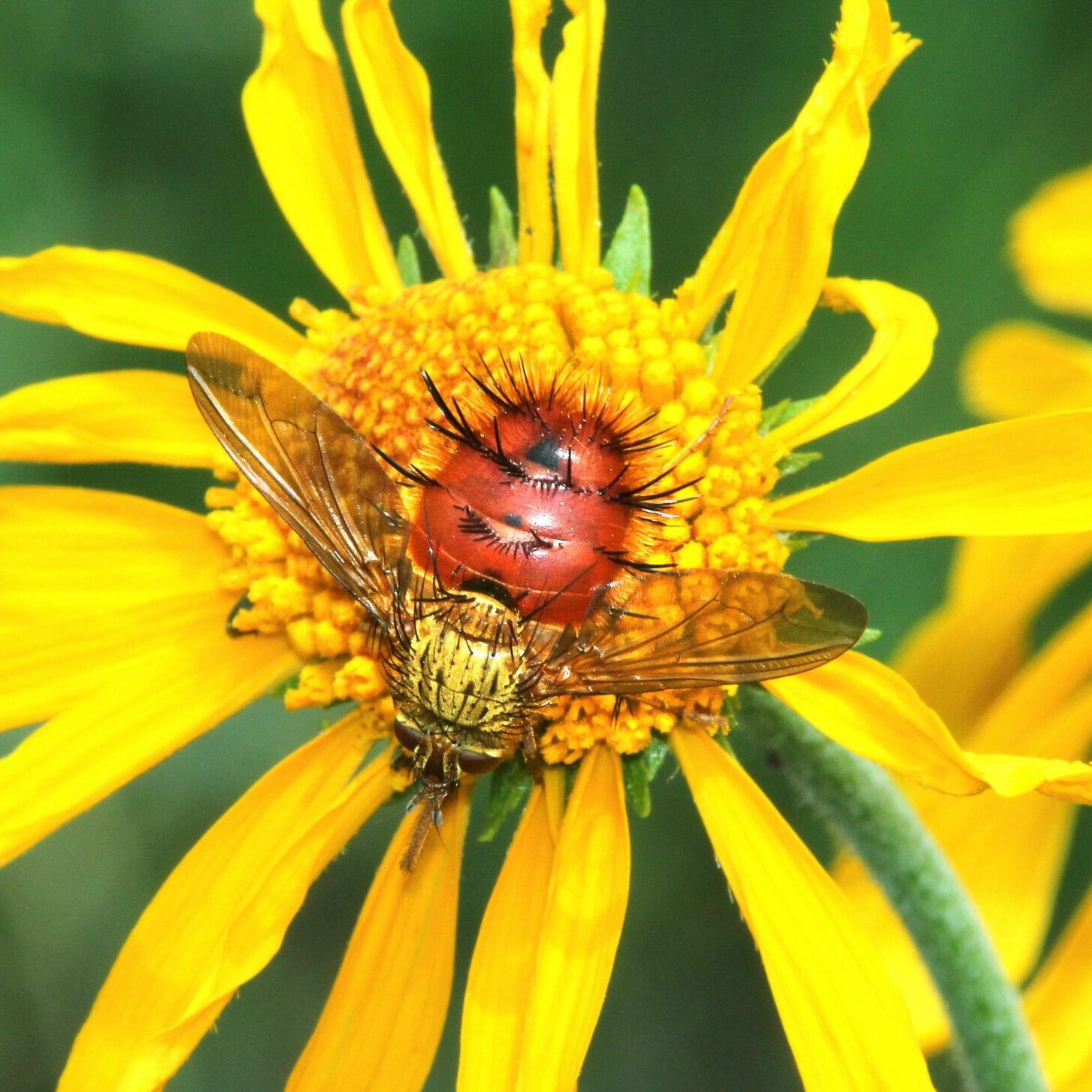
With the launch of our Pollinator Garden, this exhibit celebrated the essential role of bees, butterflies, and birds—and how we can support these tiny but mighty workers.
Exhibits, activities and our outdoor living plant collections are open daily from dawn to dusk, offering a peaceful retreat in every season. To deepen your experience, visit our Education Center, open weekdays from 10:00 AM to 4:00 PM. Starting Memorial Day, the Education Center expands its hours to open daily from 10:00 AM to 4:00 PM for the summer season. Admission is free (donations are greatly appreciated), allowing everyone to connect with the beauty of the high alpine.