The Alpine Environment

Some desc

Home > Education > Alpine Environment

“The alpine tundra is a land of contrast and incredible intensity, where the sky is the size of forever and the flowers are the size of a millisecond.”

-Ann Zwinger, Natural History Author
Tarryall Mountain Expedition 2024

Weather

Weather in the alpine is defined as being too hard to support trees. In the northern hemisphere that is around where mean summer temperatures are 50 F. Growing season is short, temperatures are cold and wind is almost constant.

The arctic and the alpine tundra both have a characteristically cold climate, with most precipitation in the form of snow. In the Colorado Rockies that is about 60 inches per year.

High winds speeds are almost constant and there is a very short growing season in which plants have to flower and set seed. Cold summers unite arctic and alpine ecosystems.

Micro climates are extremely important where small sheltered pockets provide respite from winds. Snow pockets form a protective layer for plant growth compared to the ridge tops where snow may not accumulate and the ground is exposed to freezing temperatures.

Plants

Perhaps the most fascinating of all is the adaptation made by plants to the dry desiccating wind, low temperature, heavy winter snow and short growing season. From low cushion profile to hairy and succulent leaves the adaptations make these true alpines real ‘Conquerors of the Cold’.

The climate extremes found in the alpine ecosystem requires that plant have to adapt in order to survive. These adaptation take many different forms. All are designed to live where winters are long and cold, water is scarce and winds are almost constant

Animals

Many interesting animals have adapted to living in the alpine. Some, including a number of the larger animals, such as Elk, spend the relatively warmer summer in the alpine and move to lower elevations in the winter and some, such as the Pika and Marmot have made the alpine home year round.

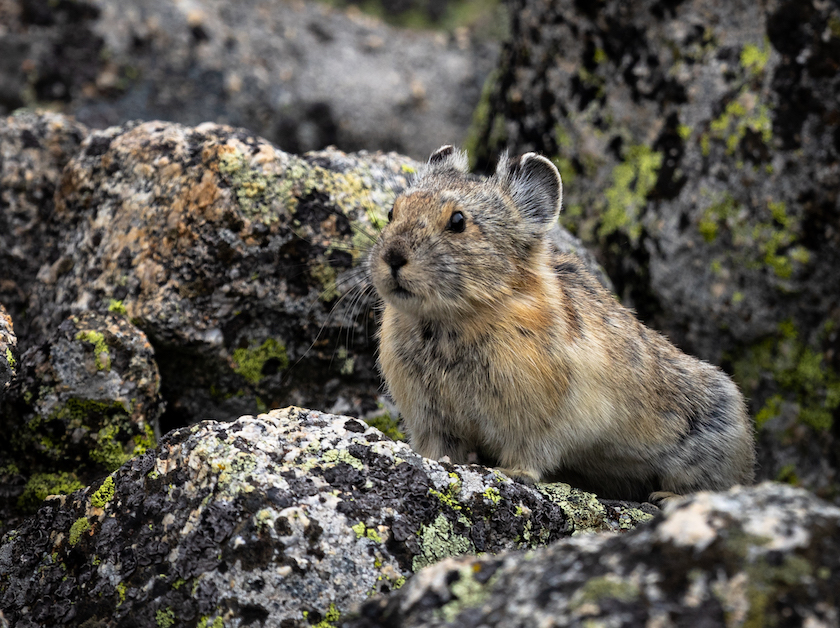
Pika on Lichen - Betty Ford Alpine Gardens

Pika

This charming, small member of the rabbit family has adapted to making its home year round in the alpine. Only living above treeline, they are highly specialized for alpine living. They do not hibernate in the winter, surviving on lichens beneath the snow and haypiles stored from summer.

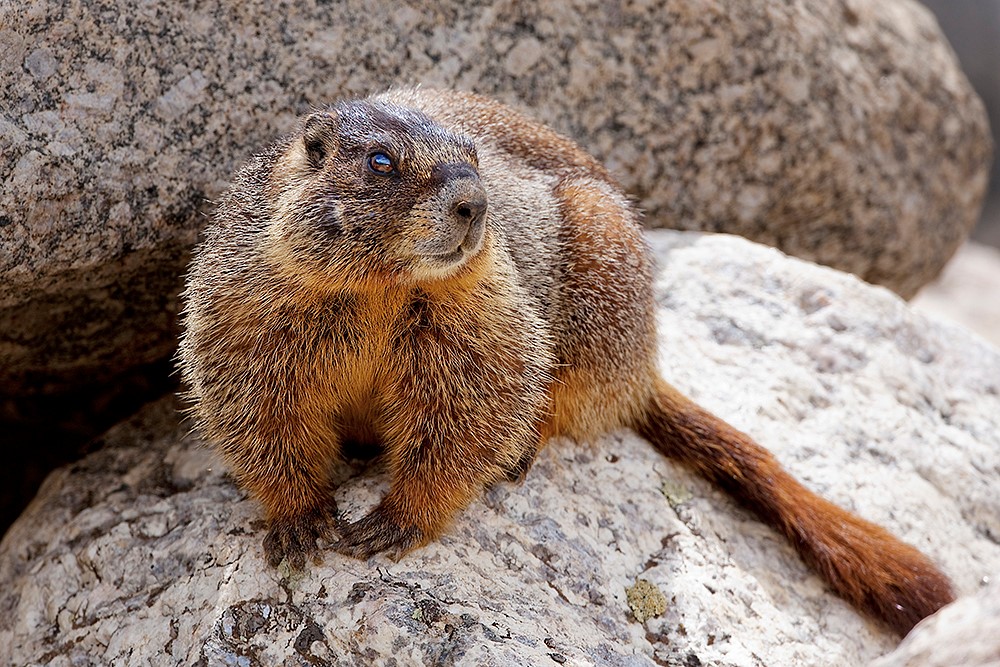
Yellow Bellied Marmot - Betty Ford Alpine Gardens | NAGB Alpine Strategy

Yellow-bellied Marmot

The Yellow bellied marmot or ‘Whistlepig’ is common in the Colorado alpine in meadows and boulder fields up to 14,000ft. Their loud high pitched whistle easily identifies them. These mammals are herbivores, eating many of the common alpine plants especially liking dandelions. These social animals spend more than half of their lives in a deep hibernation.
Golden Eagle - Betty Ford Alpine Gardens
Birds

Many birds enjoy the alpine summer. Some of the most common birds include golden eagle, white-tailed ptarmigan, brown-capped rosy finch, American pipit, and the common raven.

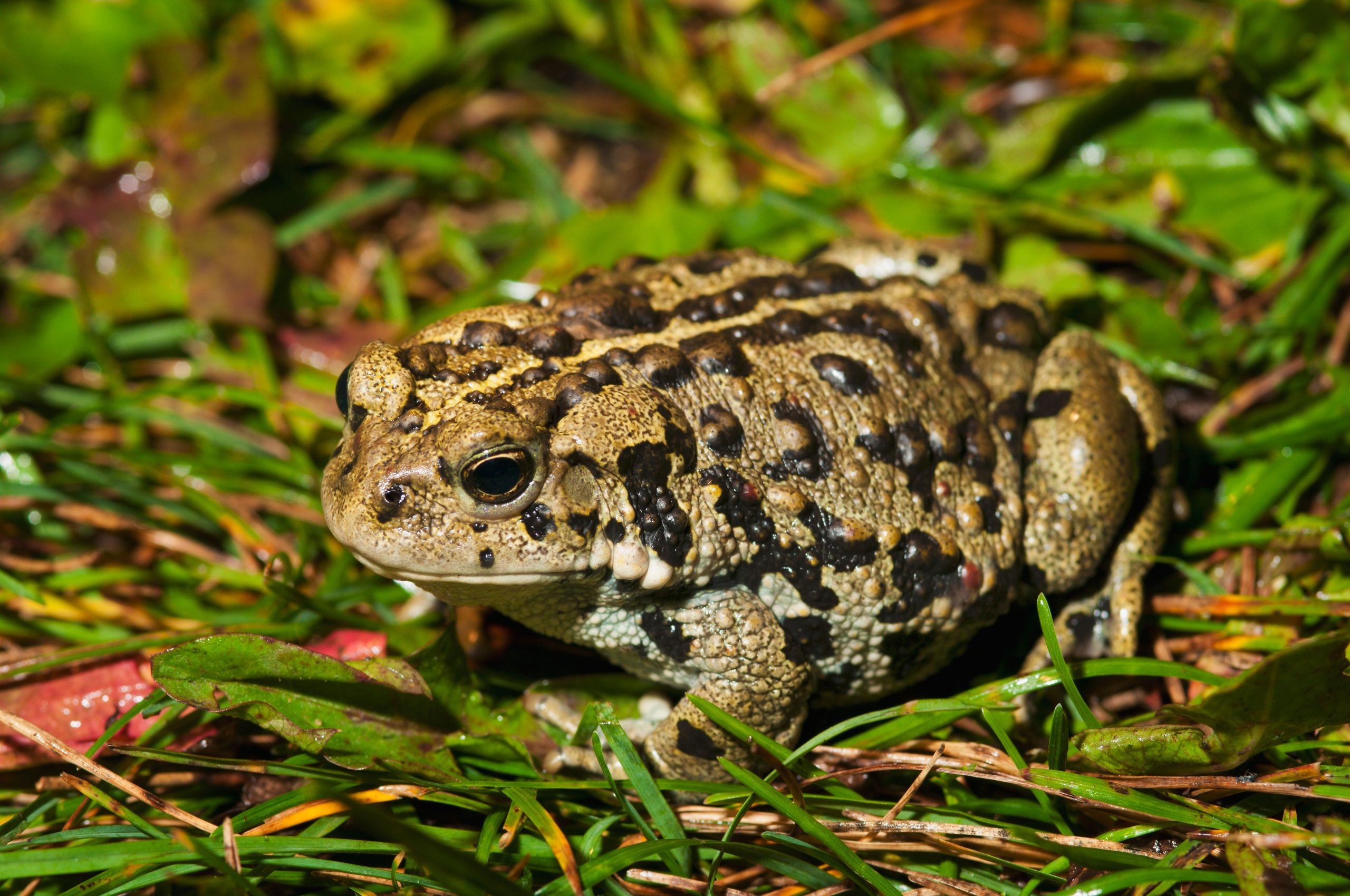
Boreal Toad (Anaxyrus Boreas Boreas) - Betty Ford Alpine Gardens
Amphibians

The boreal toad is a subspecies of the western toad. They are commonly found in wet areas in the Southern Rocky Mountains and in recent years, their population has been on the decline due to an amphibian disease, chytrid fungus. The boreal toad is currently listed as an endangered species in Colorado and New Mexico

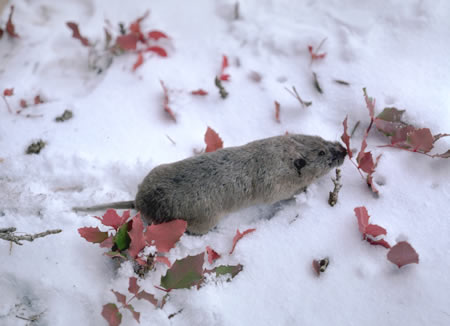
Northern Pocket Gopher - Thomomys talpoides - Betty Ford Alpine Gardens

Gophers

Northern pocket gophers are a rarely seen but common burrowing rodent in the alpine. They are responsible for the surface tunnels called eskers. In the summer they feed on common alpine plants and store roots and tubers in the tunnel in winter. The tunnels are an important part of the soil building process.

Alpine Ecosystem

Many interesting animals have adapted to living in the alpine. Some, including a number of the larger animals, such as Elk, spend the relatively warmer summer in the alpine and move to lower elevations in the winter and some, such as the Pika and Marmot have made the alpine home year round.

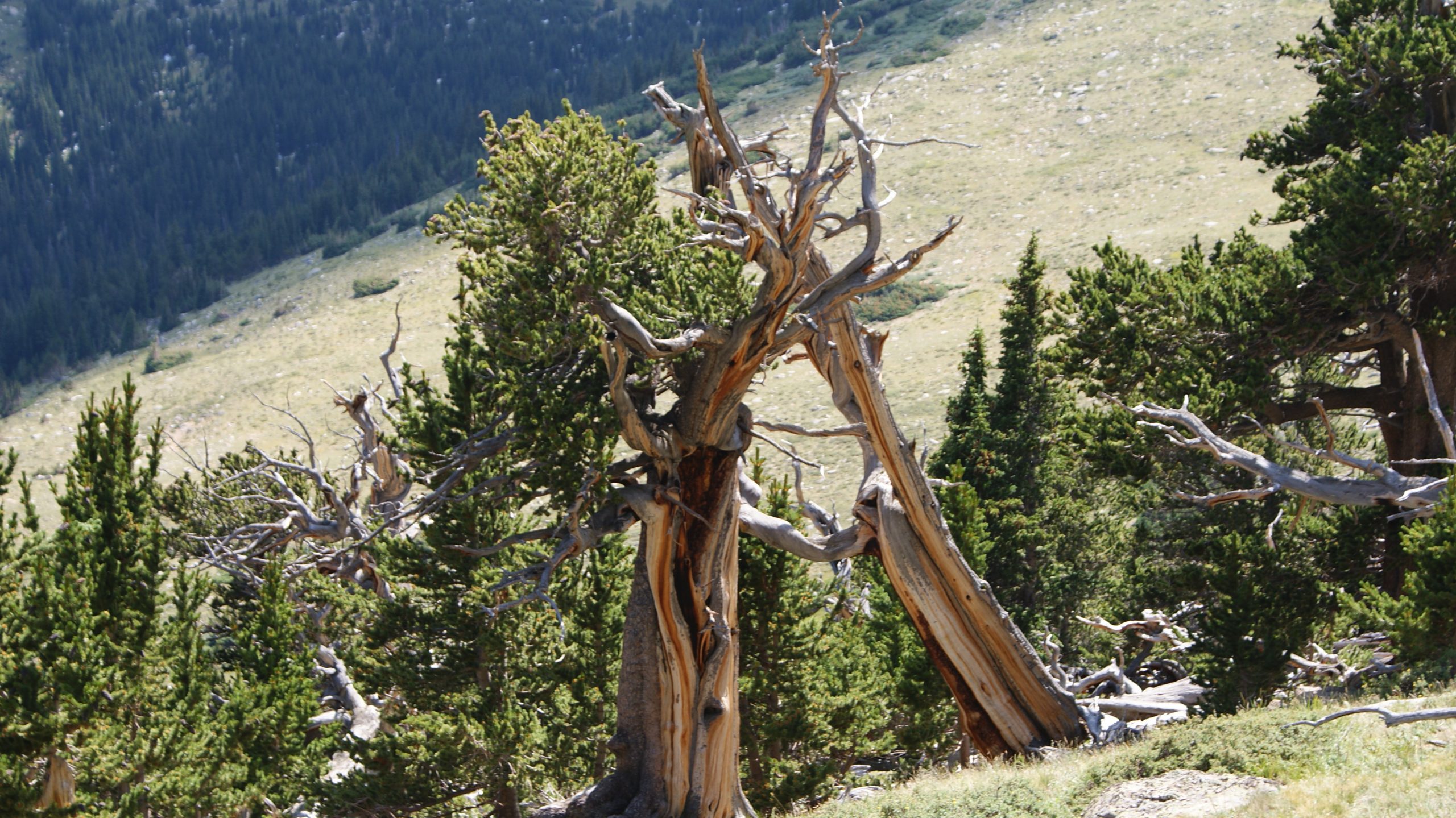
Weathered tree at altitude - Betty Ford Alpine Gardens

Krumholz

From the German term for ‘crooked wood’ the krumholz region describes the zone where trees can no longer survive.

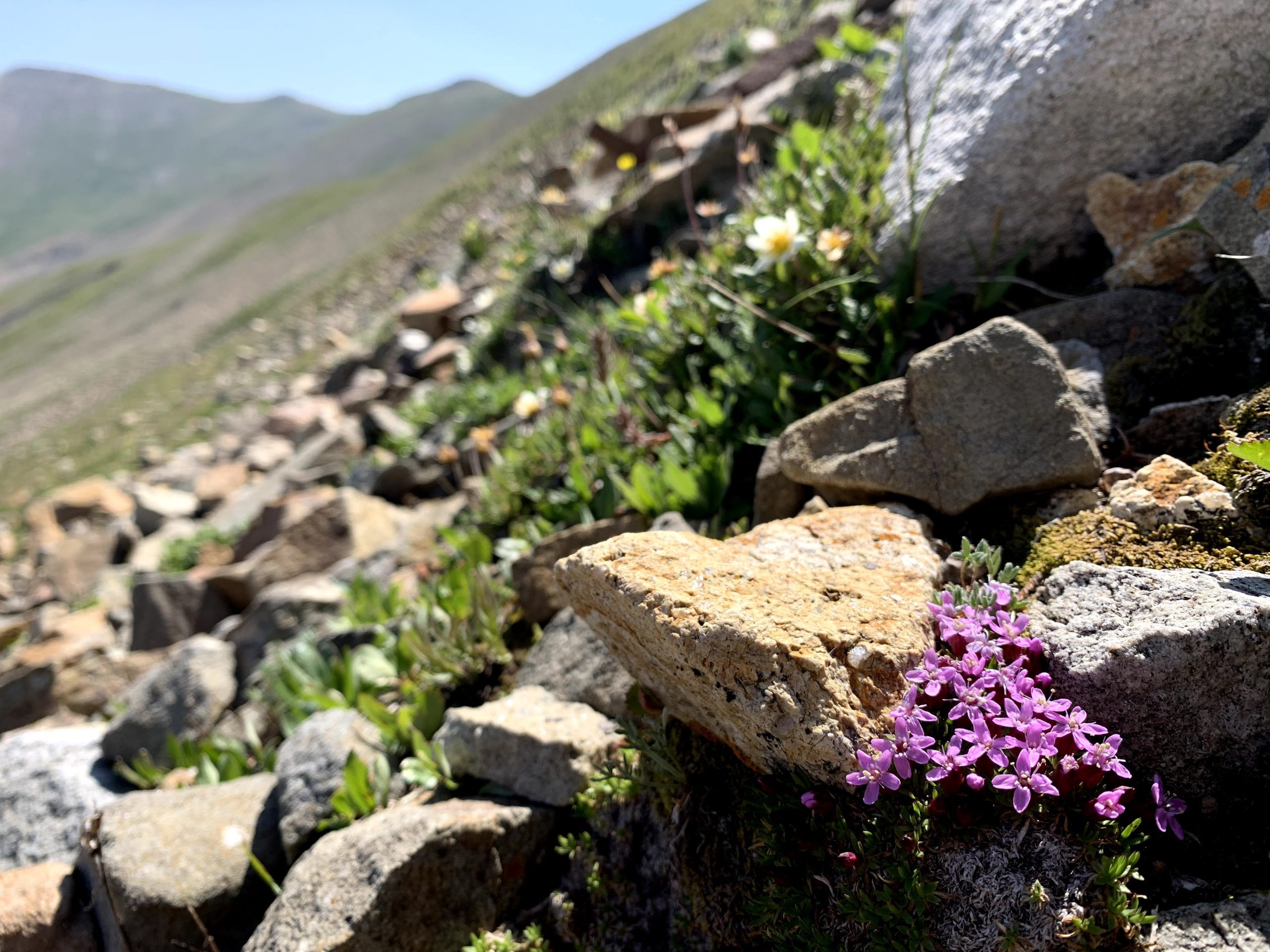
Moss Campion growing on a rocky slope - Betty Ford Alpine Gardens

Boulder Fields

Areas of large rocks usually at the base of steep cliffs. Although apparently bare these large rocks form shelter for many plants and animals.

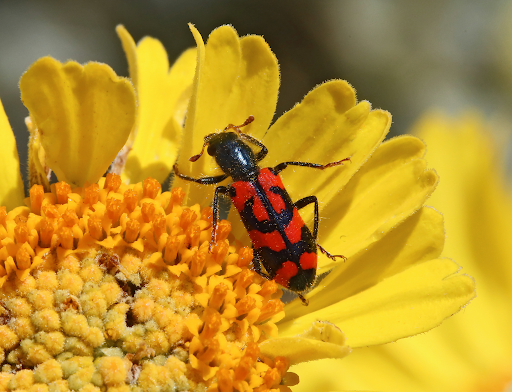
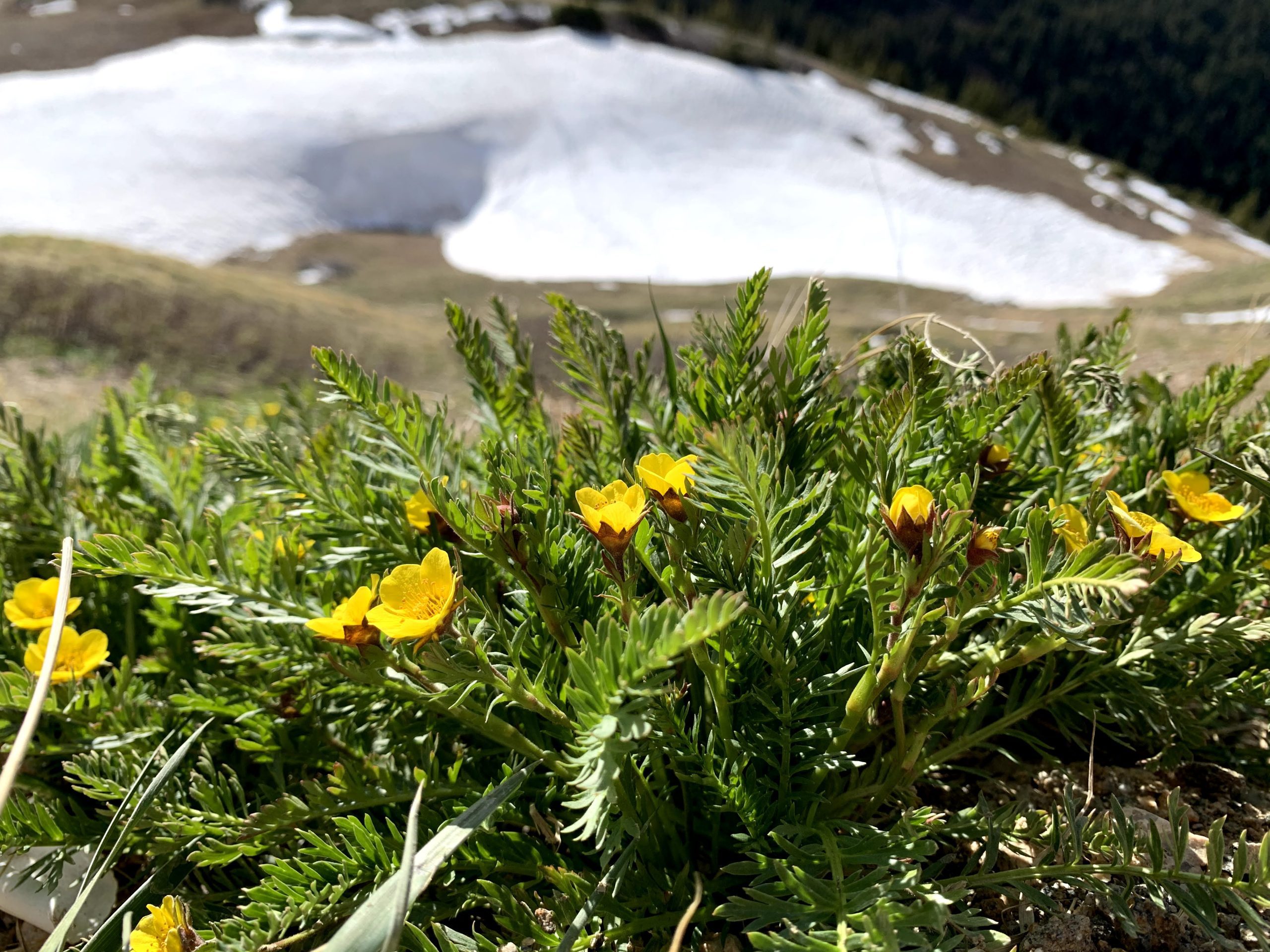
A bug sitting on a yellow flower

Talus

Talus is defined as a pile of rocks broken off from and found at the base of a cliff or steep slope.
Alpines of Colorado - Betty Ford Alpine Gardens

Fellfield

A Fellfield is an open area on windy slopes or ridges at very high altitudes or at latitudes where the dynamics of frost (freeze and thaw cycles) and wind is too cold and dry for anything but sparse, low-growing plants amid the scree of rocks and bare soil.

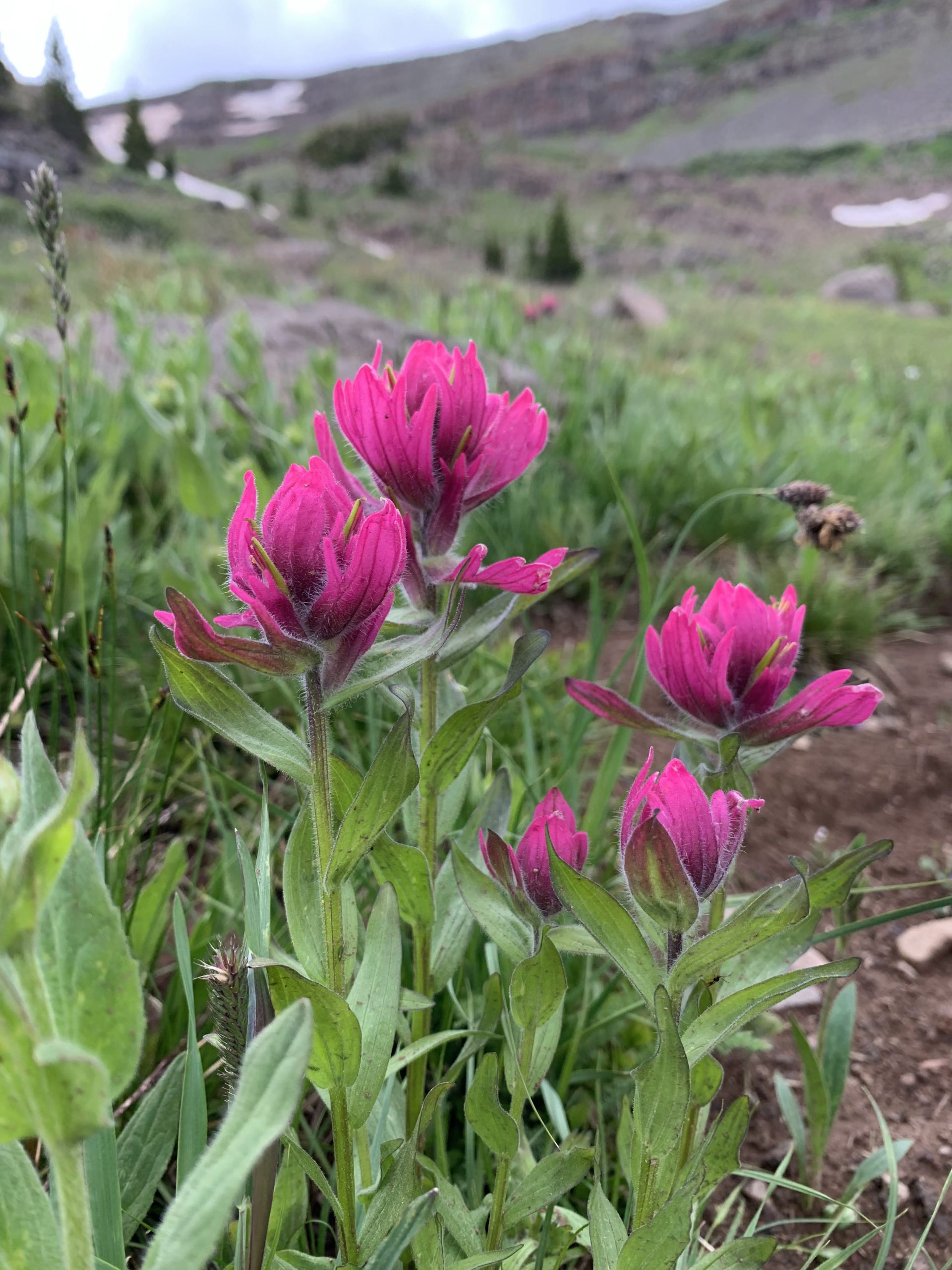
Pink Spitleaf Paintbrush flowers against an alpine backdrop - Betty Ford Alpine Gardens

Alpine Turf MeadoW

Found on gentle to moderate slopes, flat ridges, valleys, and basins where the soil has become relatively stabilized and the water supply is more or less constant. Vegetation in these areas is controlled by snow retention, wind desiccation, permafrost, and a short growing season. Although alpine dry tundra is the matrix of the alpine zone, it typically intermingles with alpine bedrock and scree, ice field, fell-field, alpine dwarf-shrubland, and alpine/subalpine wet meadow systems. (Source: NatureServe)

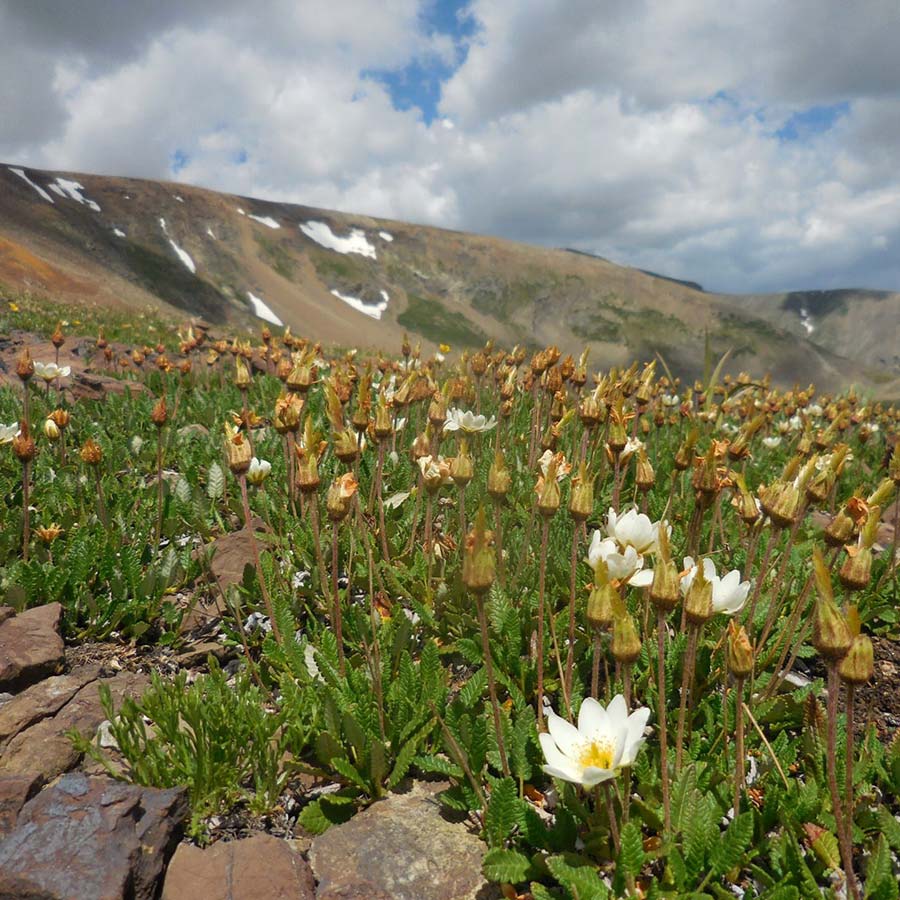
Alpine Avens - Betty Ford Alpine Gardens

Alpine snowbeds

Alpine snowbeds form in bowls or depressions that gather large amounts of snow and the final snowmelt does not occur until late in the growing season. Many plant species preferentially grow in snowbed habitats and some of these are even restricted to these habitats.

Pollinators

Not surprisingly wind is an important pollinator on the alpine tundra but some hardy insects also play an important role. Some of these insects have made significant adaptations specific to certain flowers.

Similar to other ecosystems there are pollinators that have specialized adaptations to pollinate plants growing in the alpine.

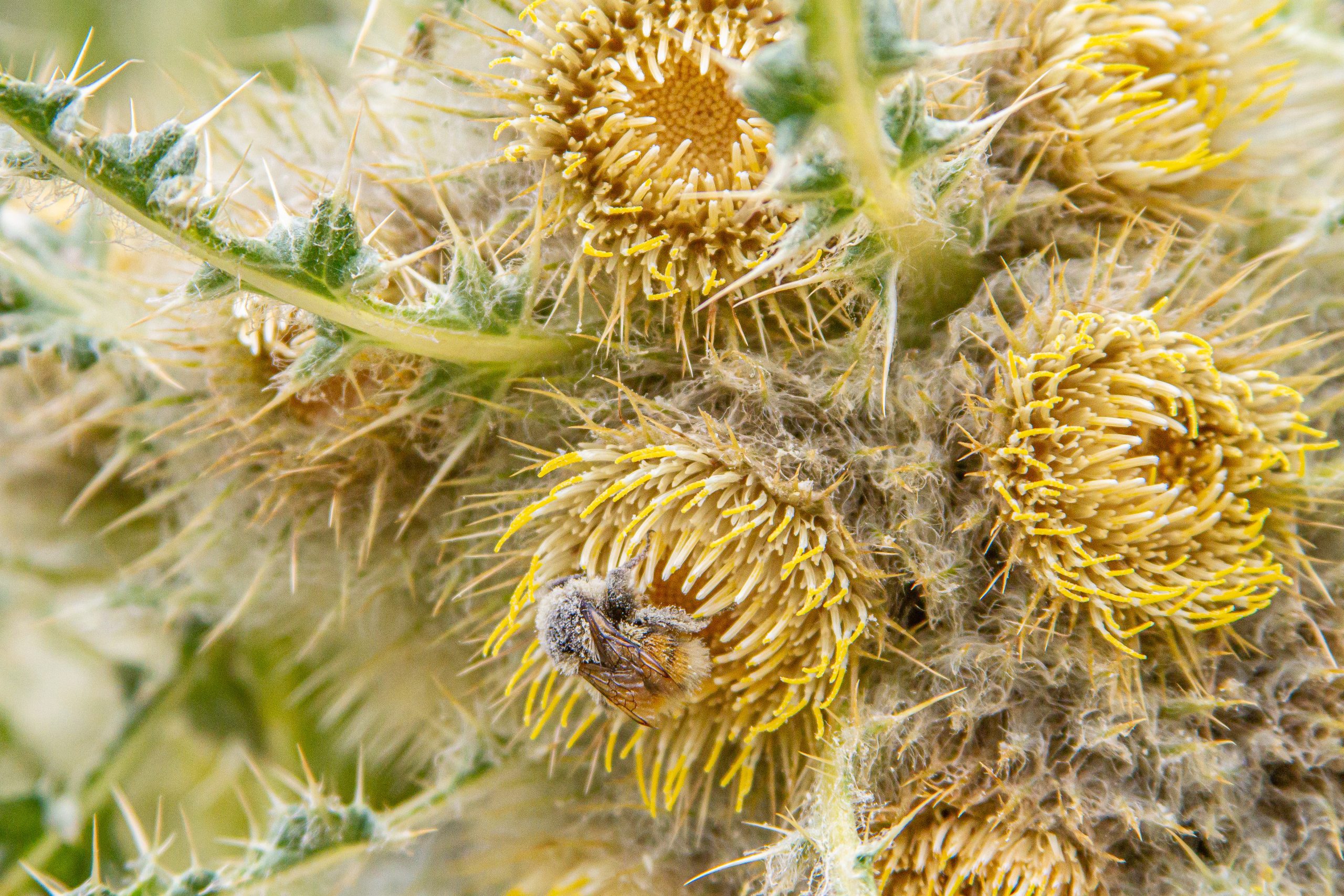
Cirsium Funkaie Bee - Betty Ford Alpine Gardens

Bees

One of the most important pollinators in the alpine, bees are specially adapted with different tongue lengths to pollinate specific alpine flowers.

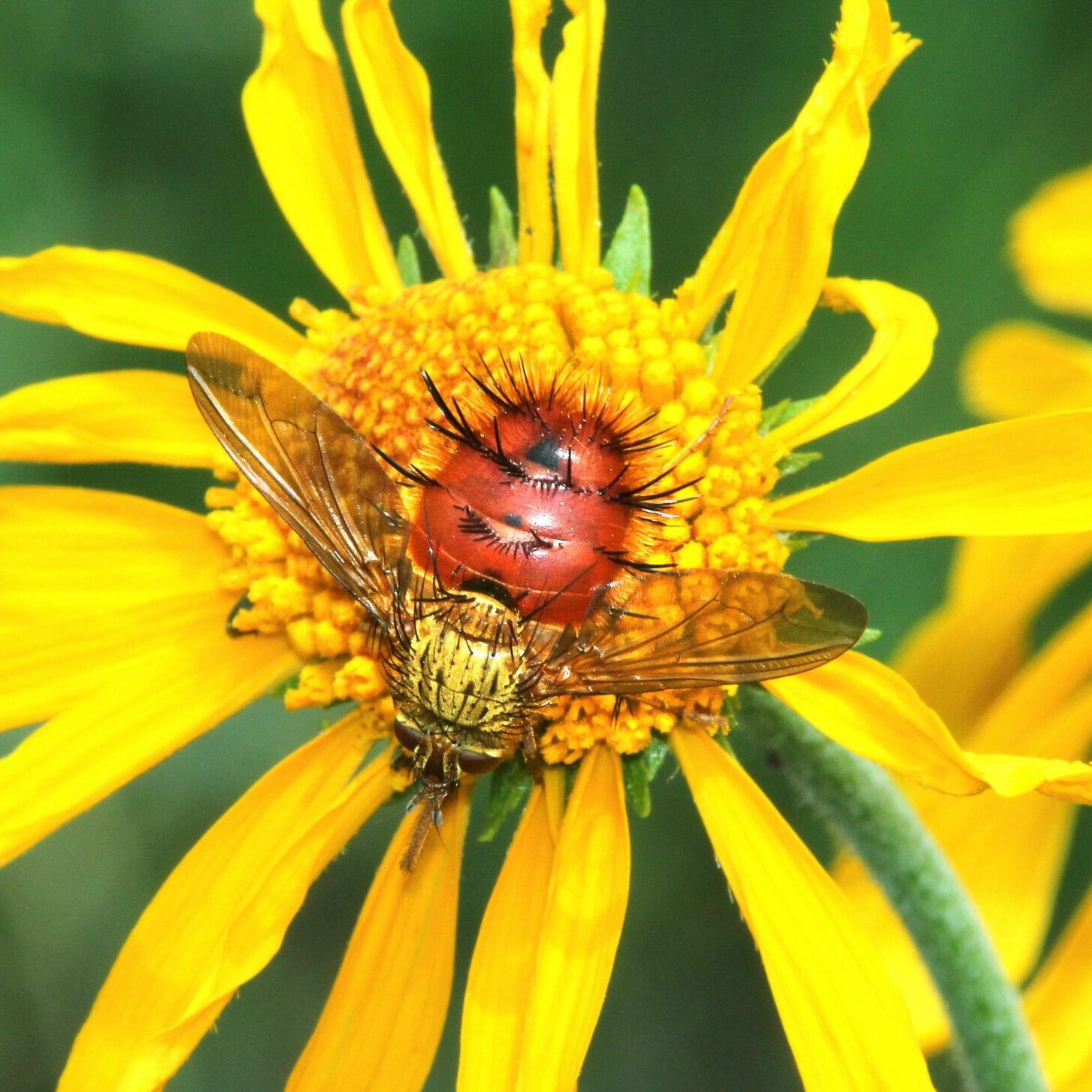
Adajeania Vexatrix Fly Pollinating Yellow Flower - Betty Ford Alpine Gardens | NAGB Alpine Strategy

Flies

A few of the alpine flowers have an extremely strong scent, not always pleasant. These may be an indicator that they are pollinated by flies.

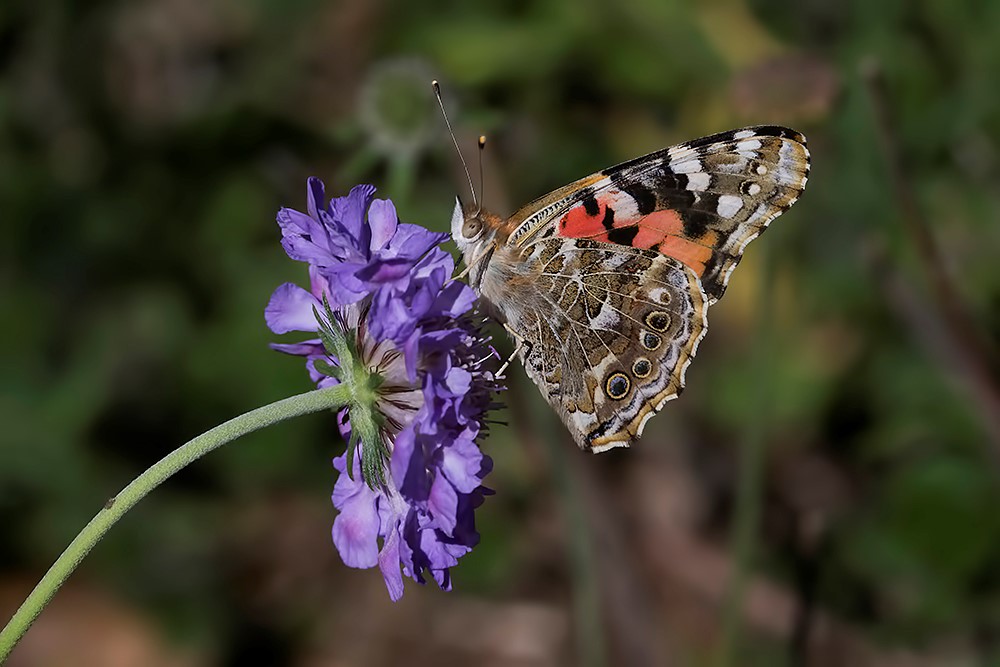
Painted Lady Butterfly - Betty Ford Alpine Garden

Butterflies

Butterflies are important alpine pollinators, using their long, slender proboscises to reach nectar deep within flowers while carrying pollen from bloom to bloom as they feed.

Alpine Areas of the World

Since alpine areas occur wherever the climate is too harsh to support tree life they occur all over the planet. From mountain summits to the arctic tundra the existence of alpine ecosystems is dependent upon latitude, altitude and also the proximity of ocean currents. From the Alaskan arctic tundra to the Himalayas to the southern tip of Patagonia, all of these areas are too extreme for trees to grow.

Pin It on Pinterest