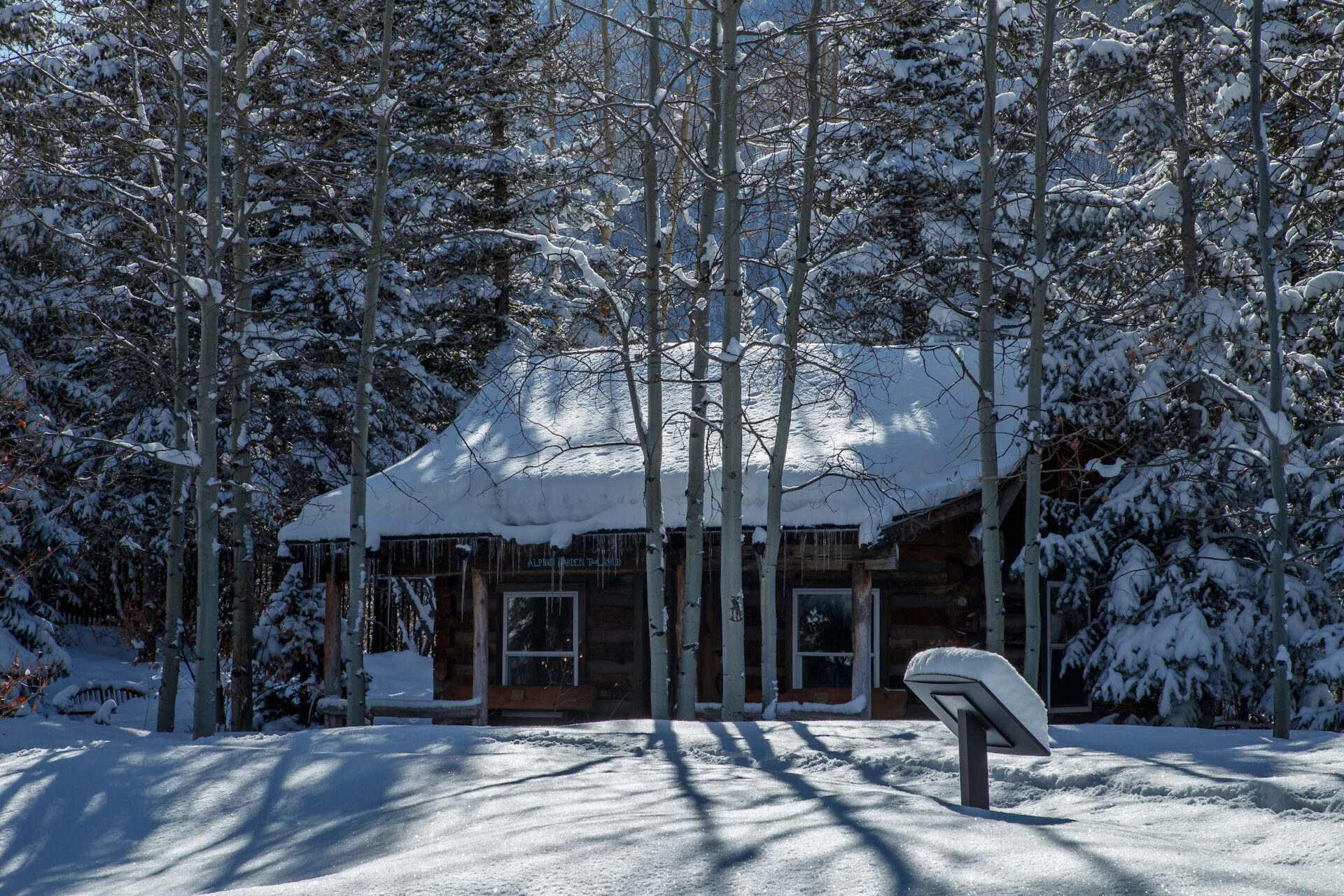
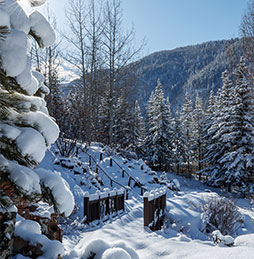
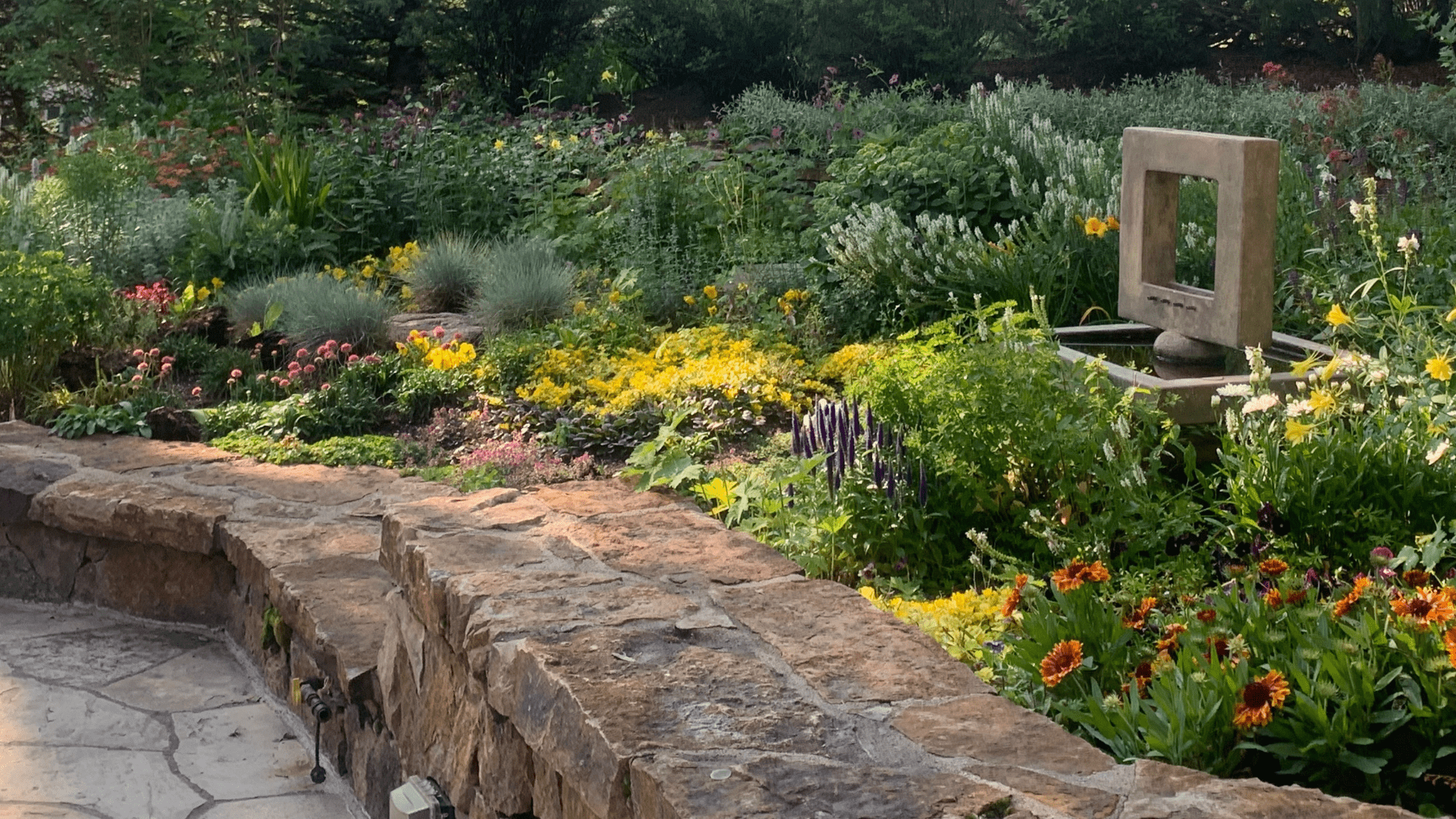
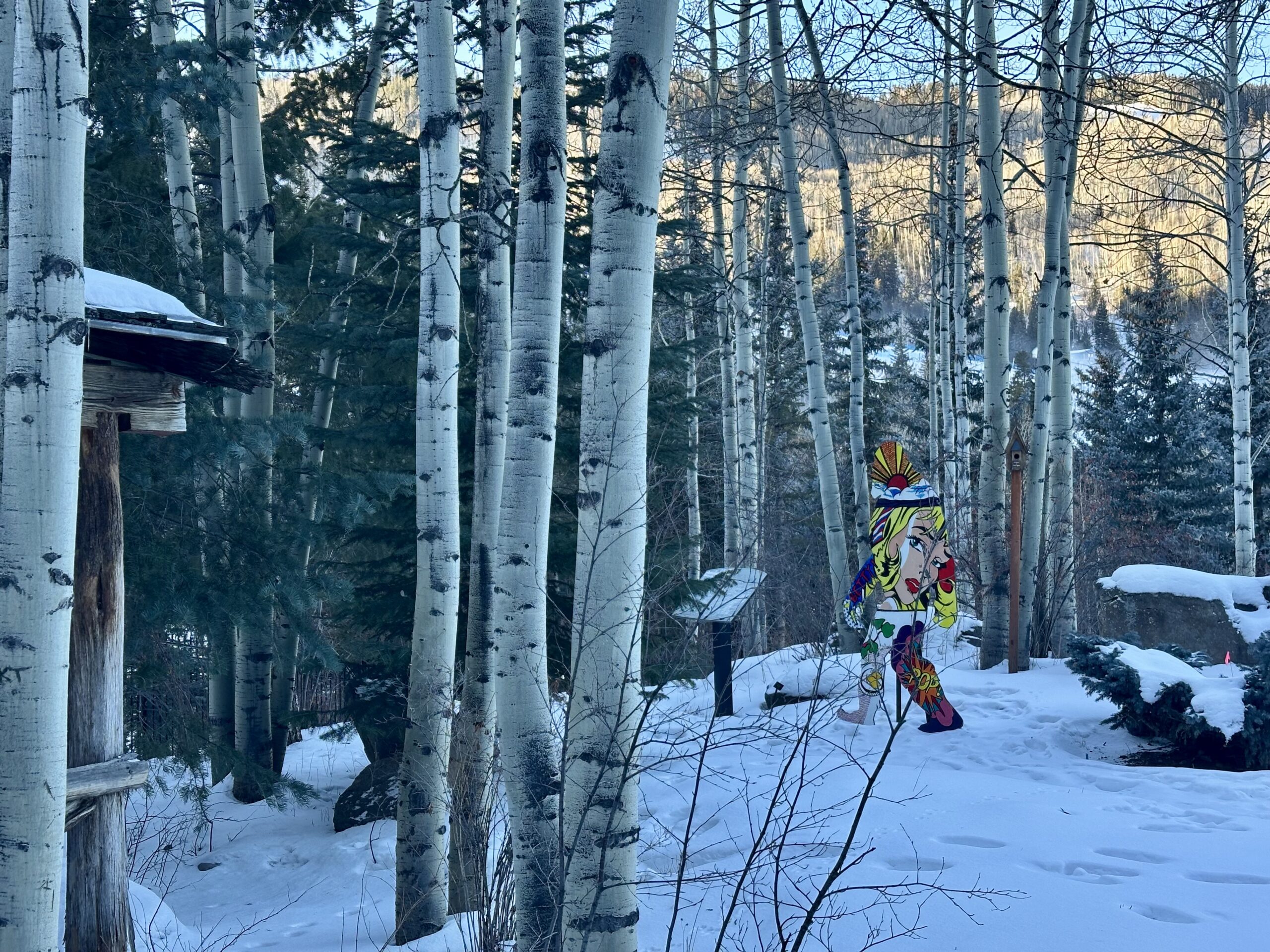







Garden Photos

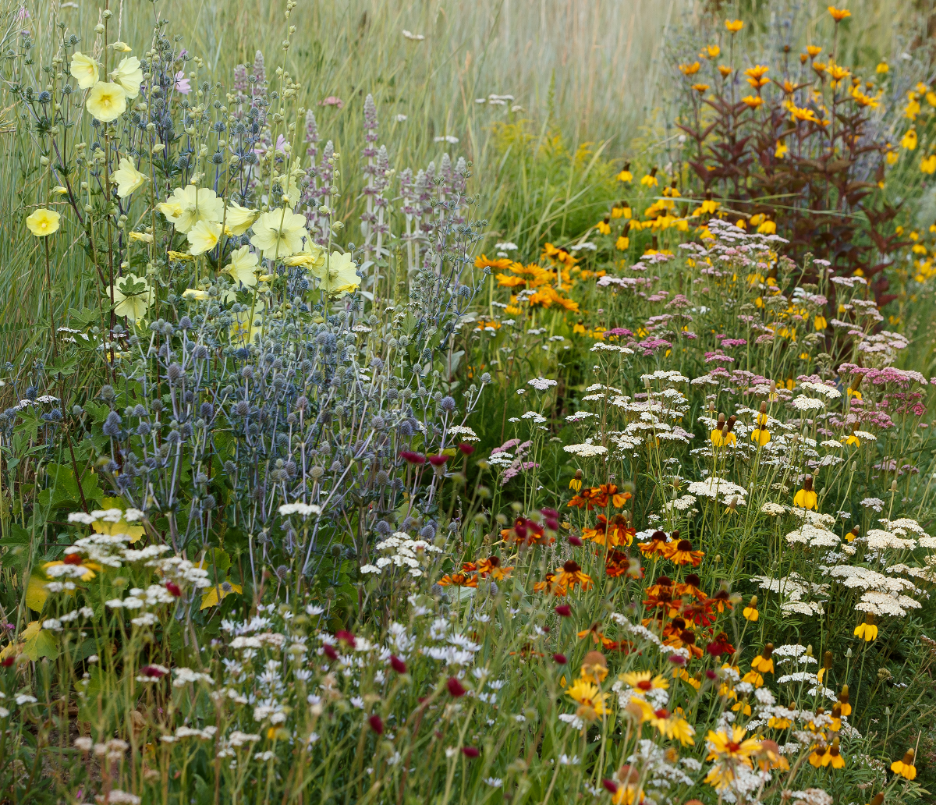
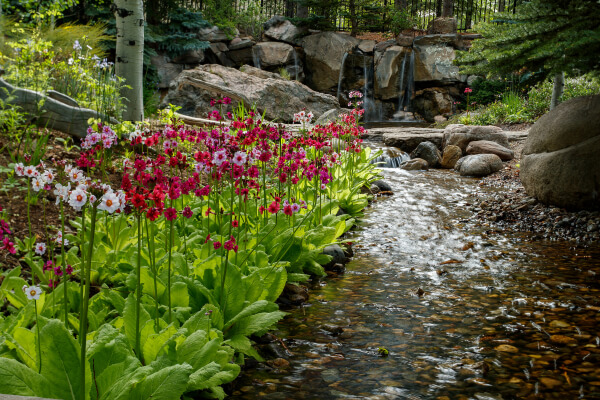
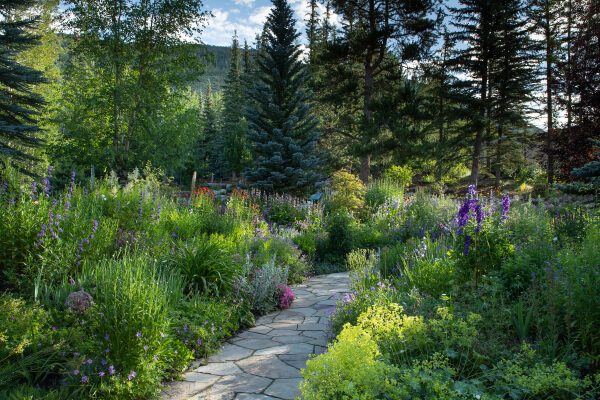
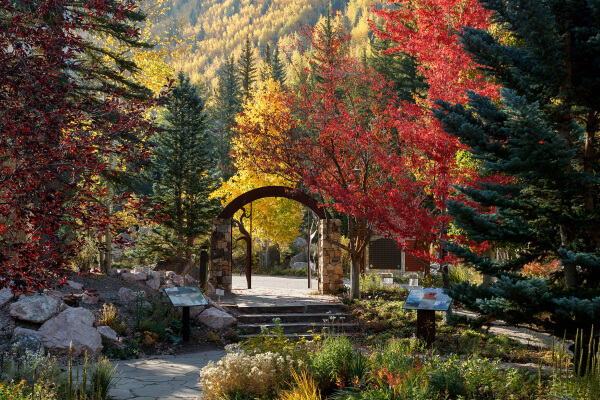
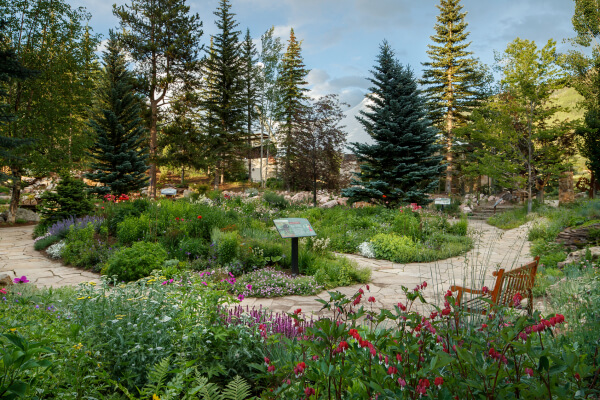
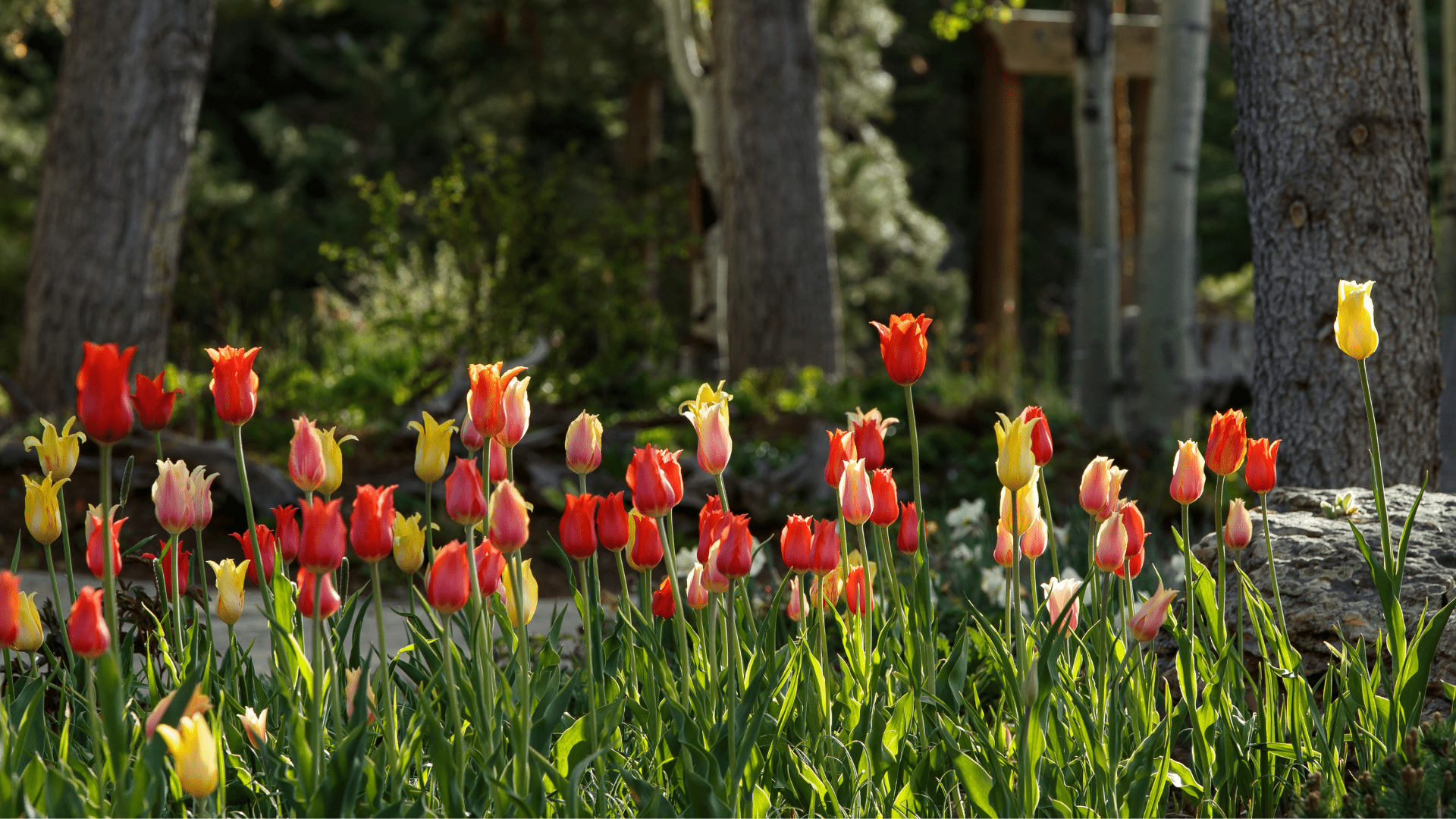
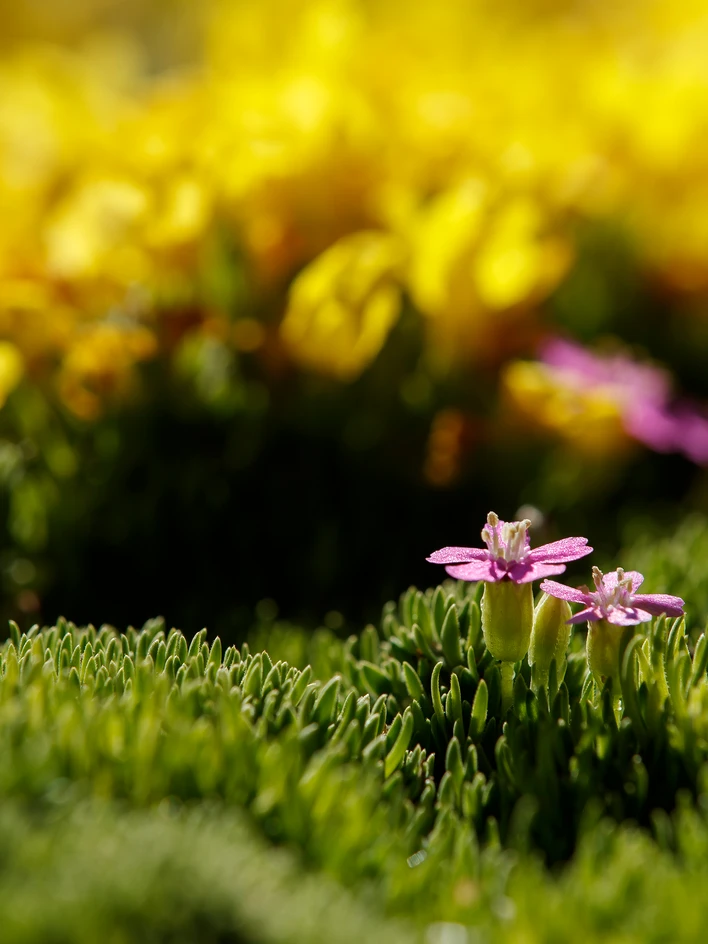
A jewel box of color

Home > Gardens > Photo Gallery

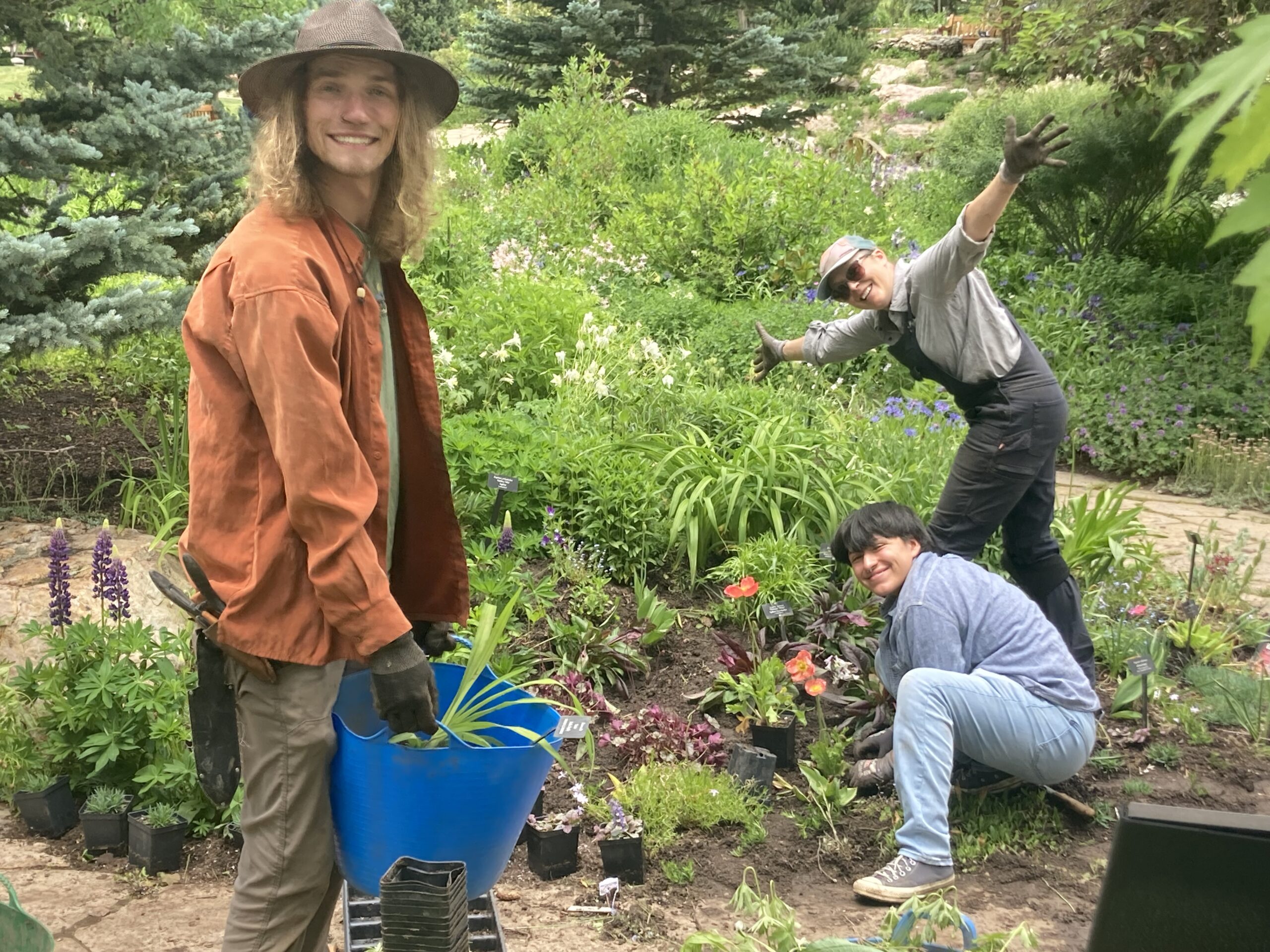
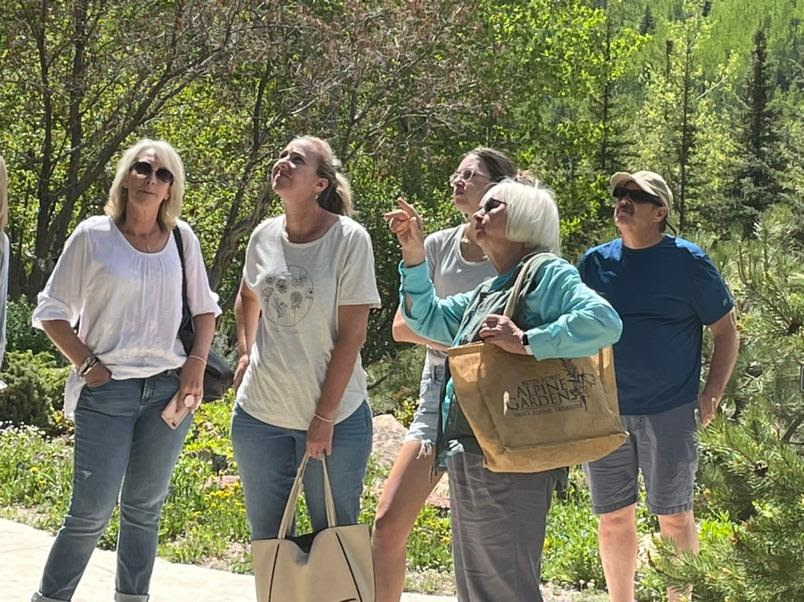
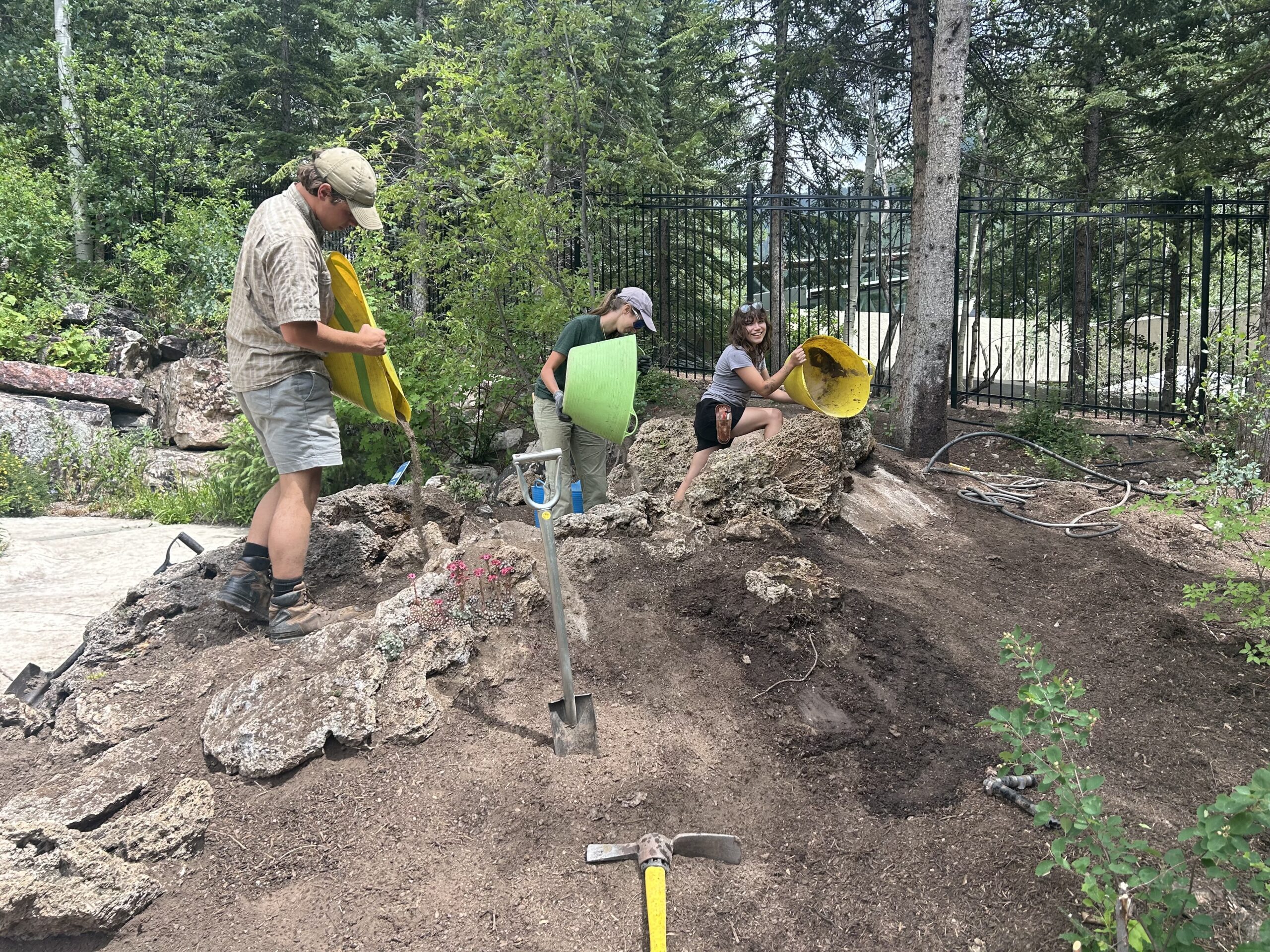
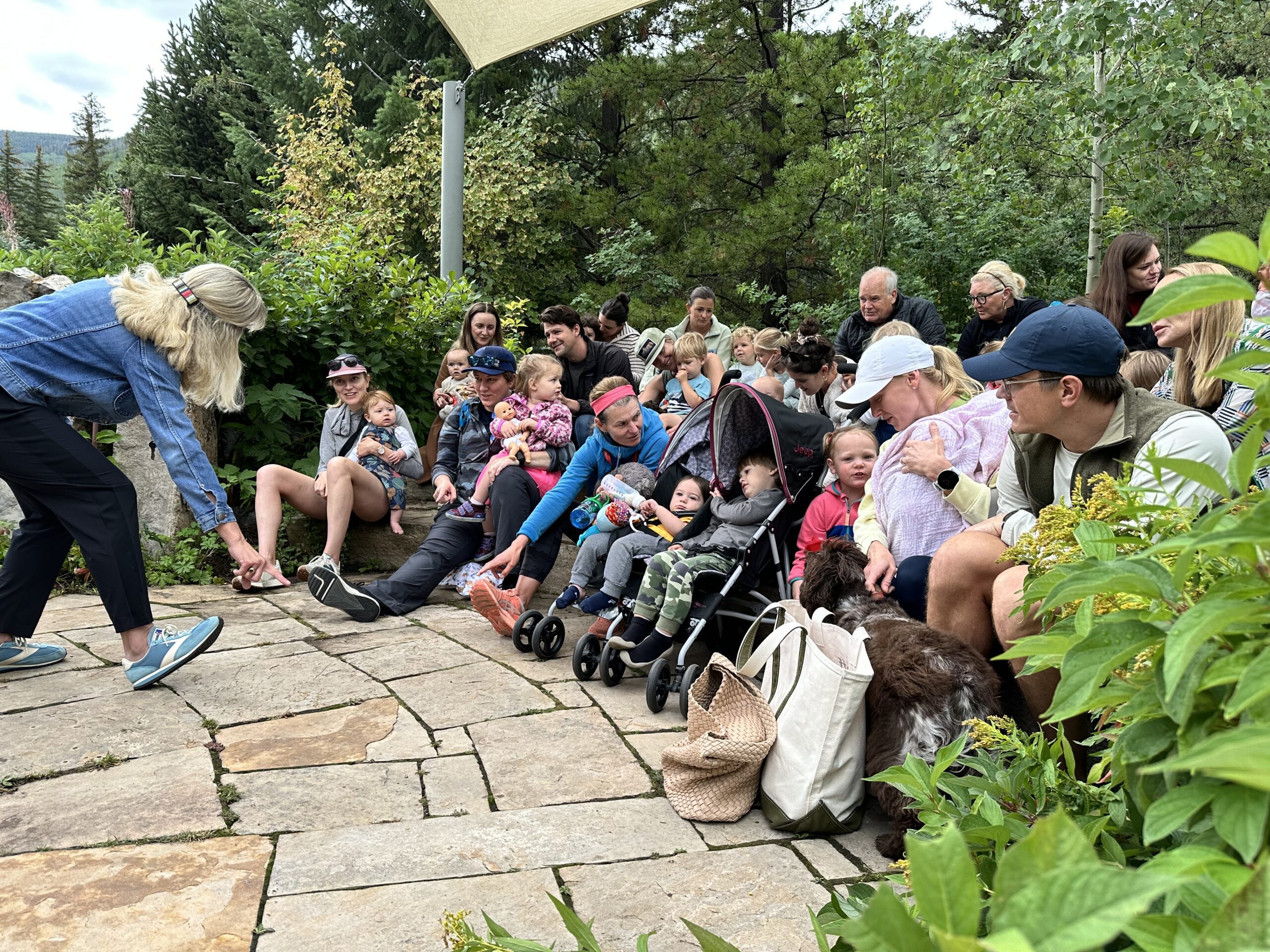
Garden Photos

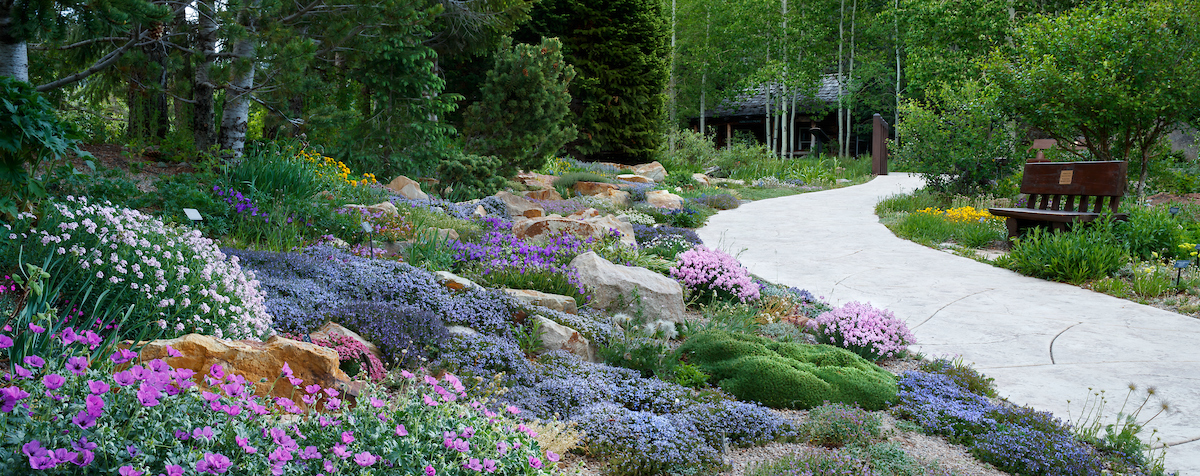
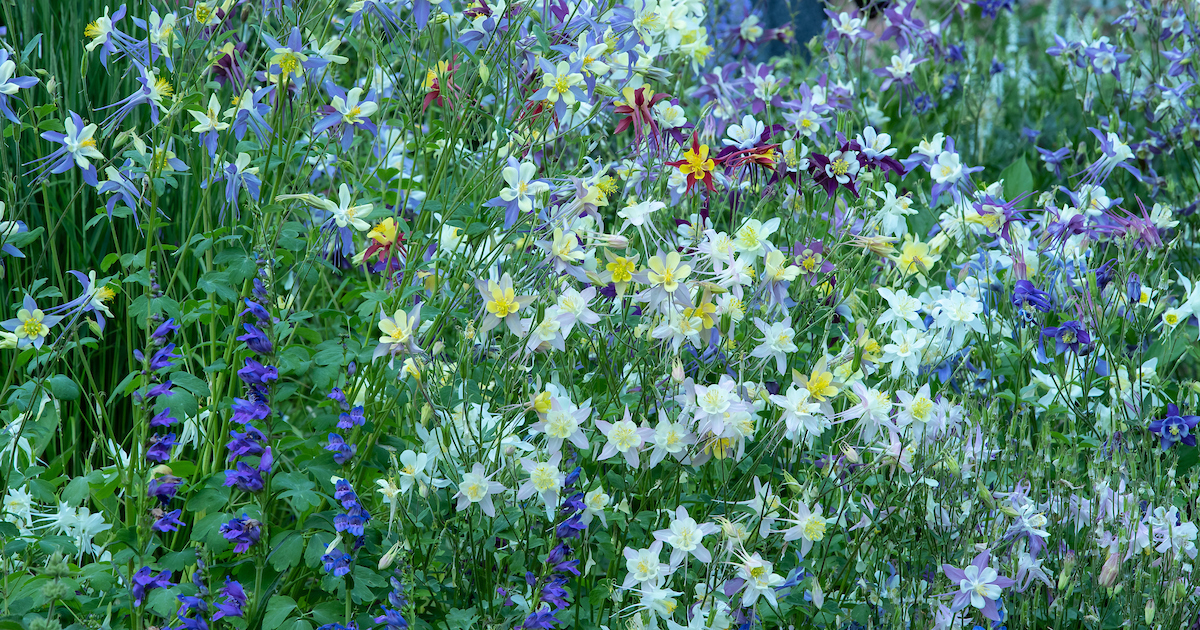
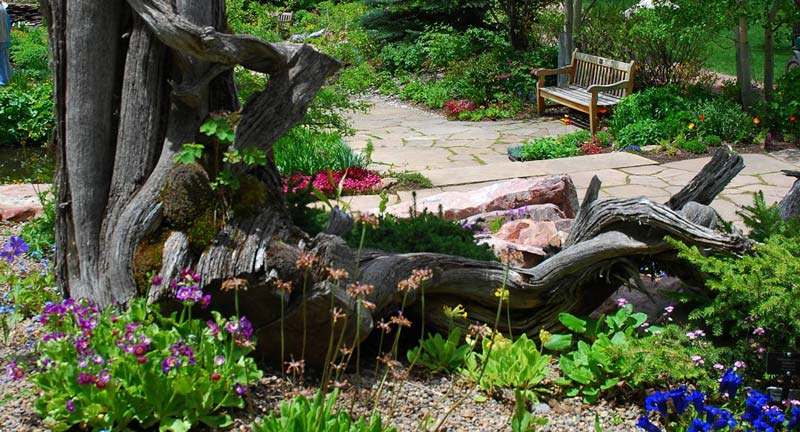
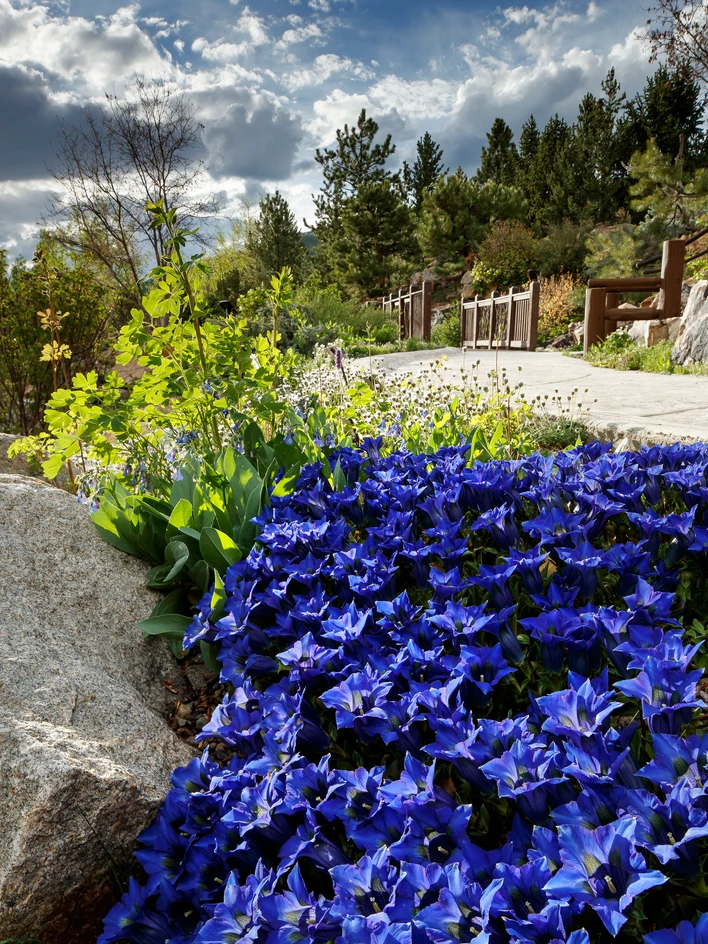
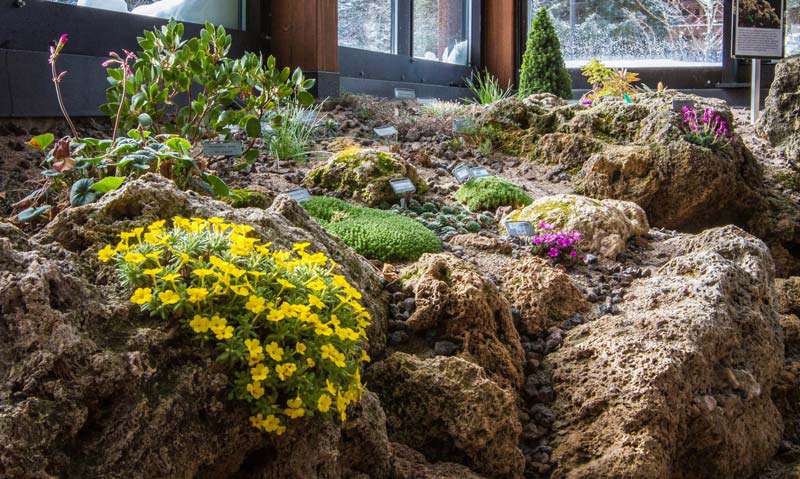
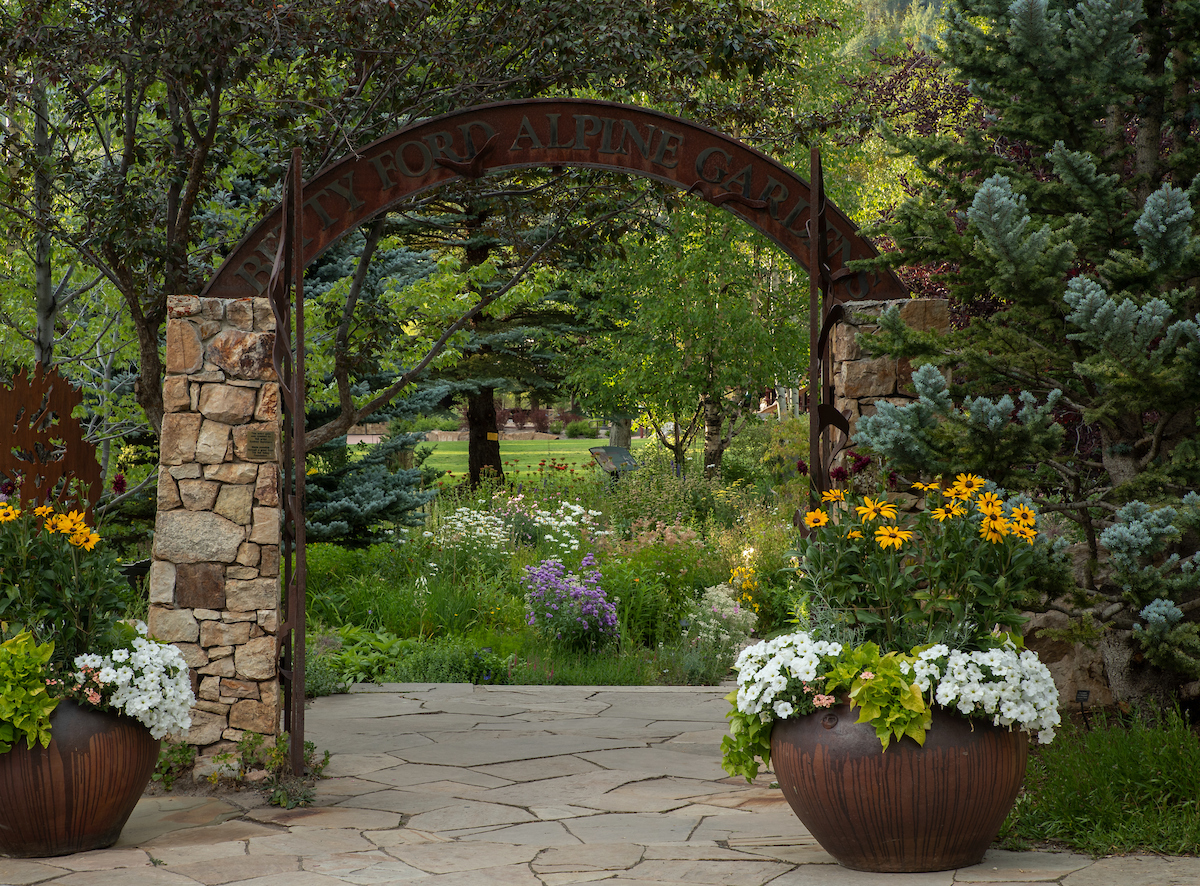
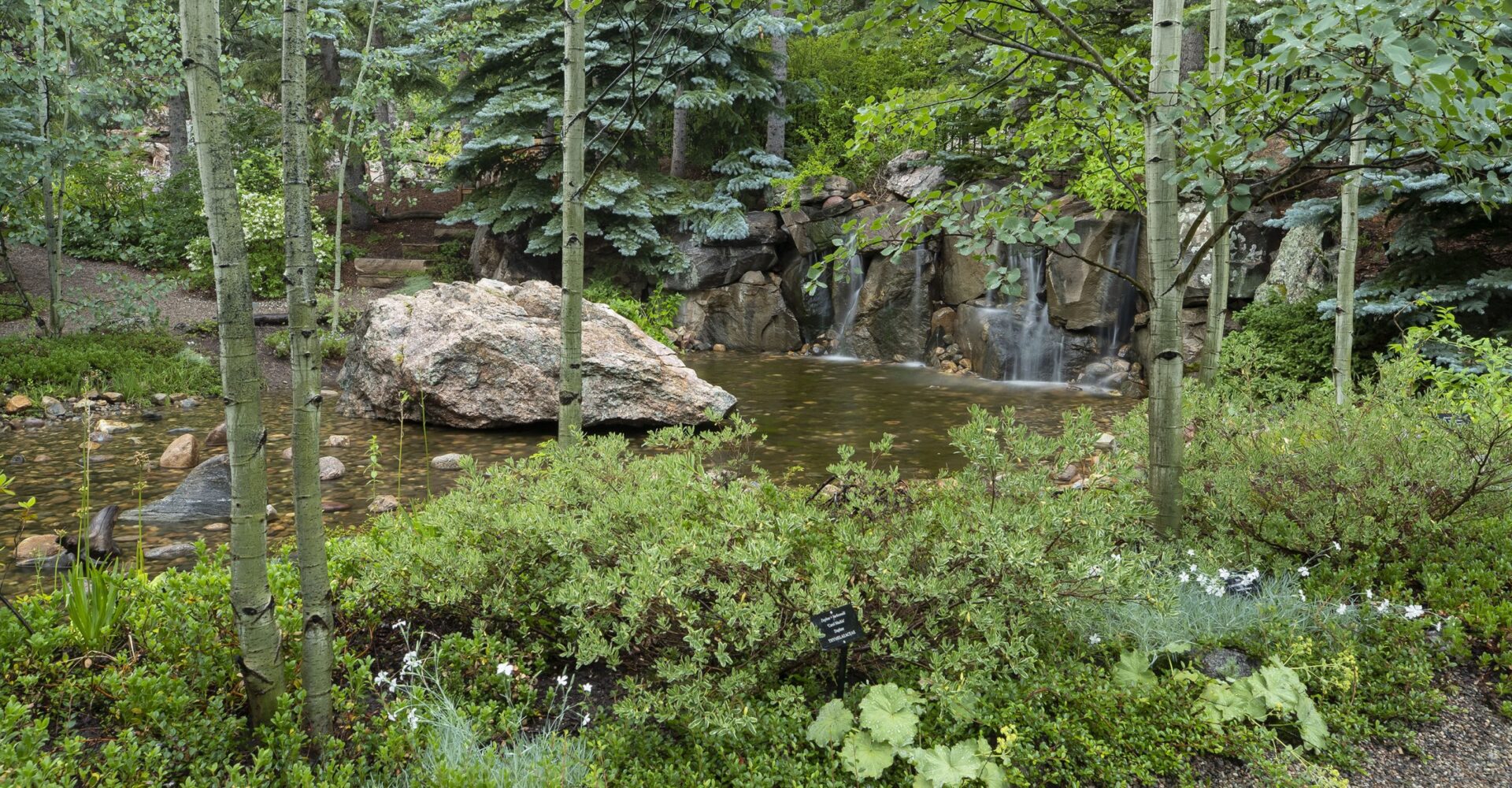
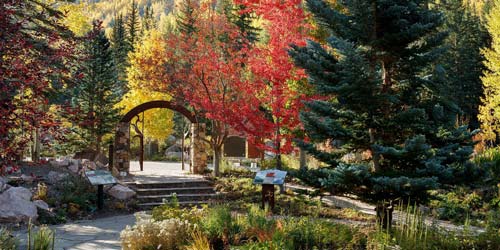
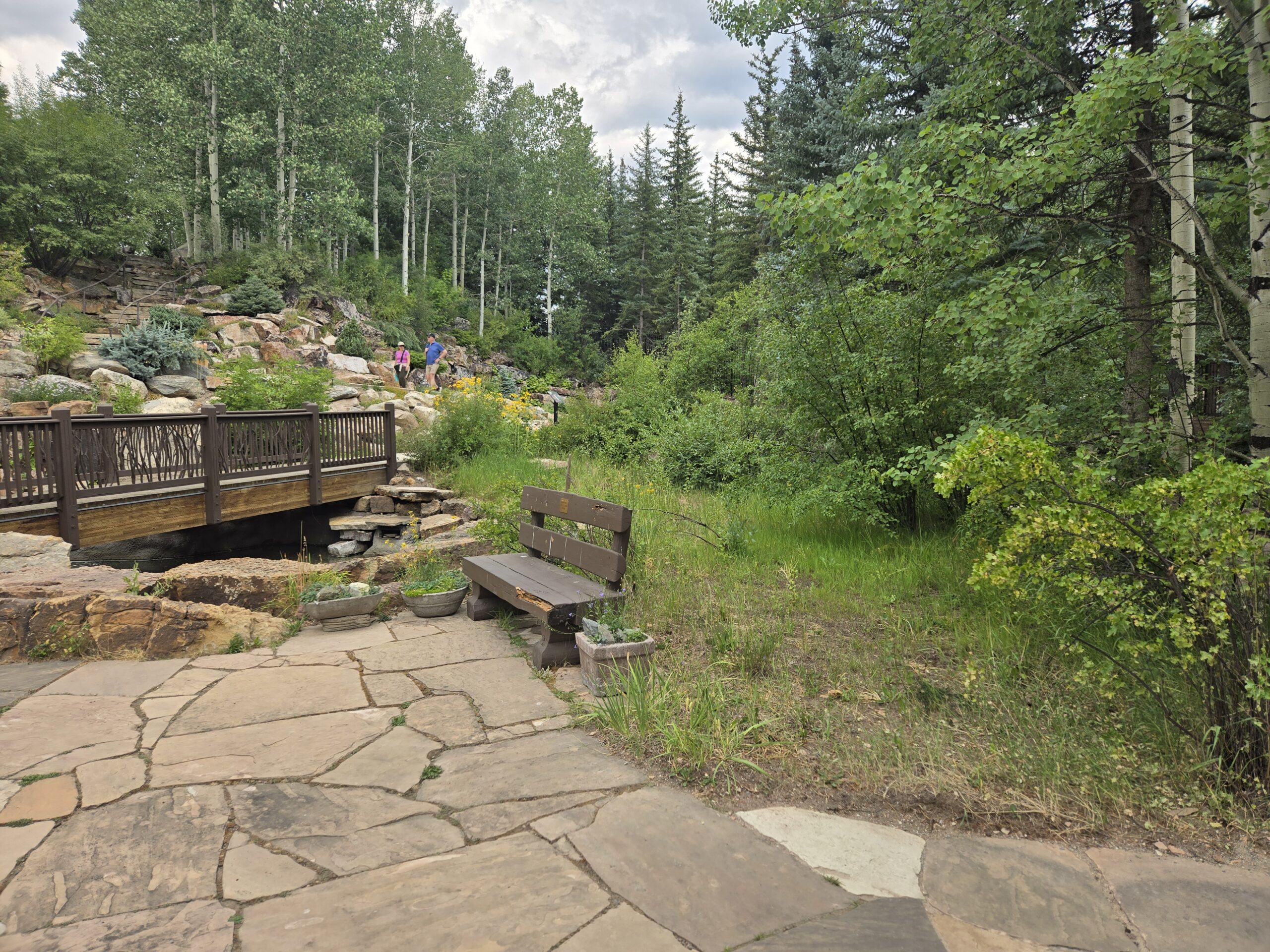
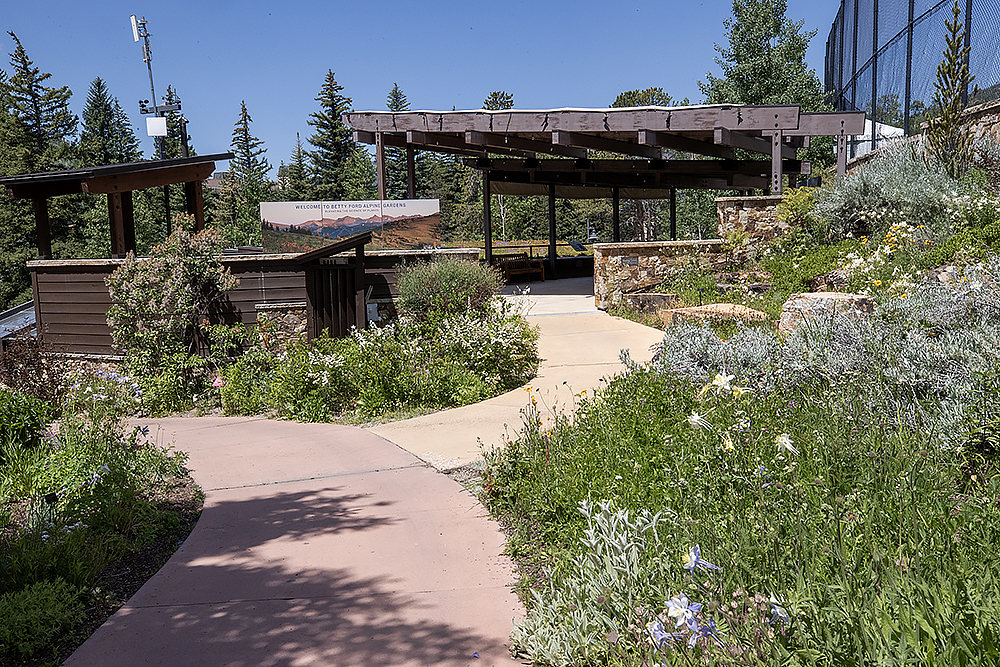
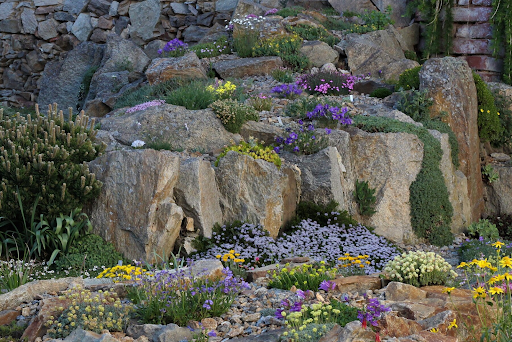
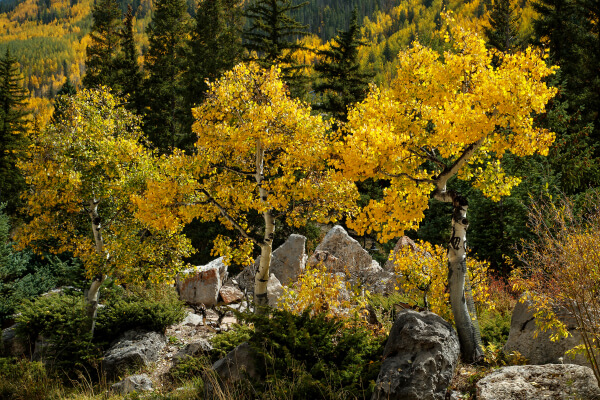
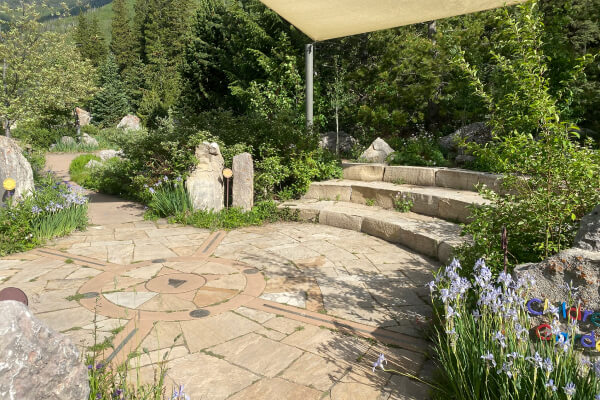
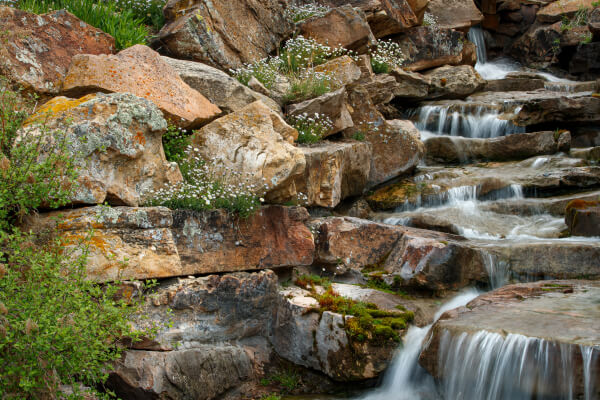
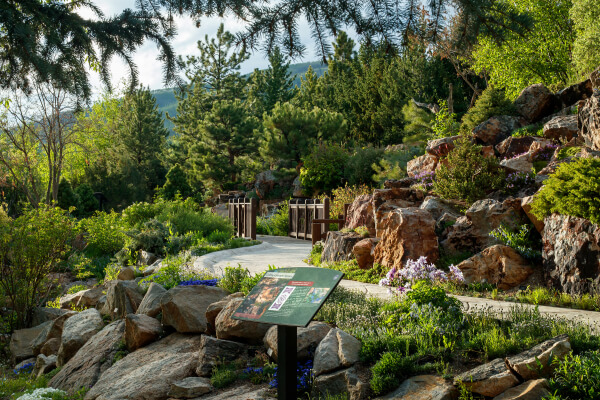
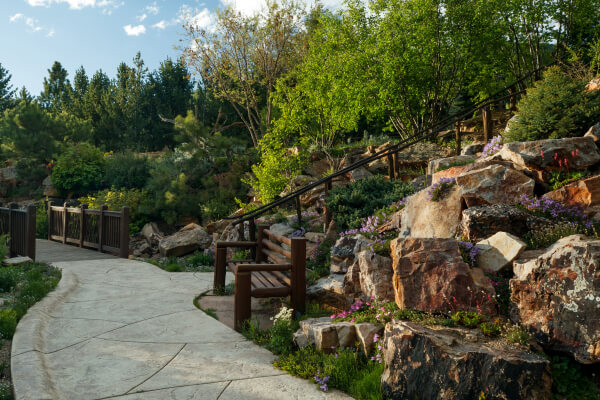
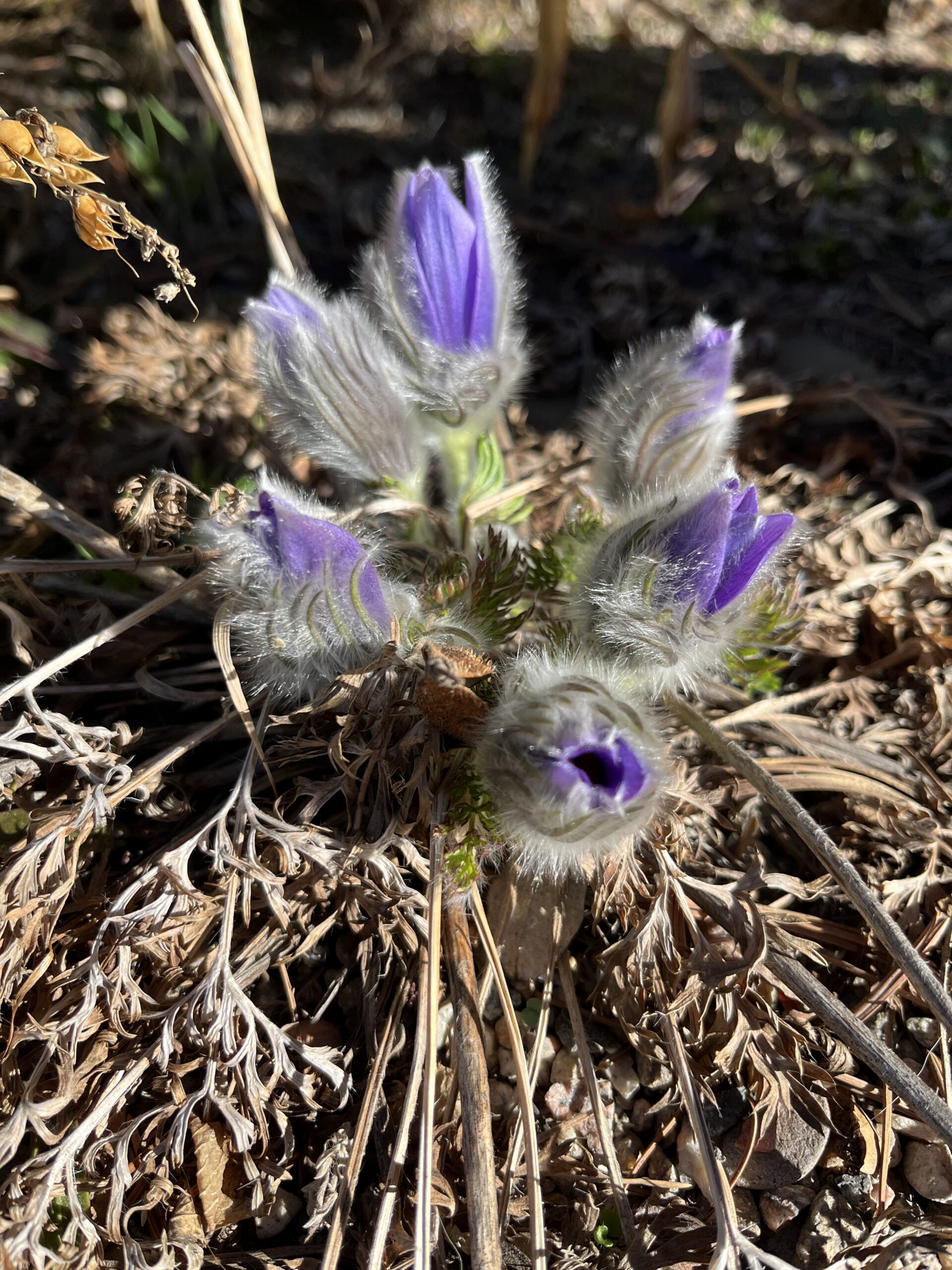
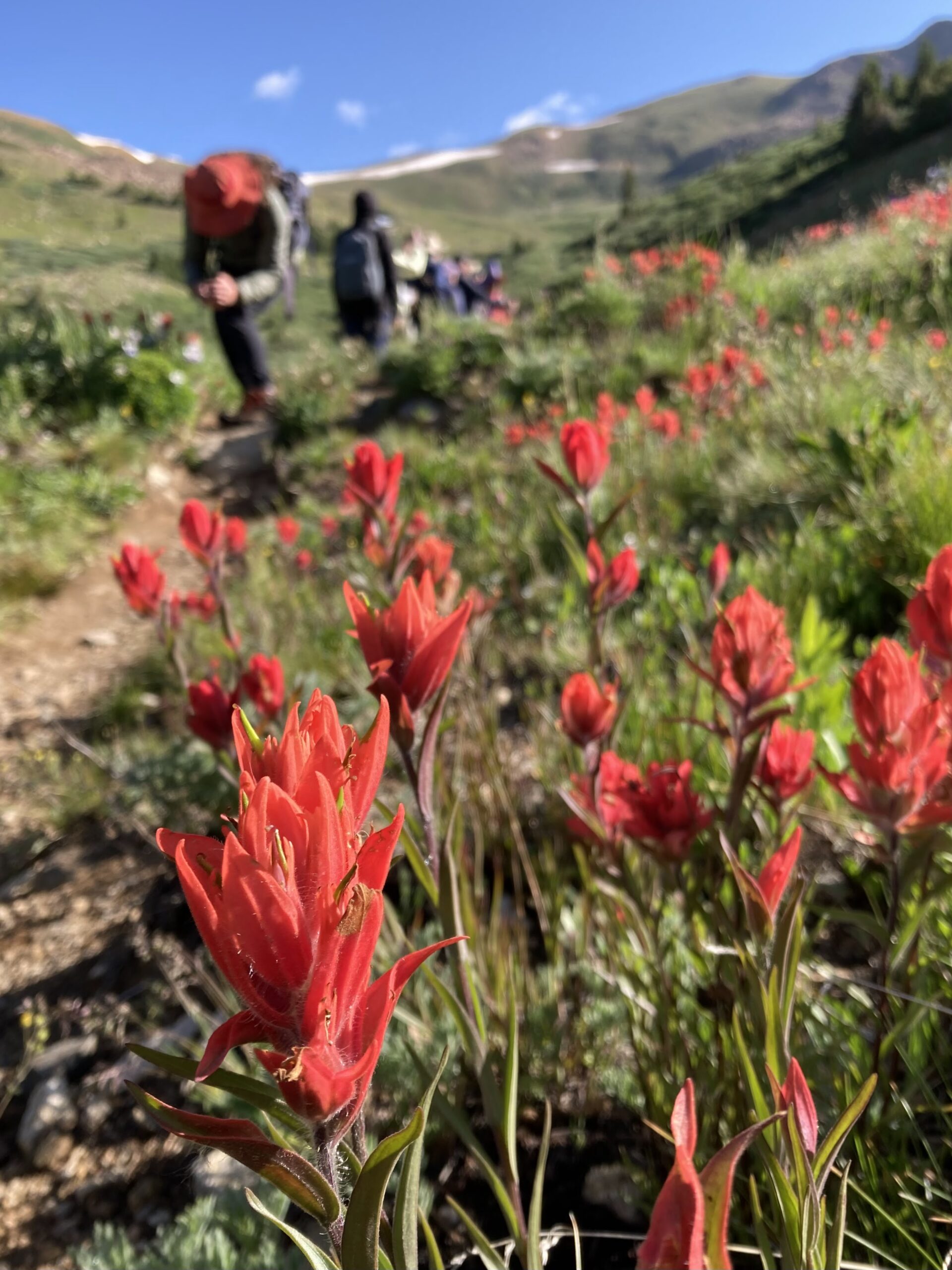
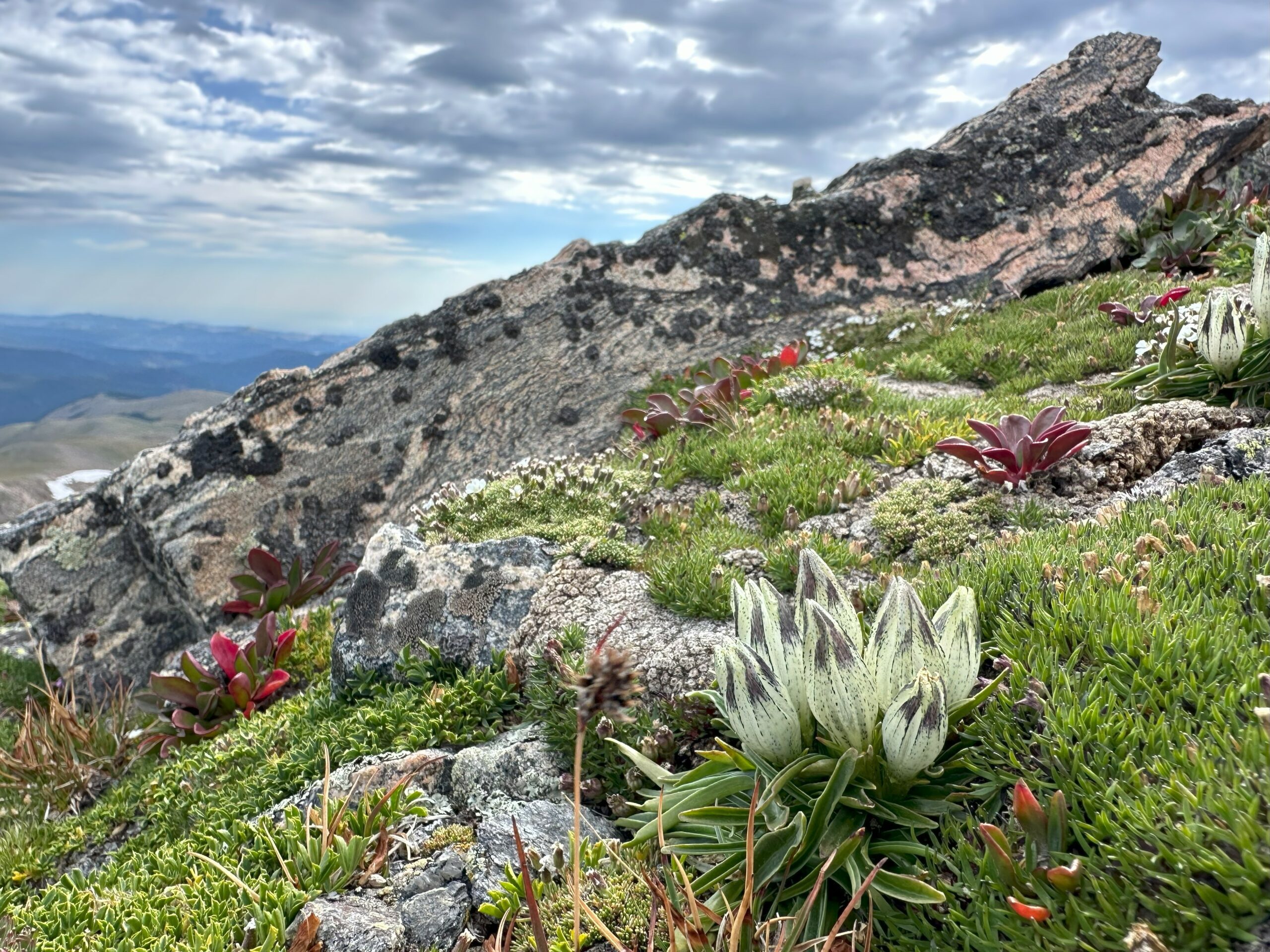
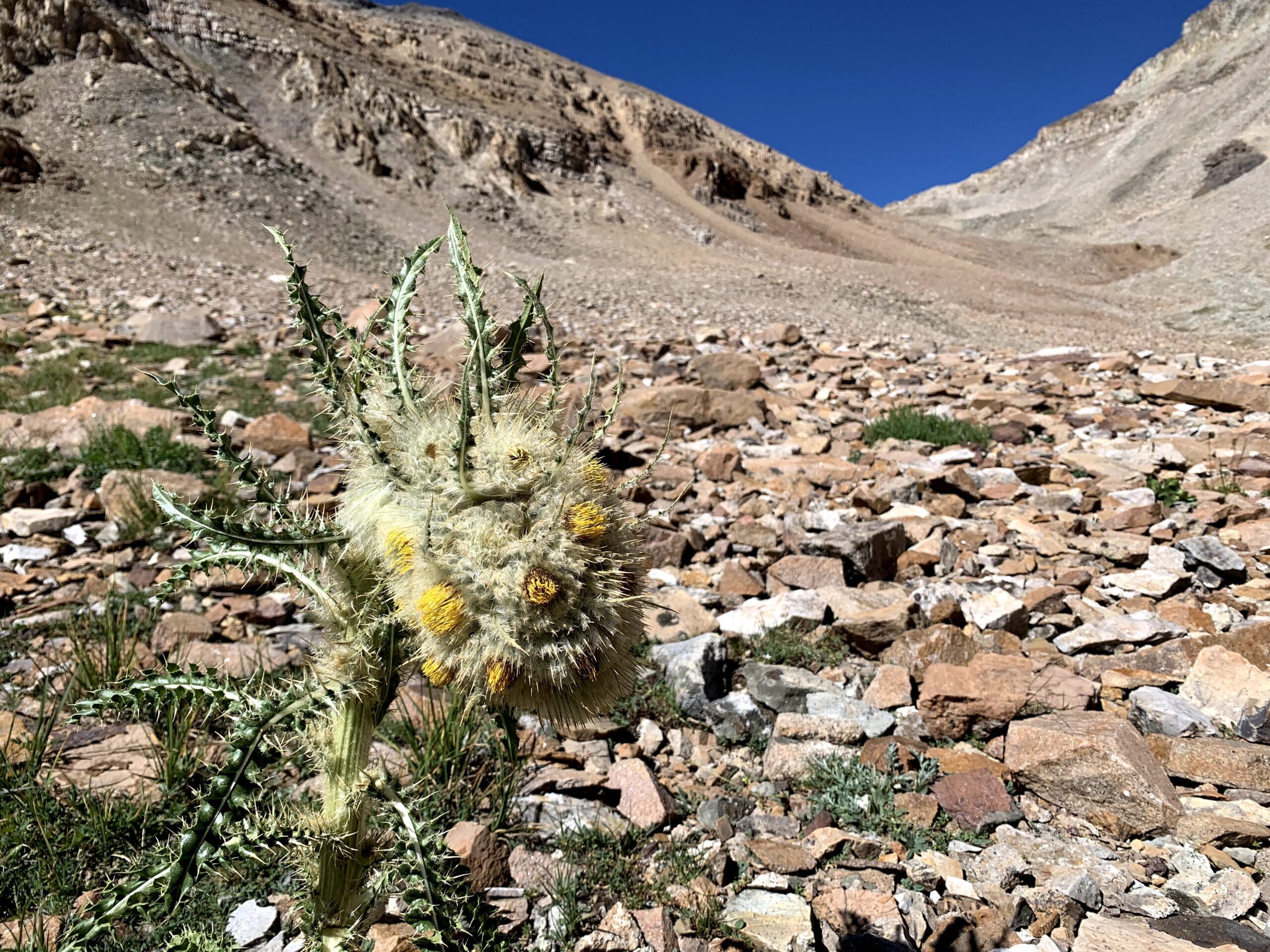
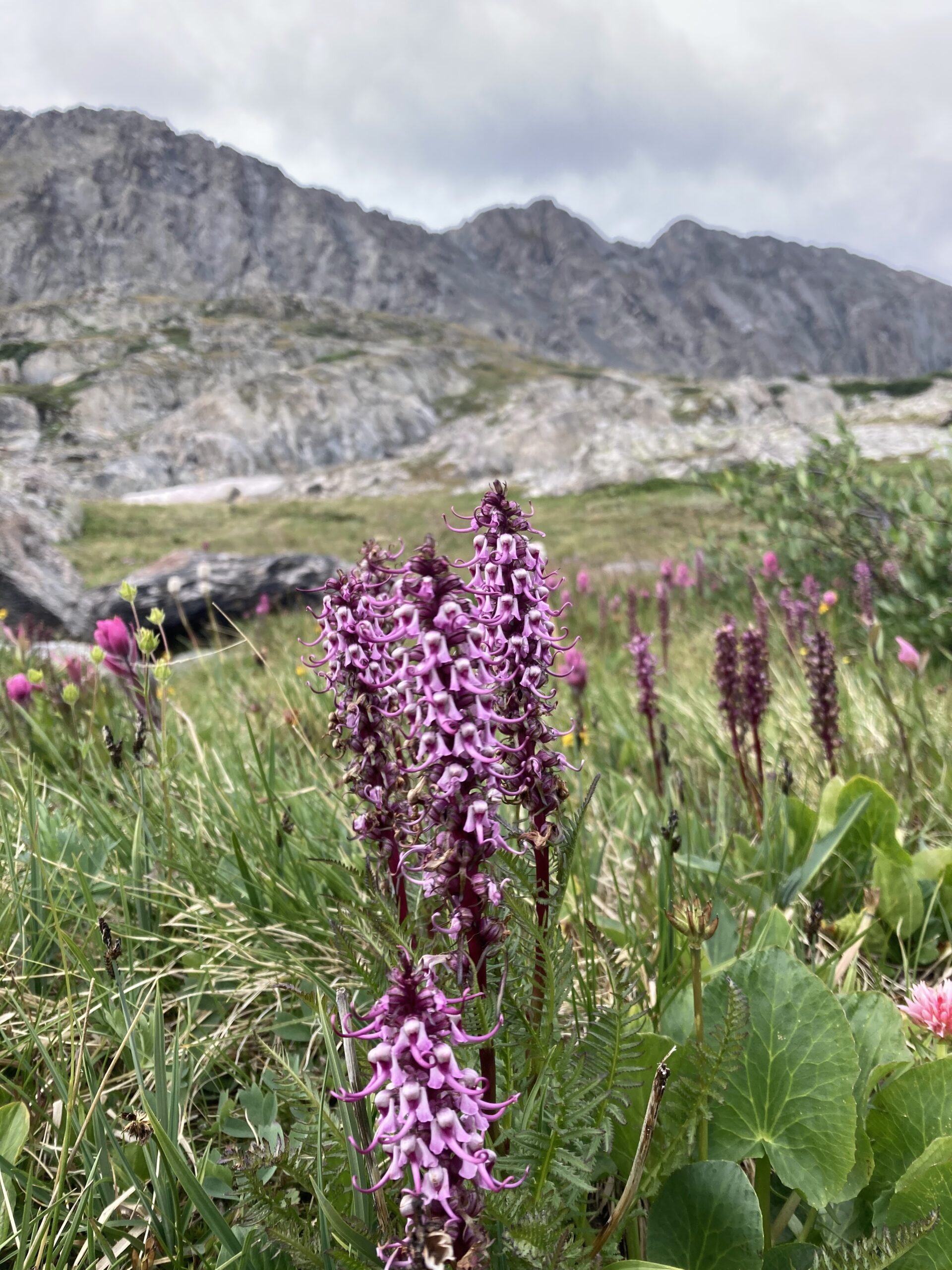
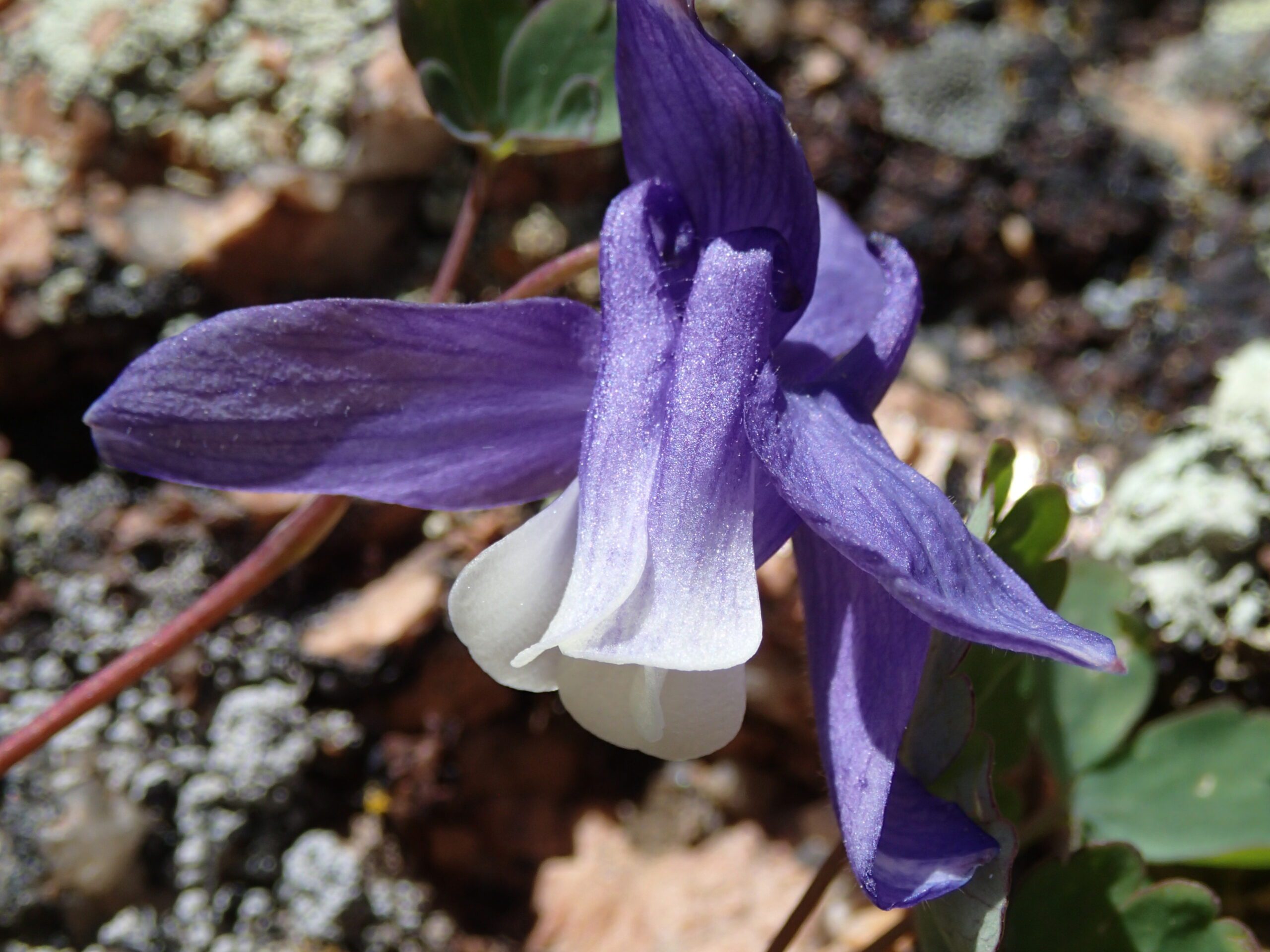
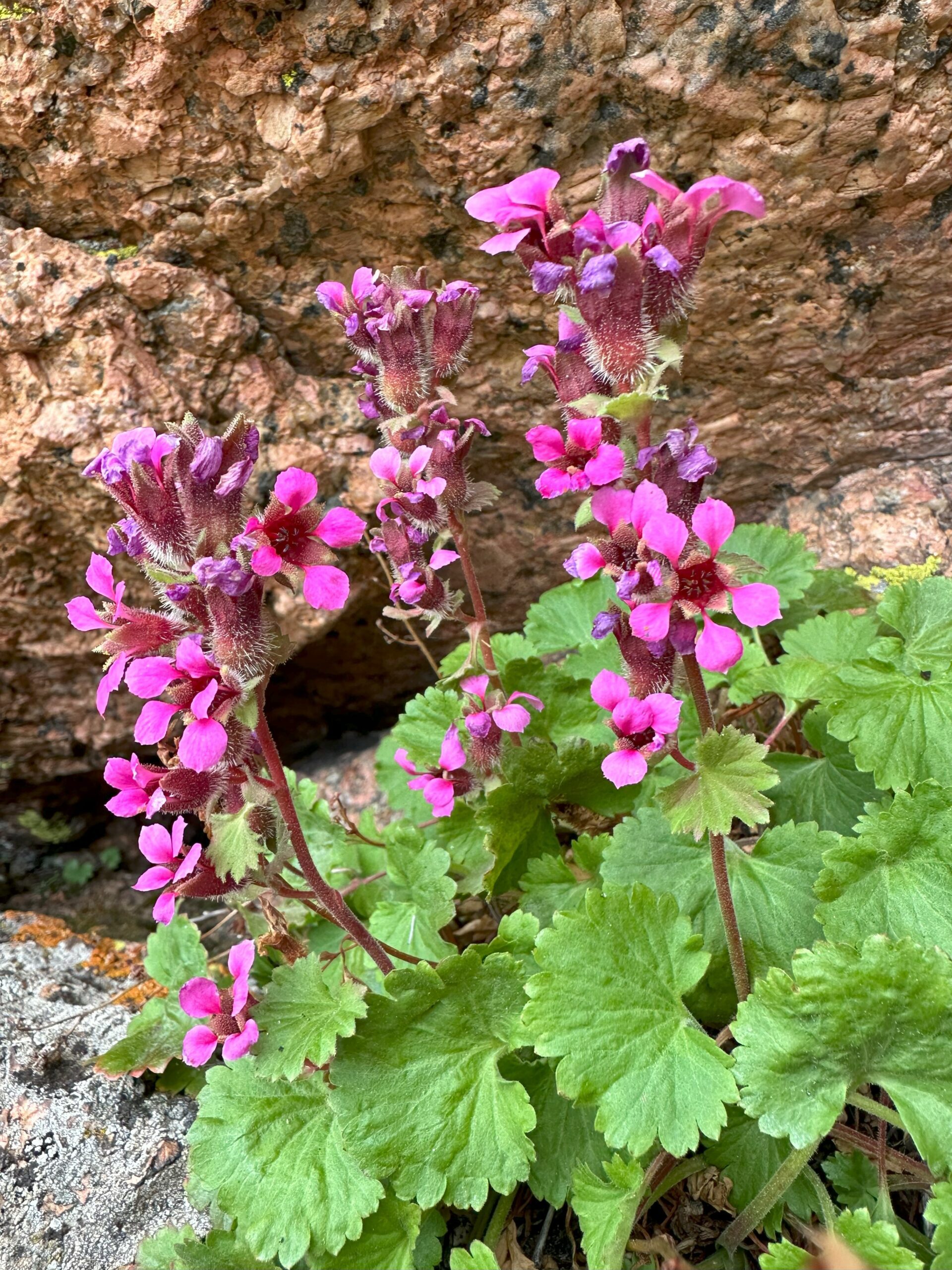
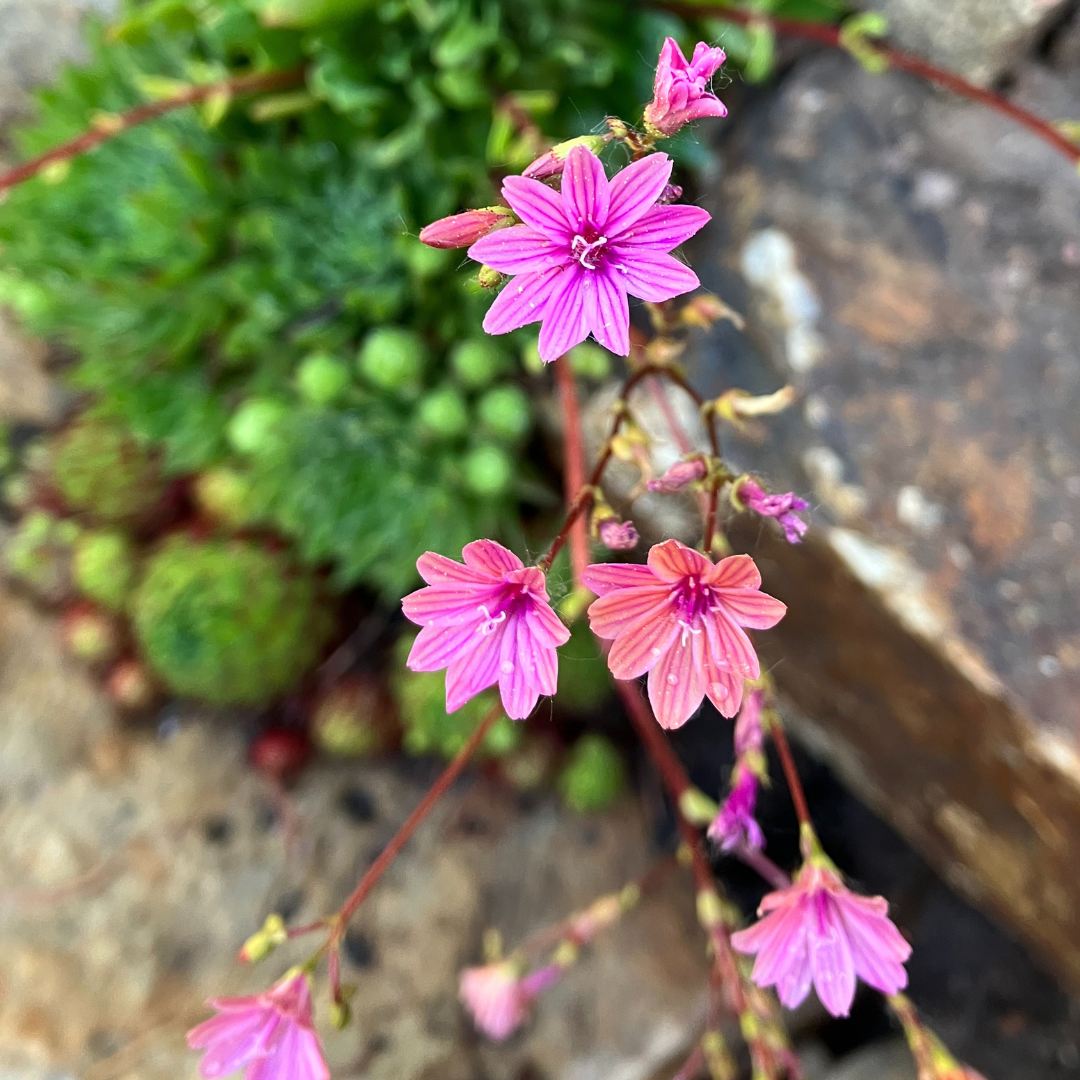
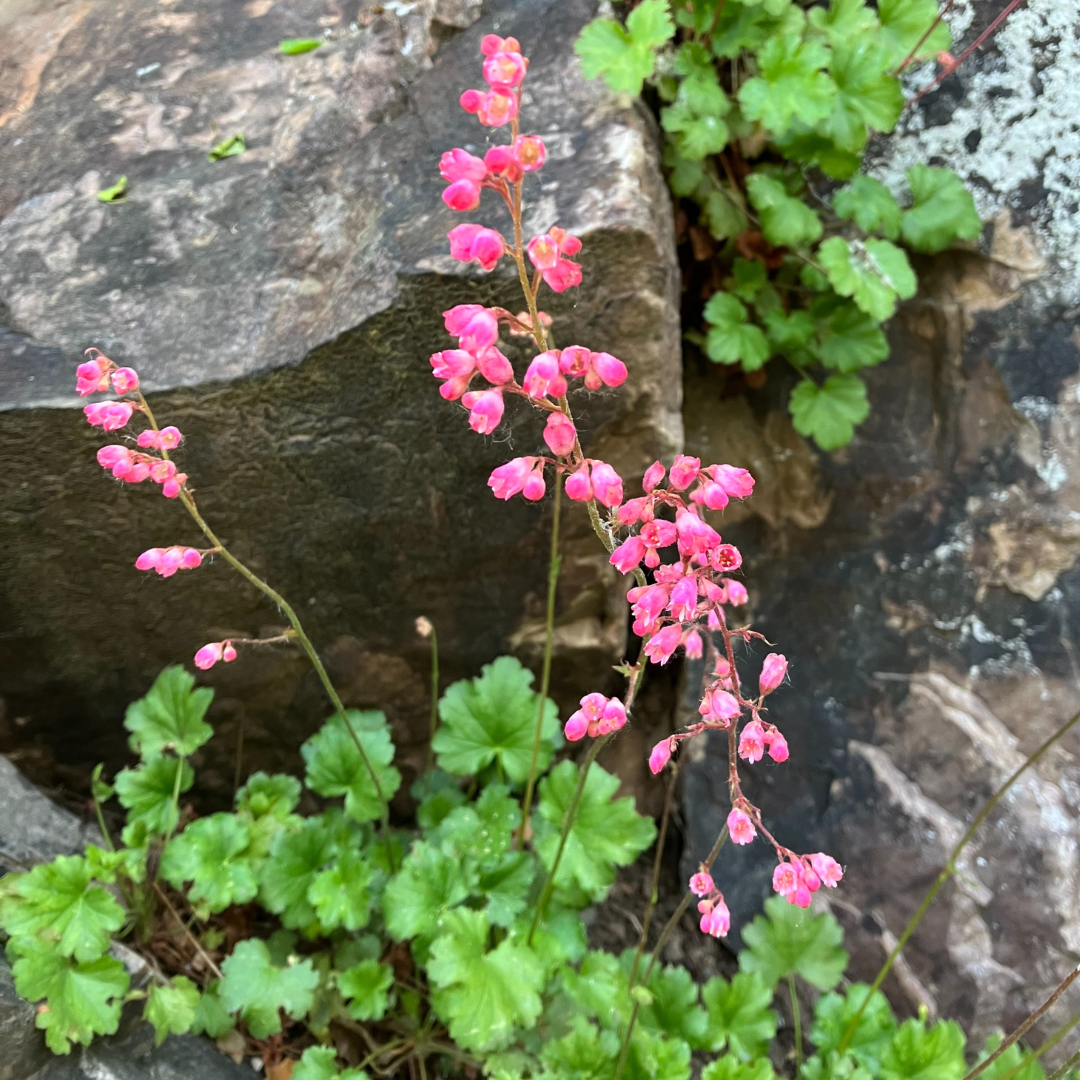
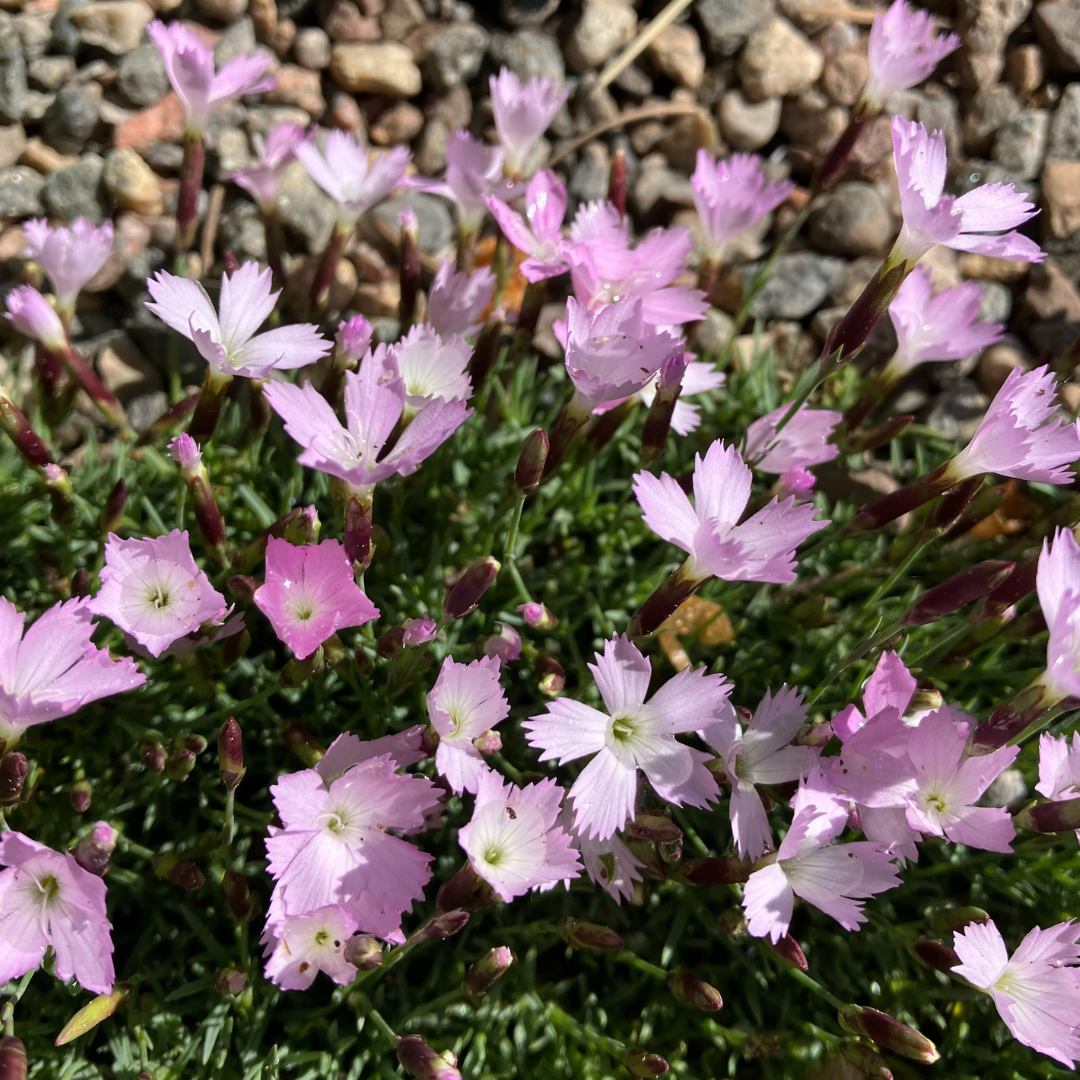
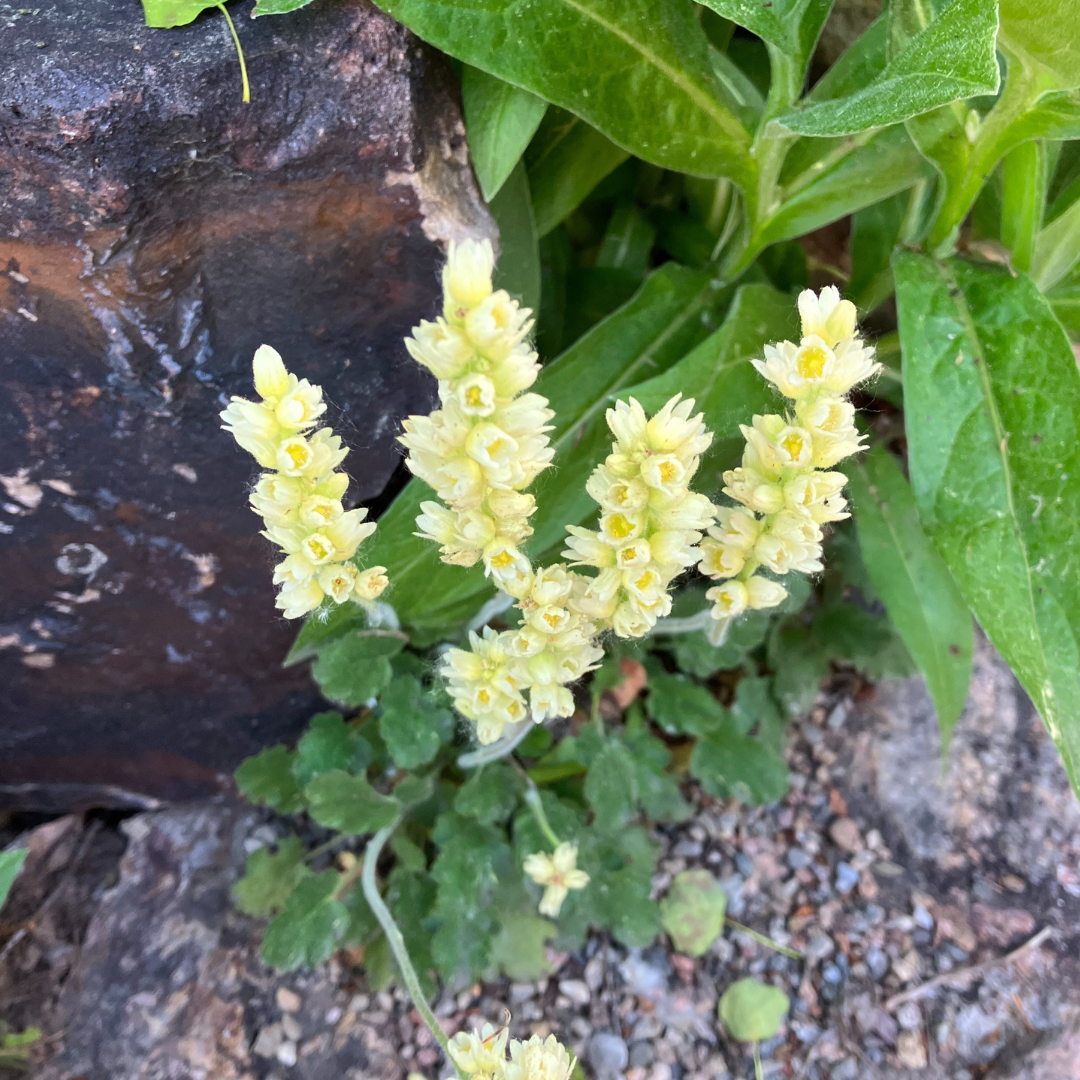
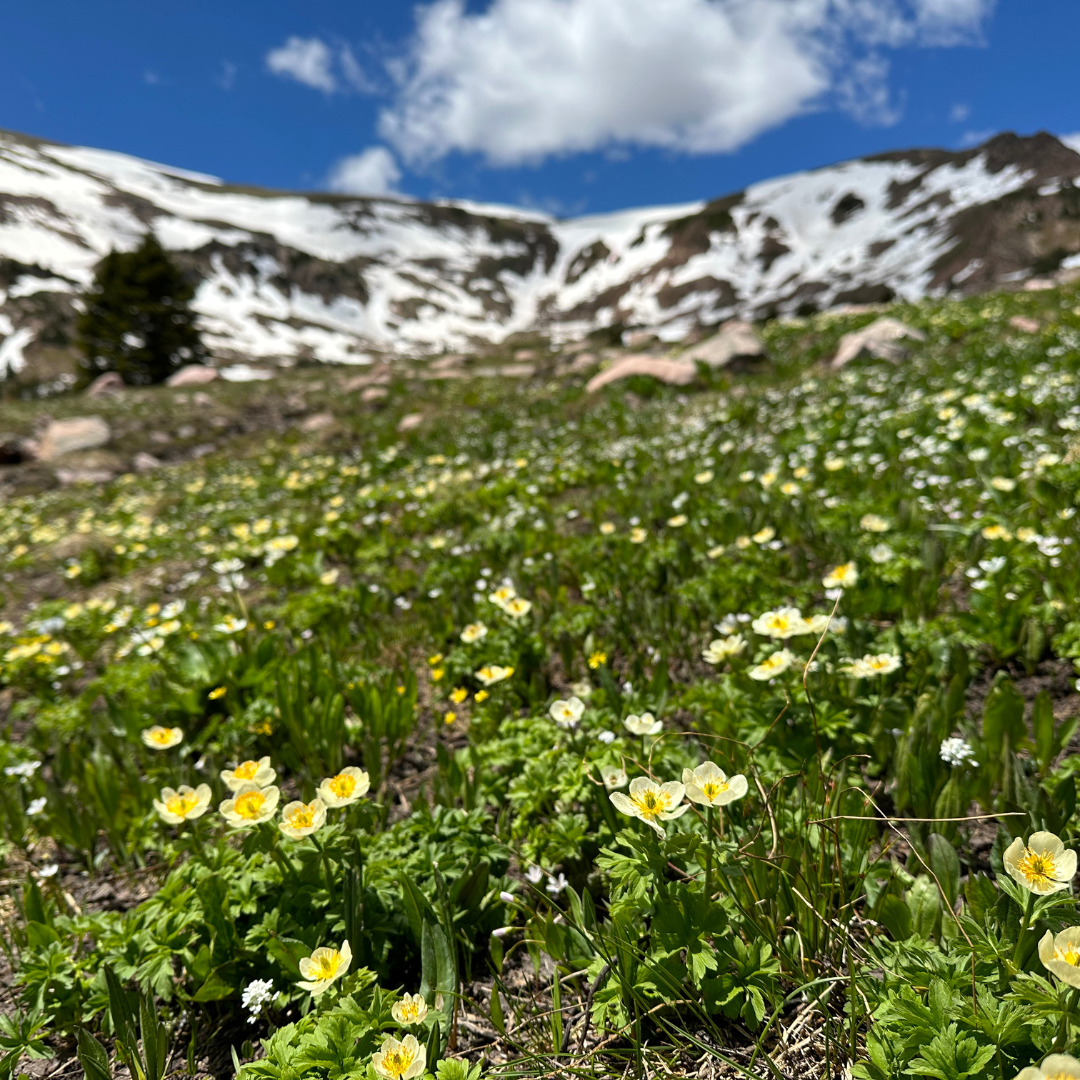
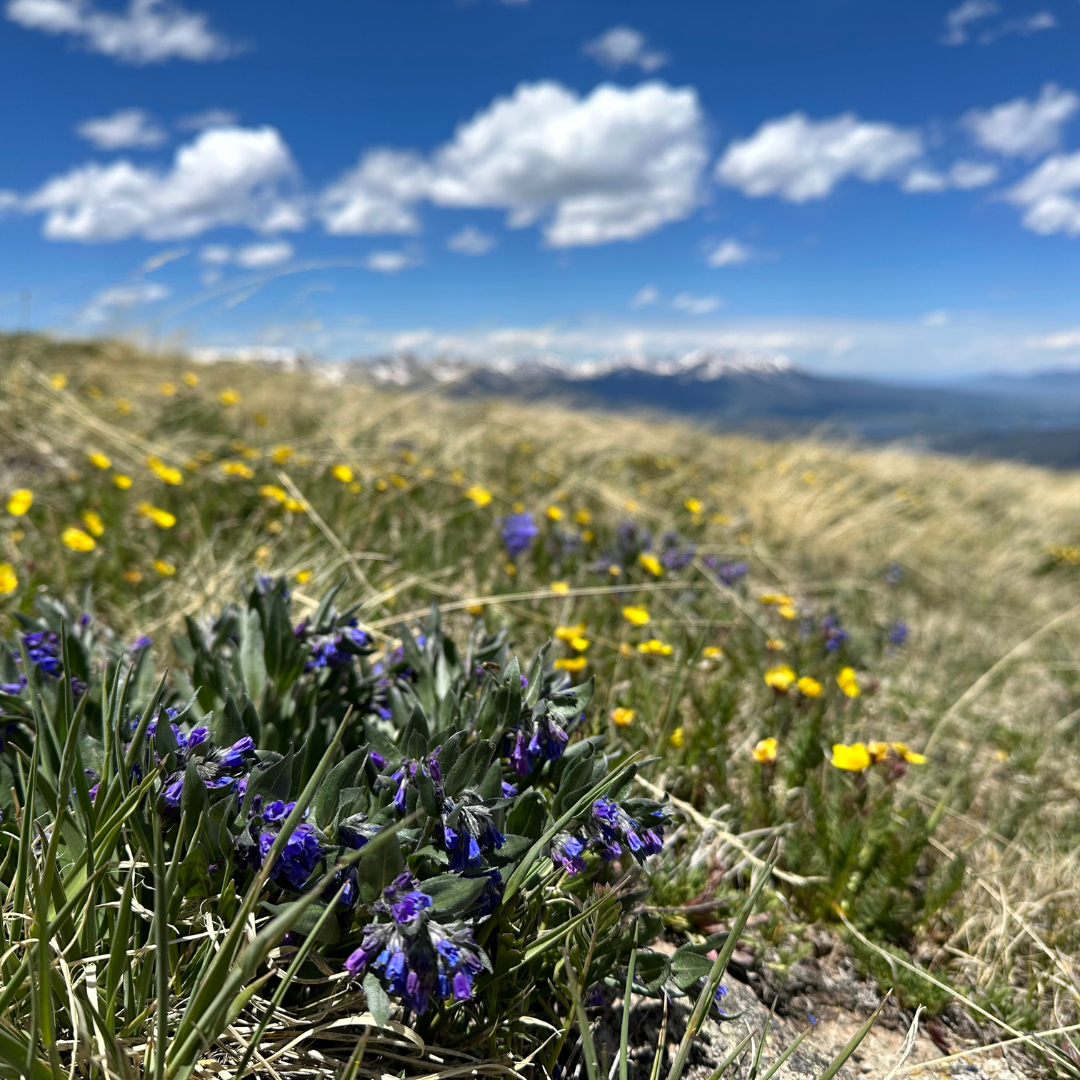
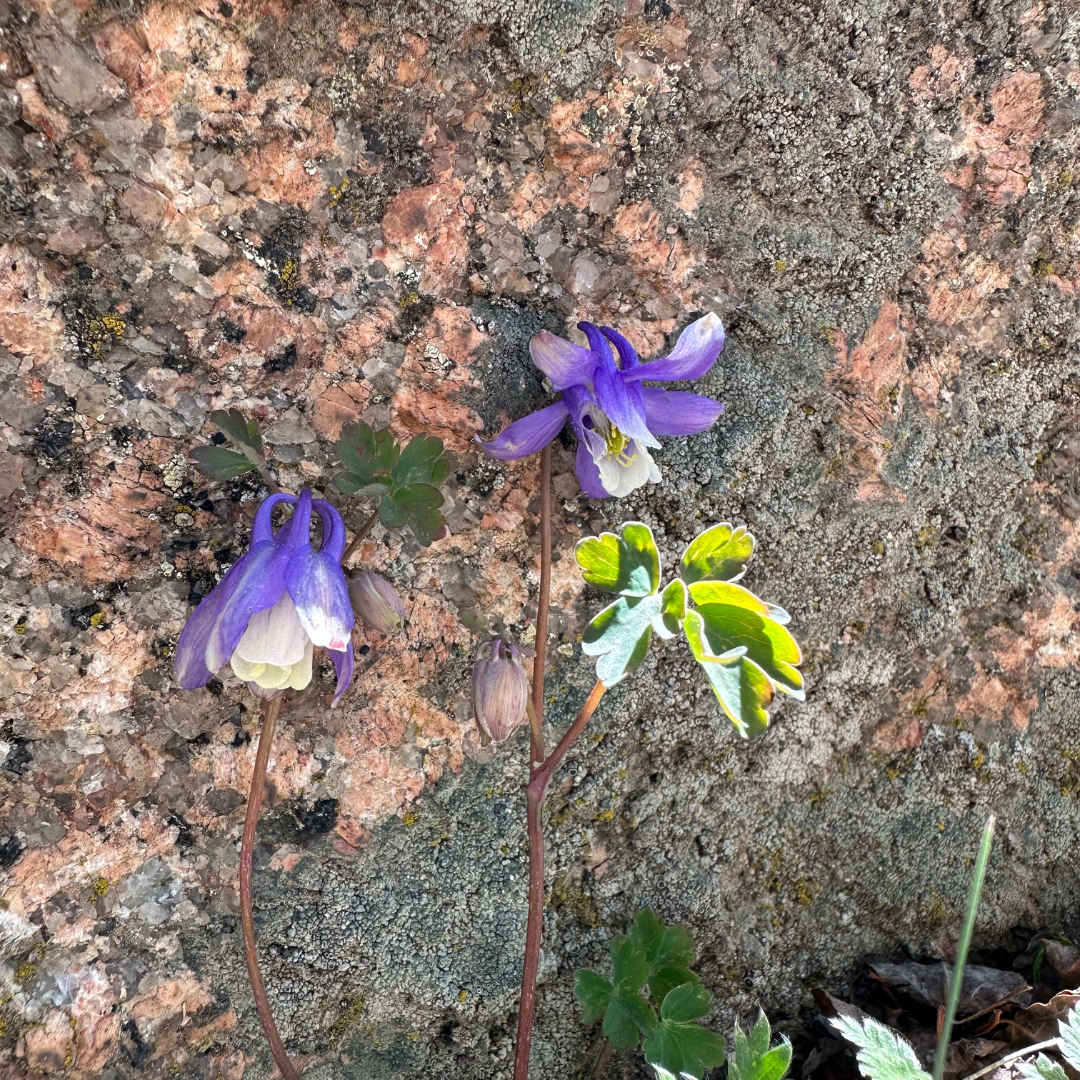
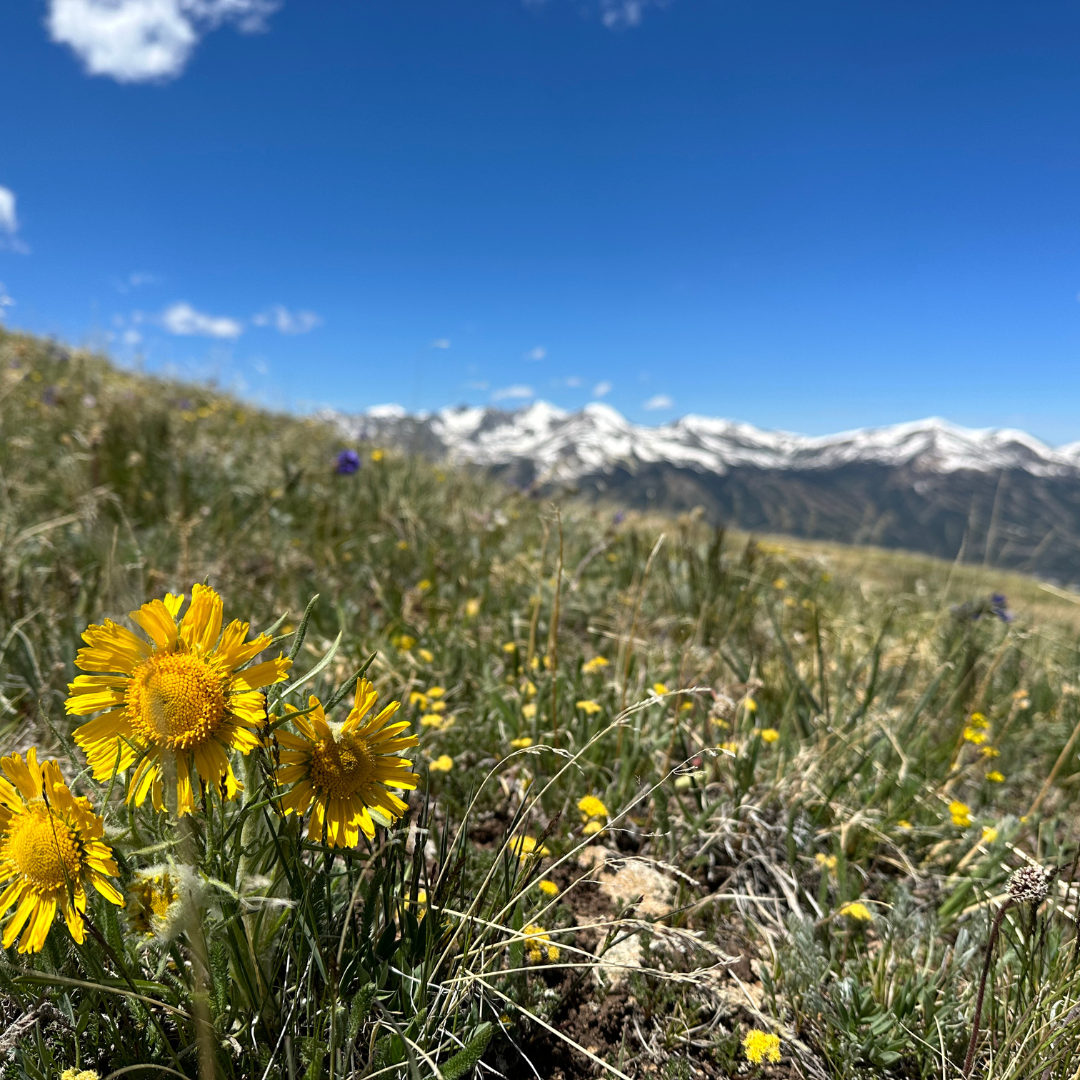
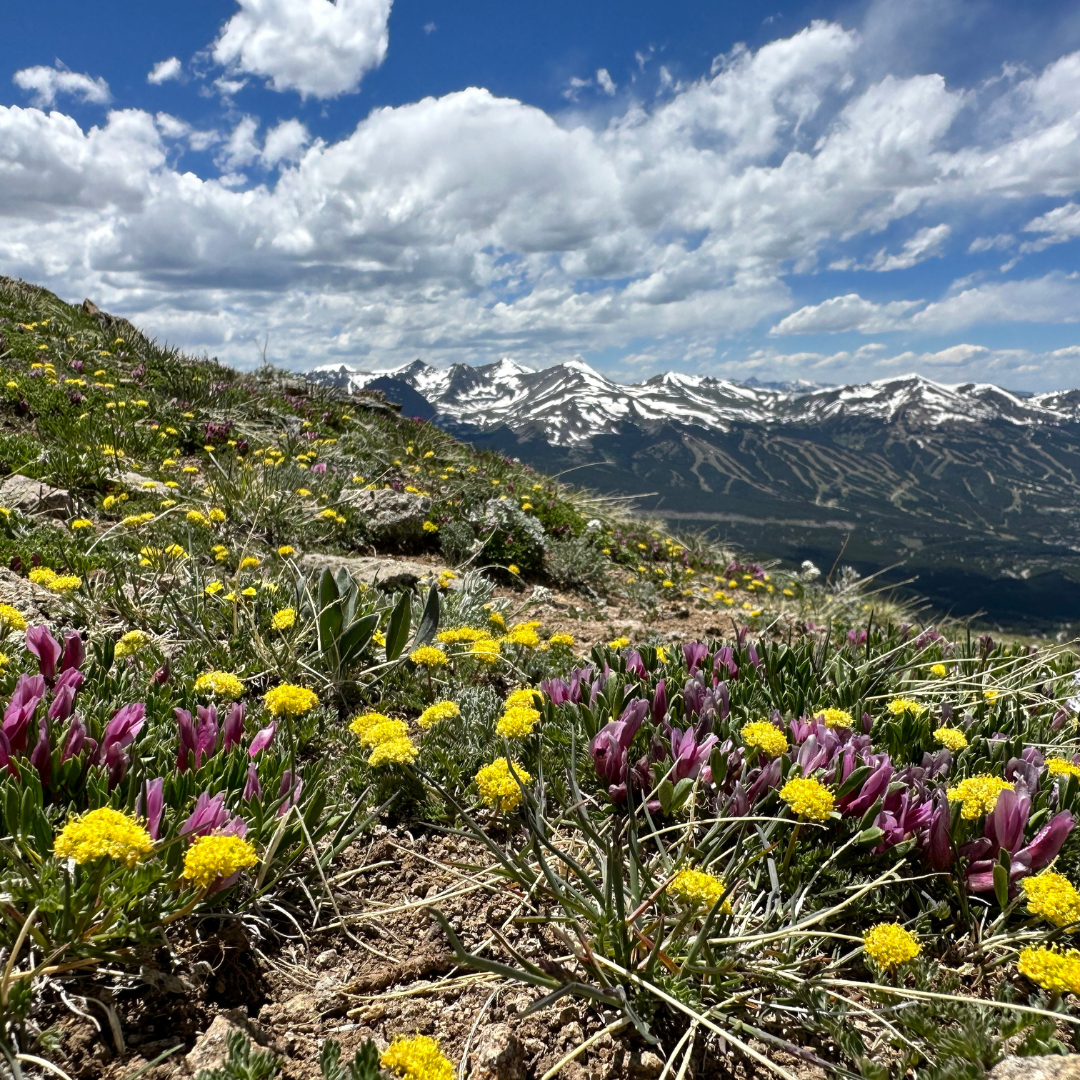
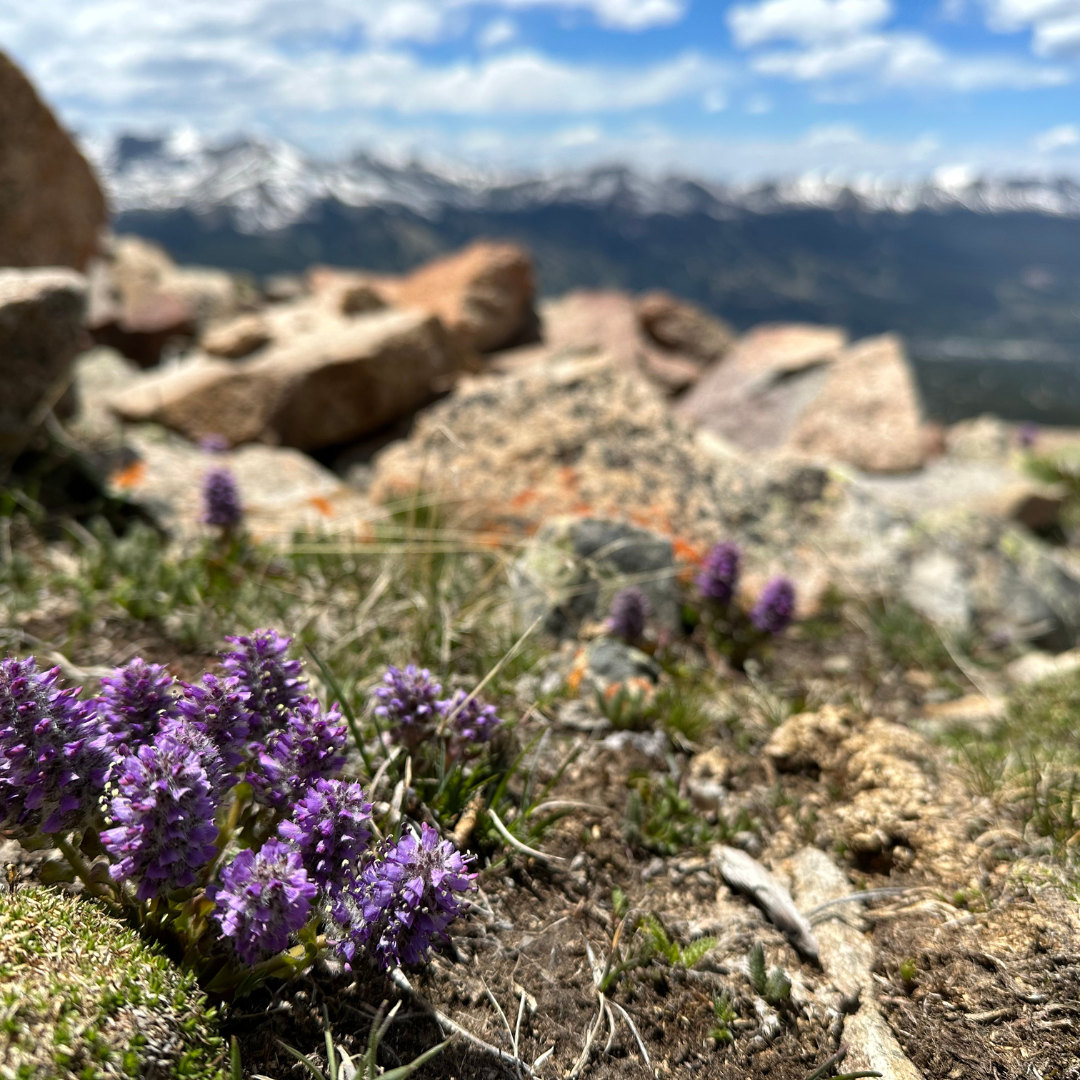
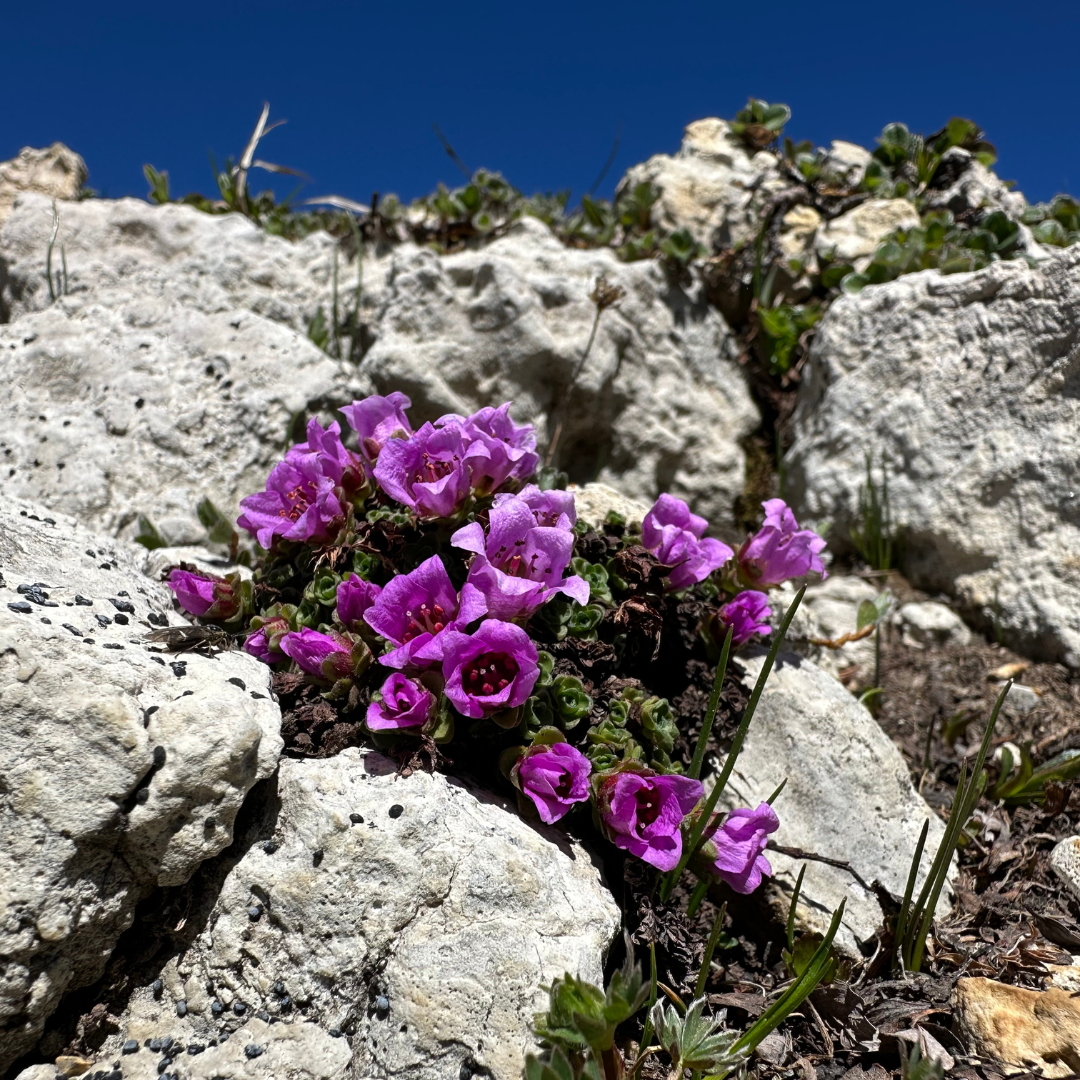
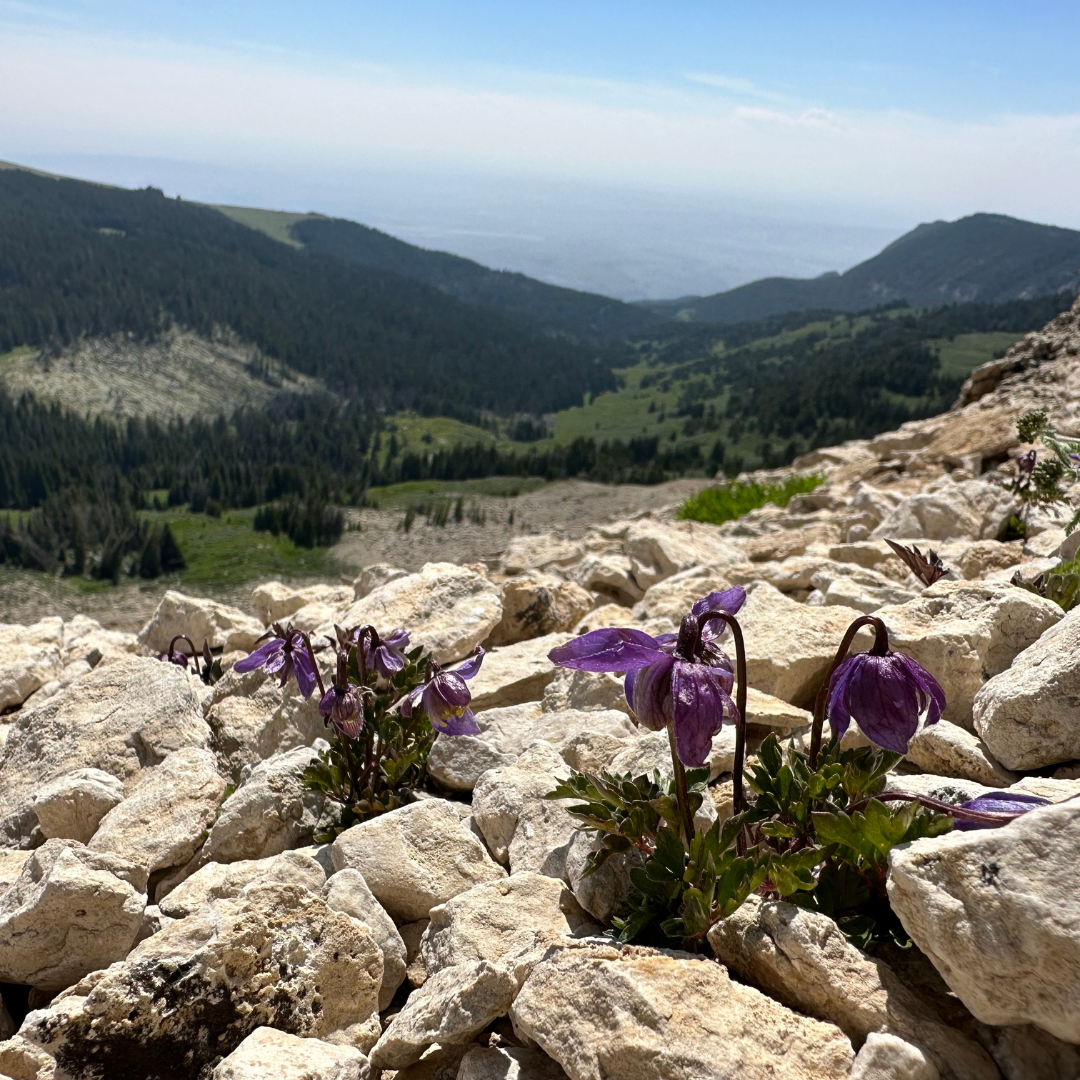
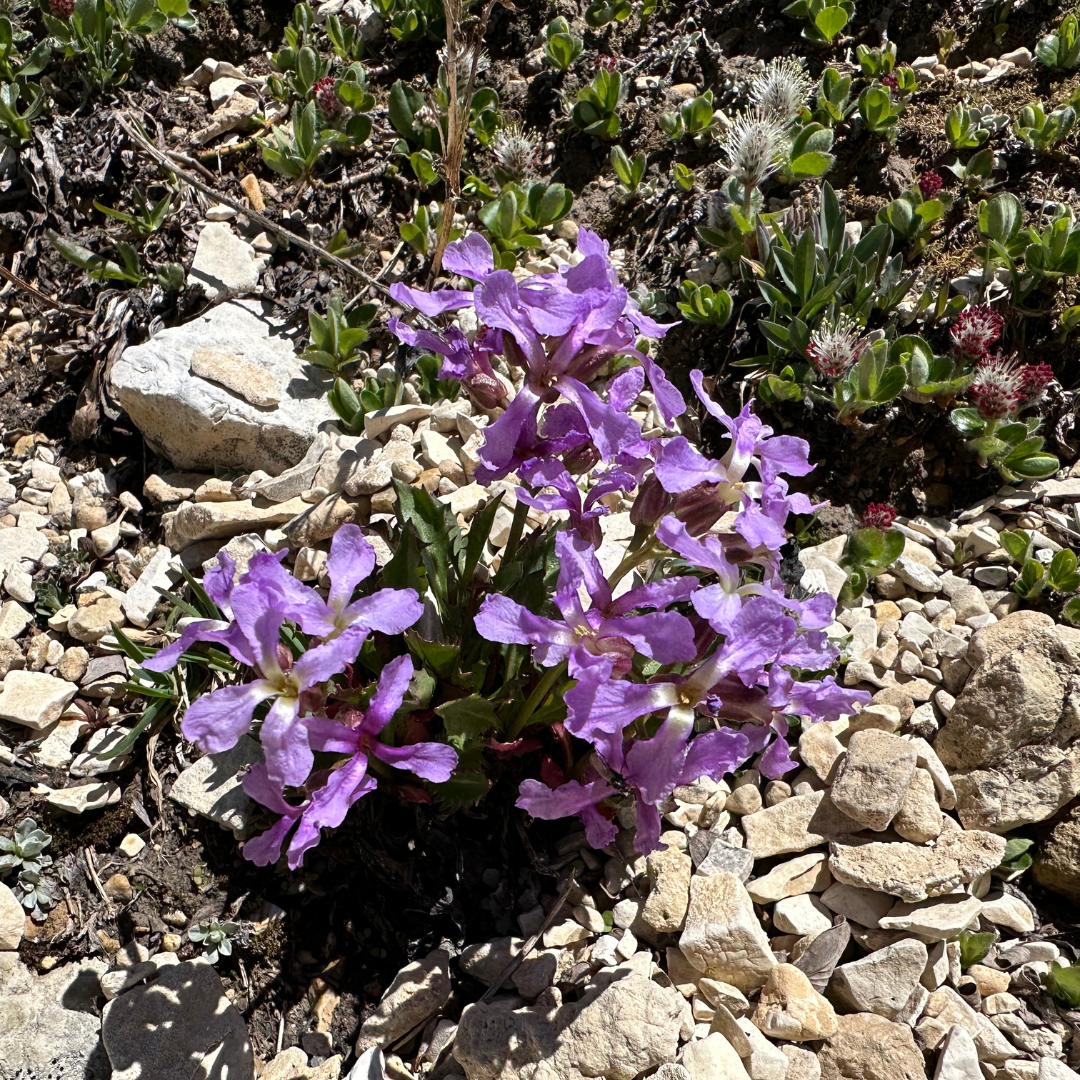
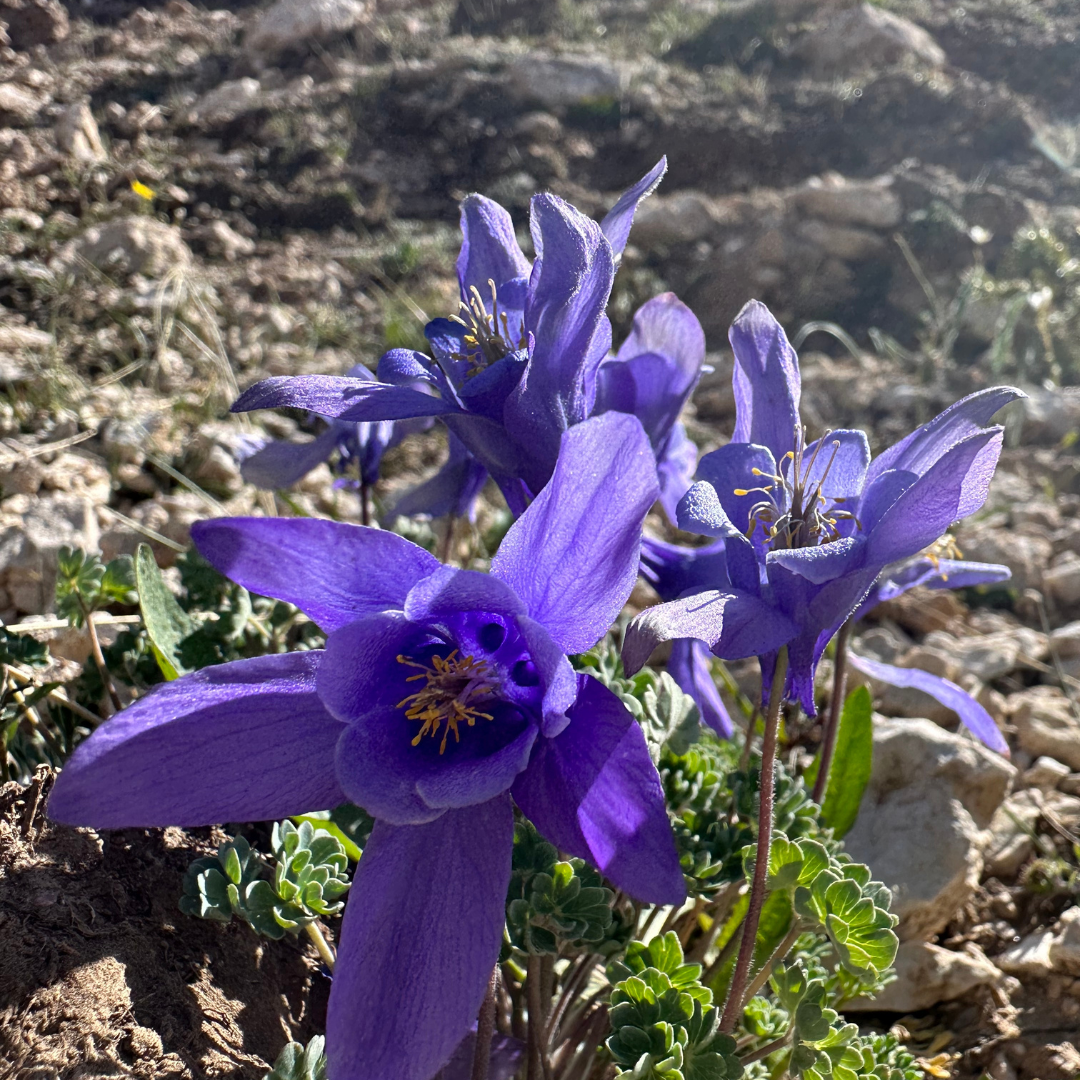
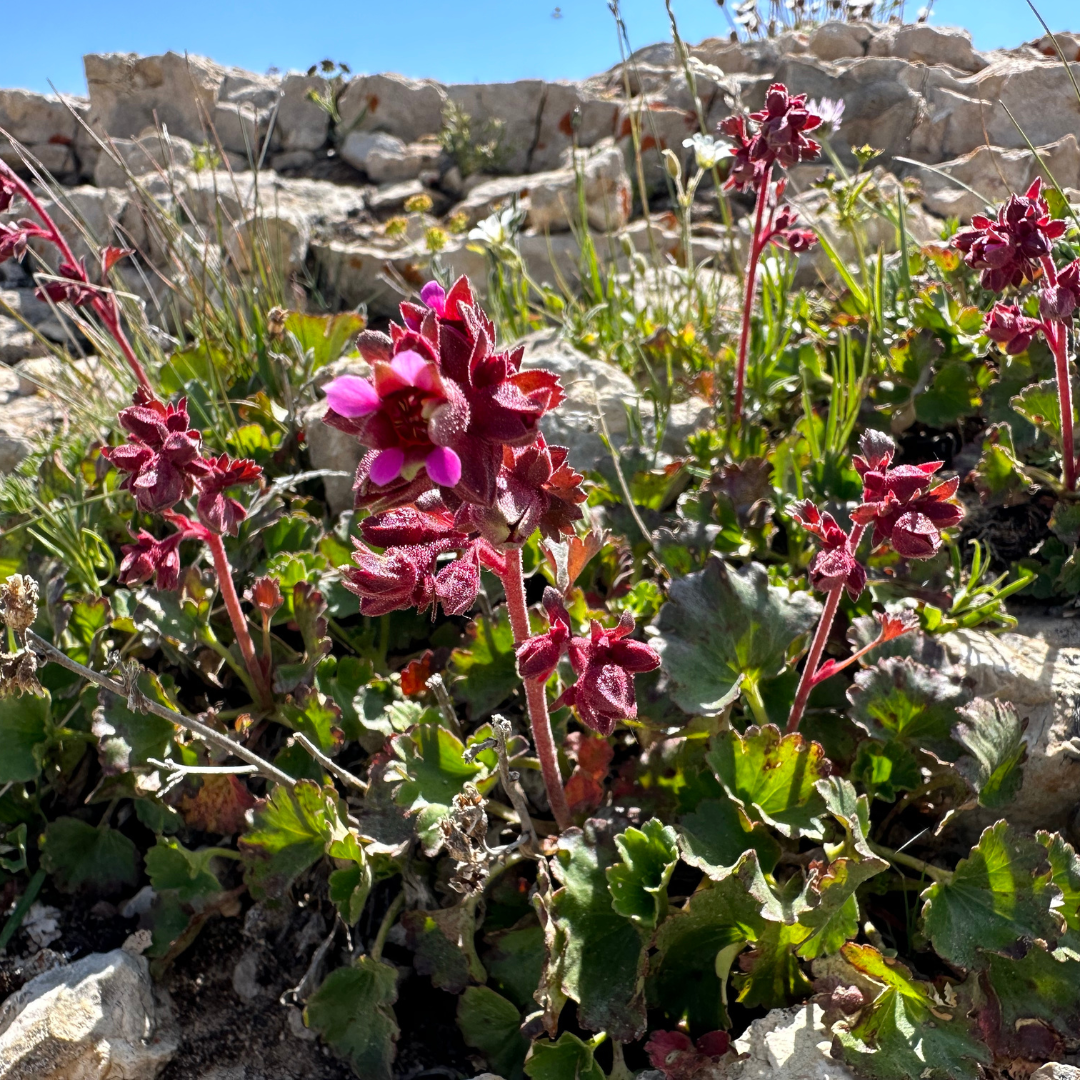
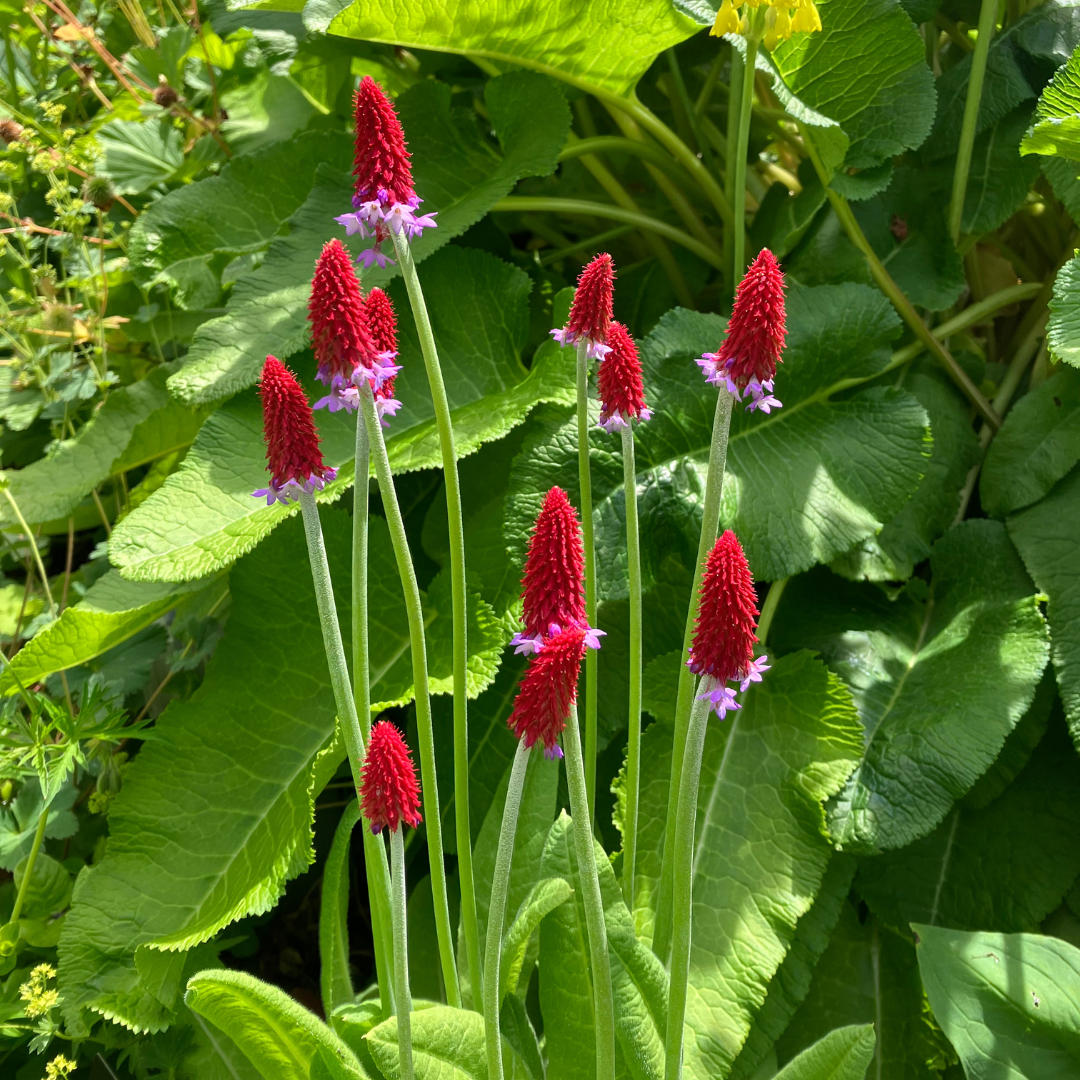
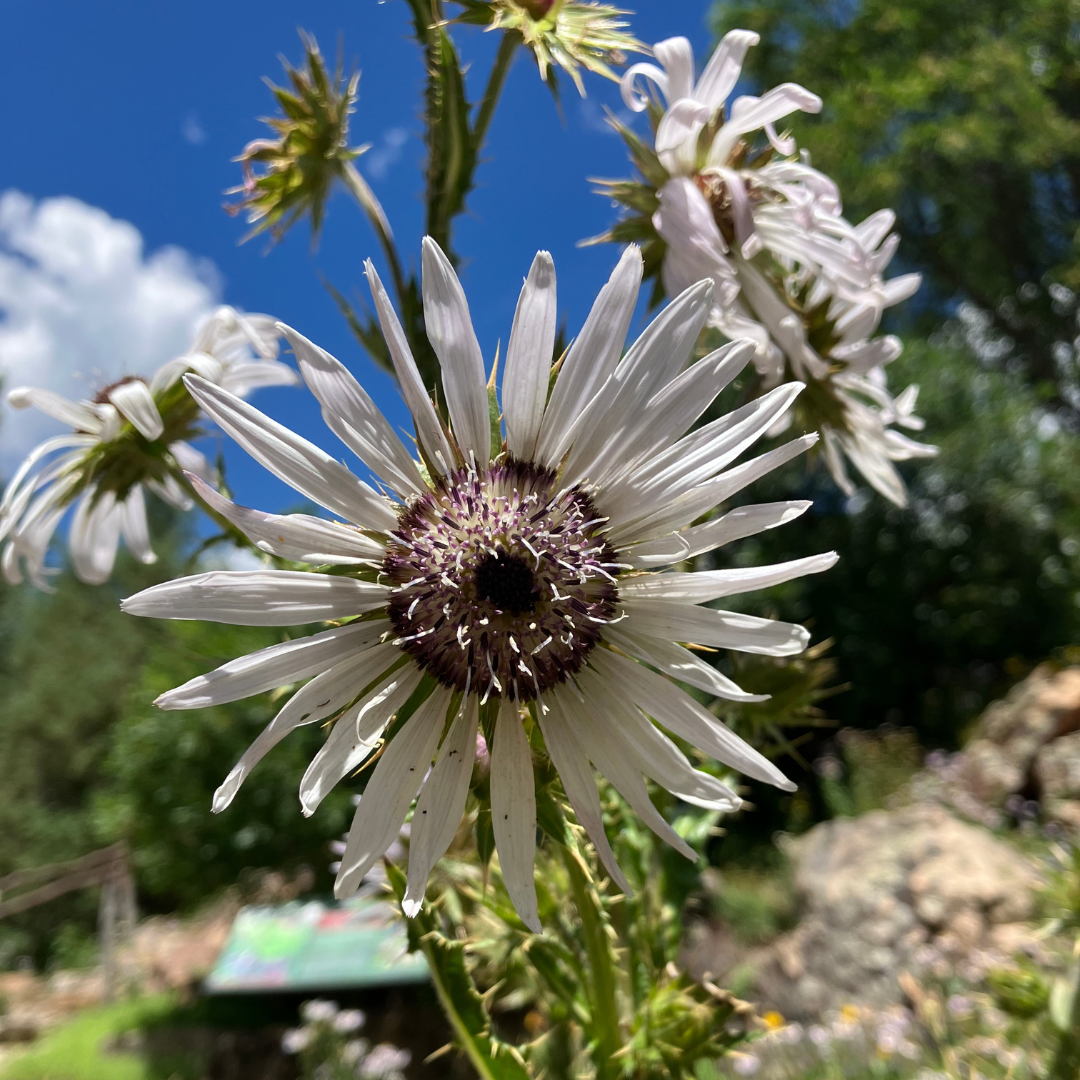
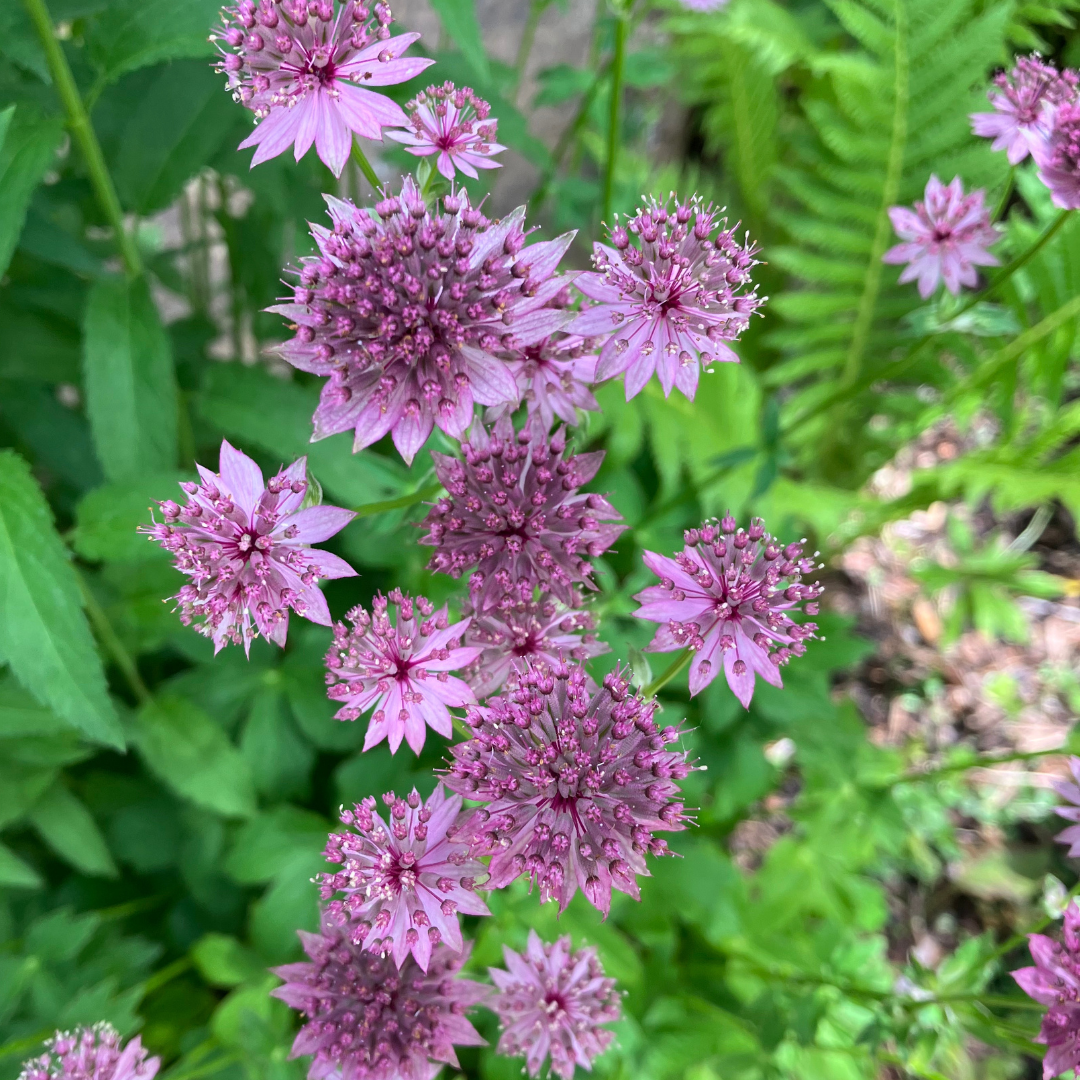
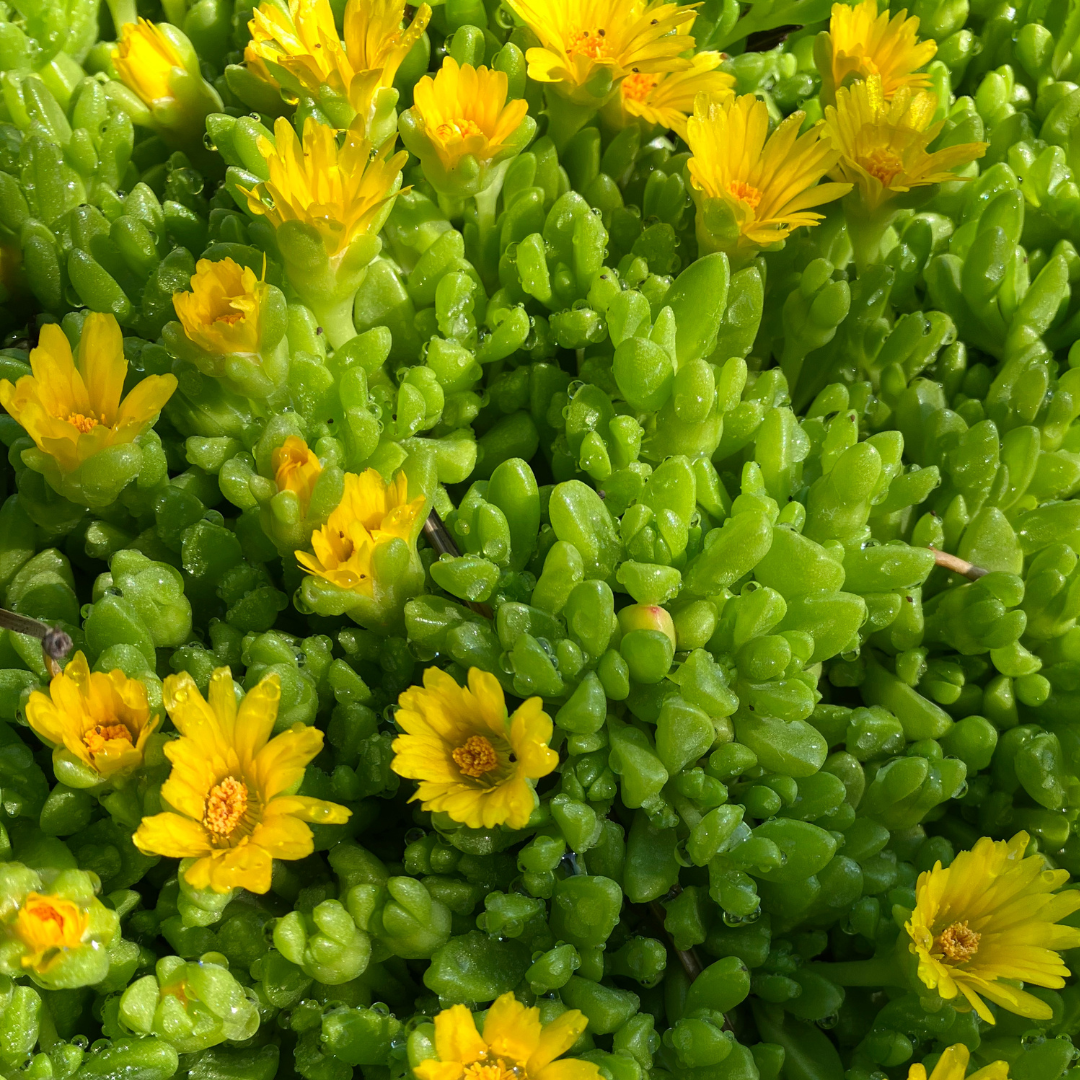
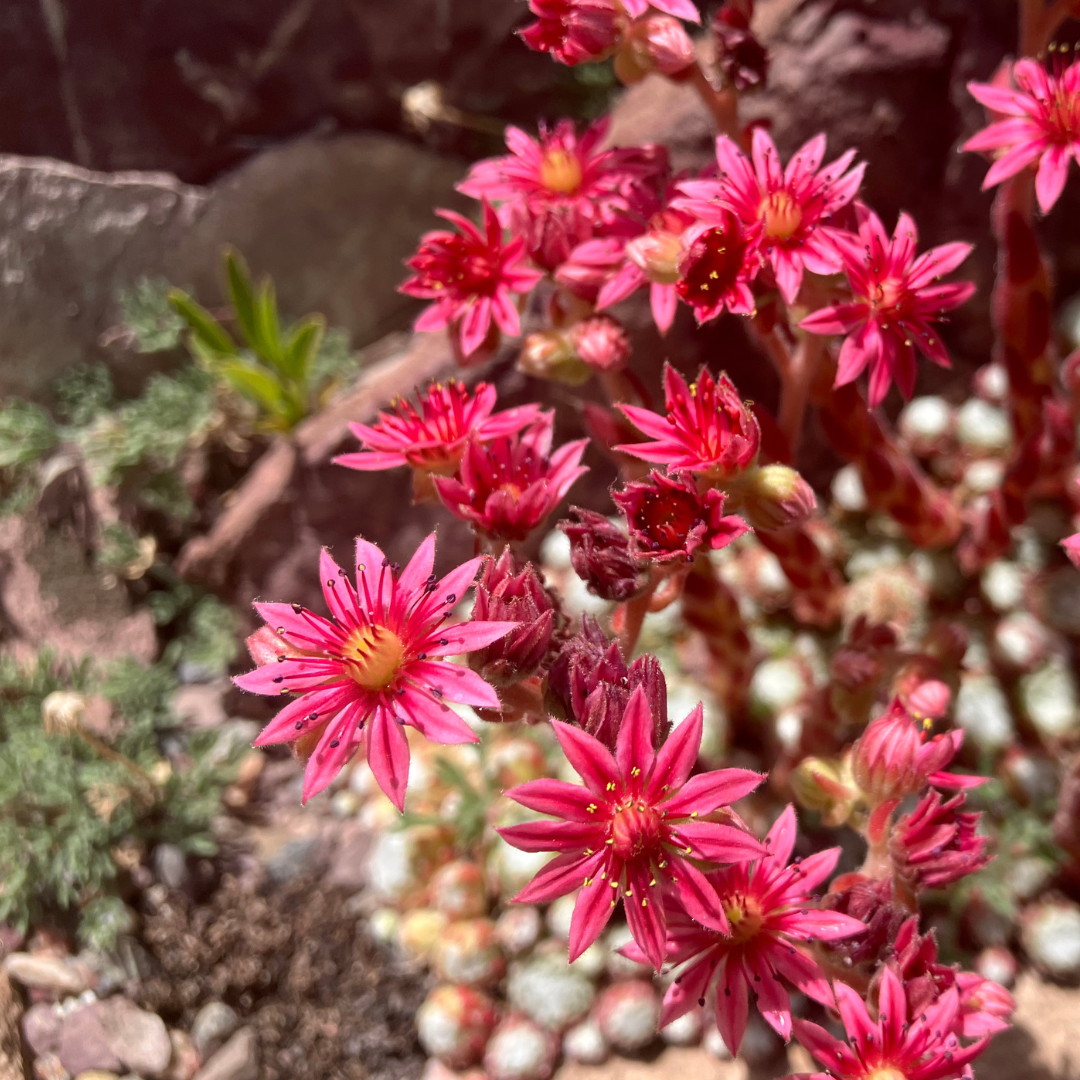
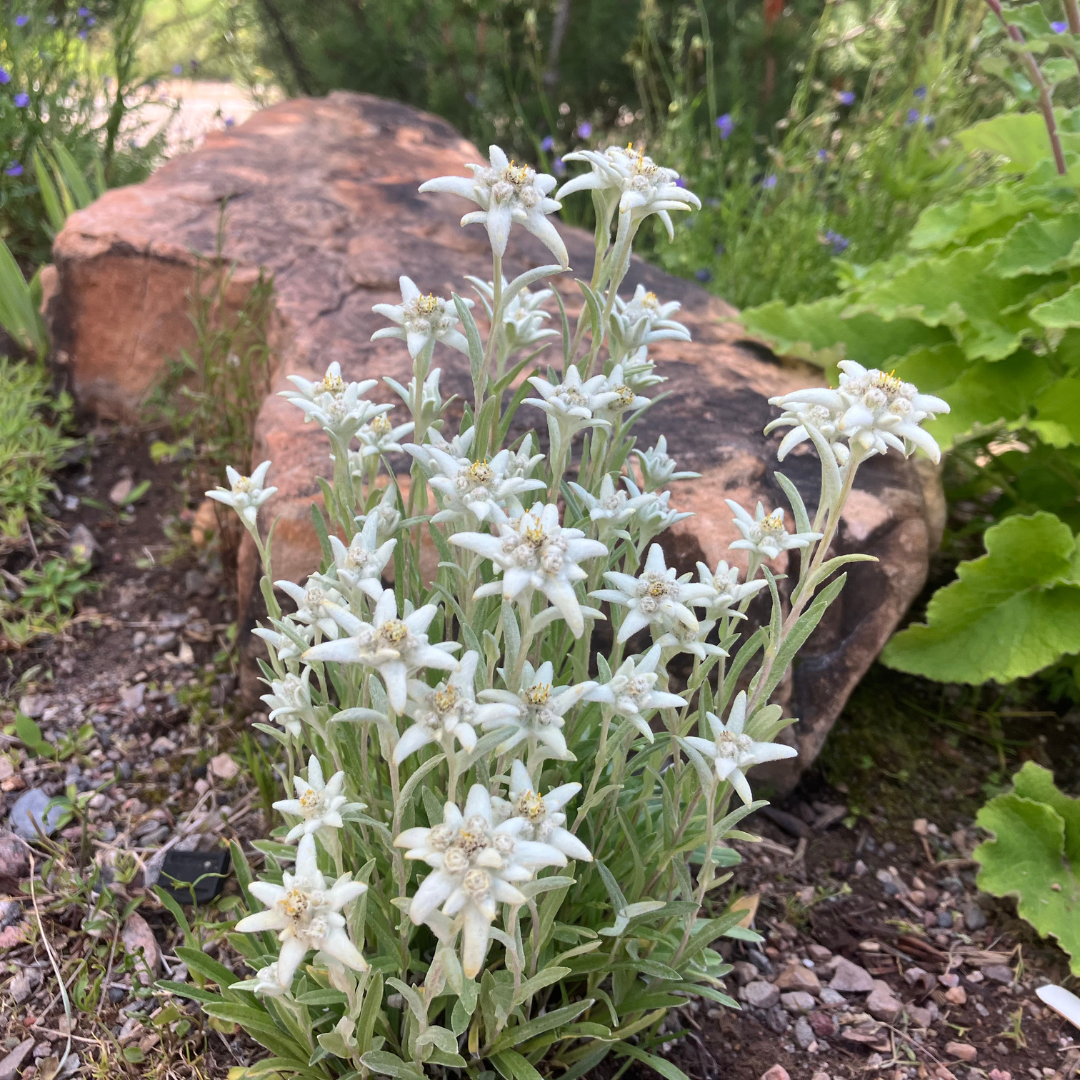
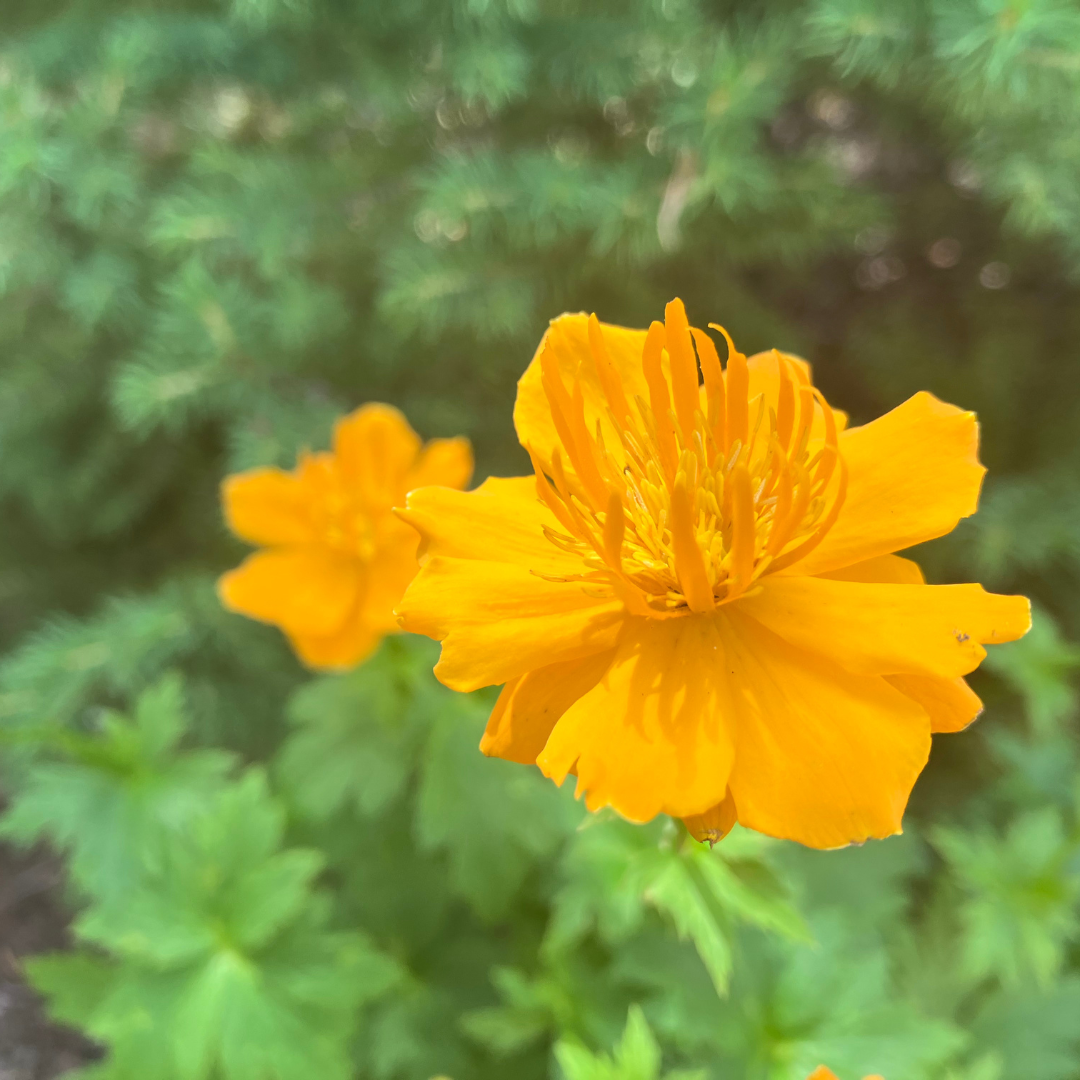
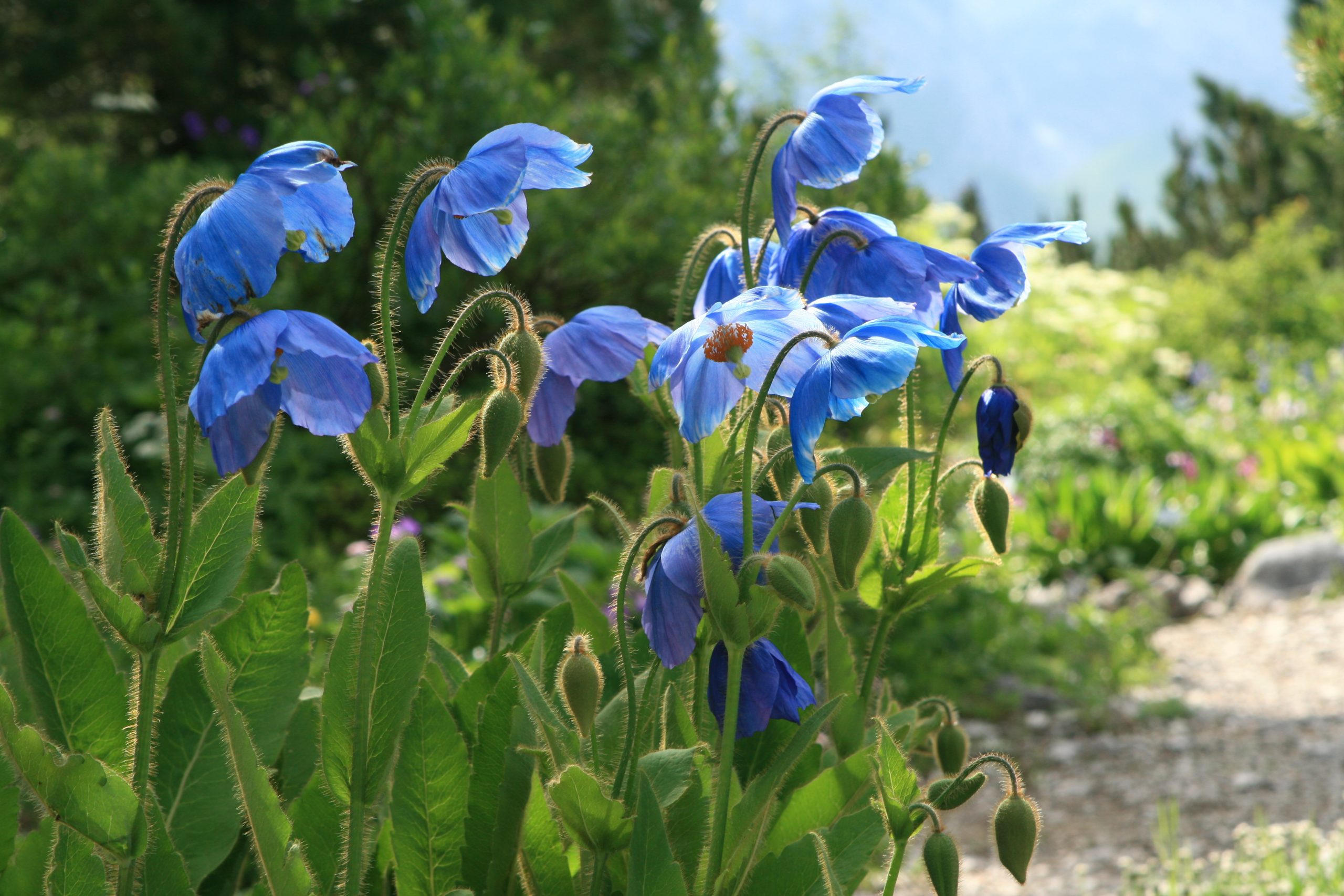
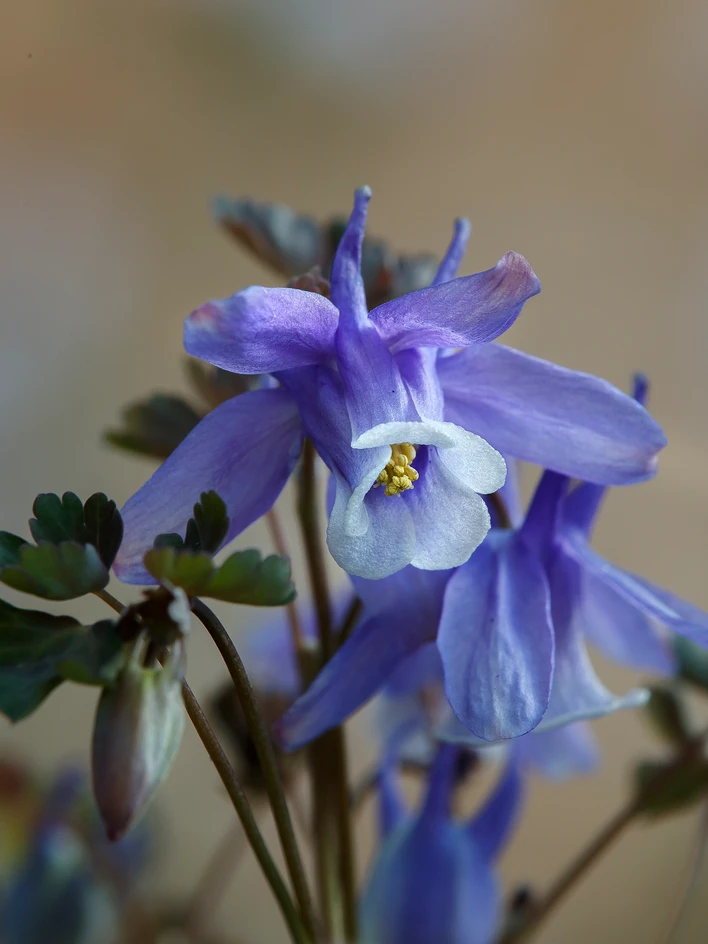
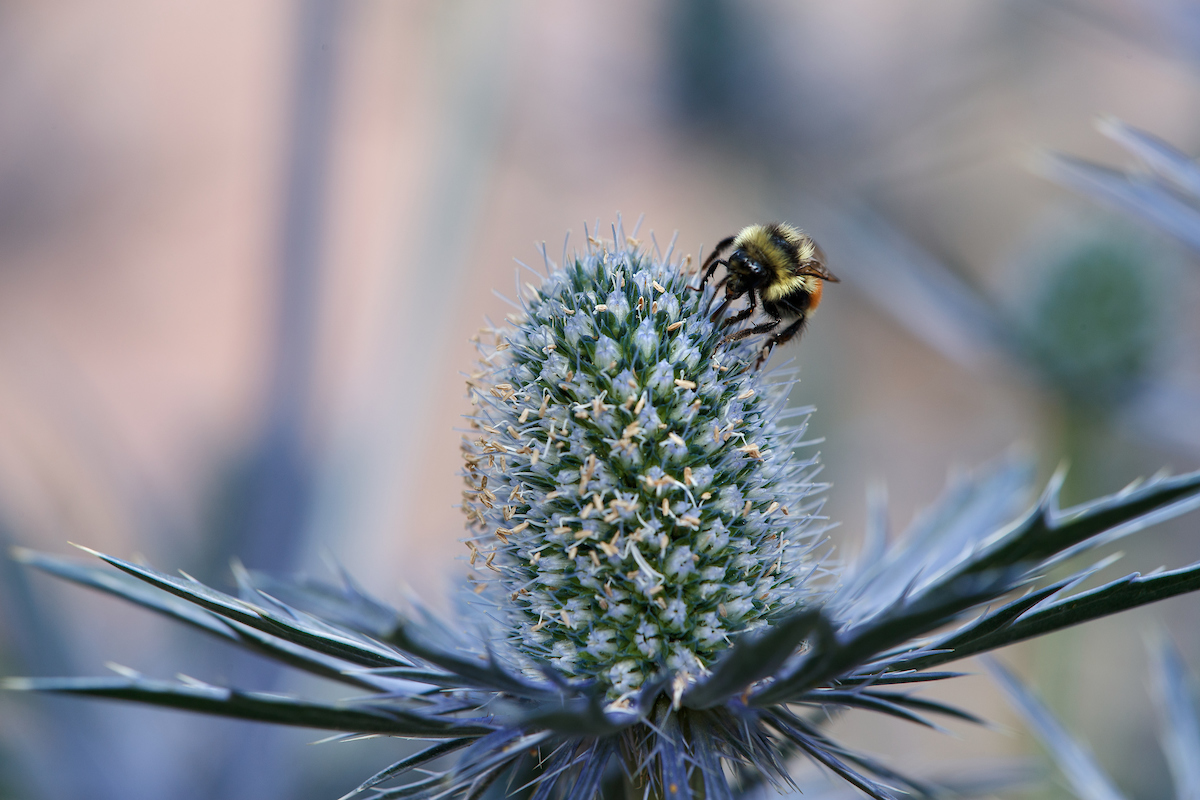
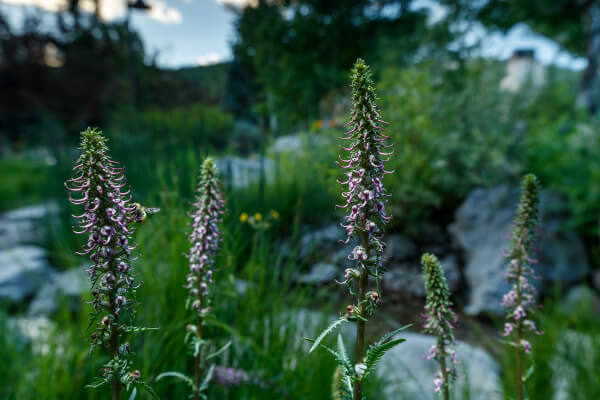
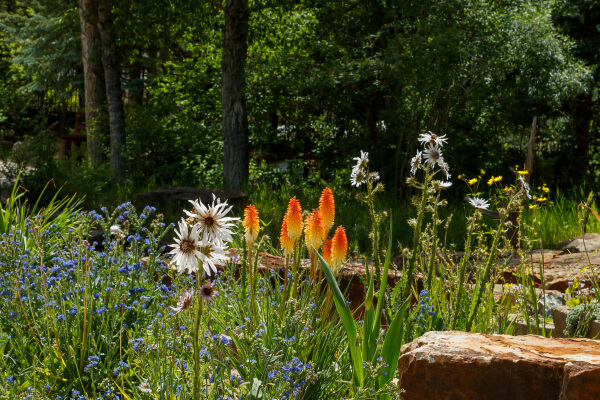
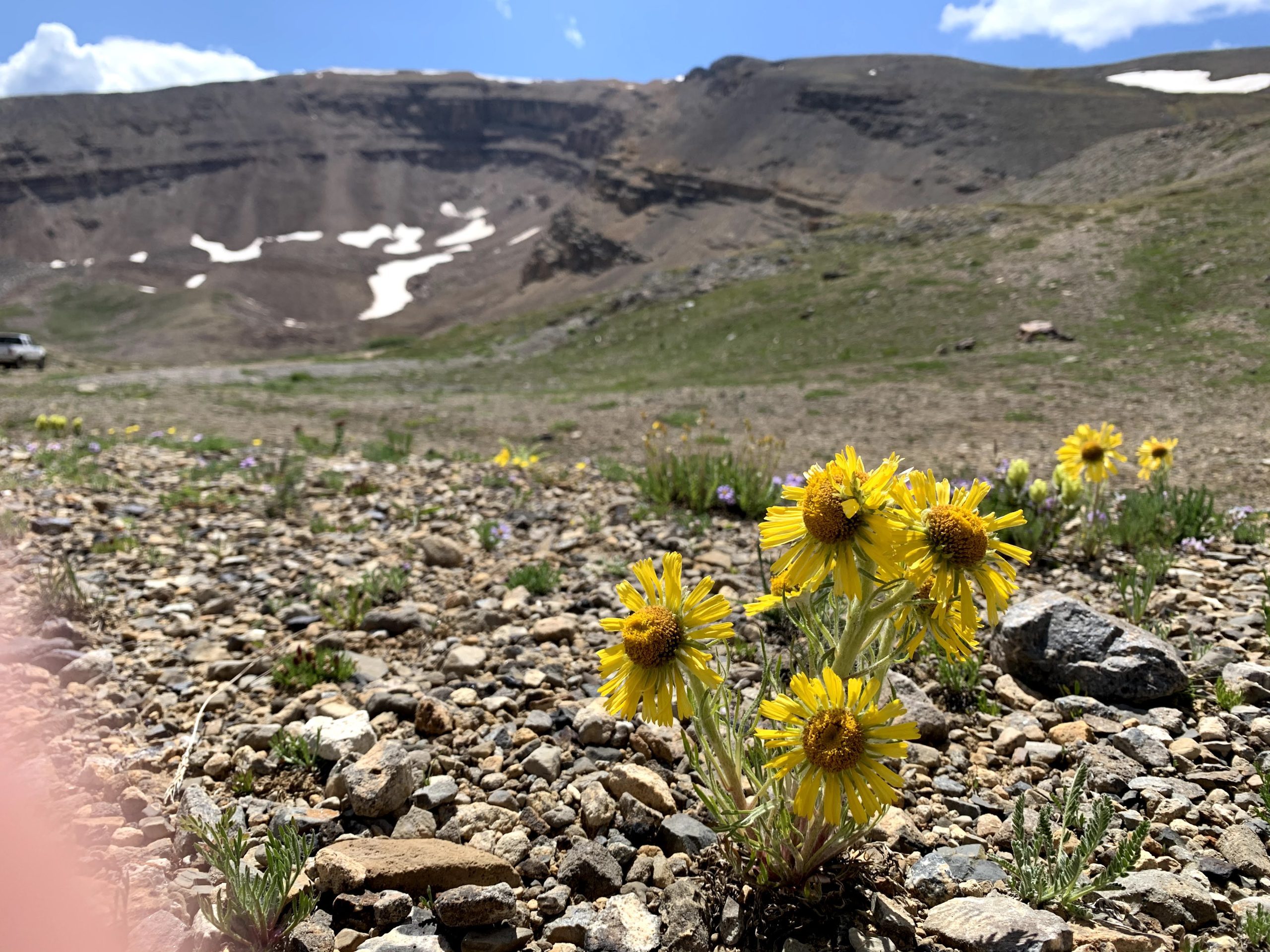
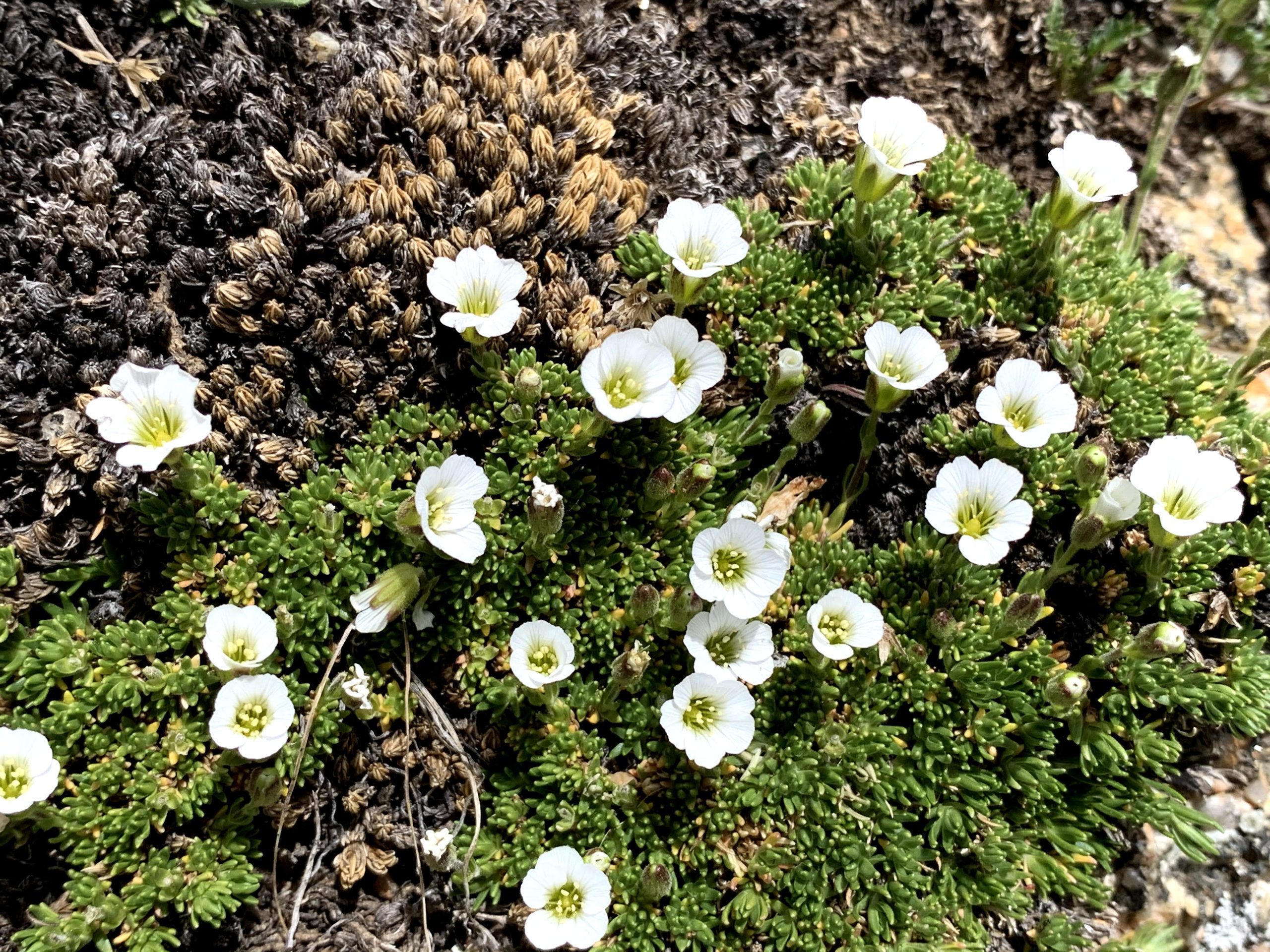
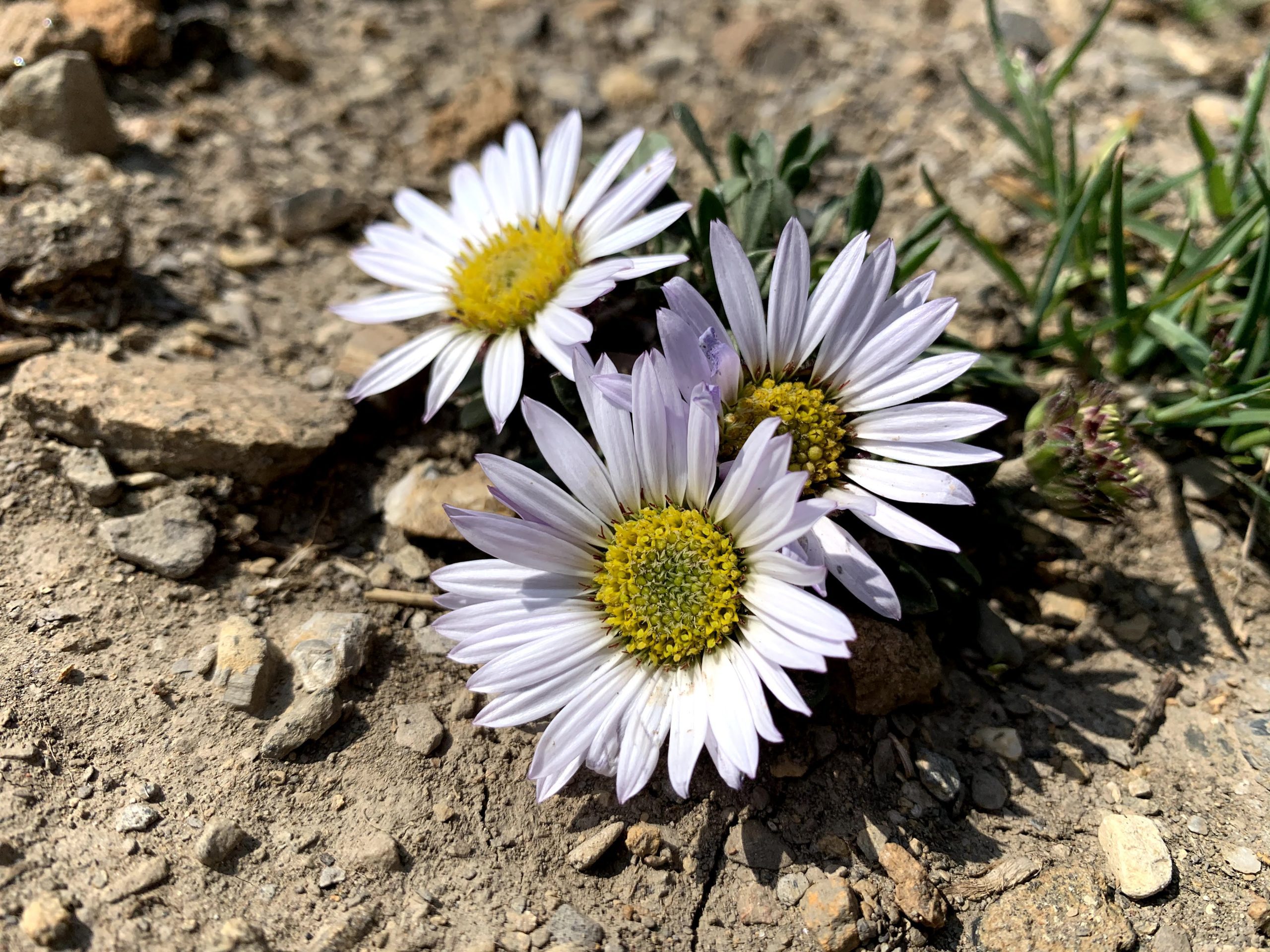
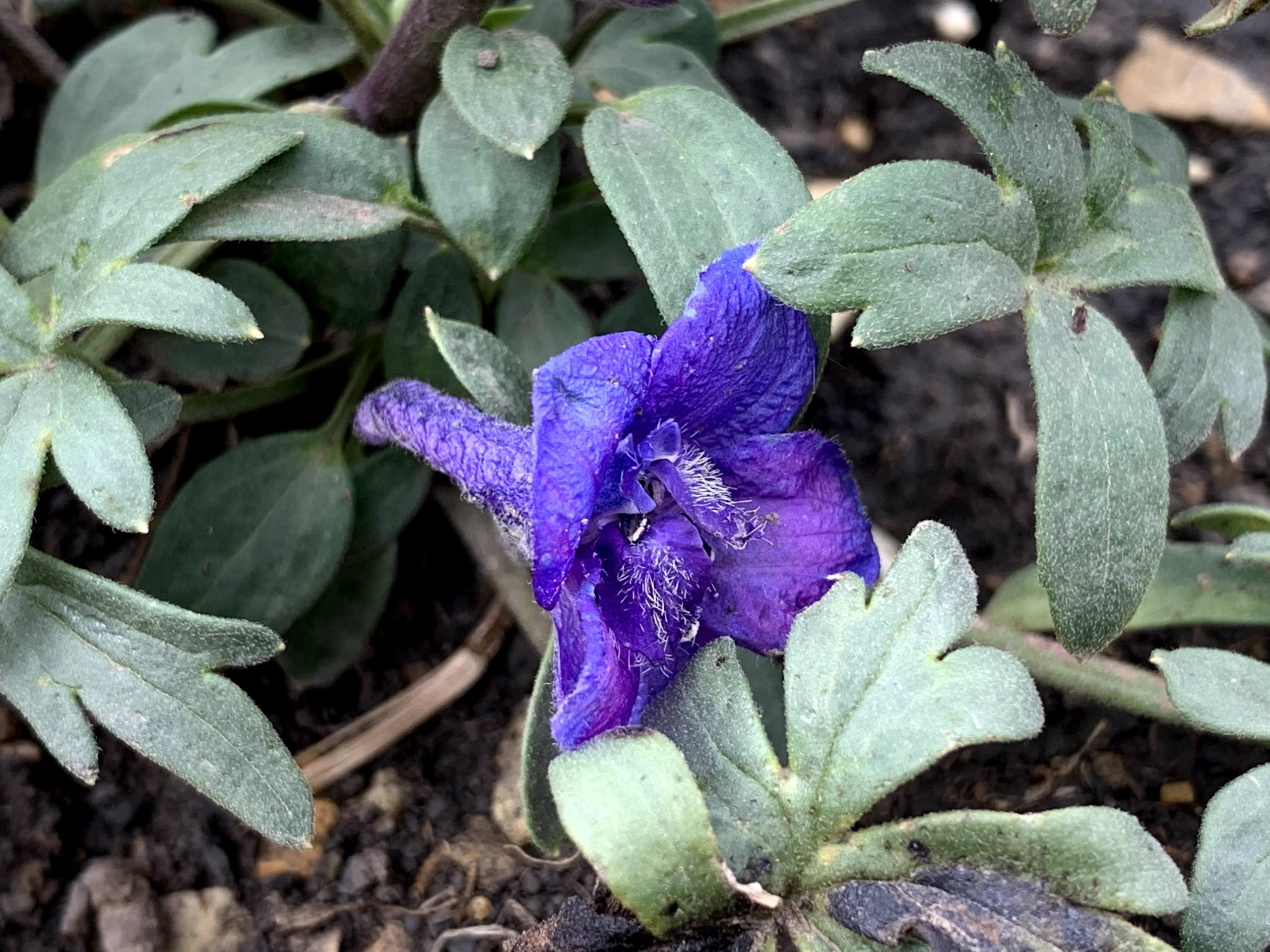
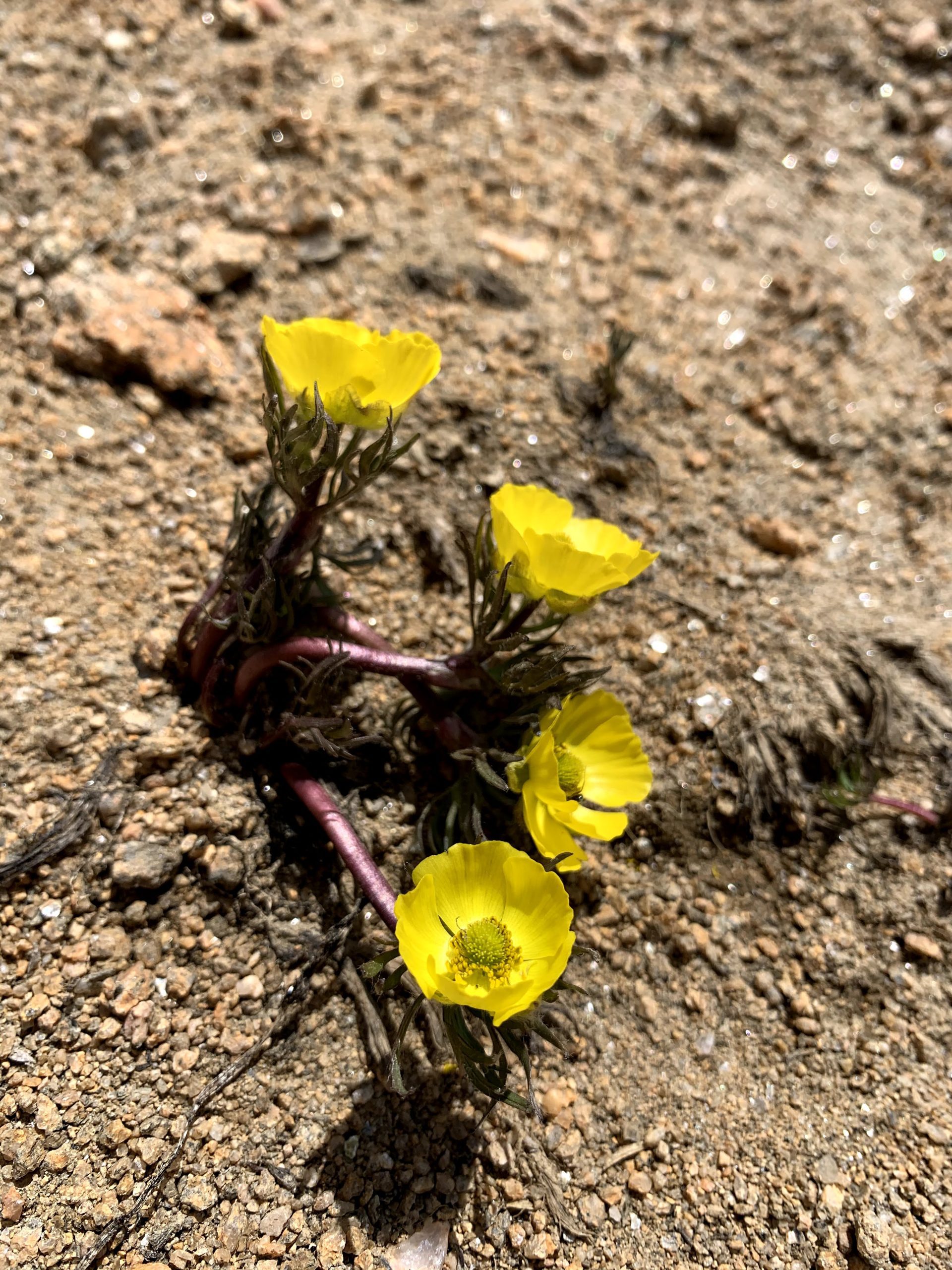
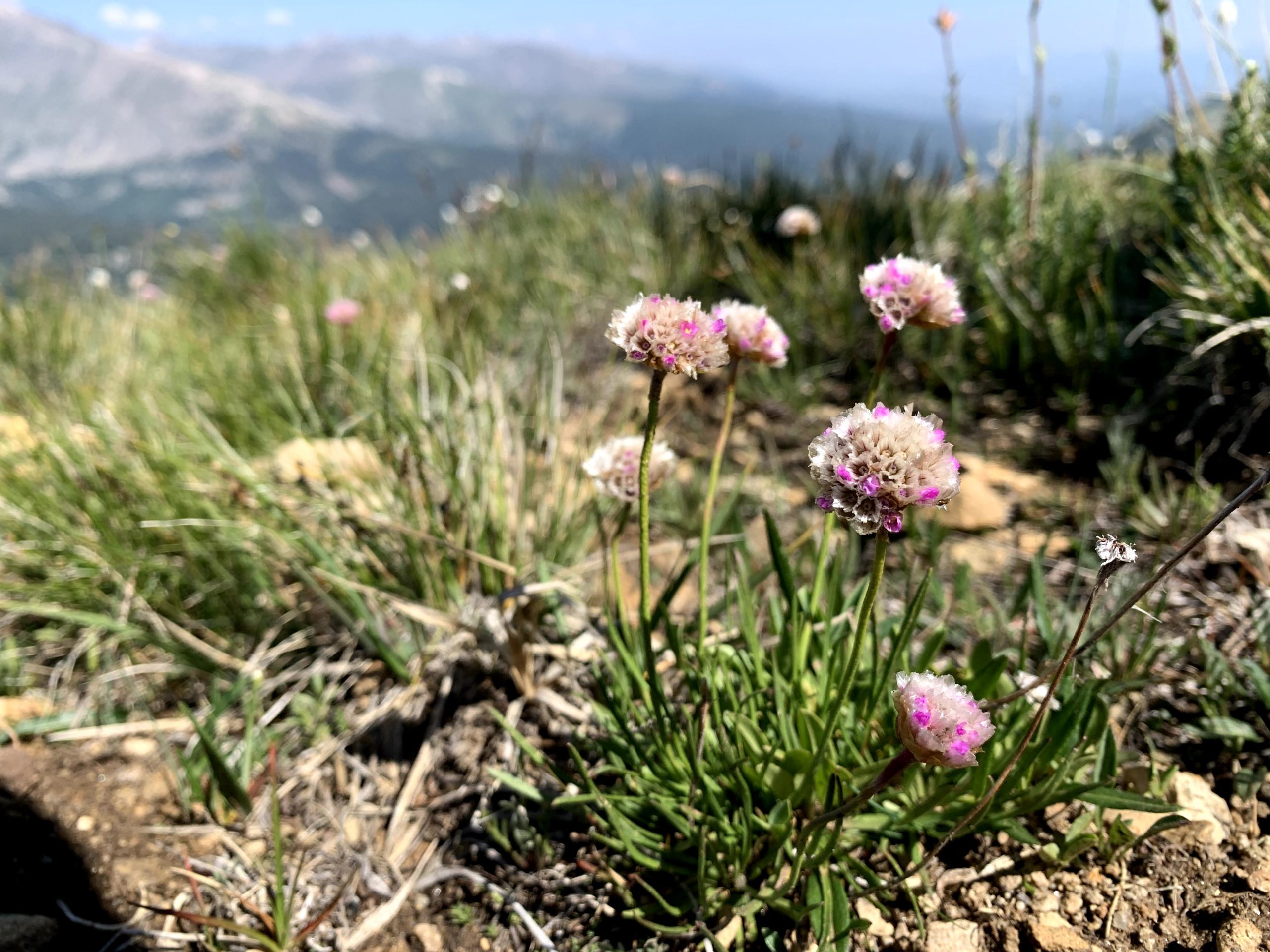
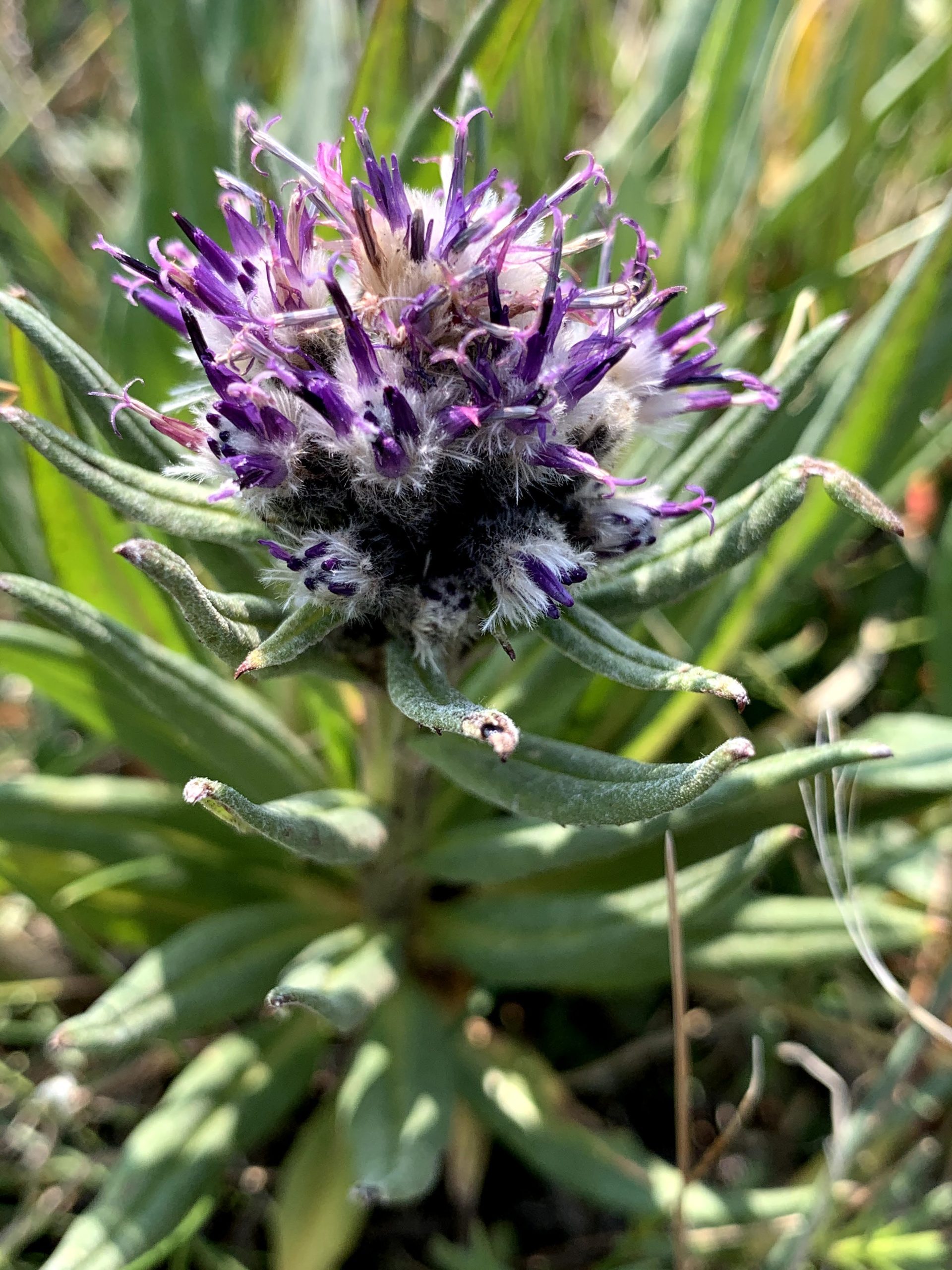
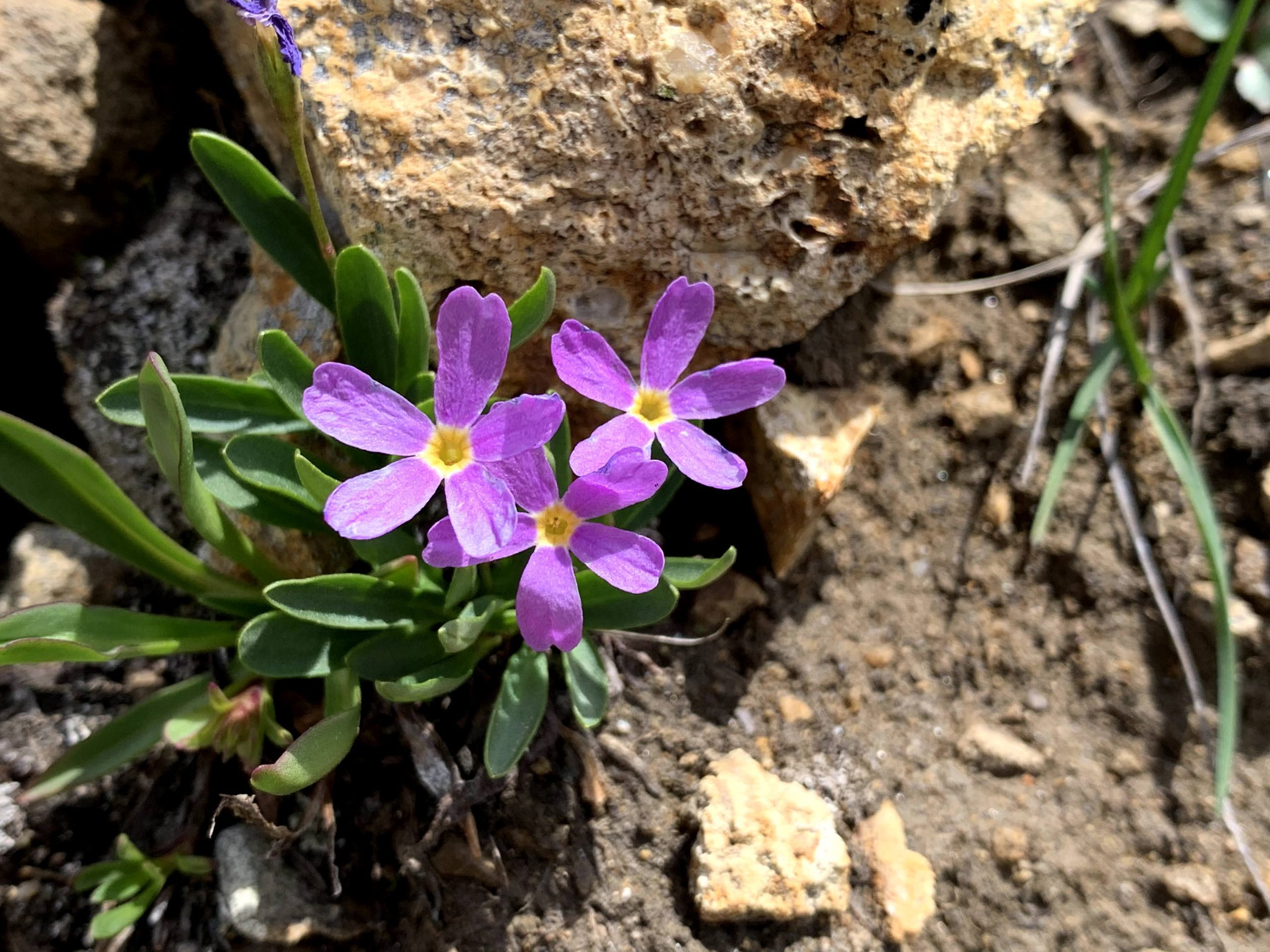
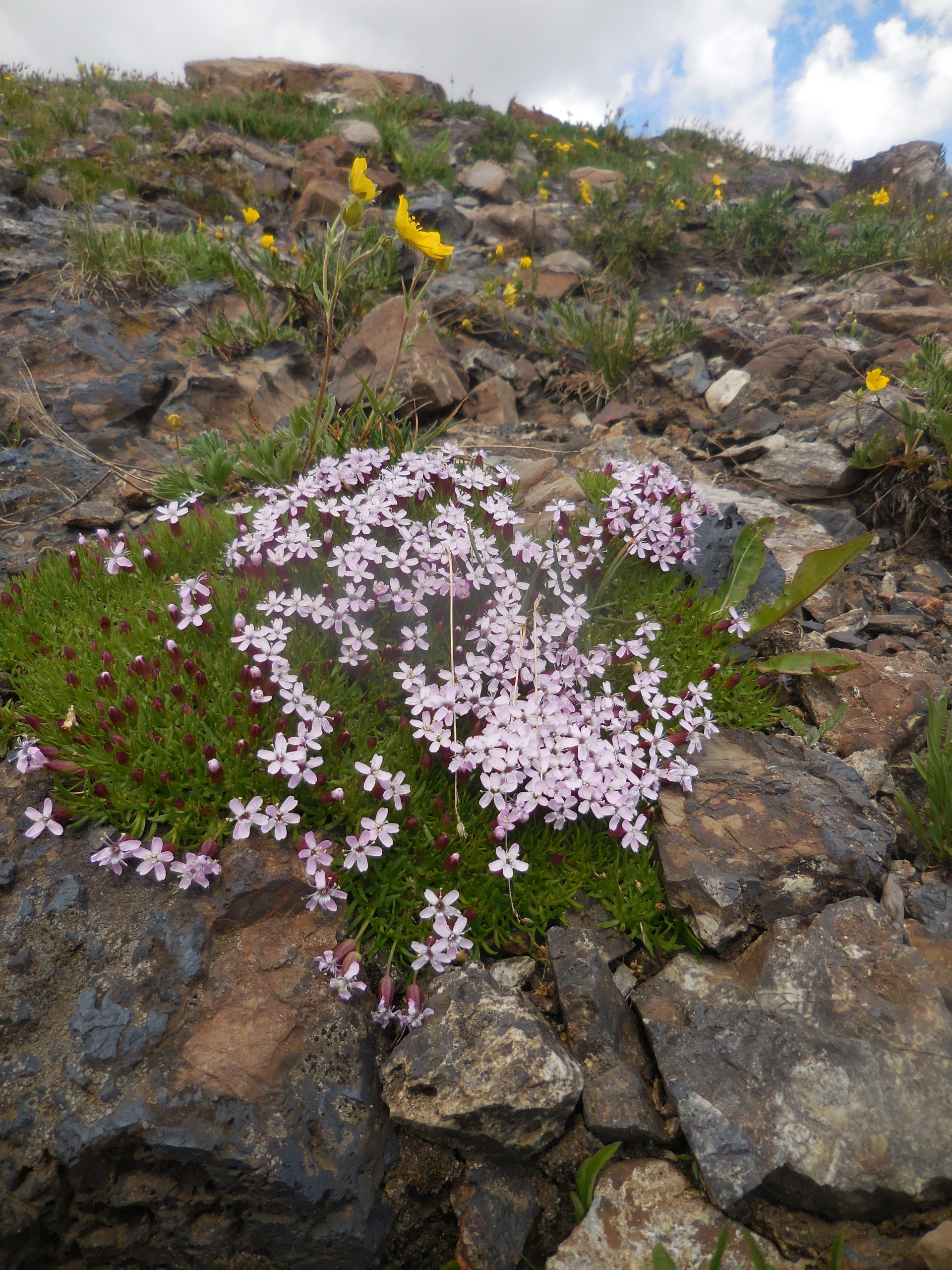
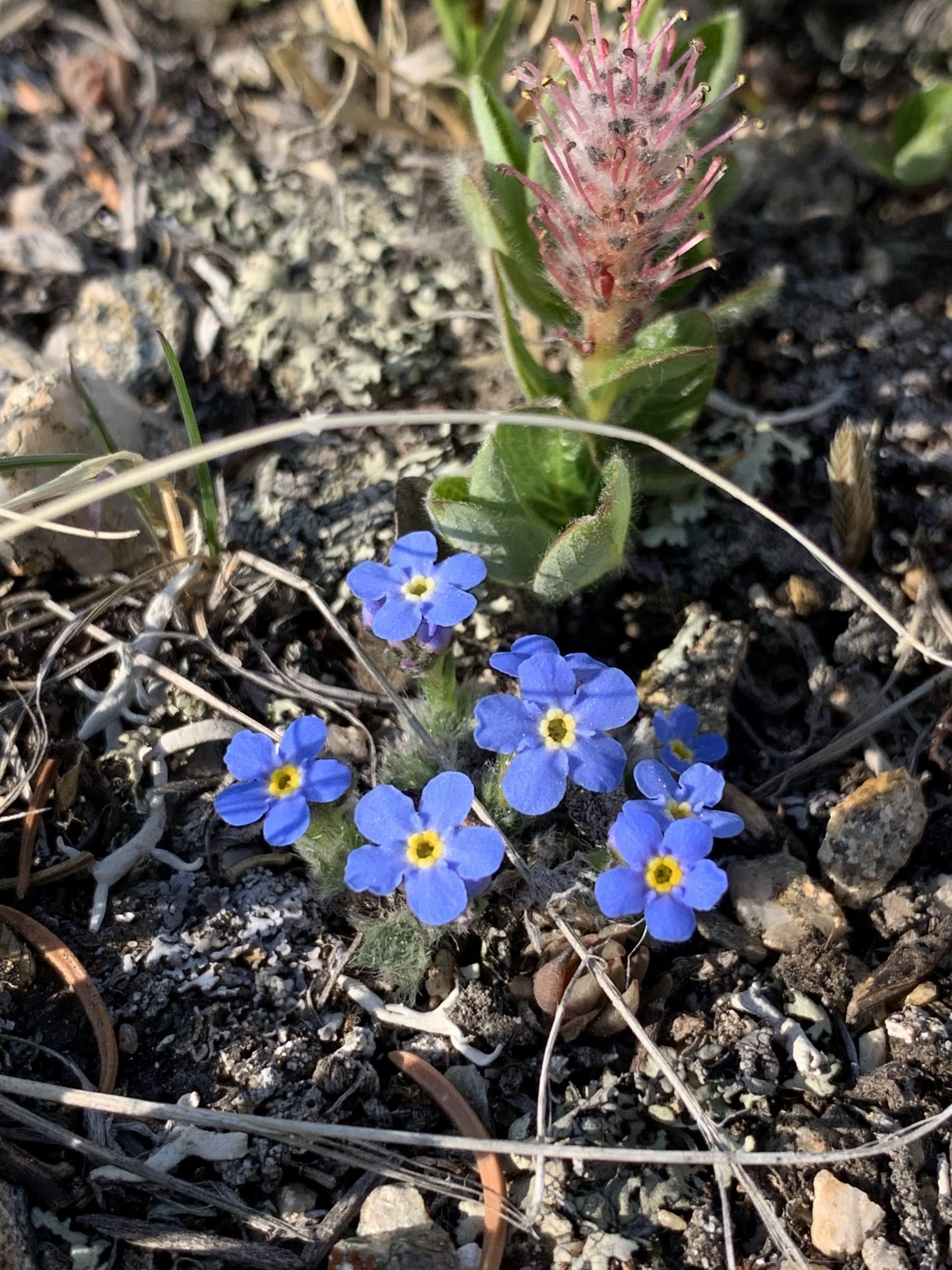
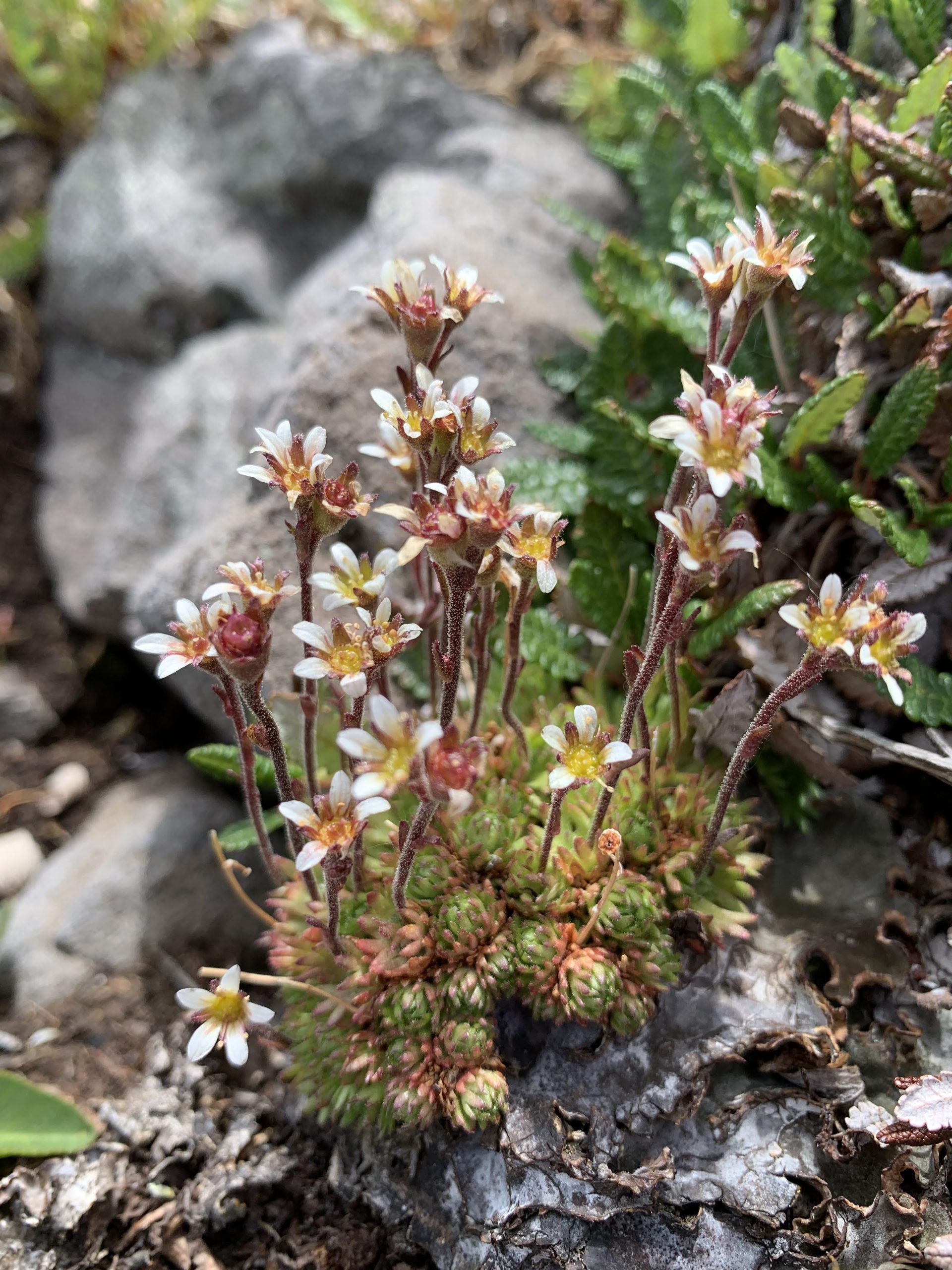
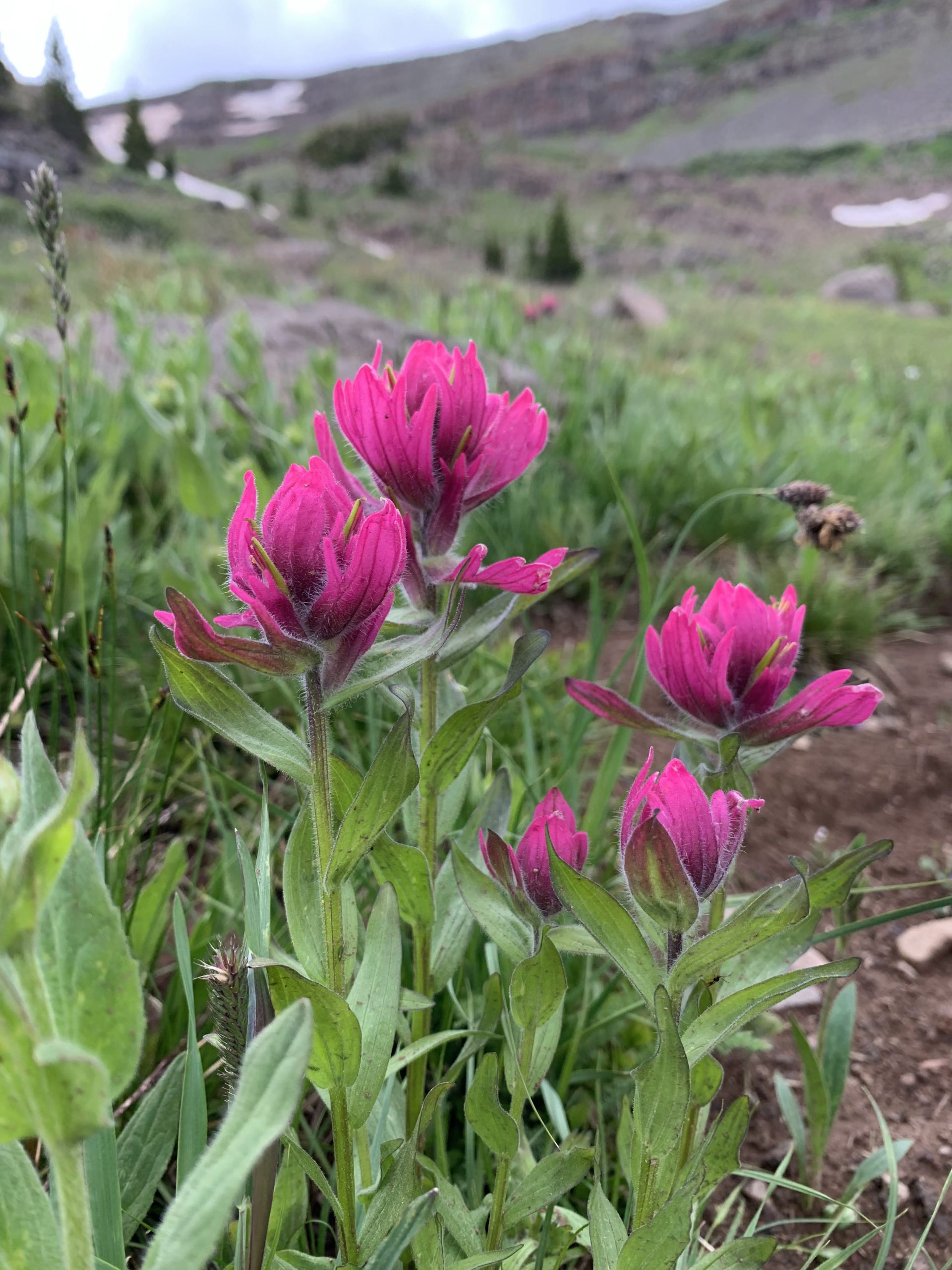
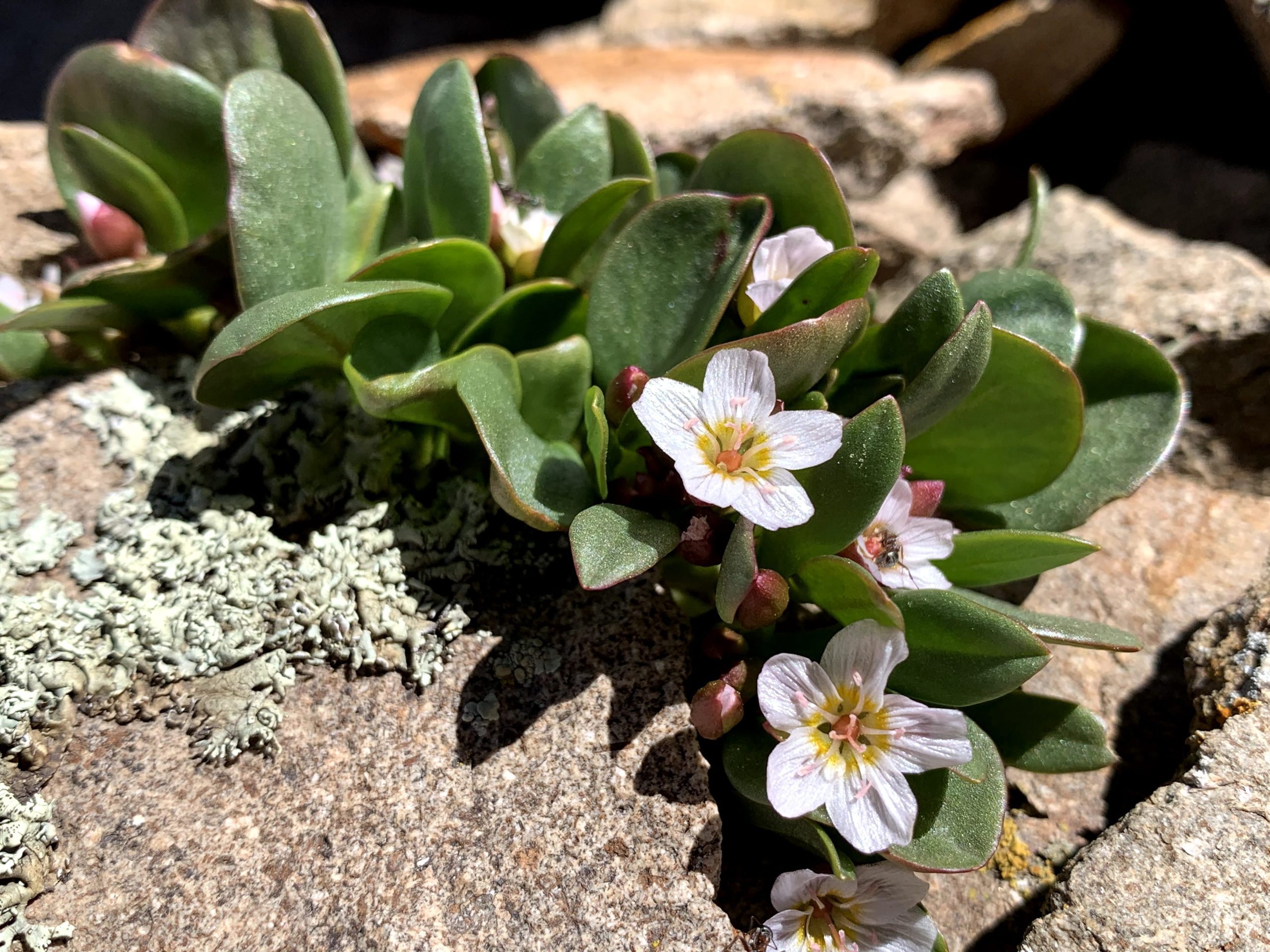
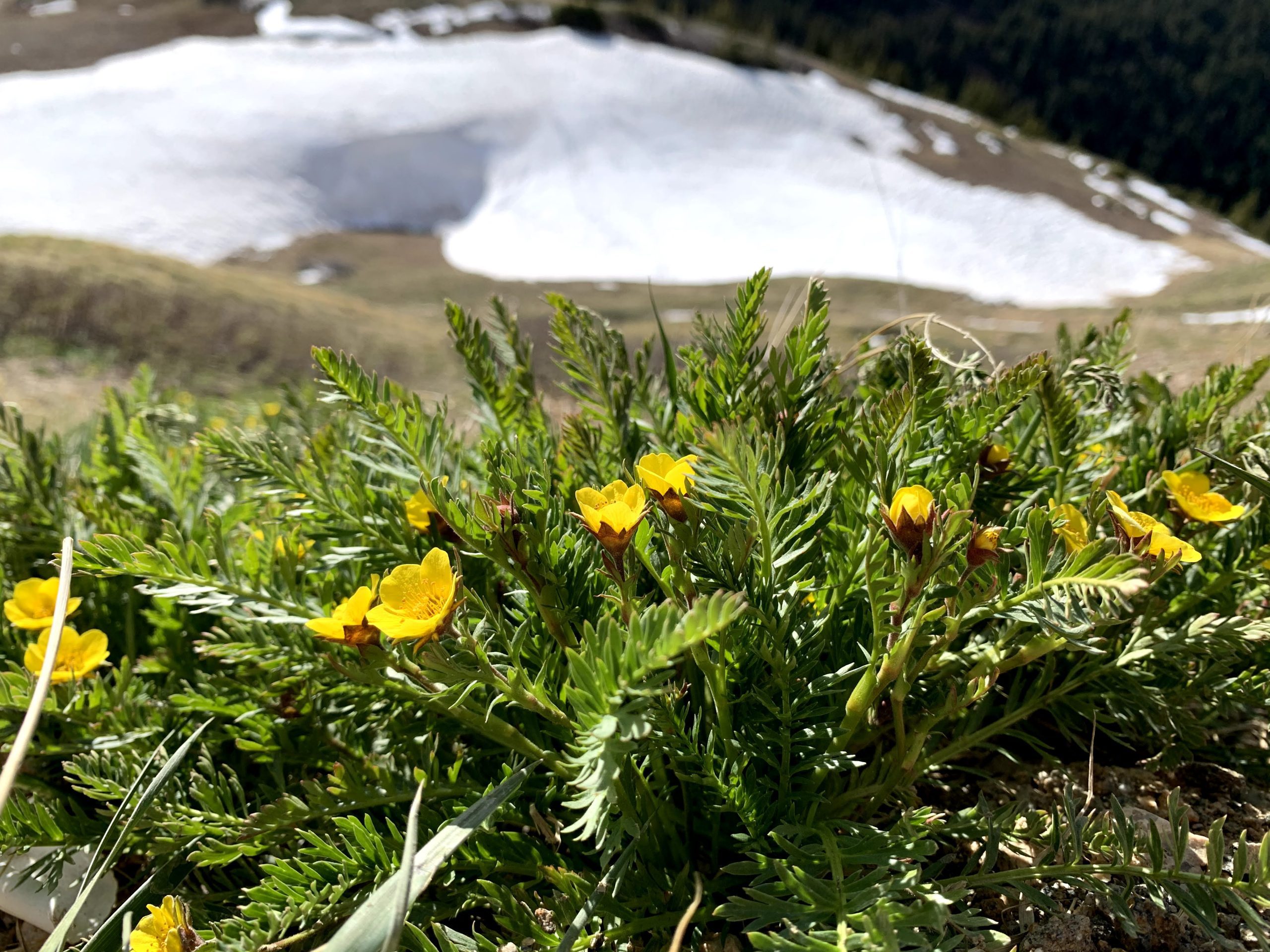
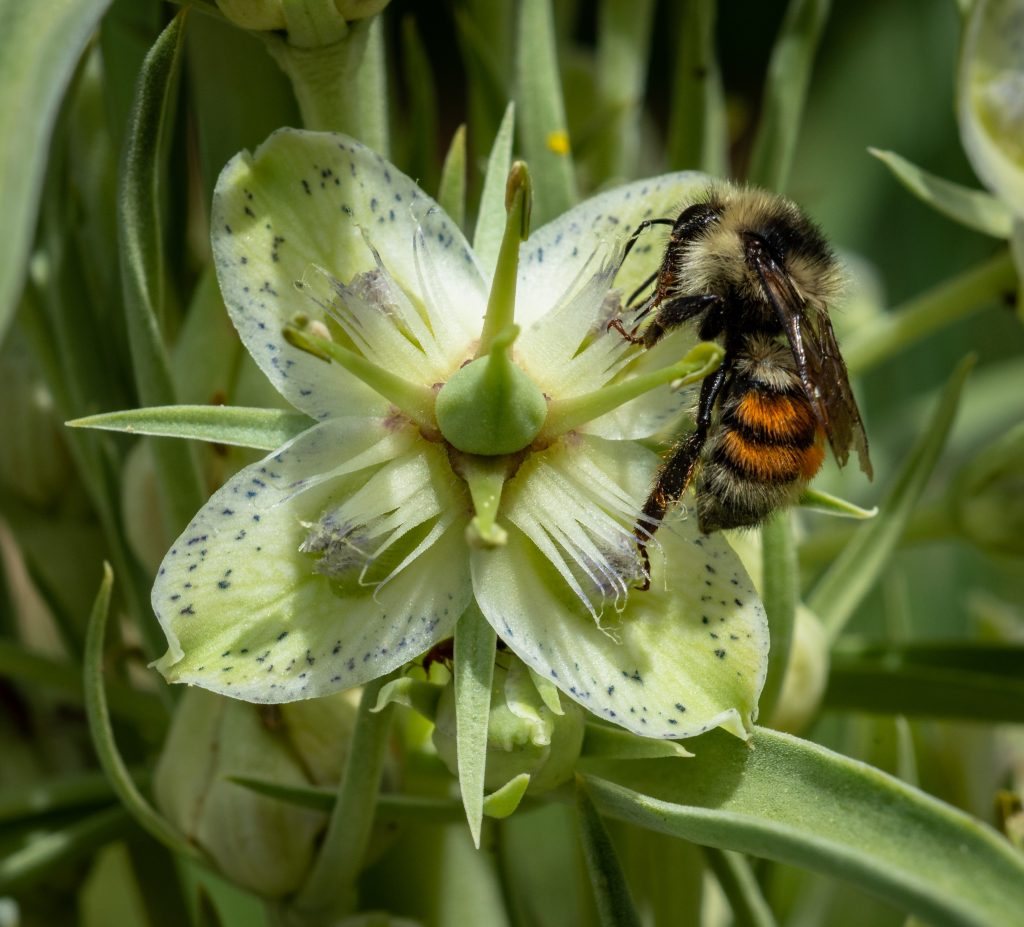
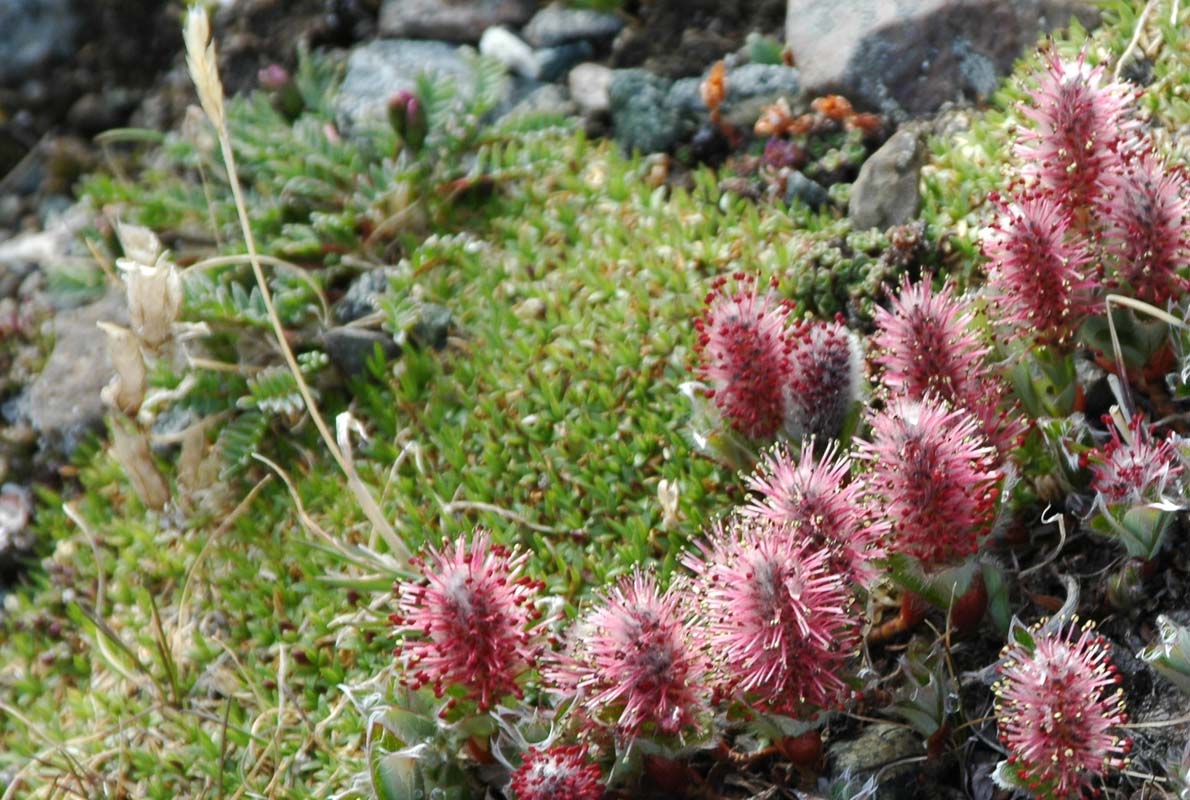
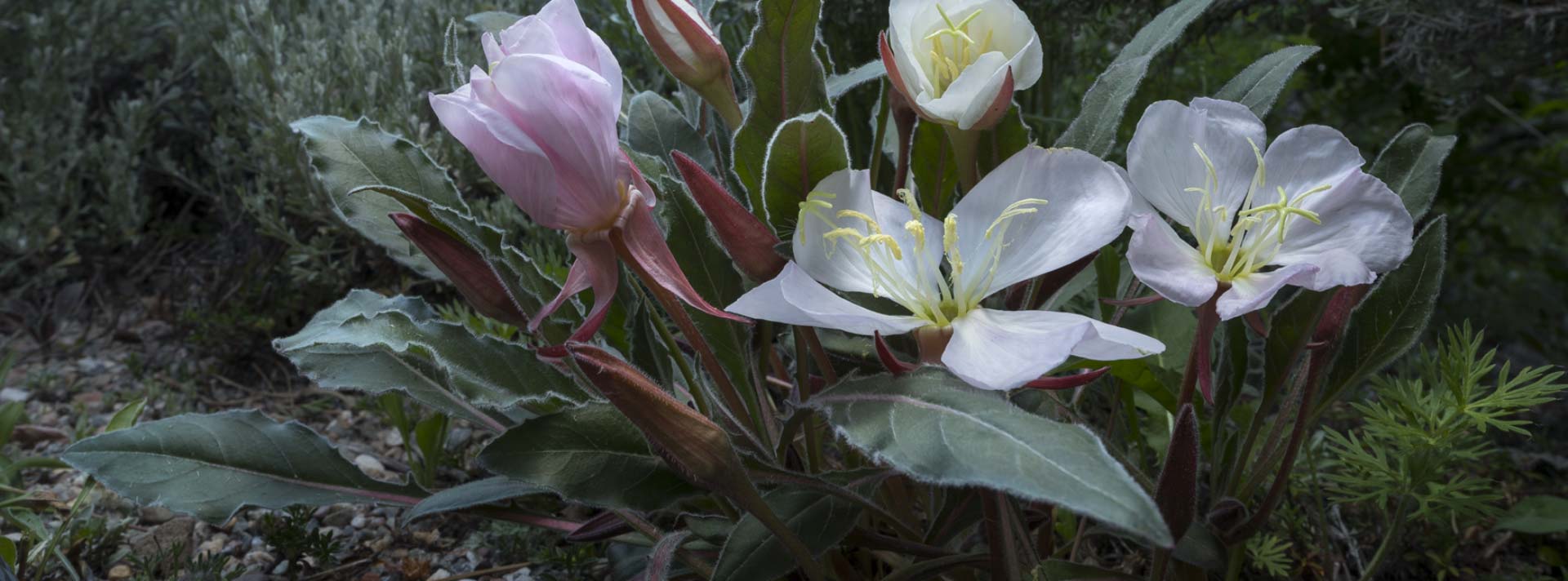
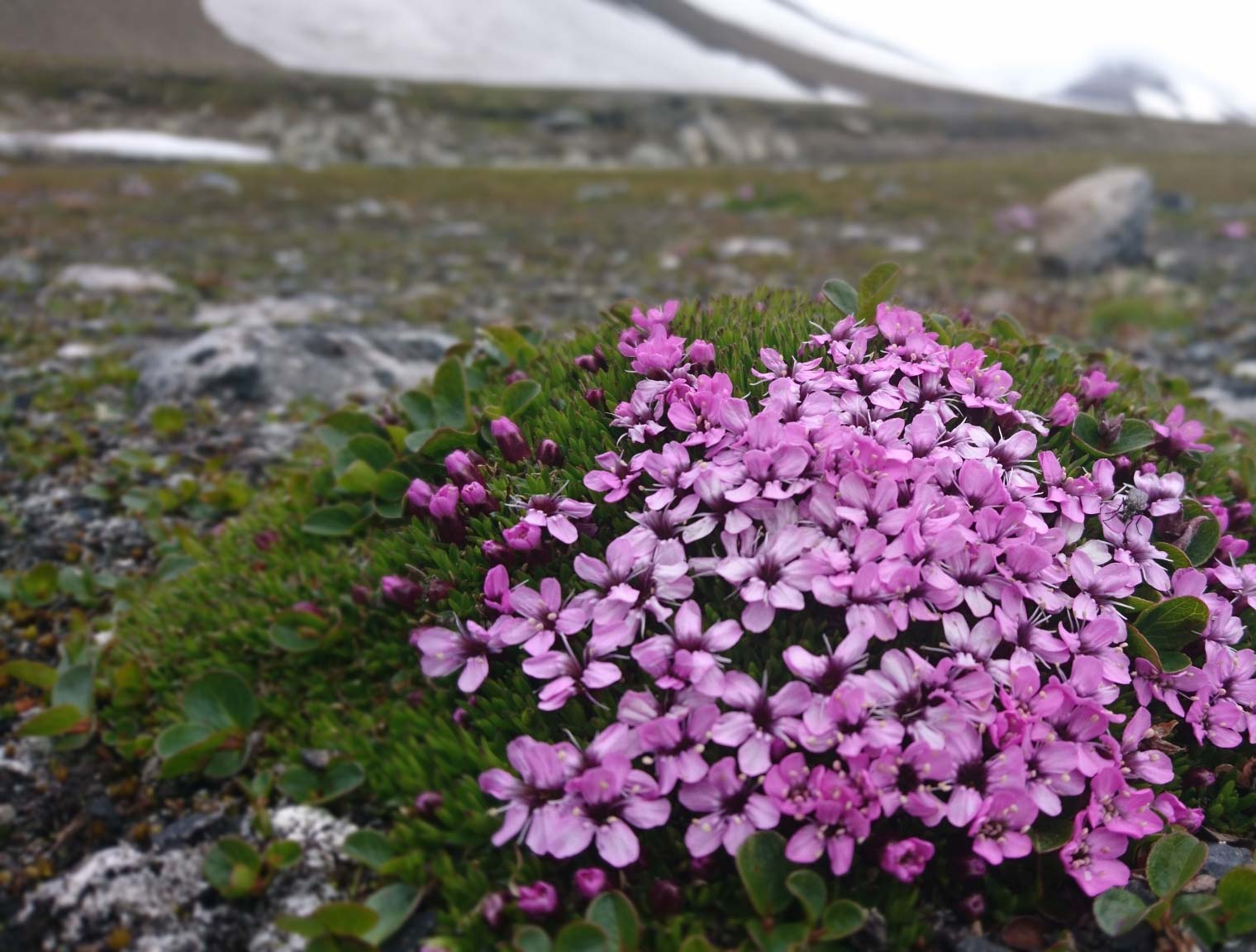
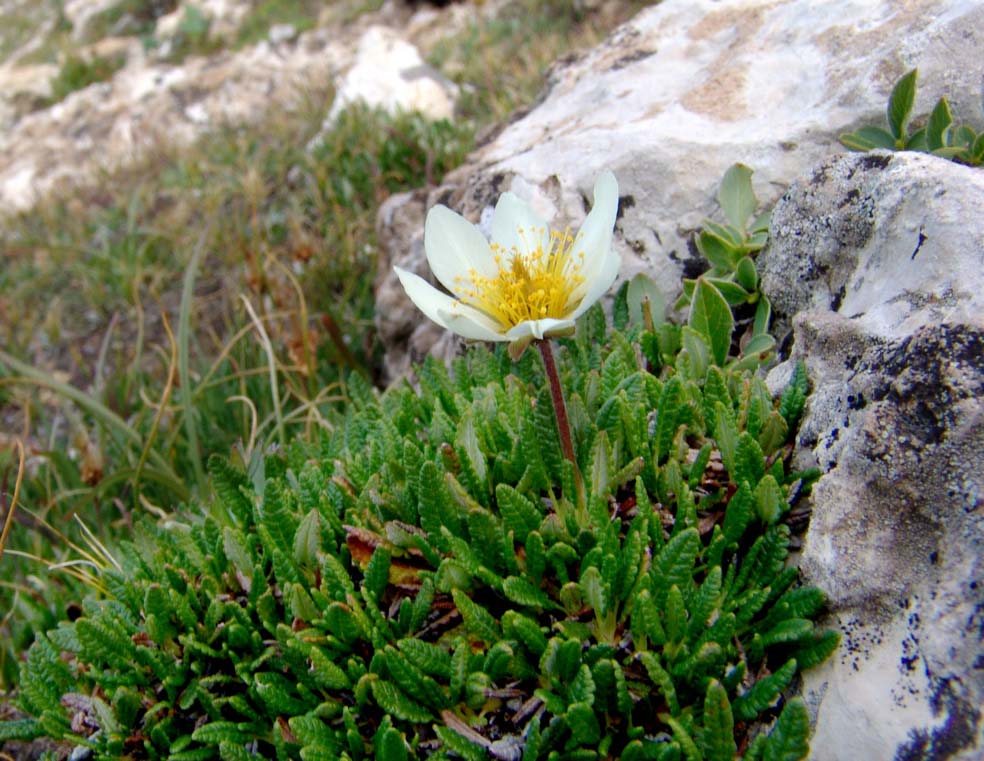
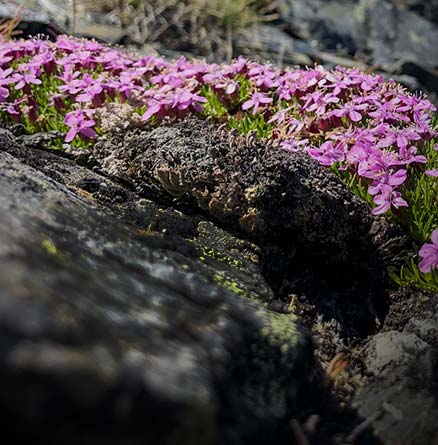
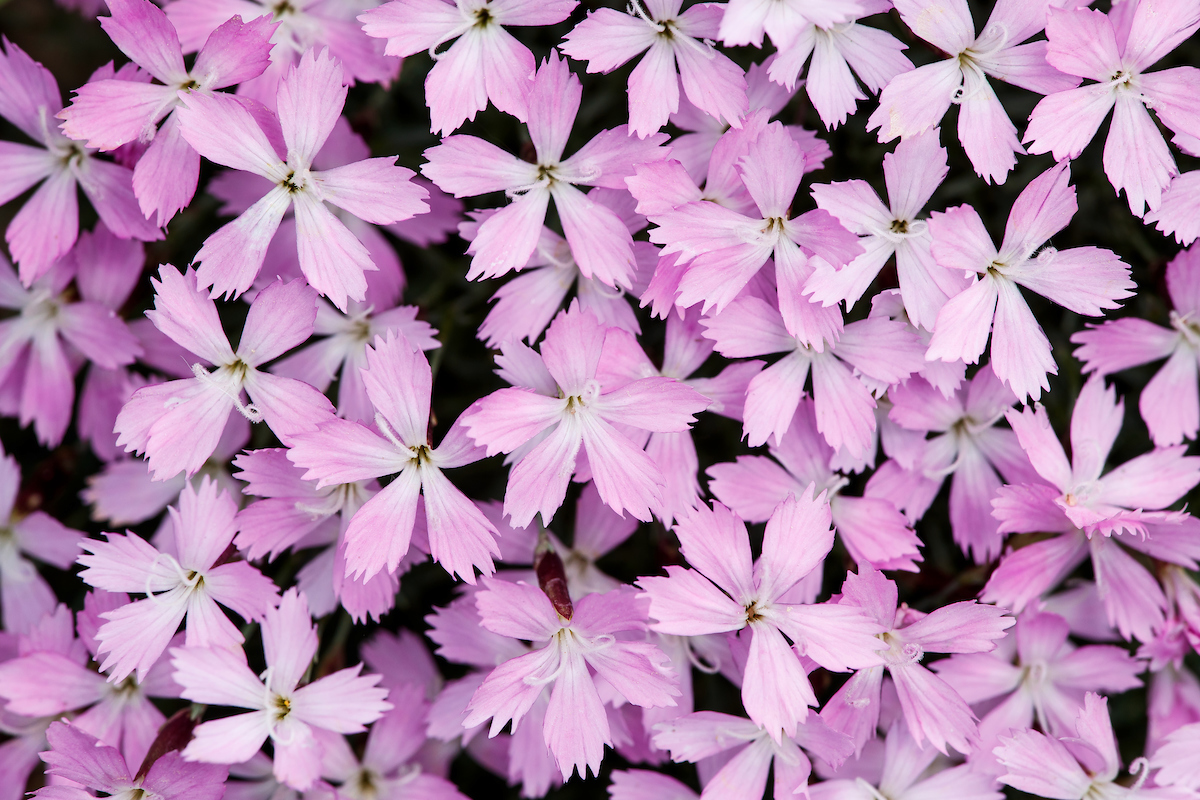
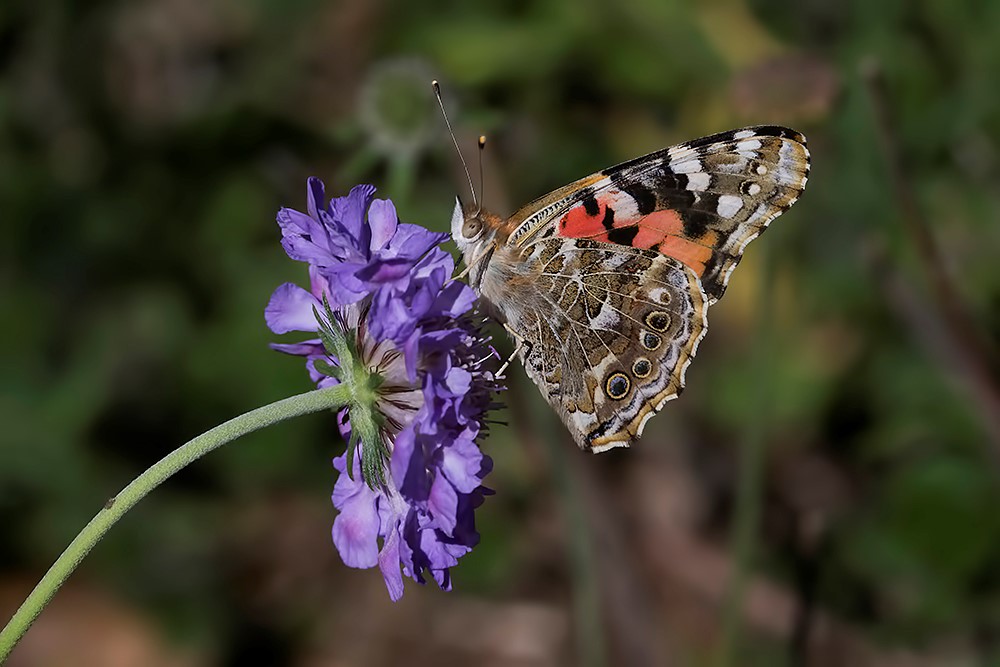
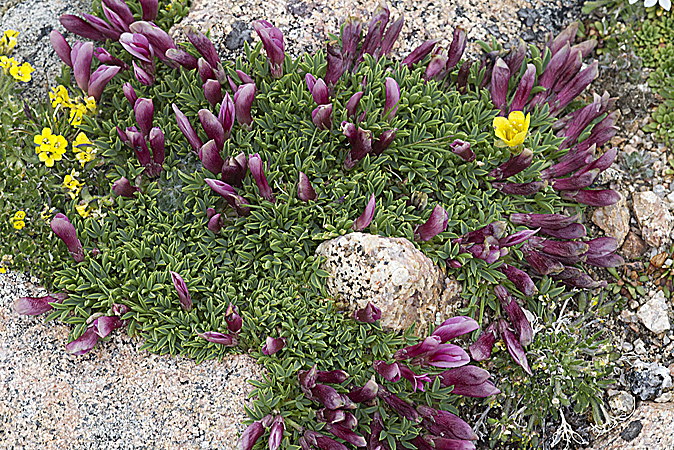
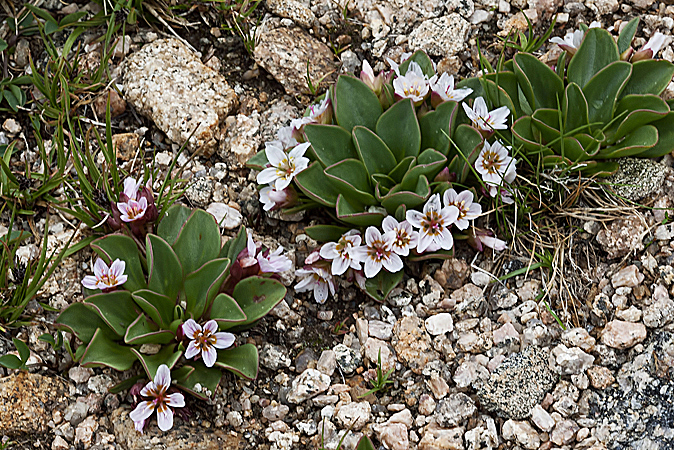
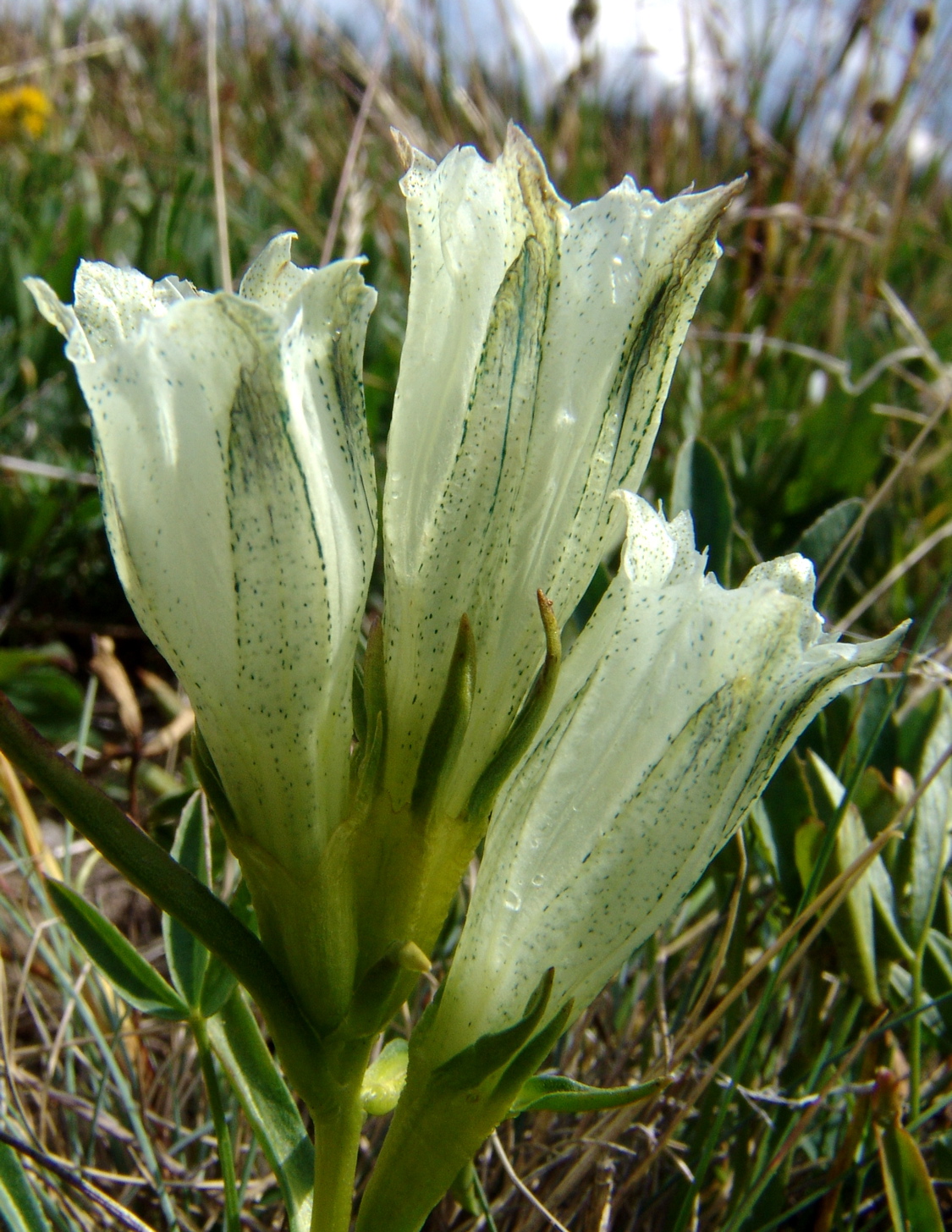
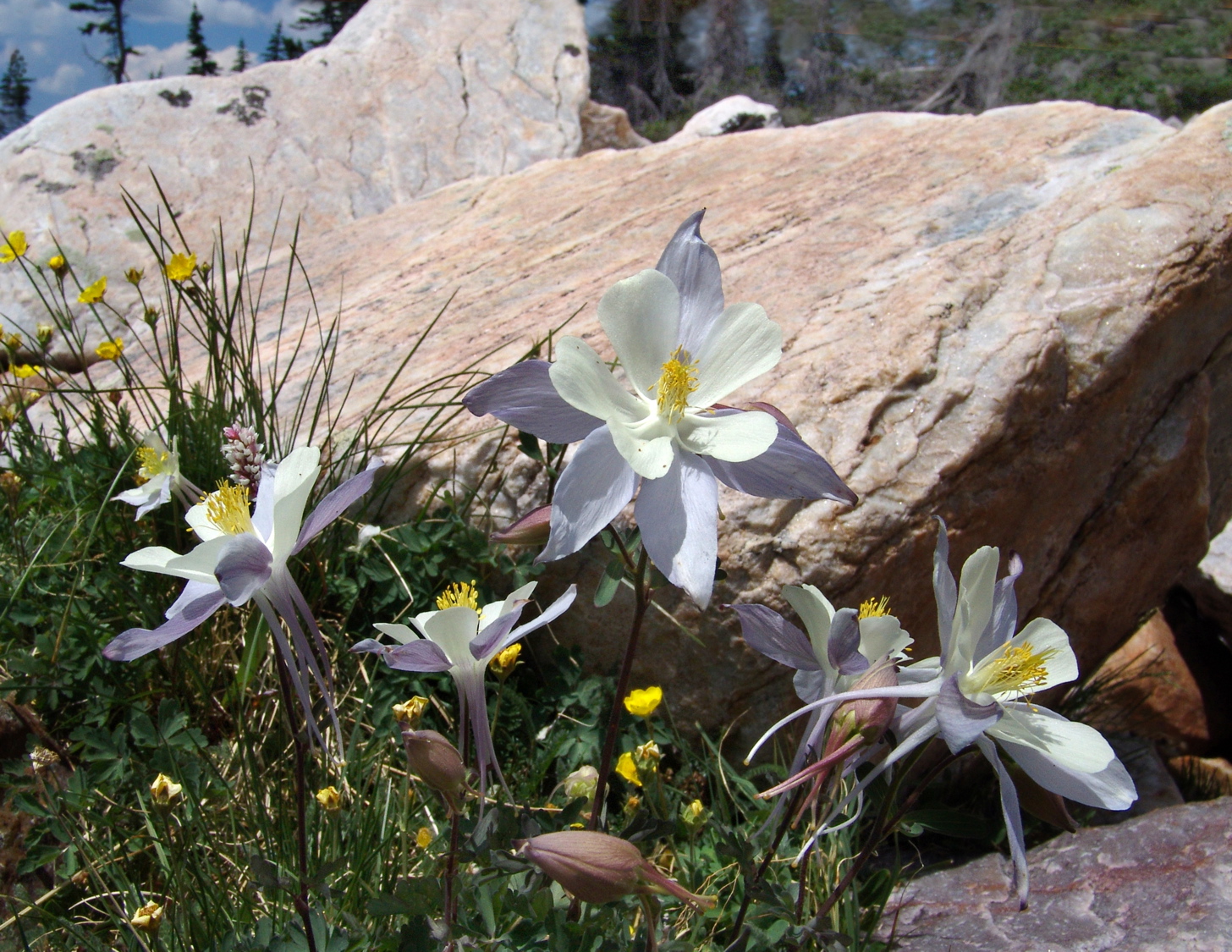
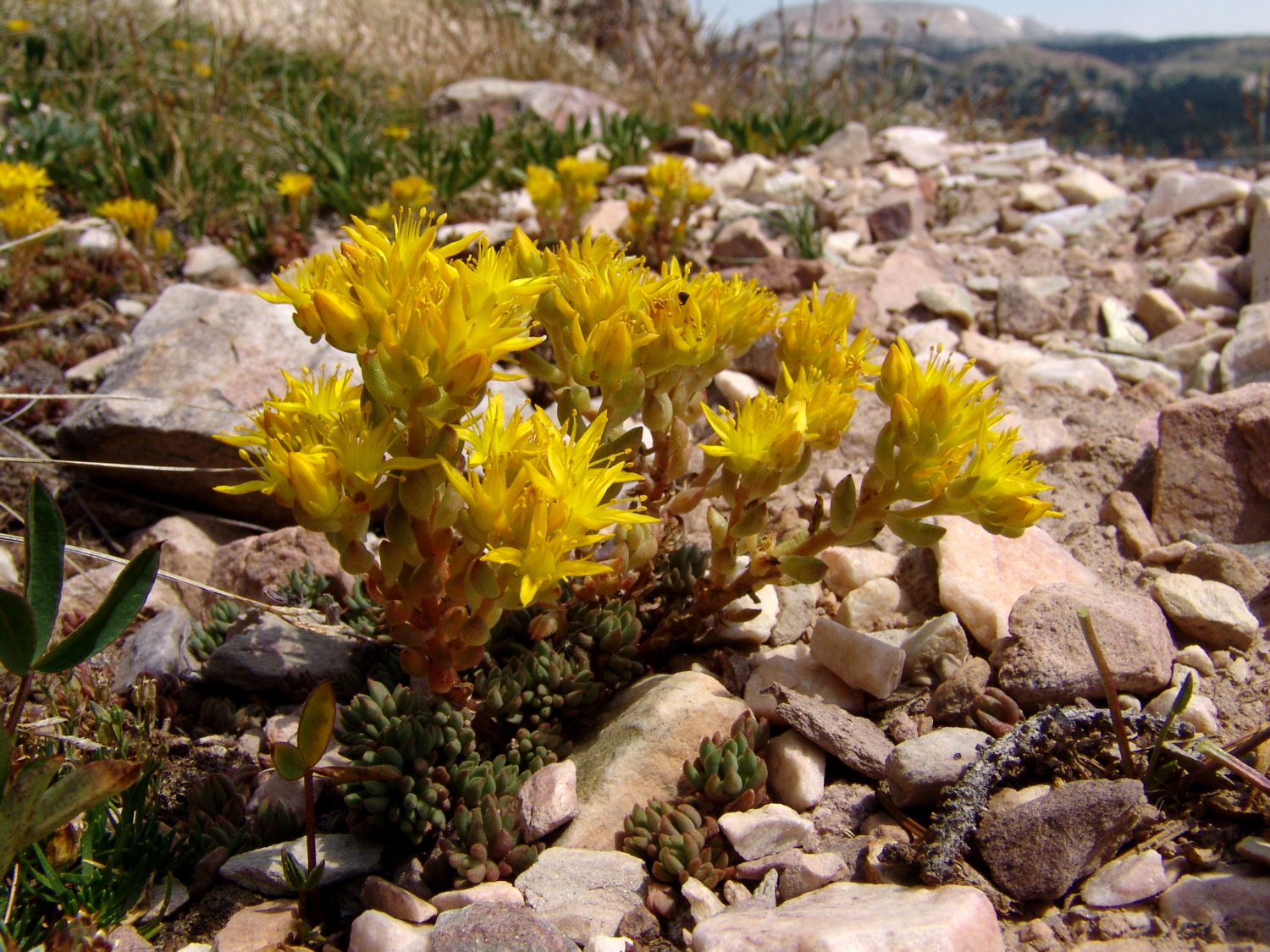
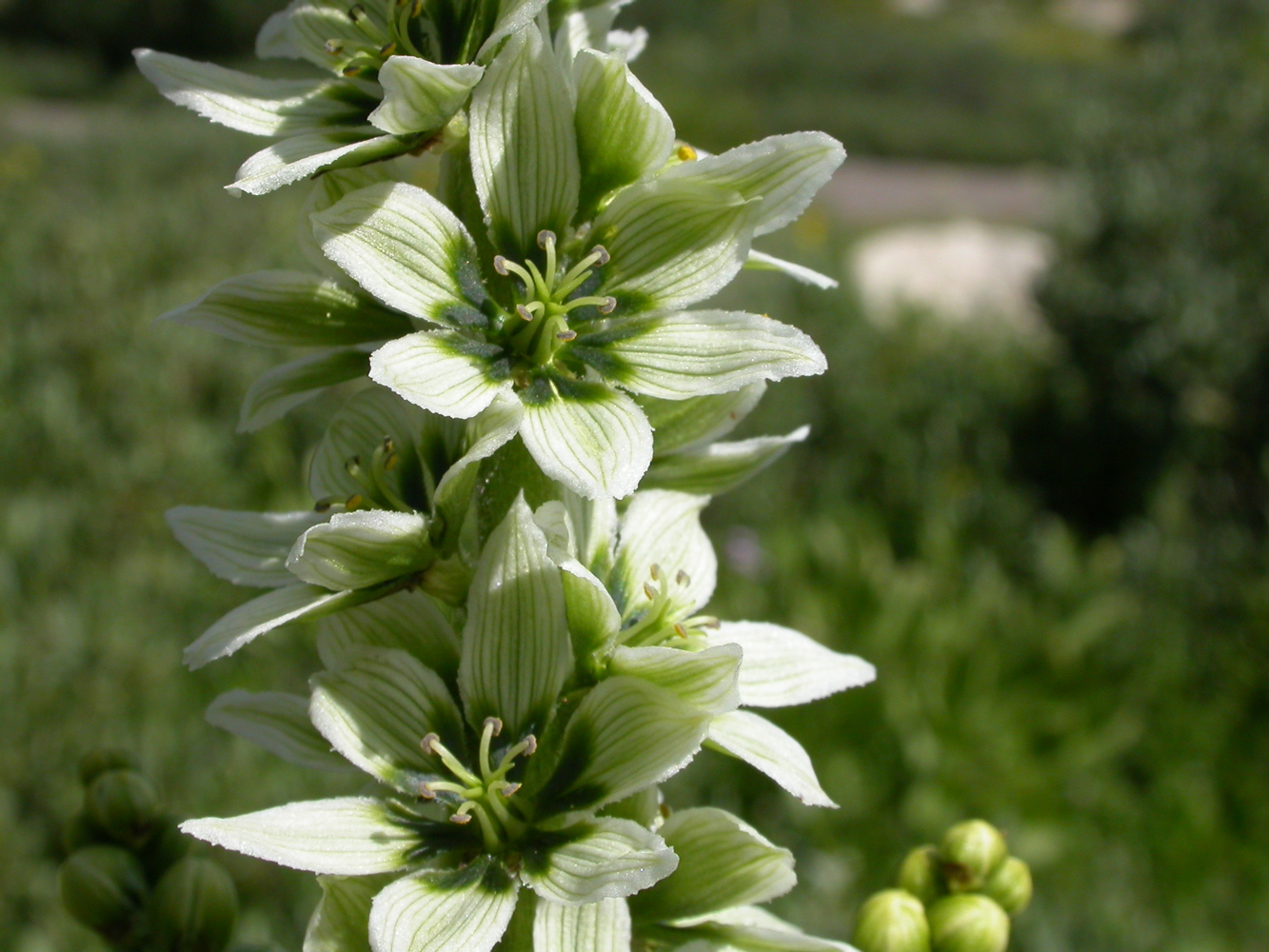
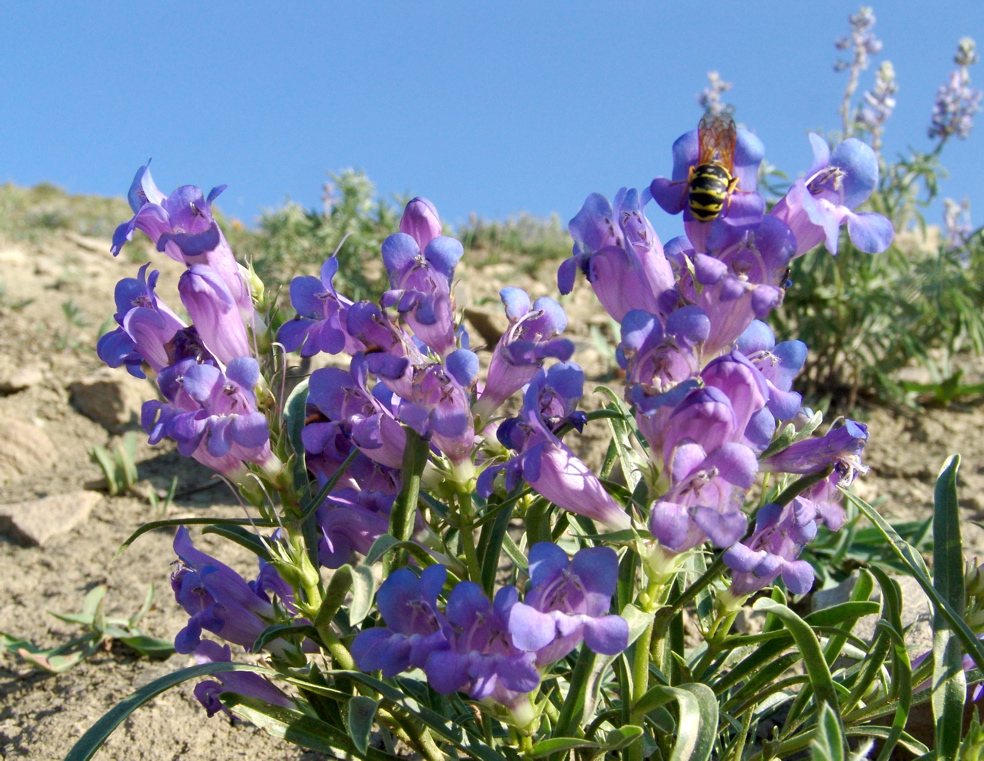
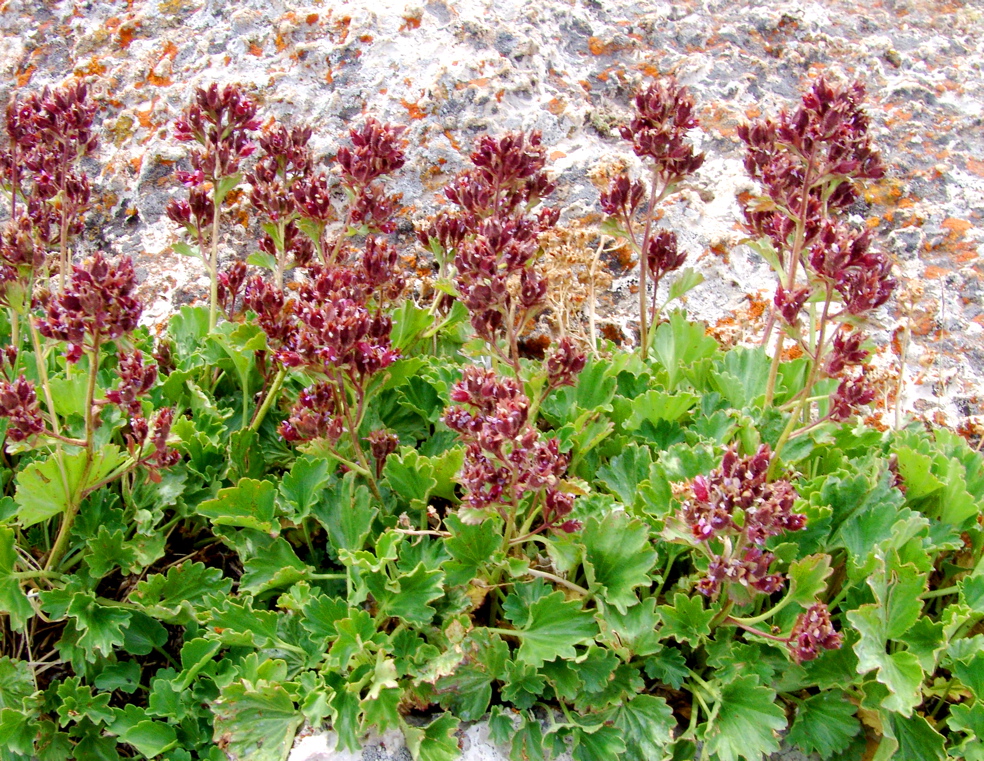
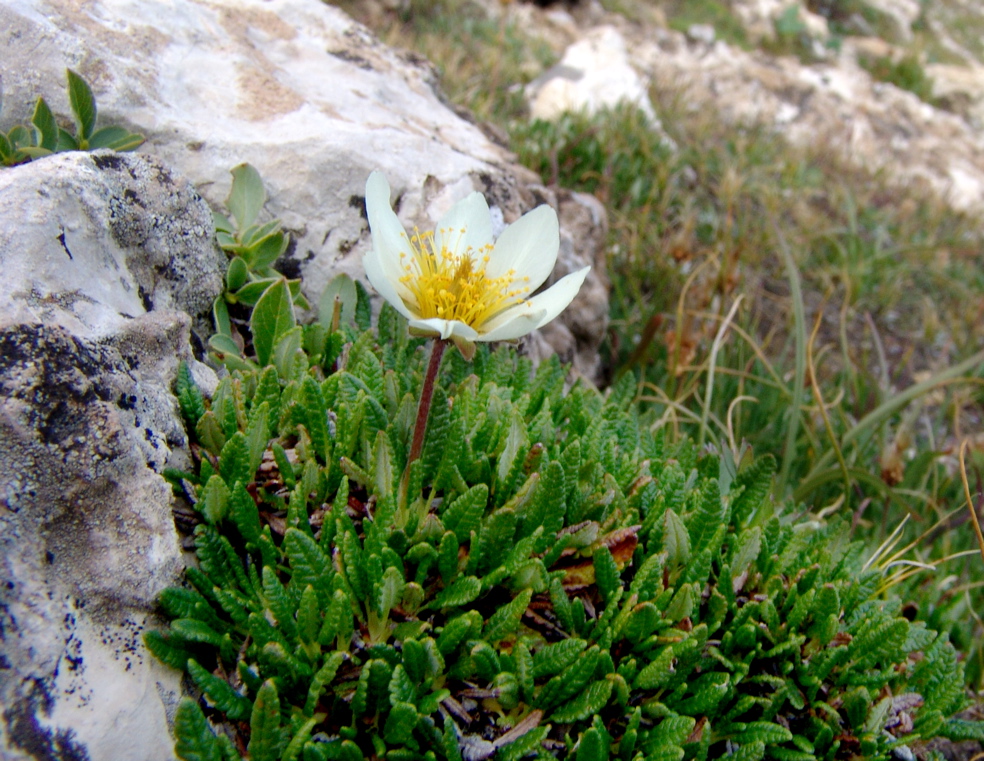
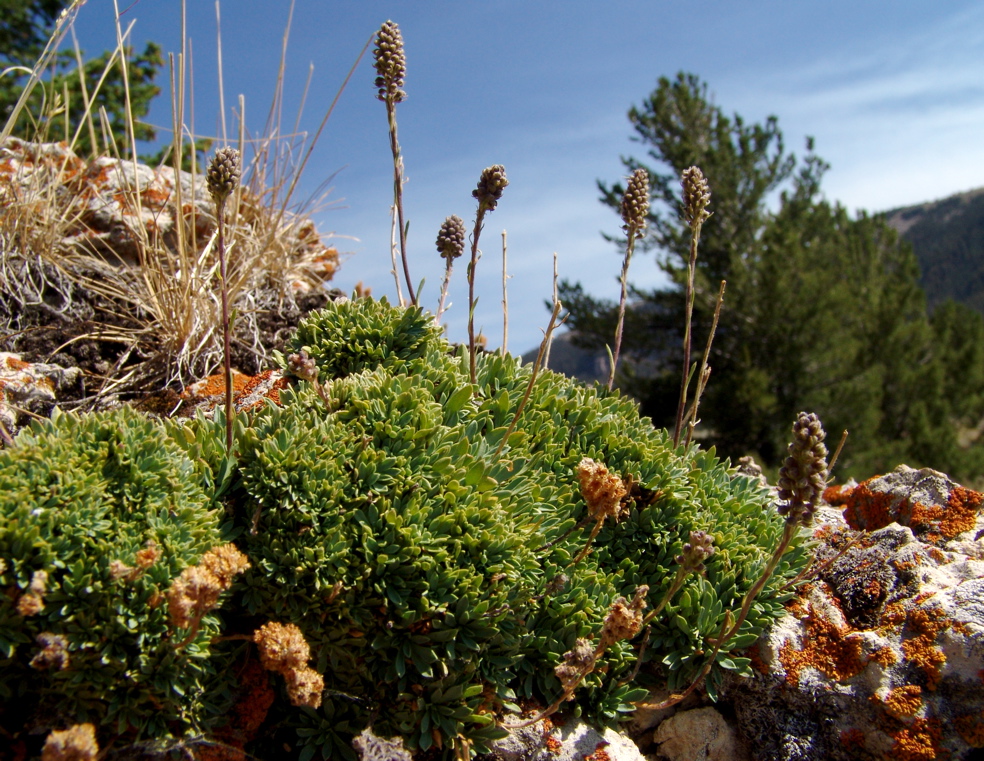
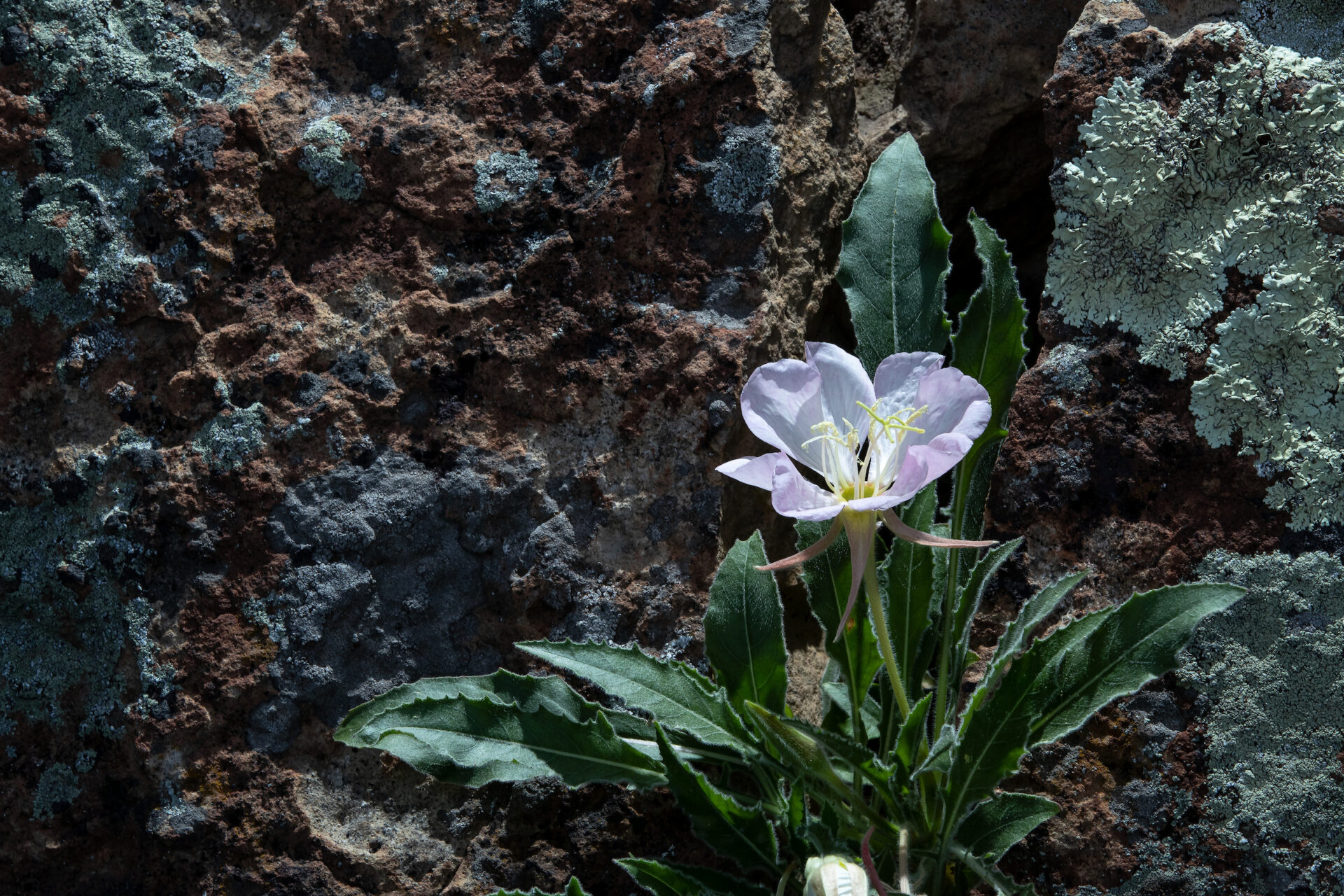
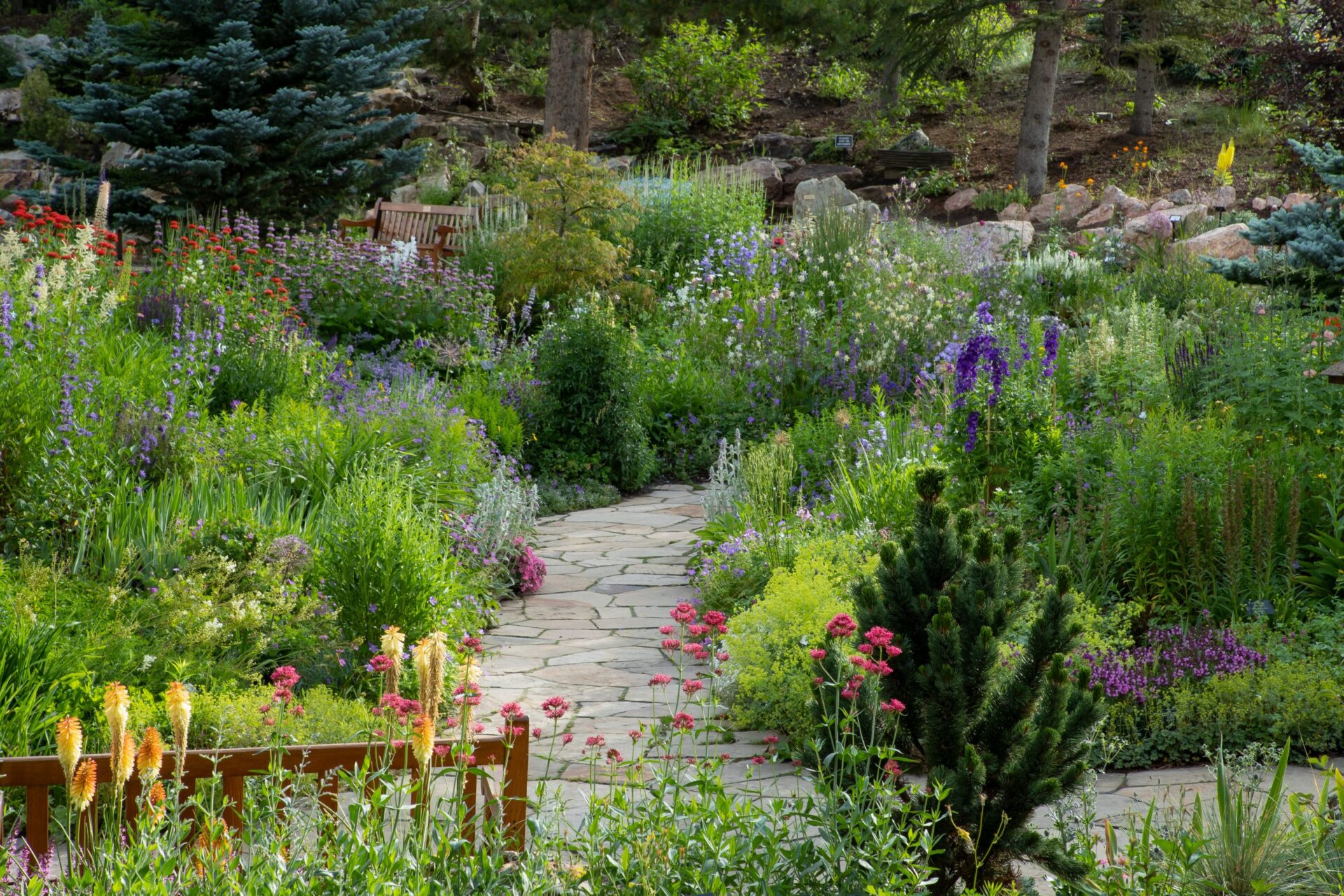
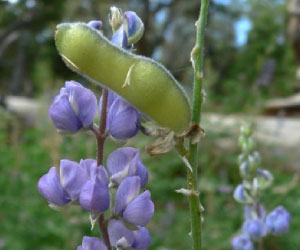
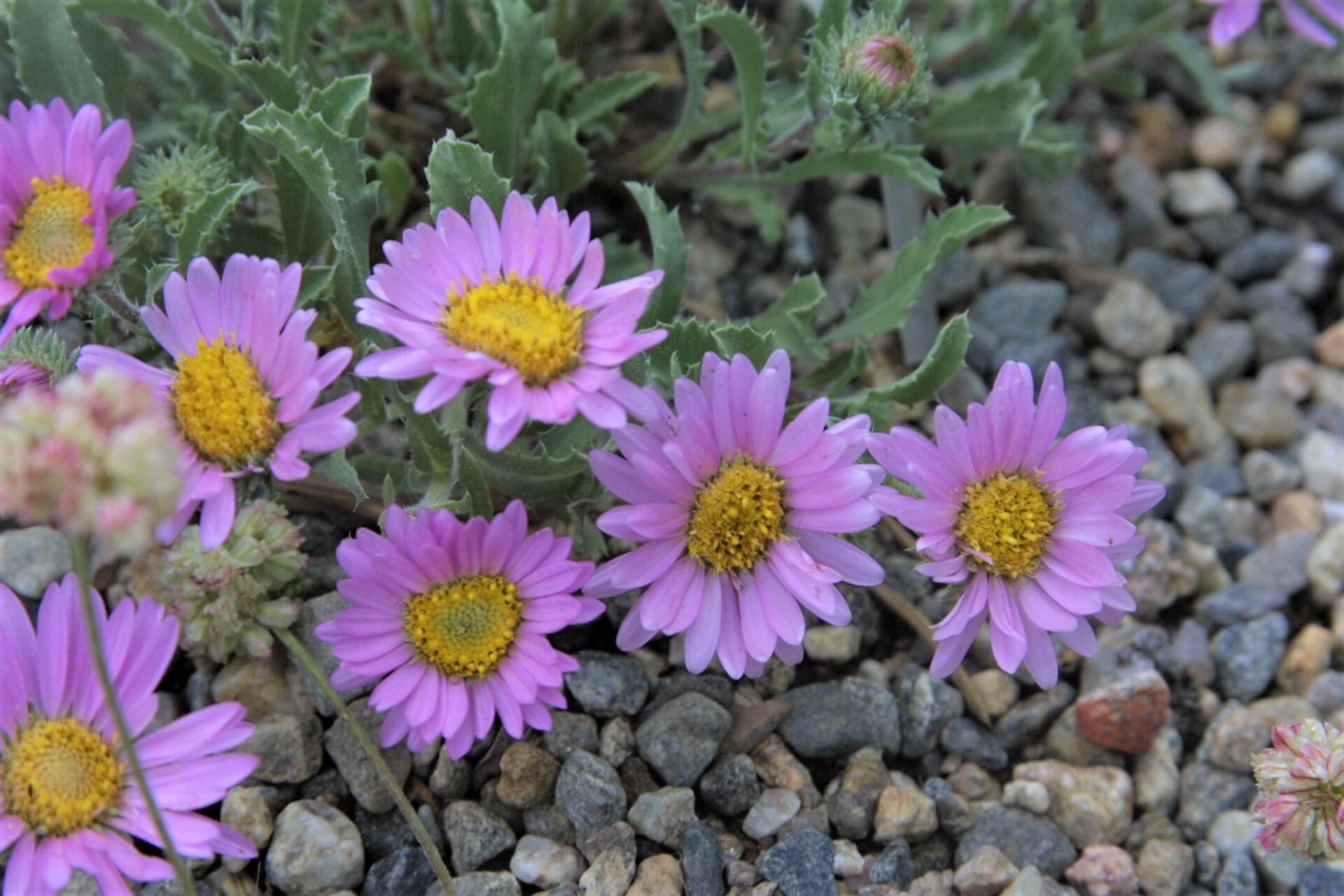
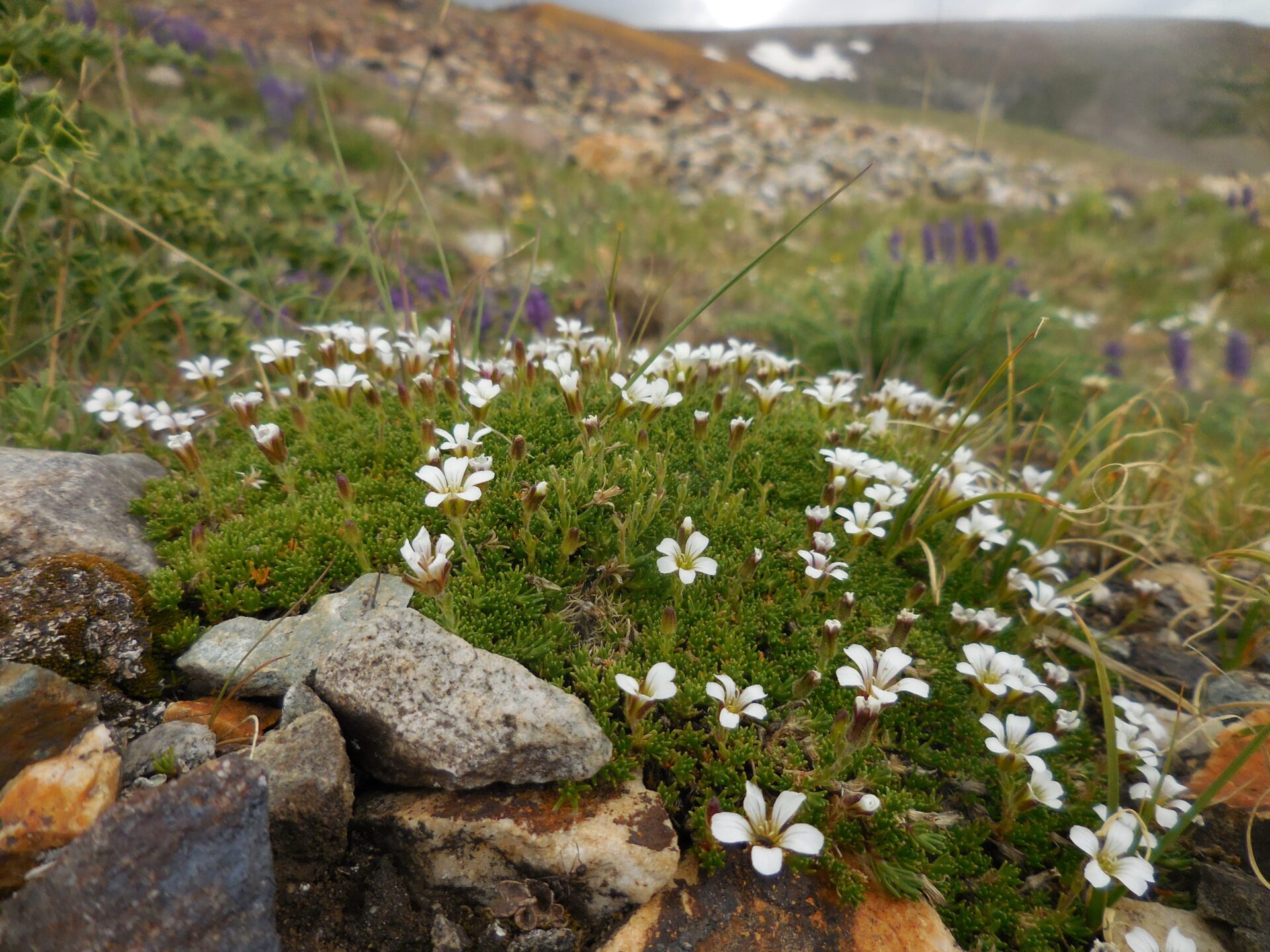
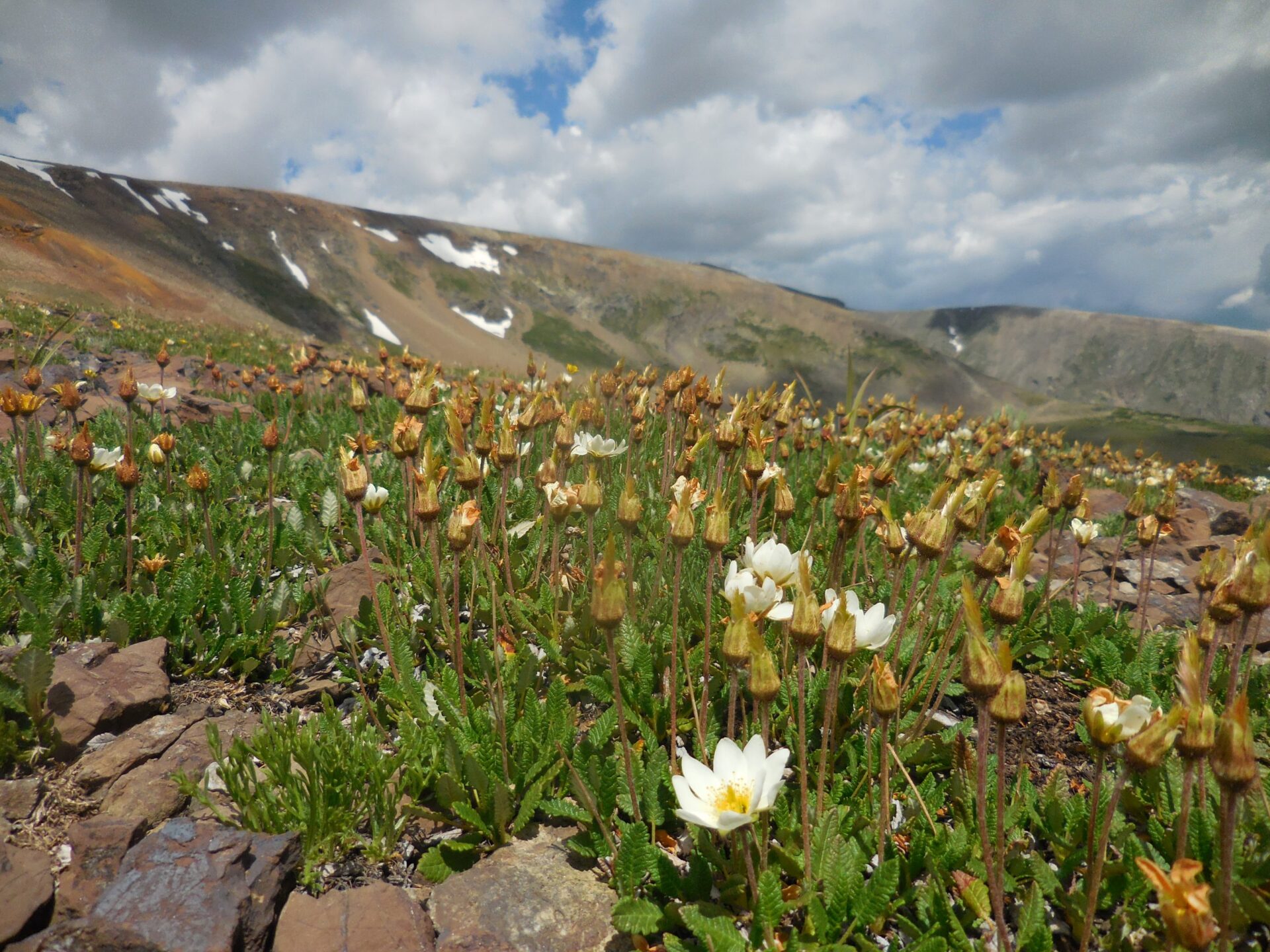
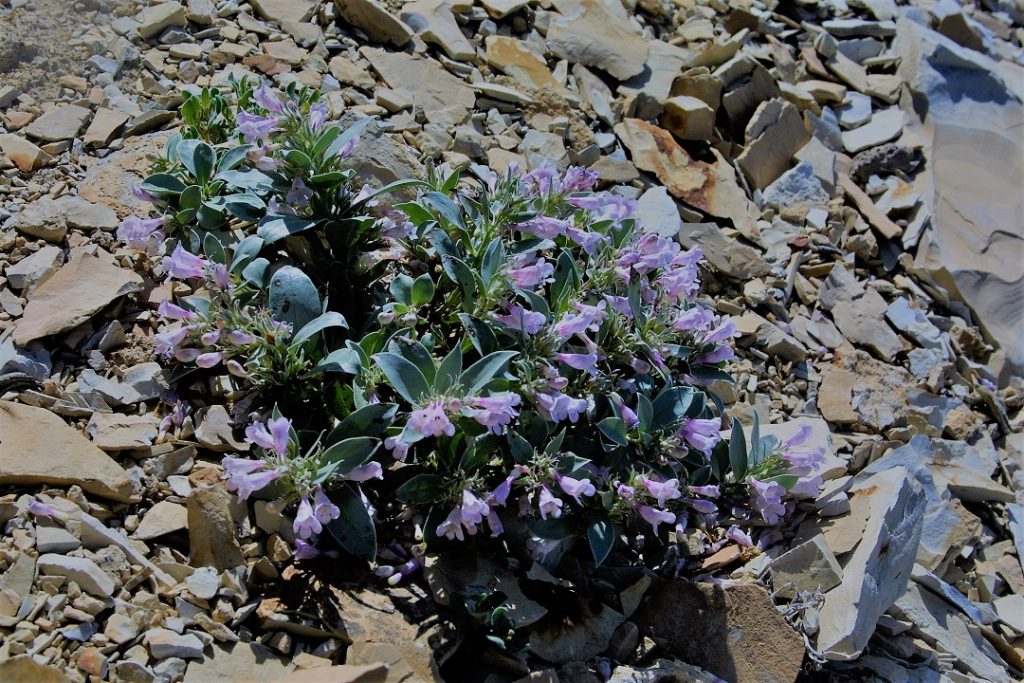
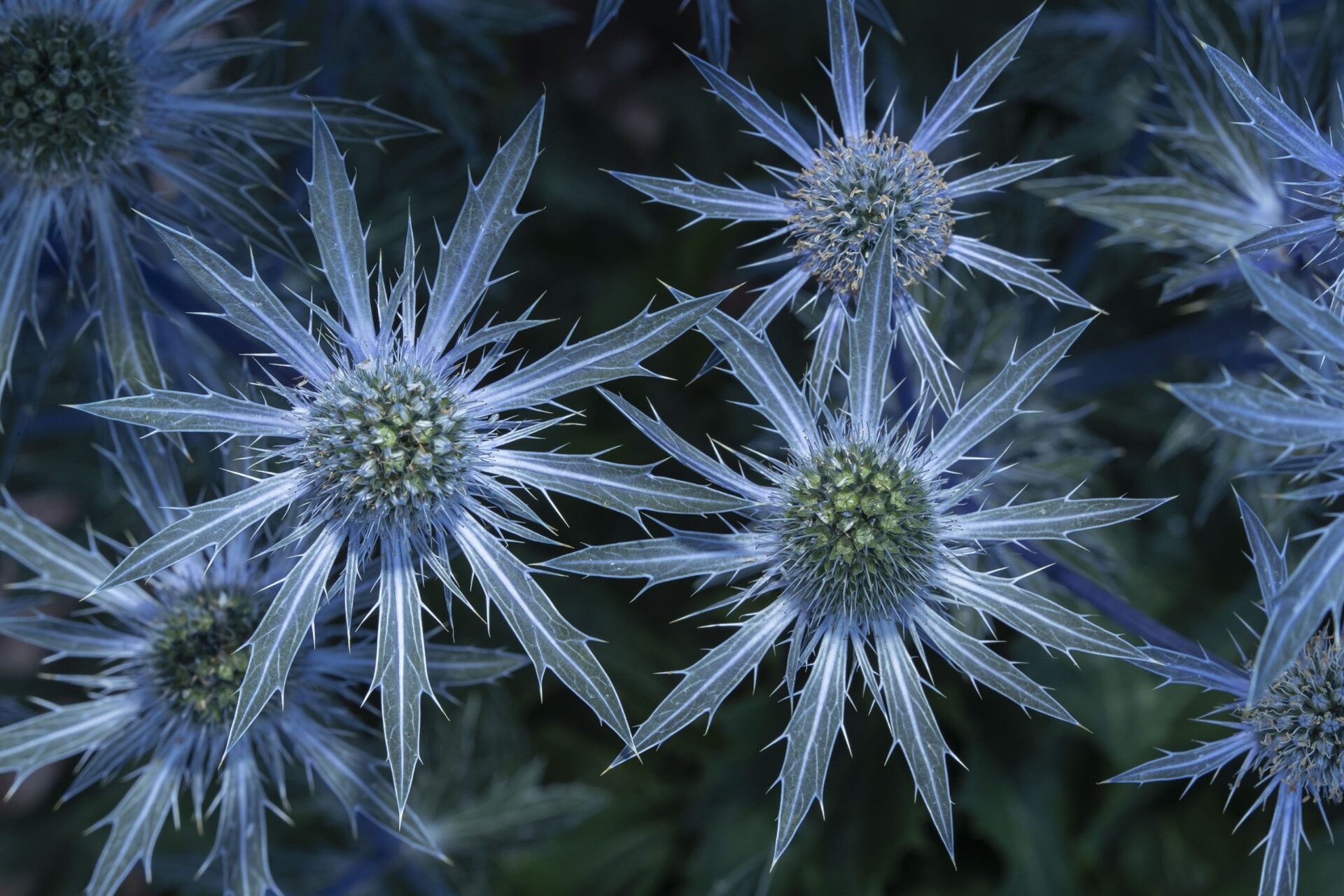
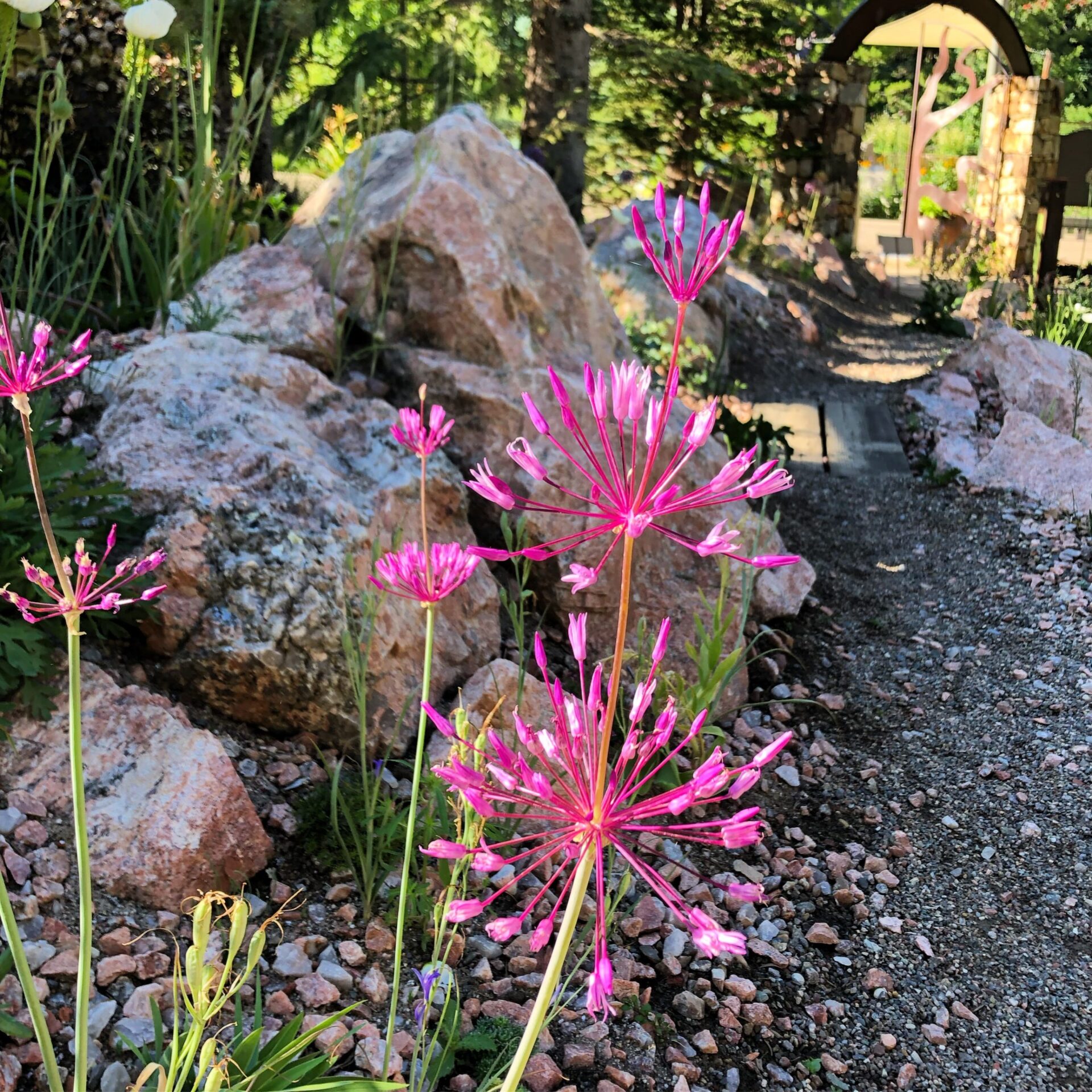
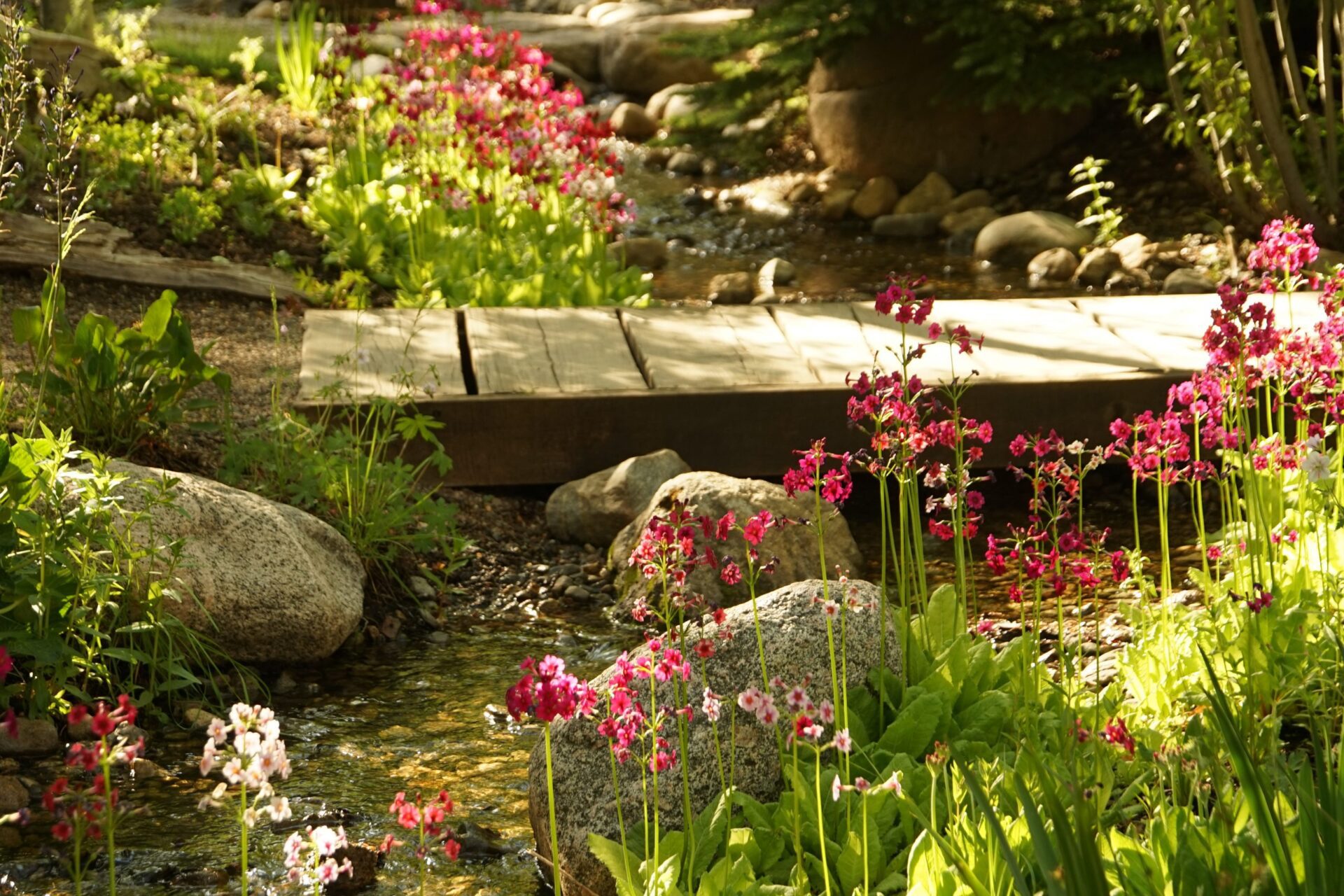
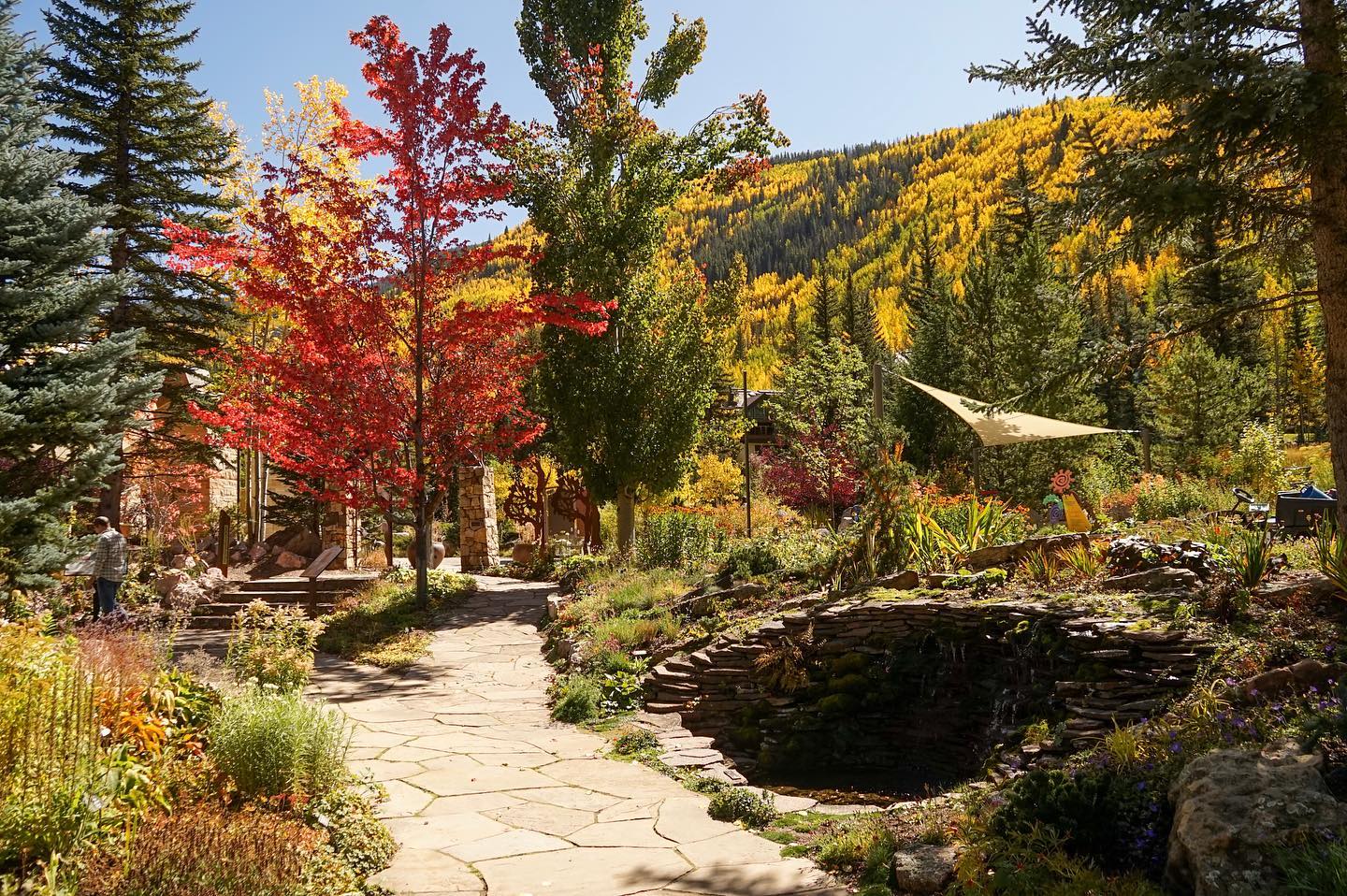
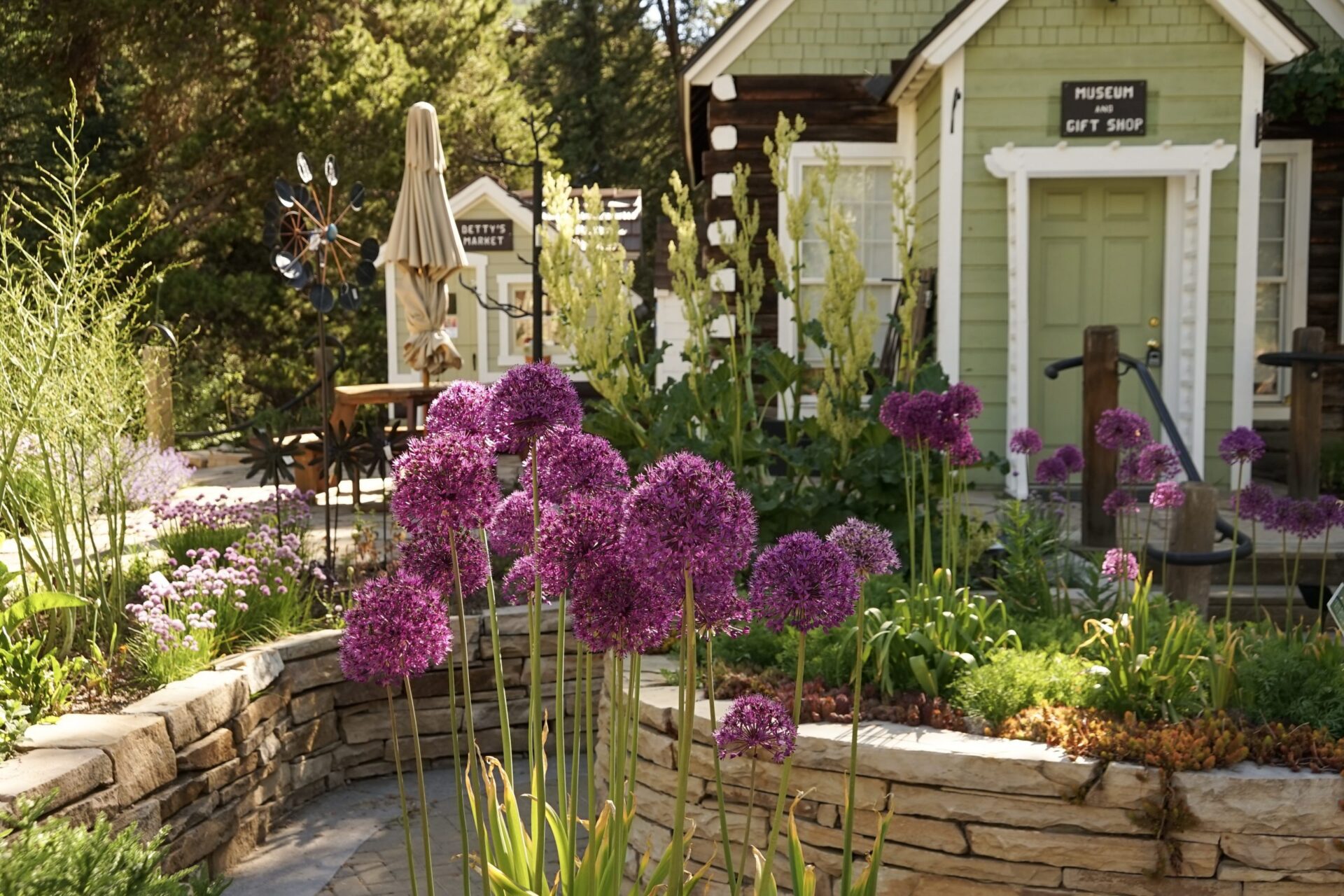
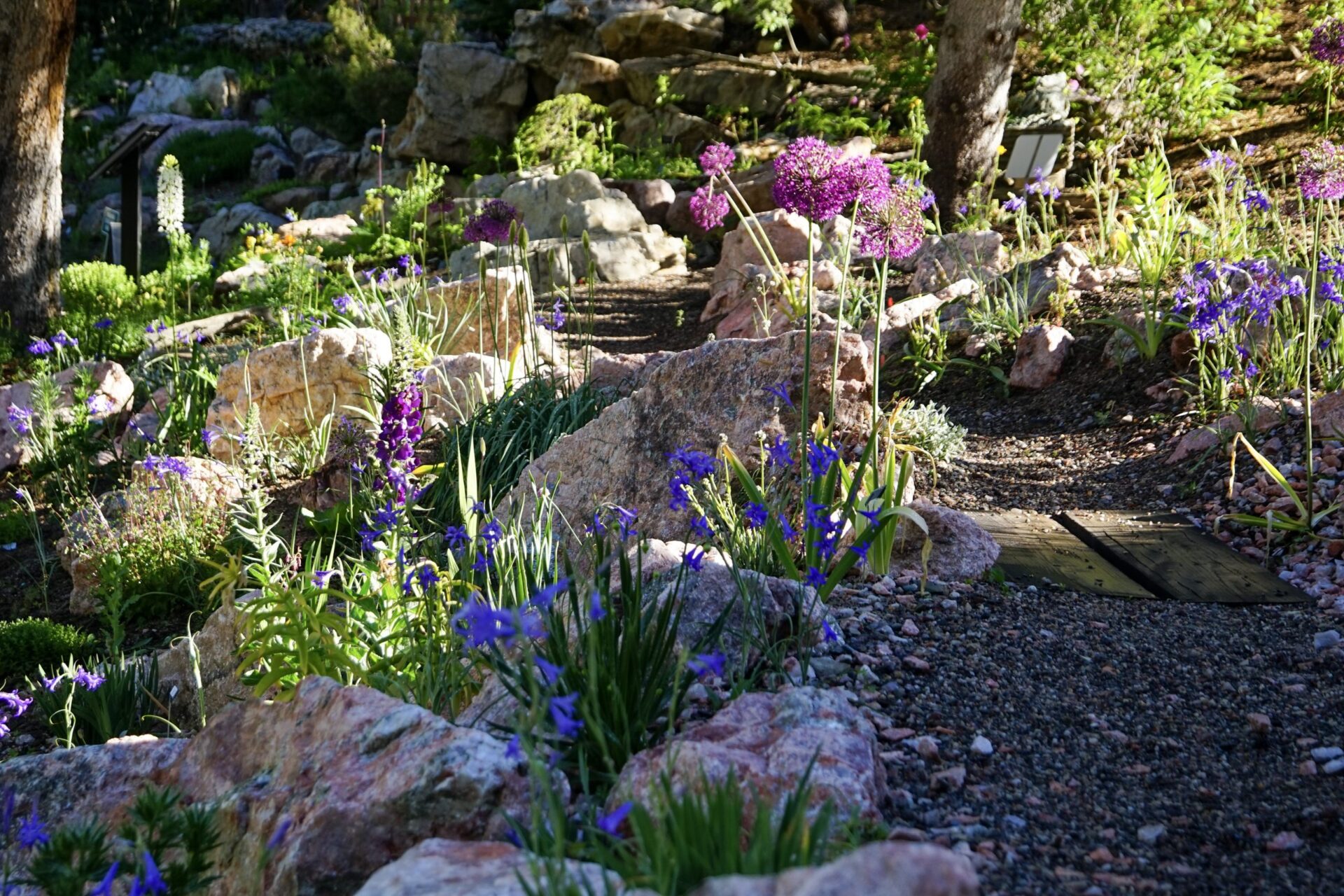
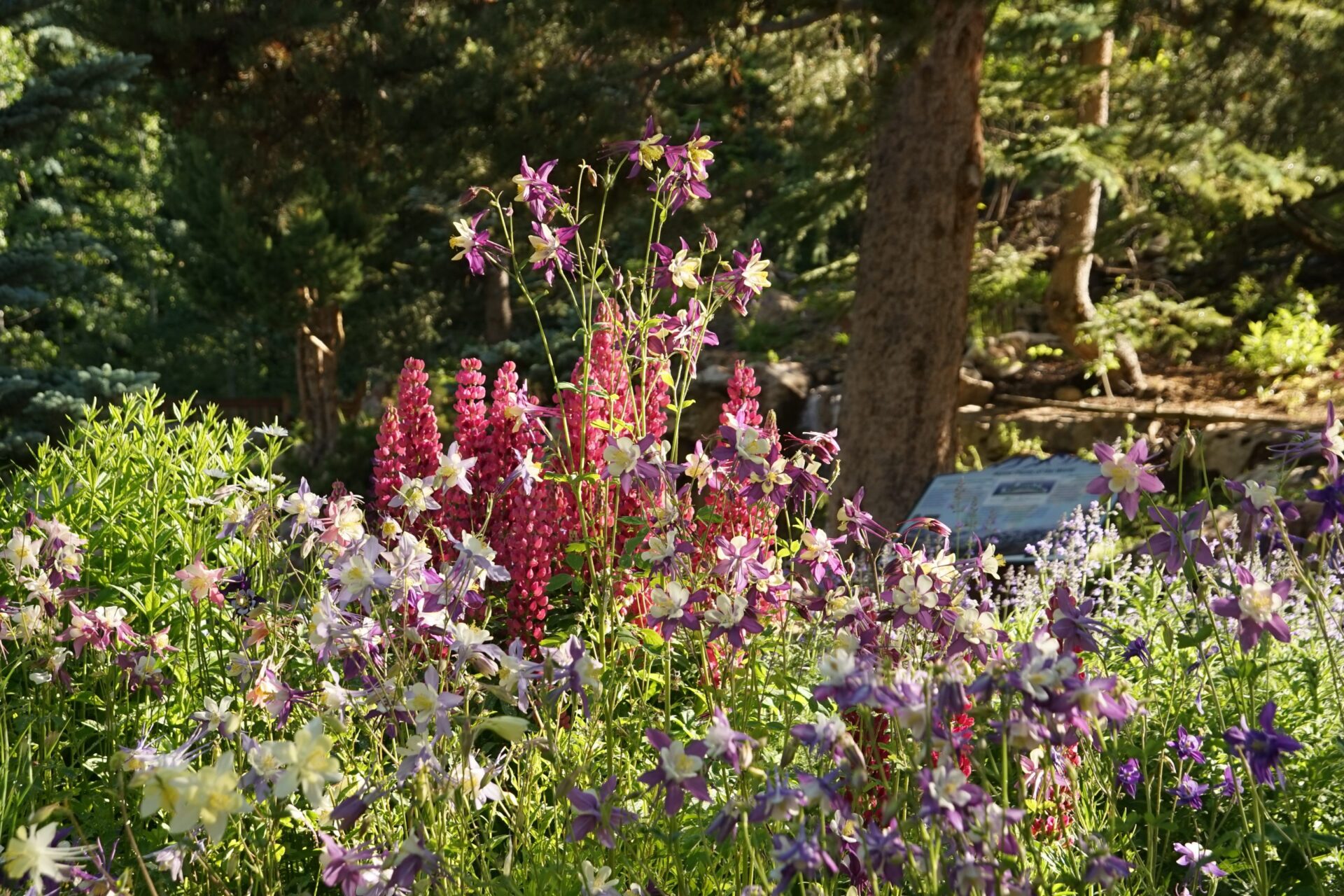
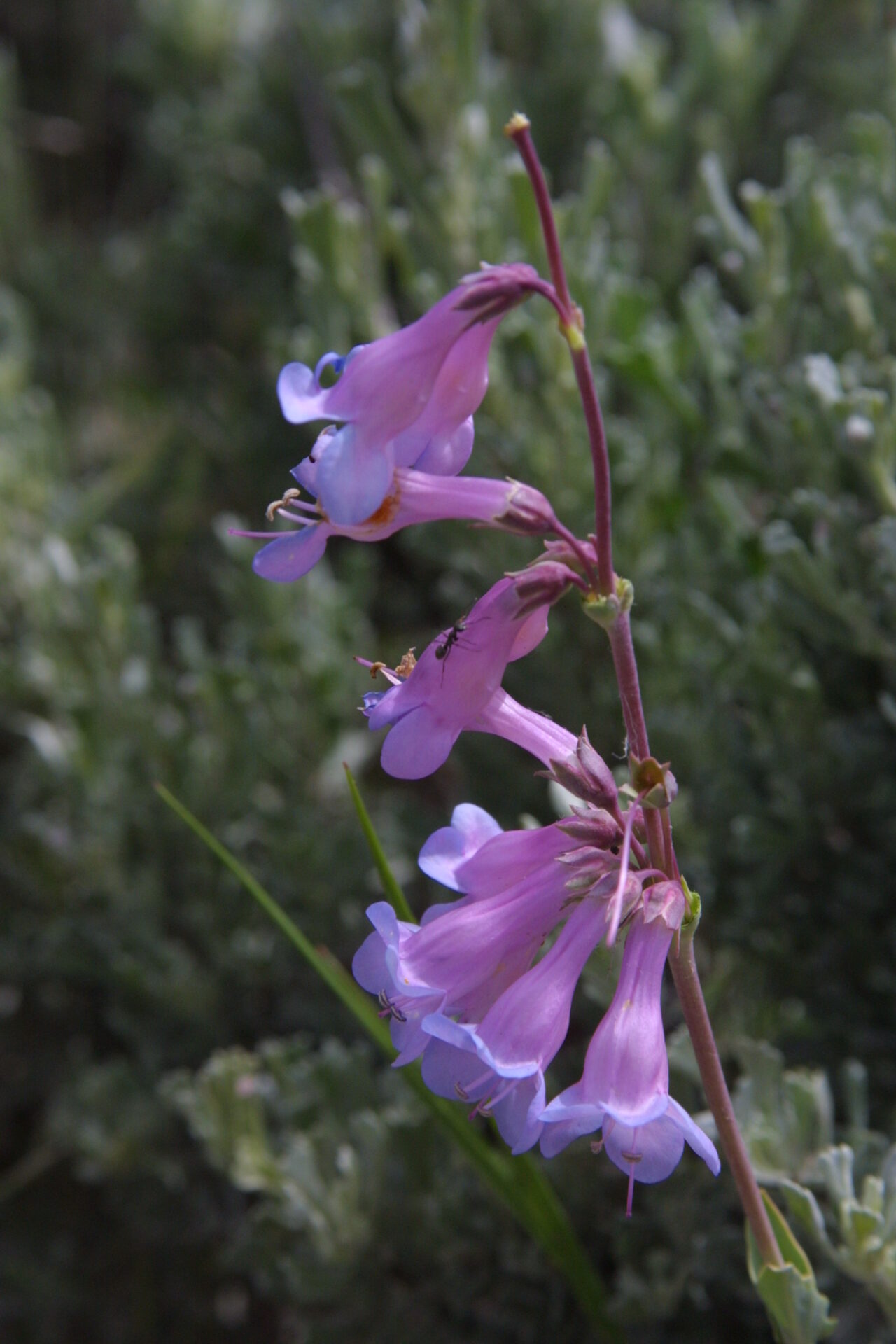
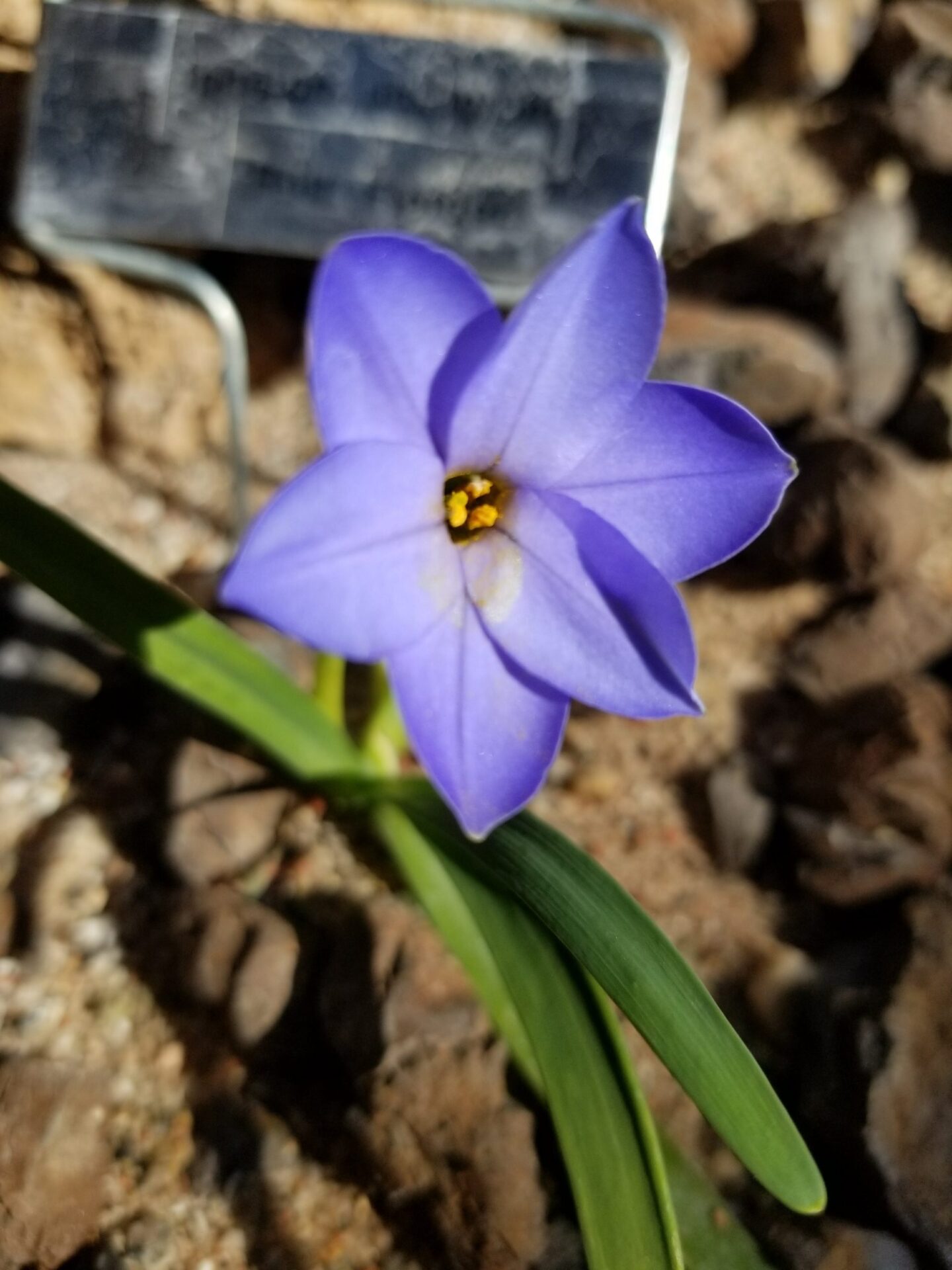
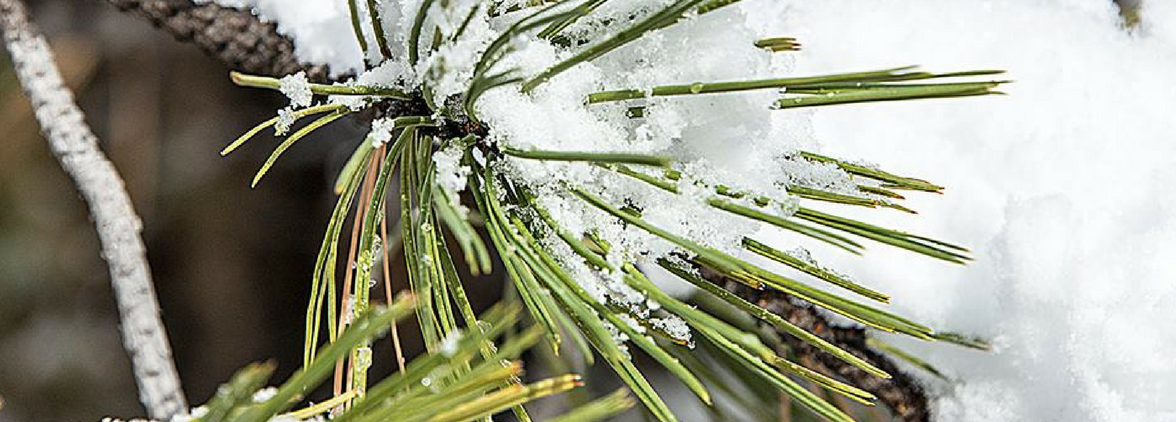
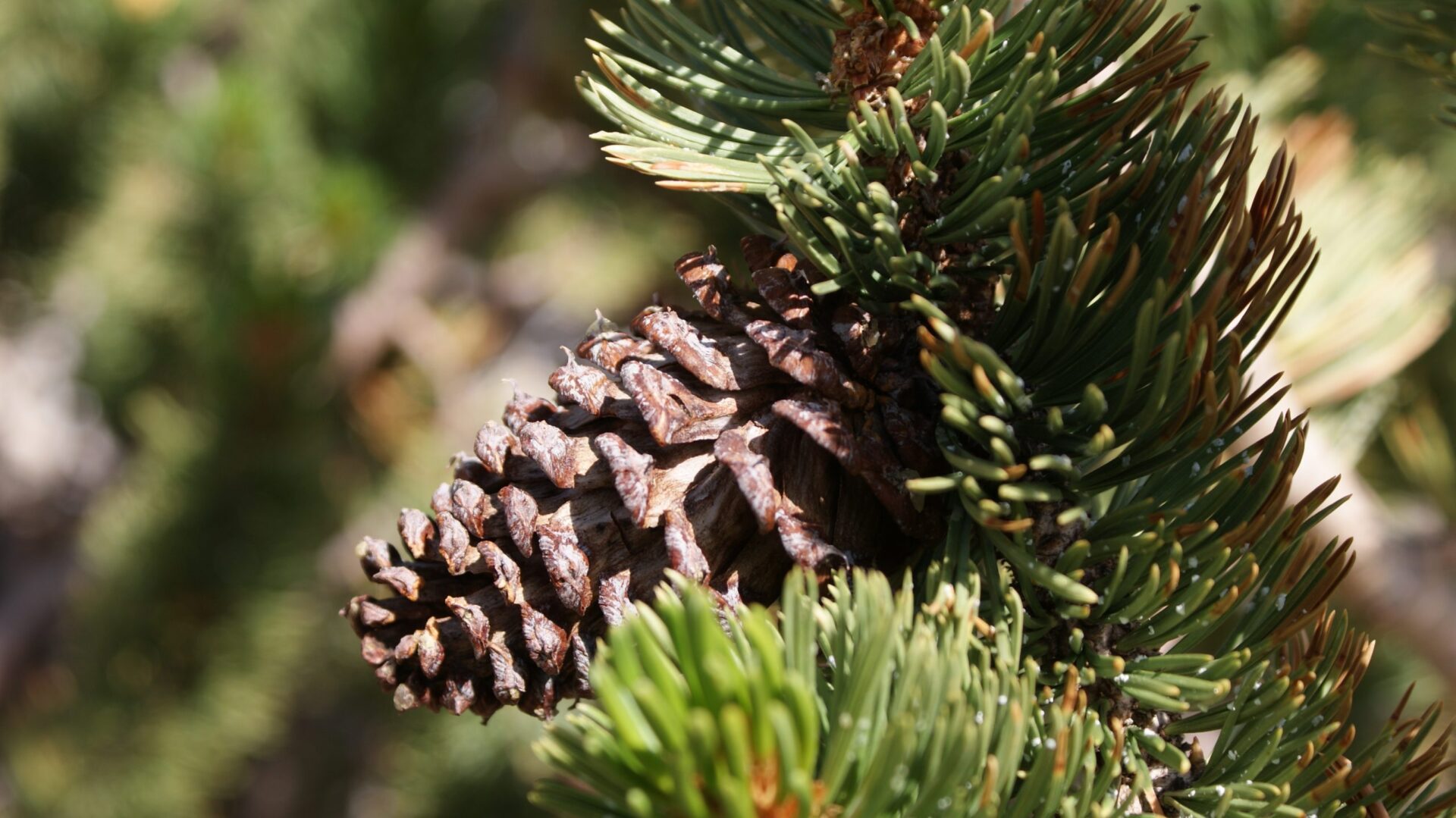
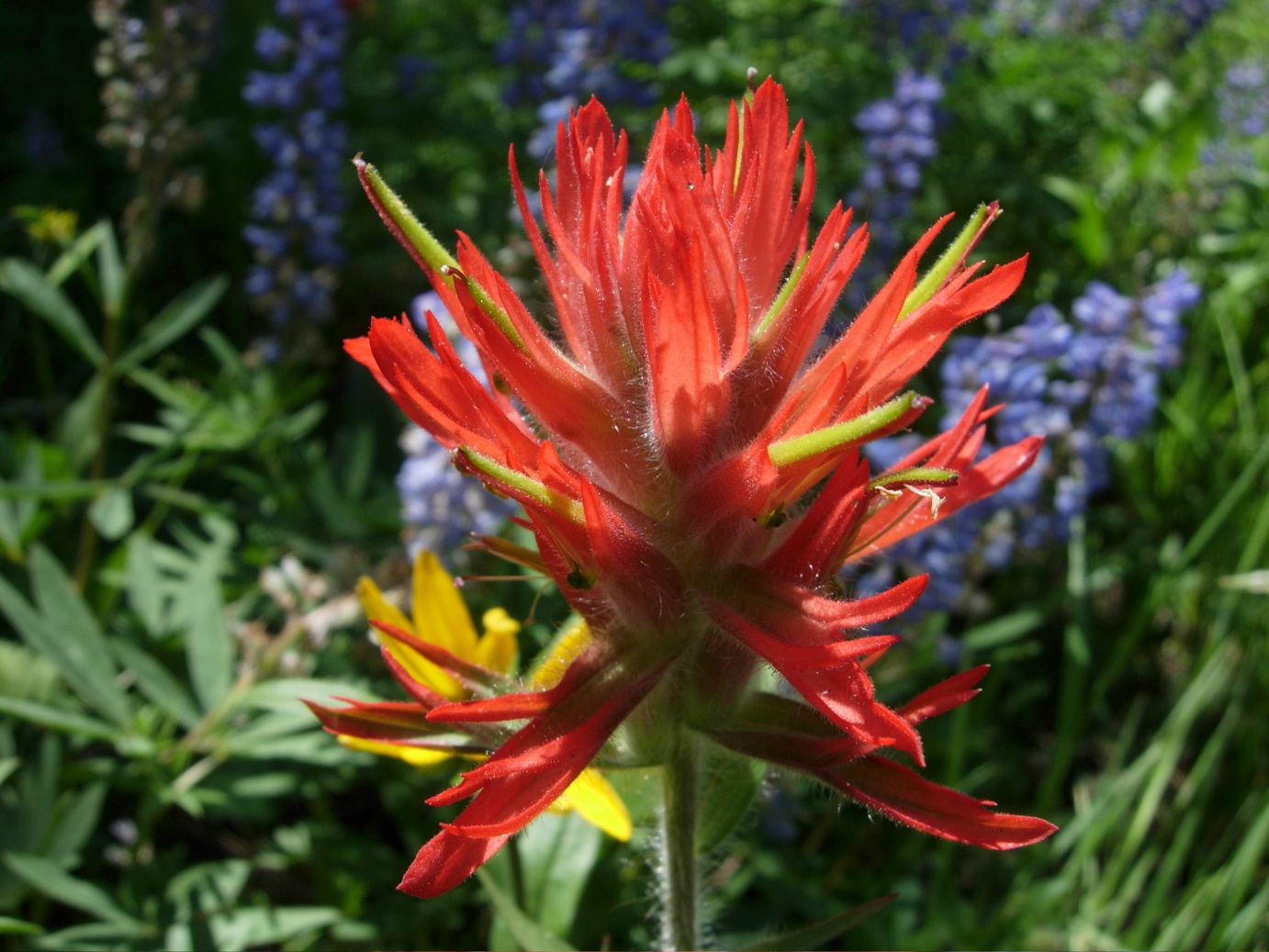
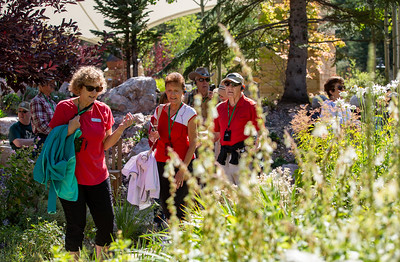
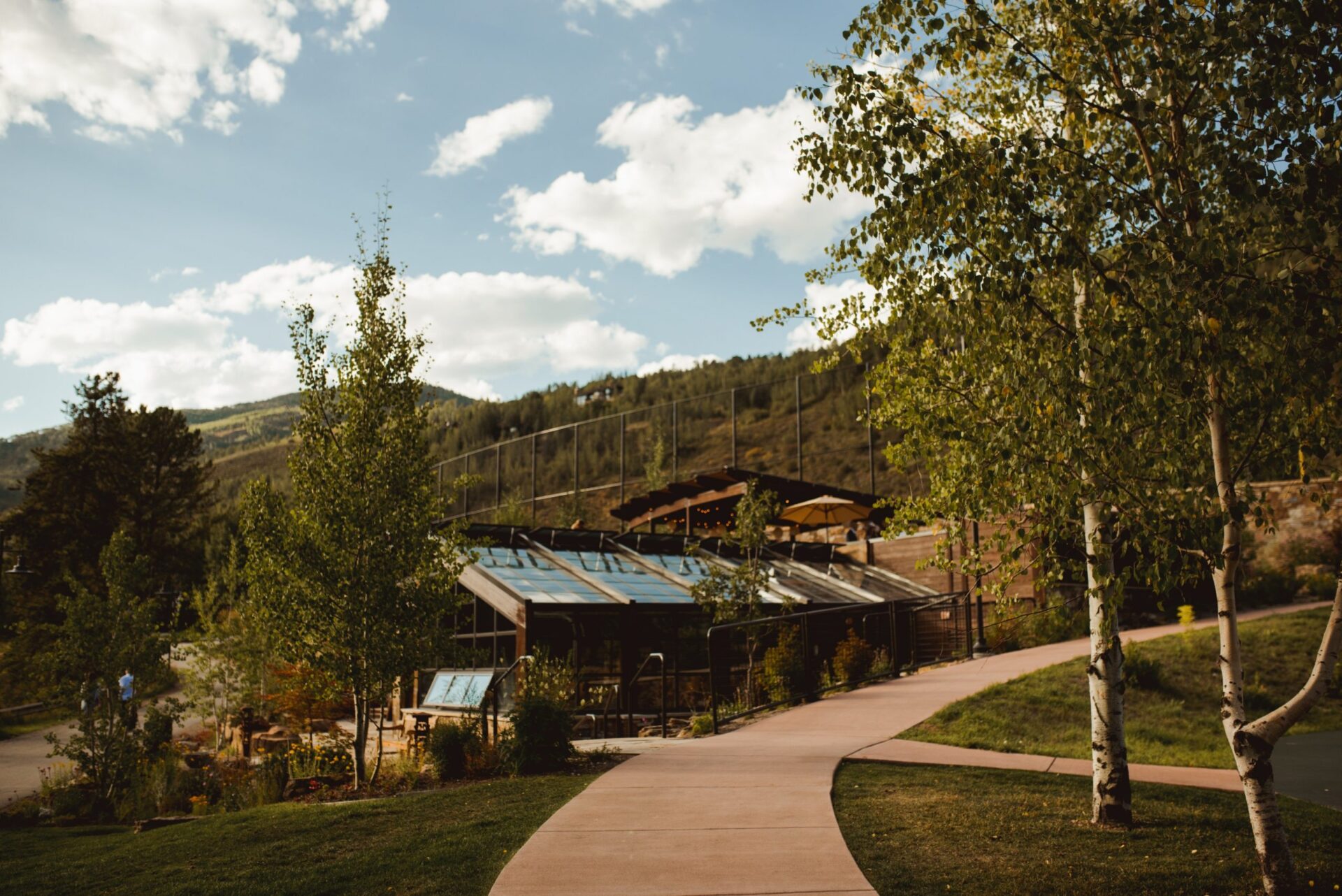
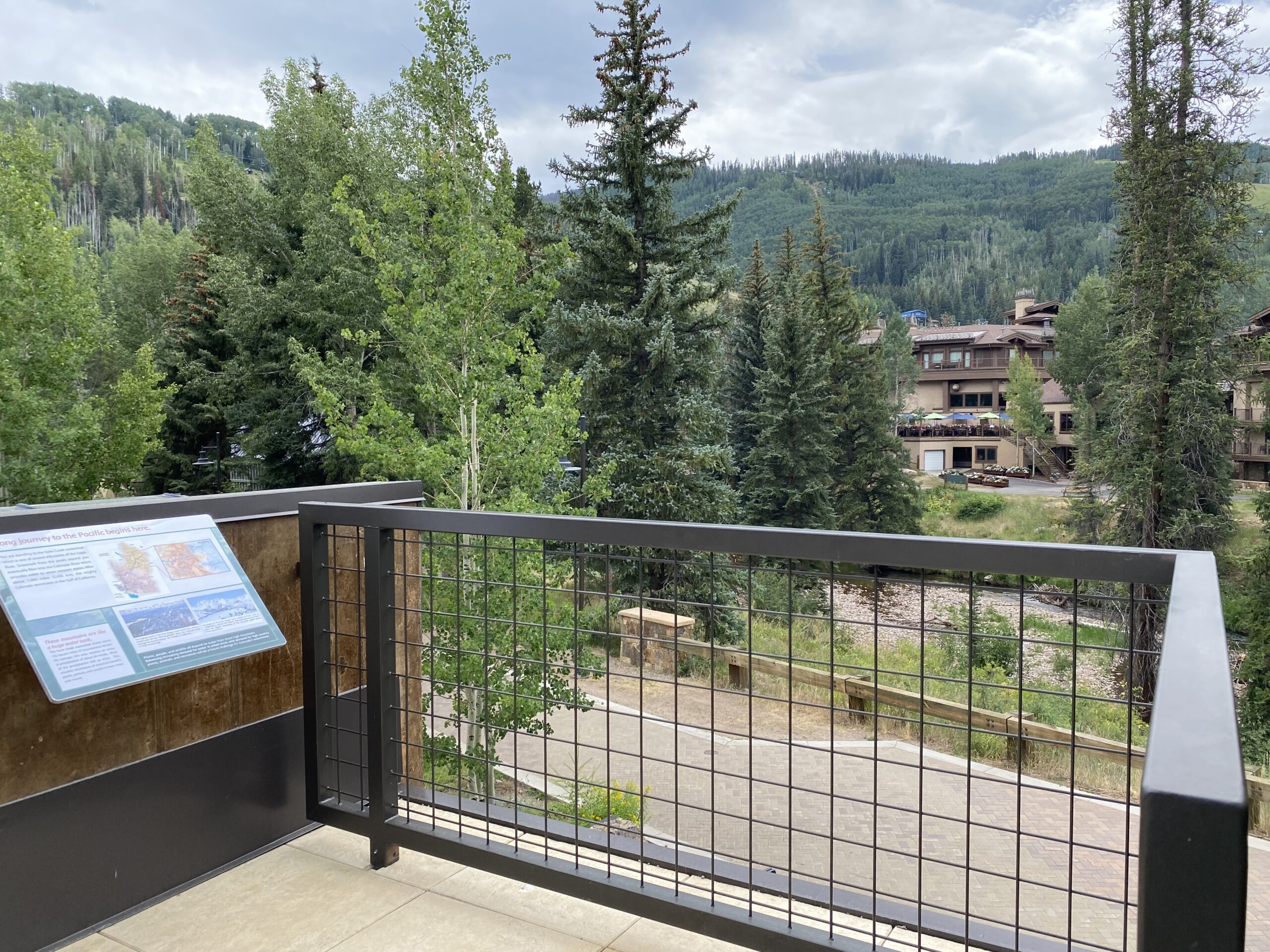
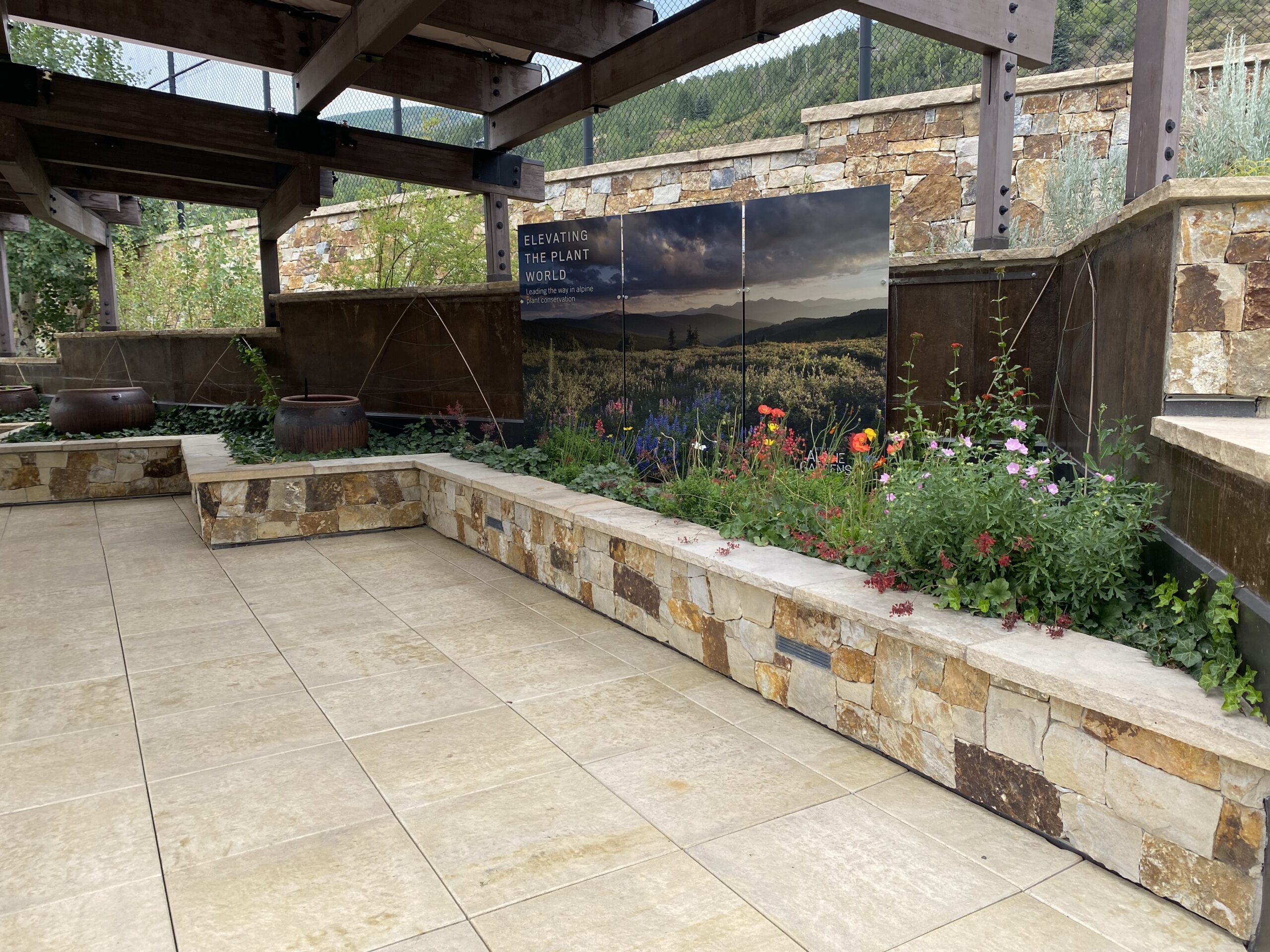
Discover the beauty and wonder of alpine plants. Marvel at the vibrant color and unique structure of plants that can only exist at higher altitudes in the extreme climate conditions found in alpine regions. Frigid winters, cool summer nights, intense UV rays, violent summer storms, strong uninhibited winds. Experience the plants that have adapted to thrive in these remarkable circumstances.

Gardens

Blooms

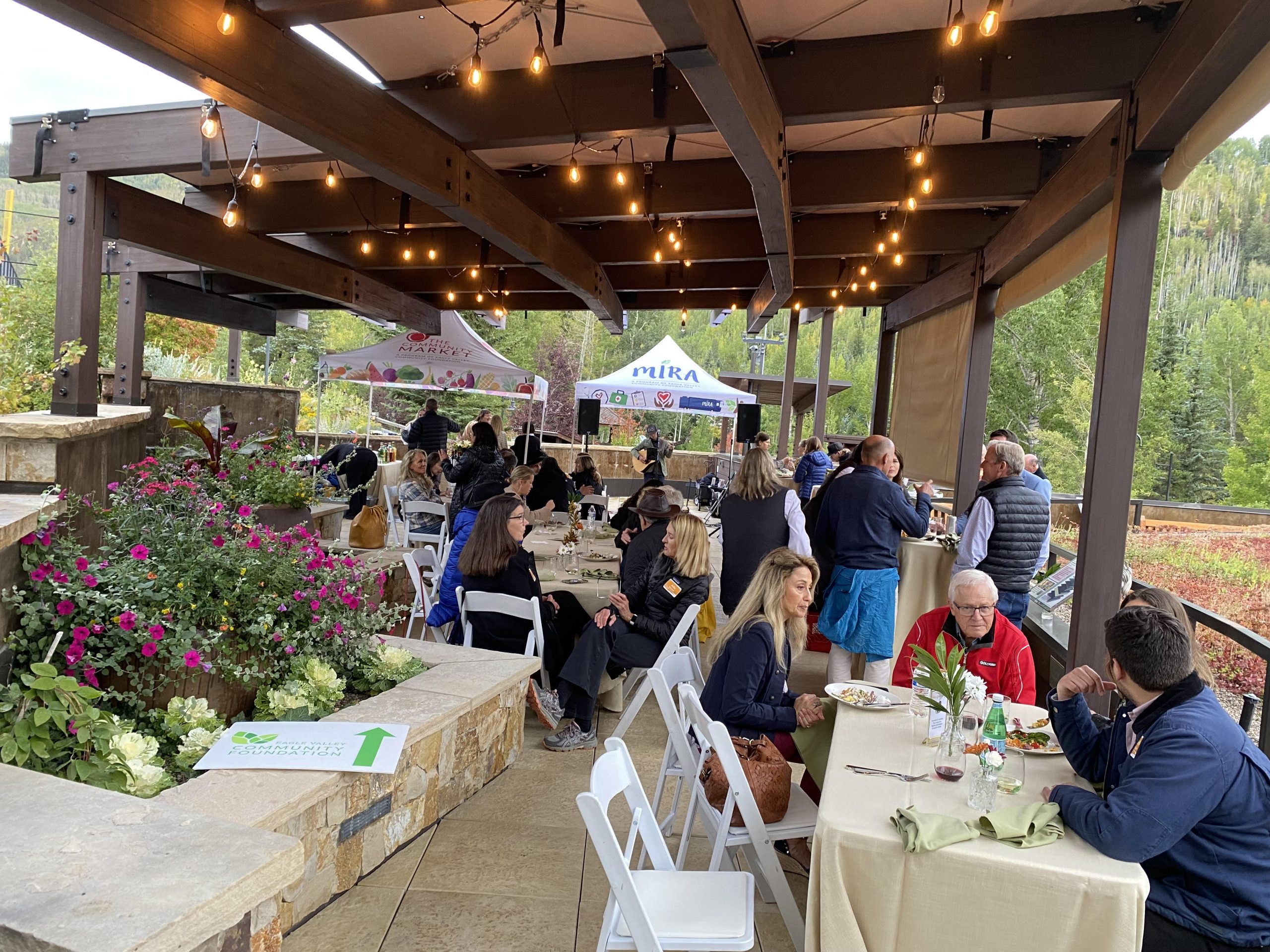
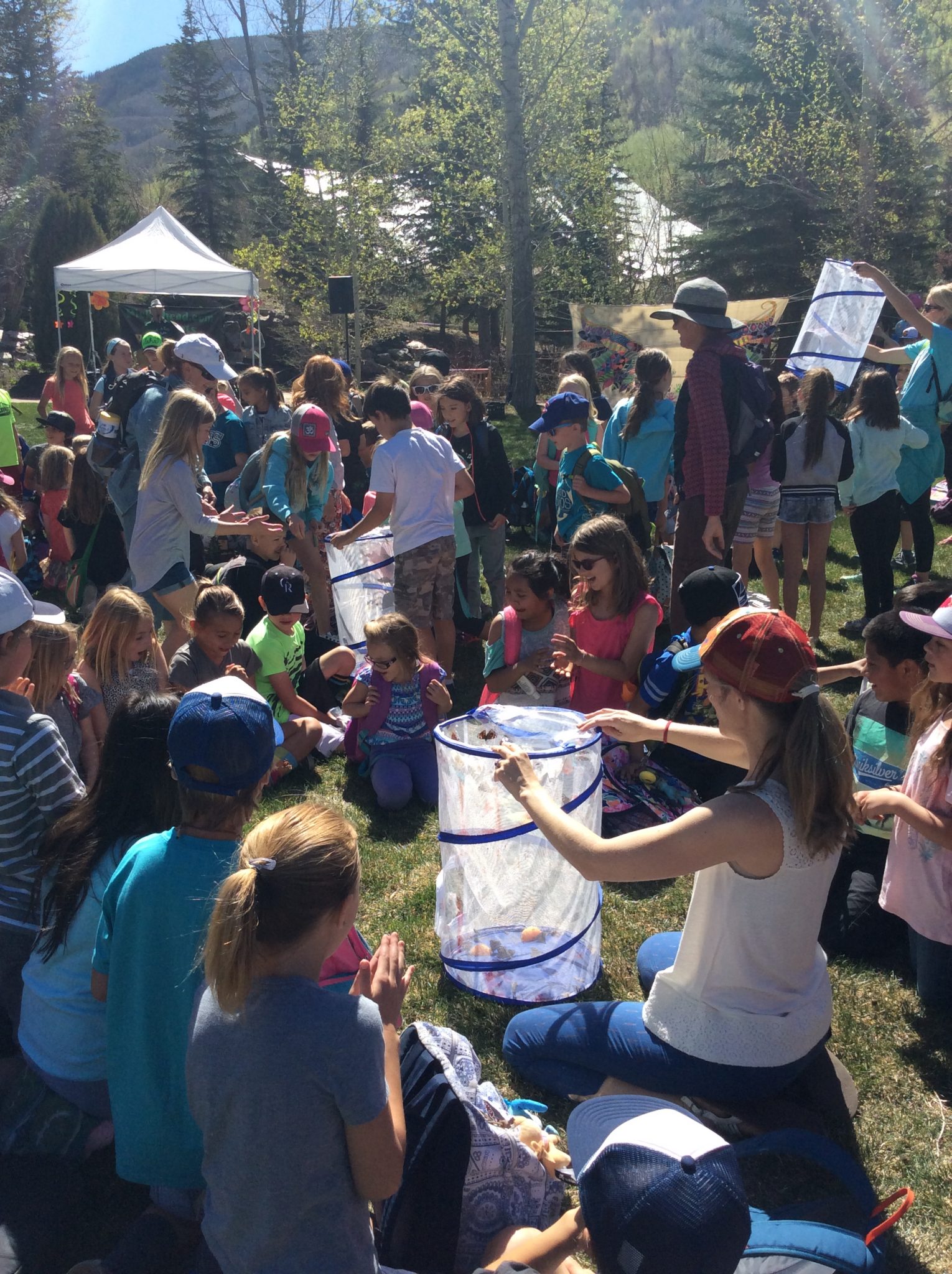
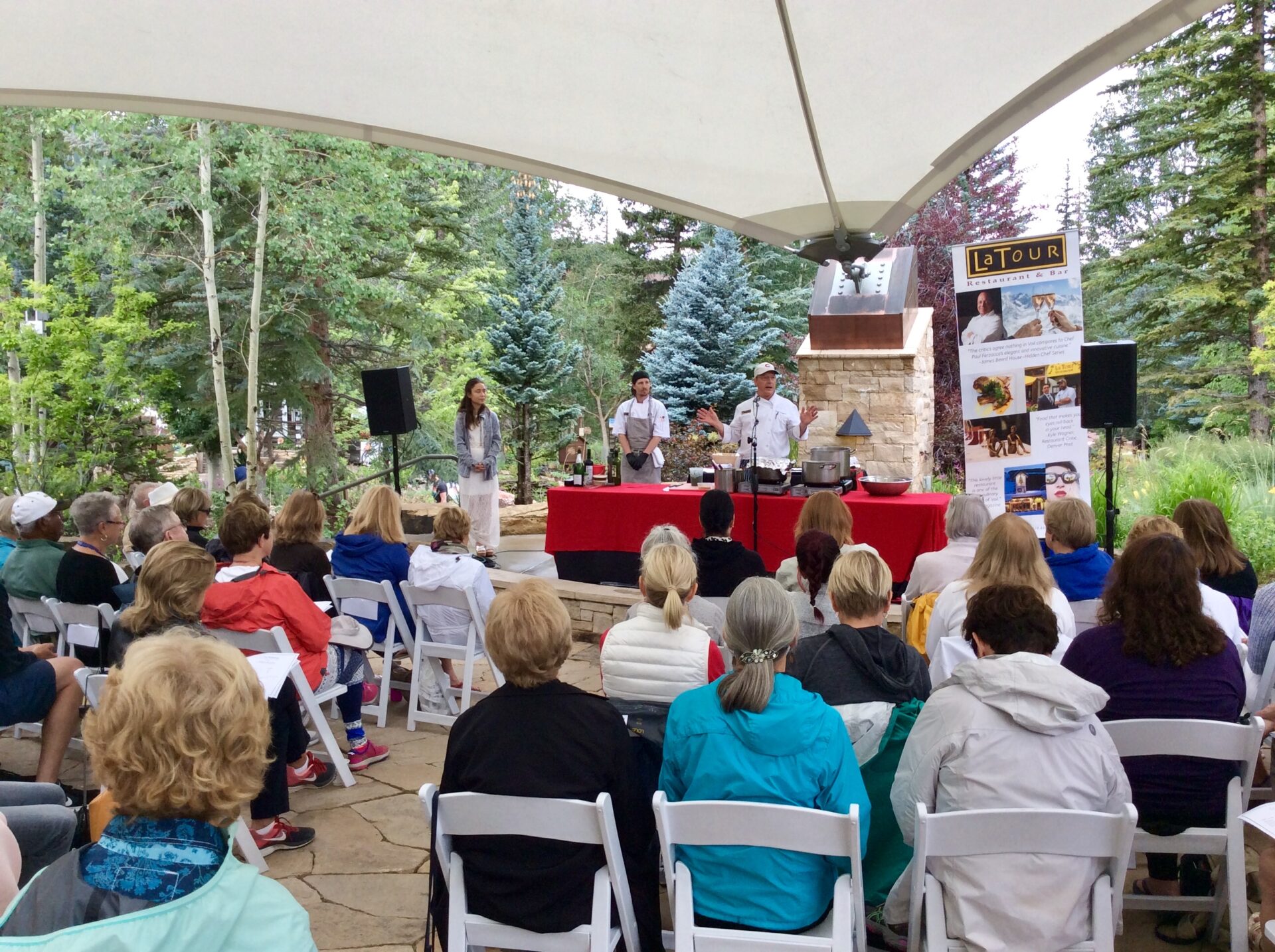
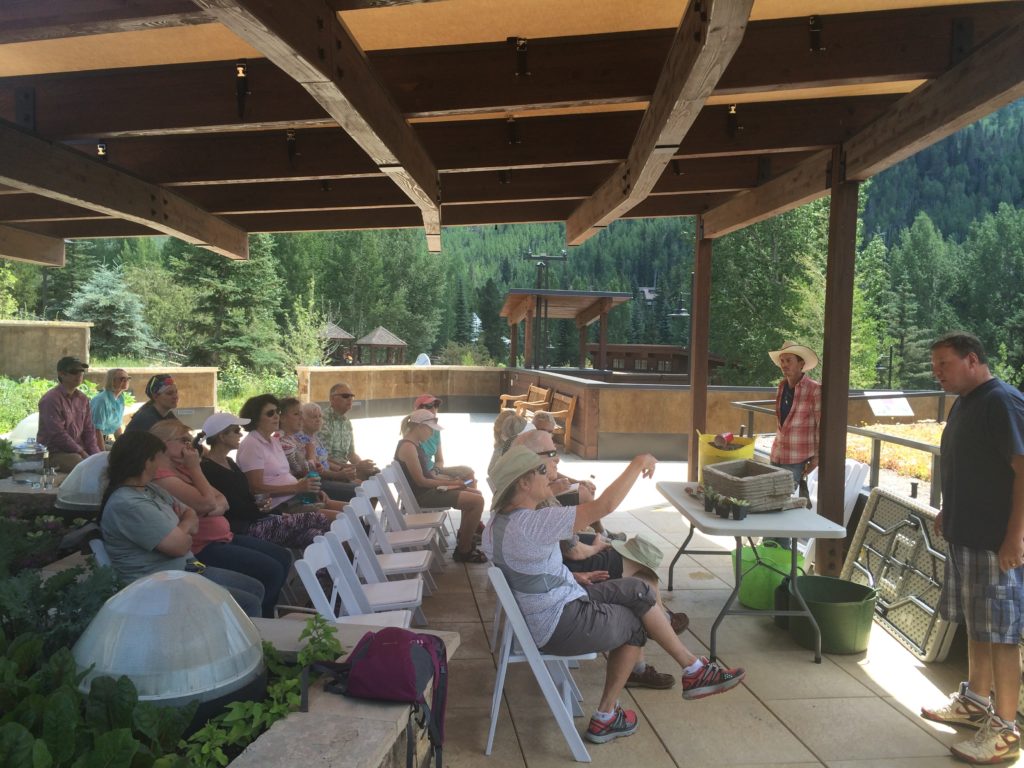
Events & People

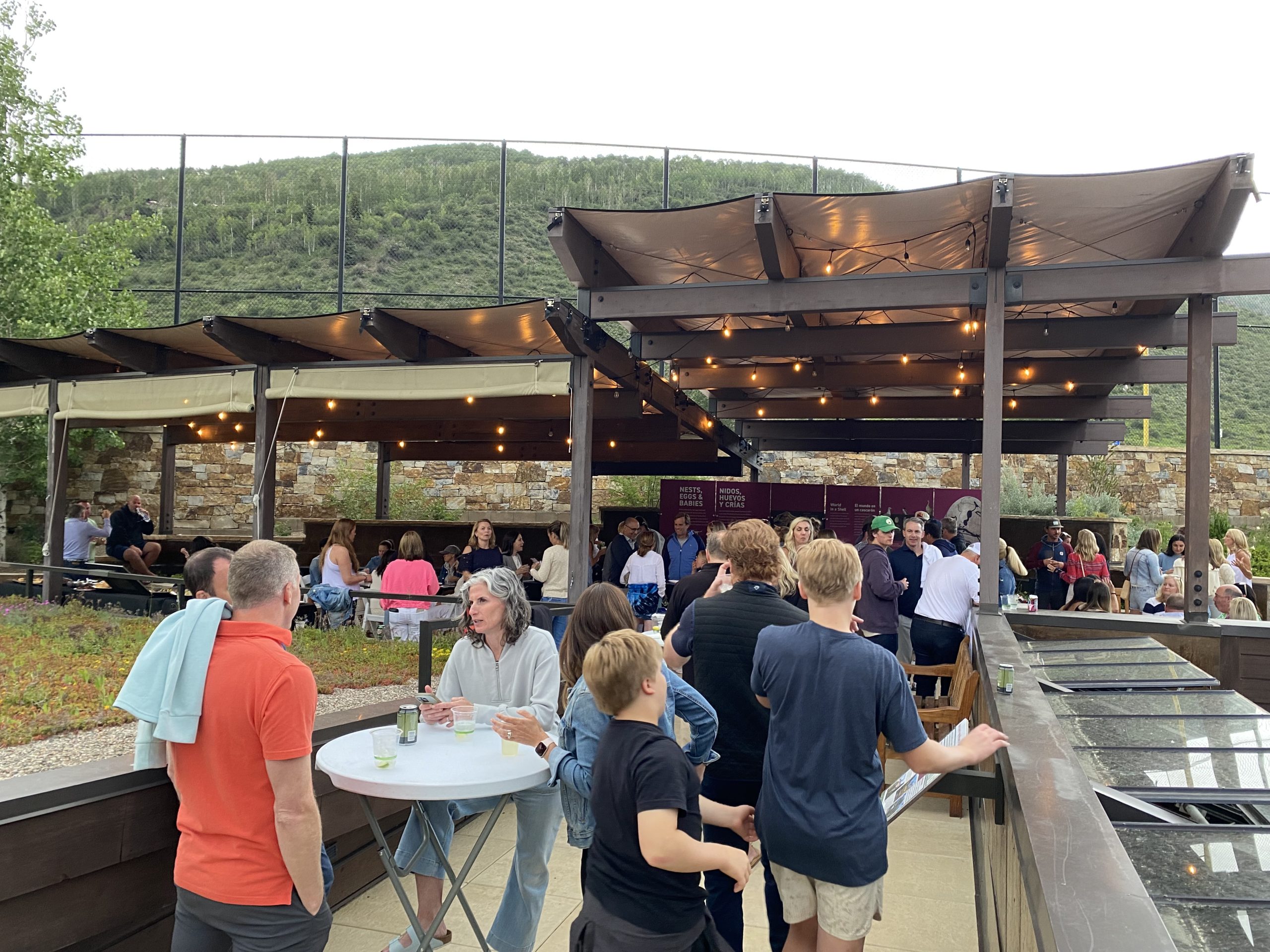
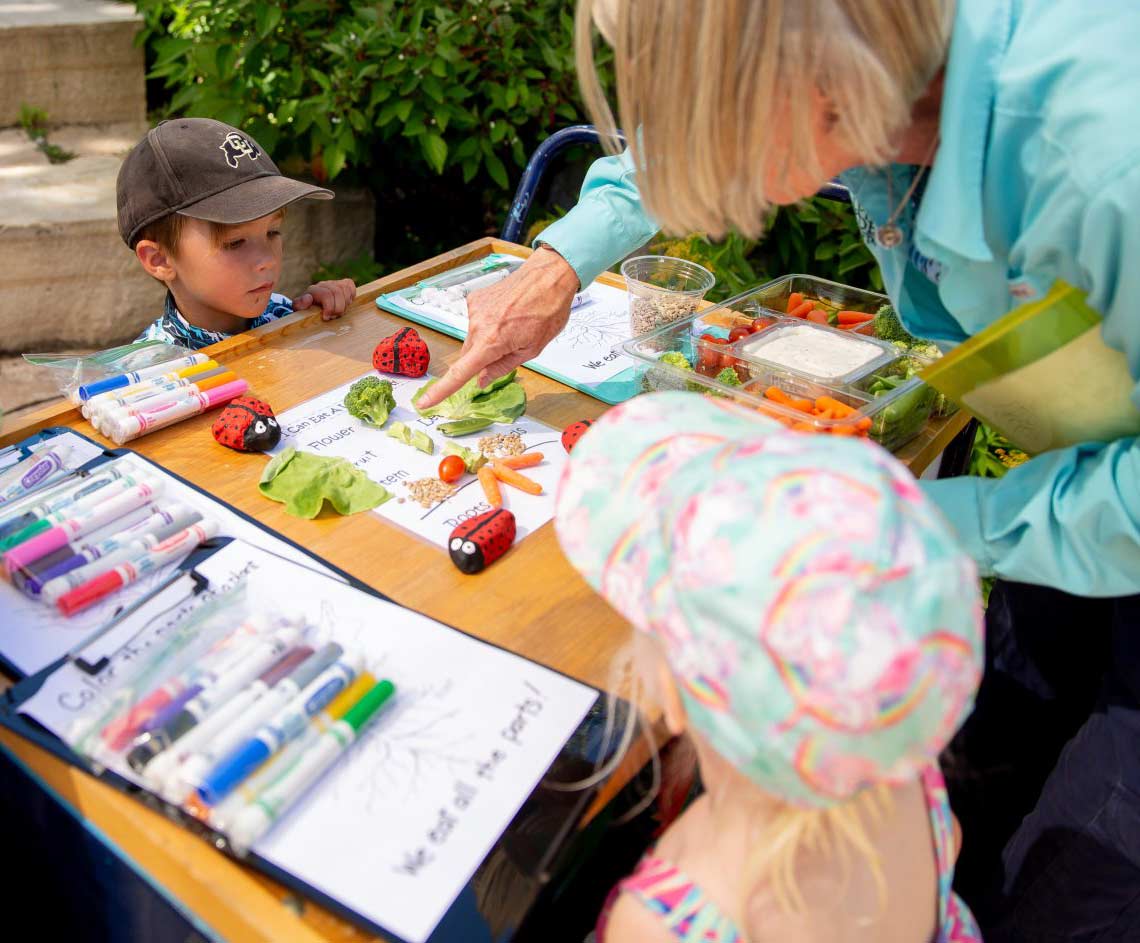
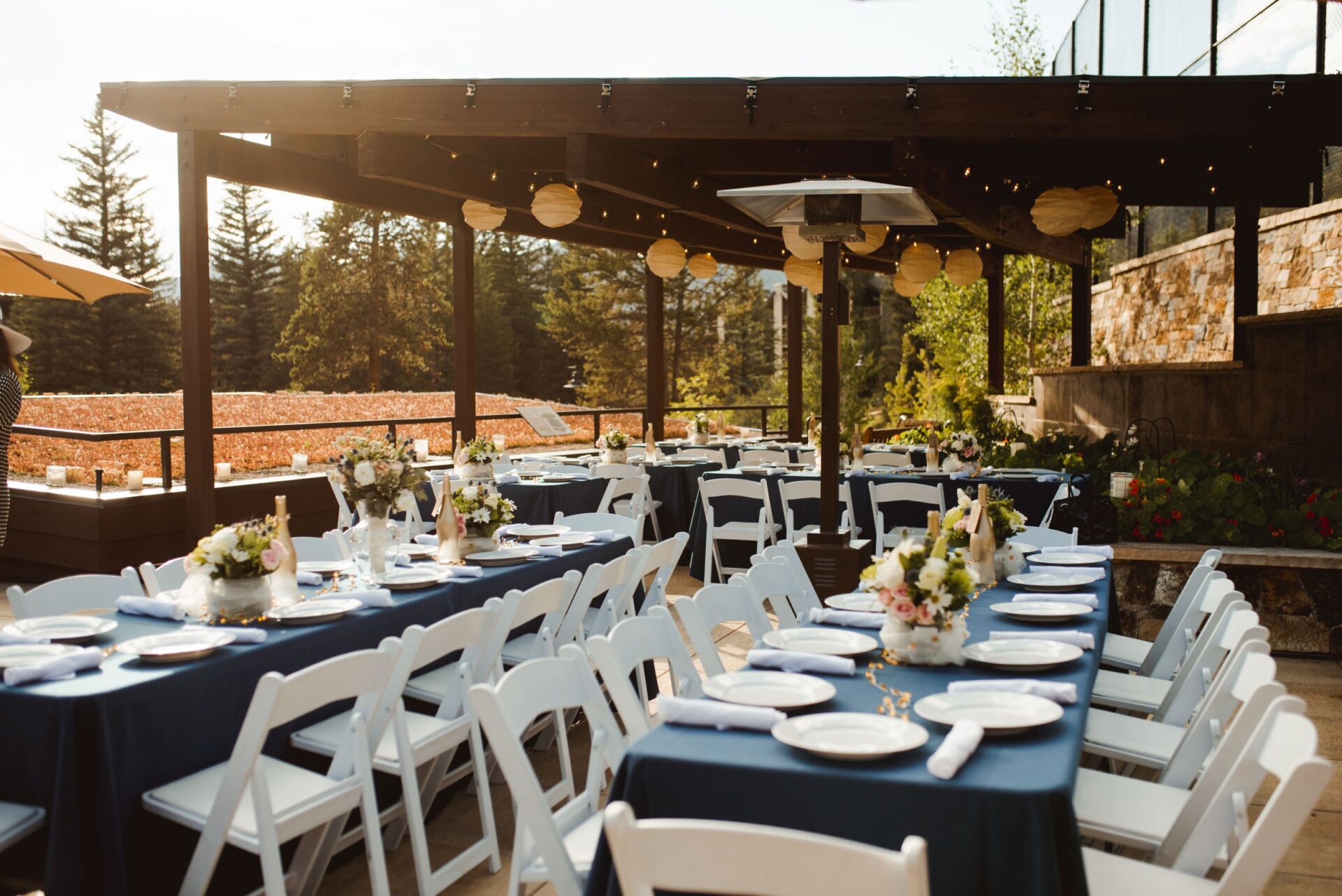
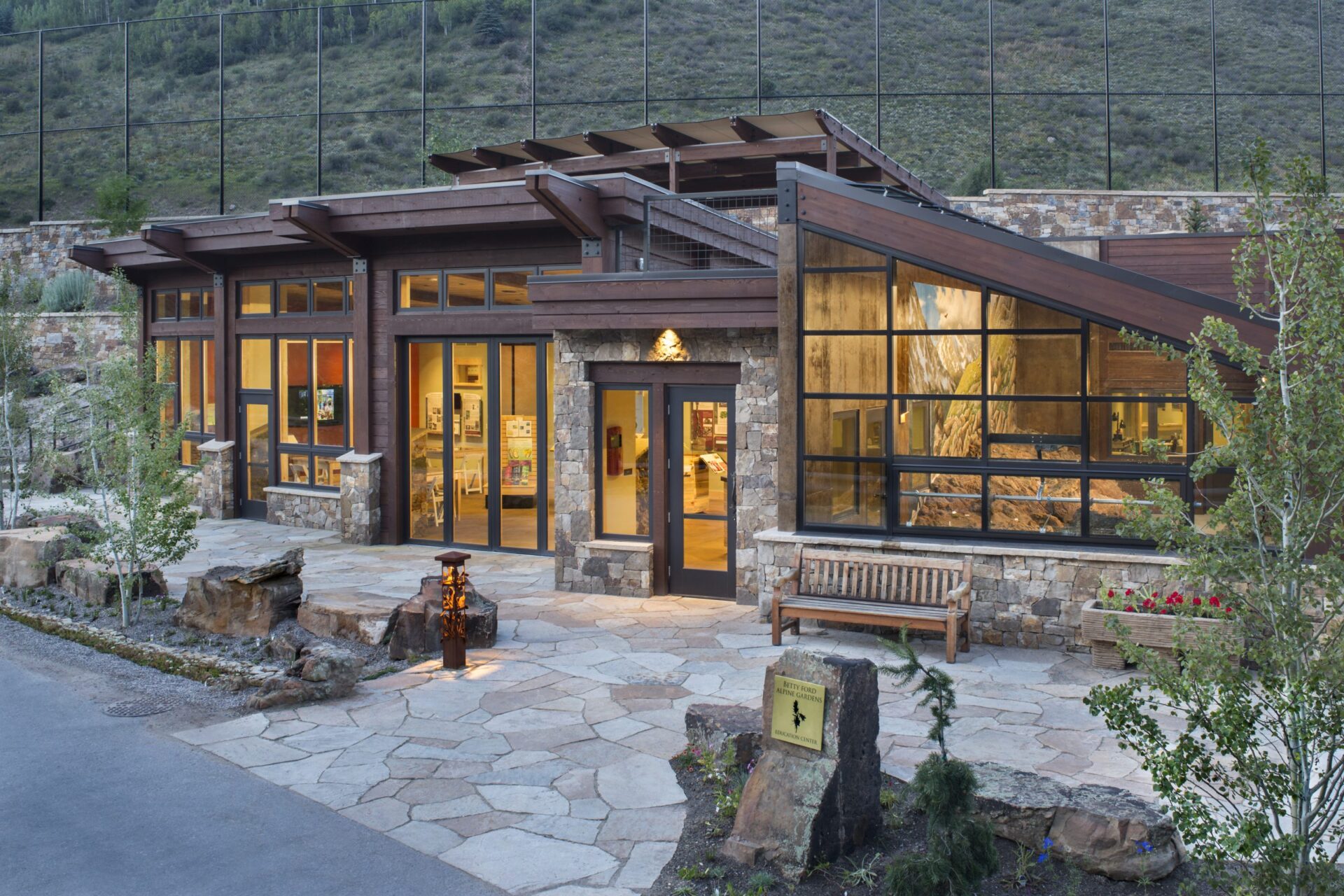
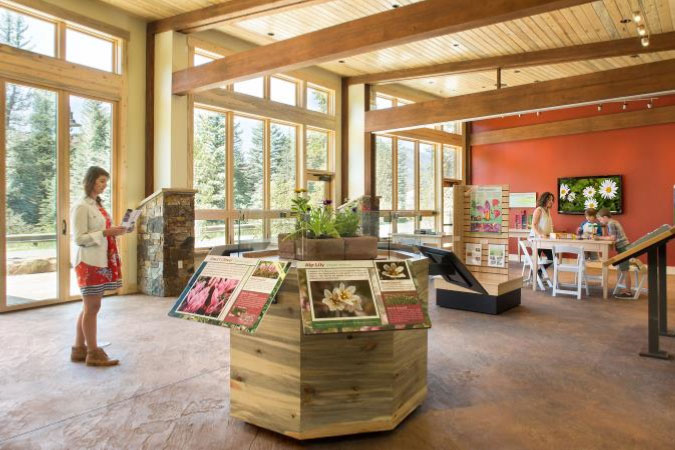
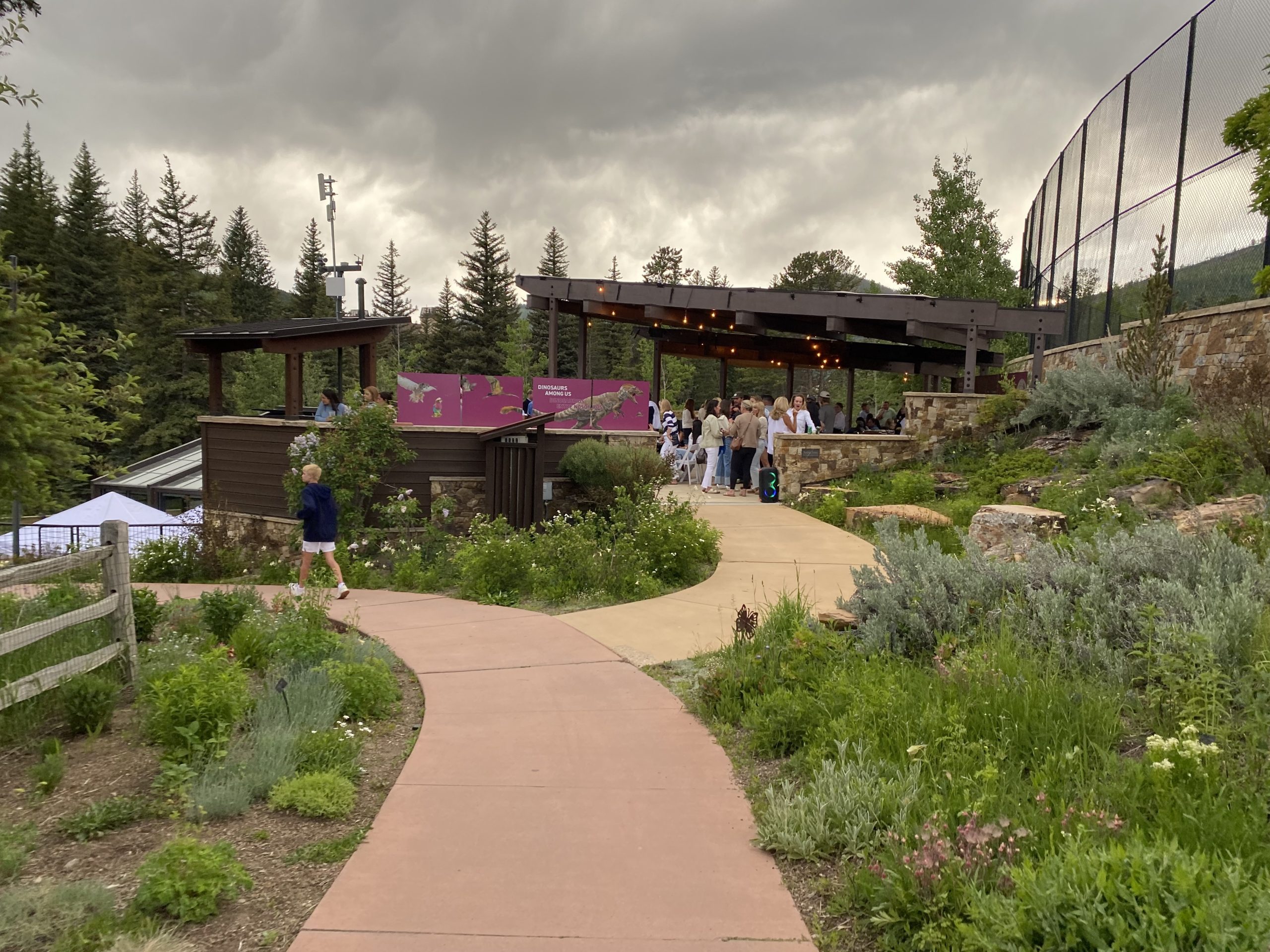
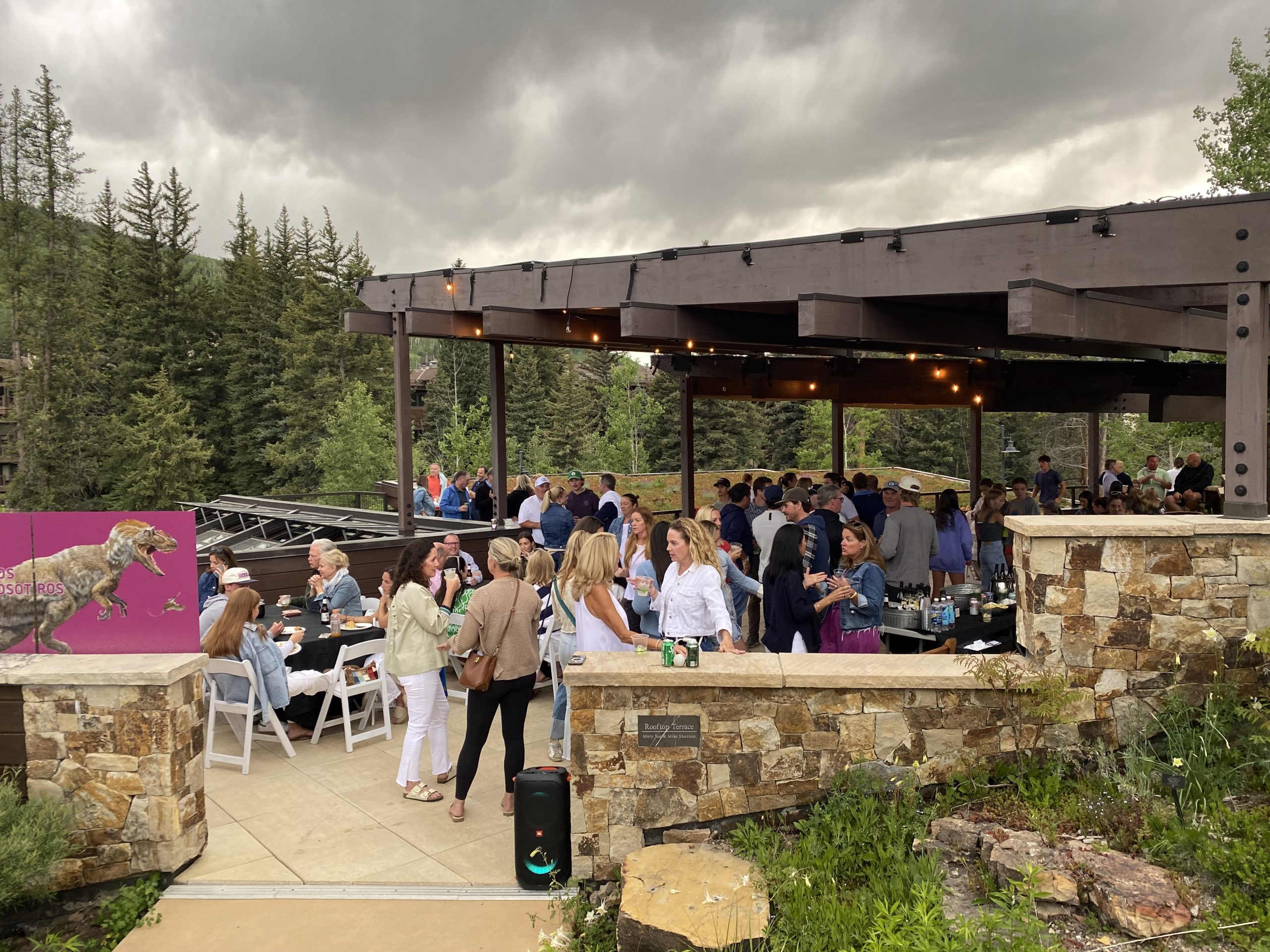
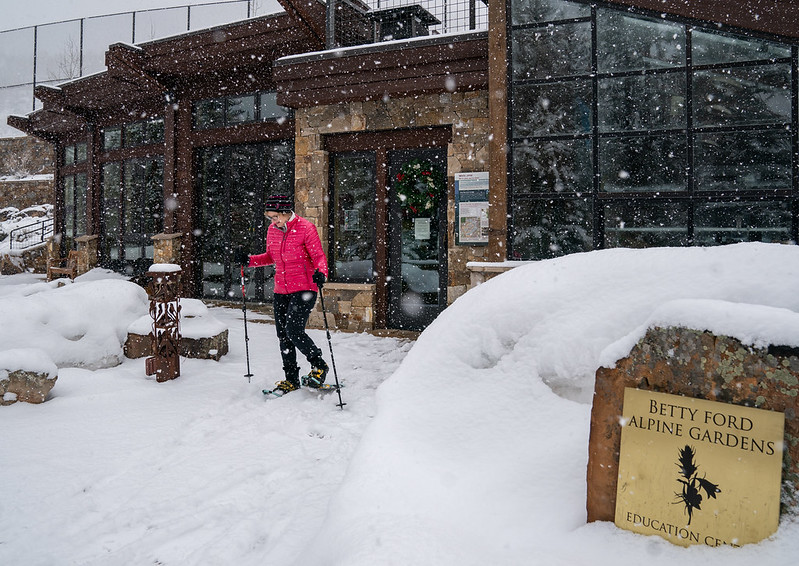
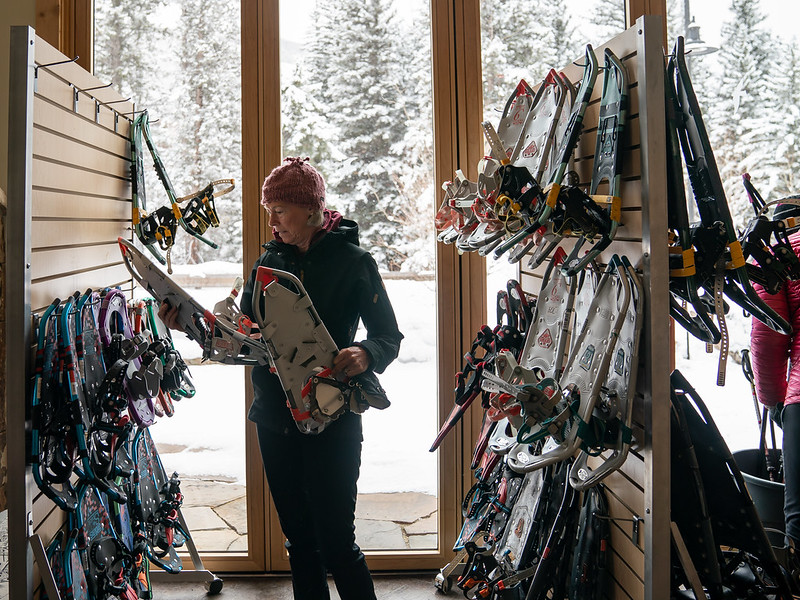
Education Center & Rooftop Terrace

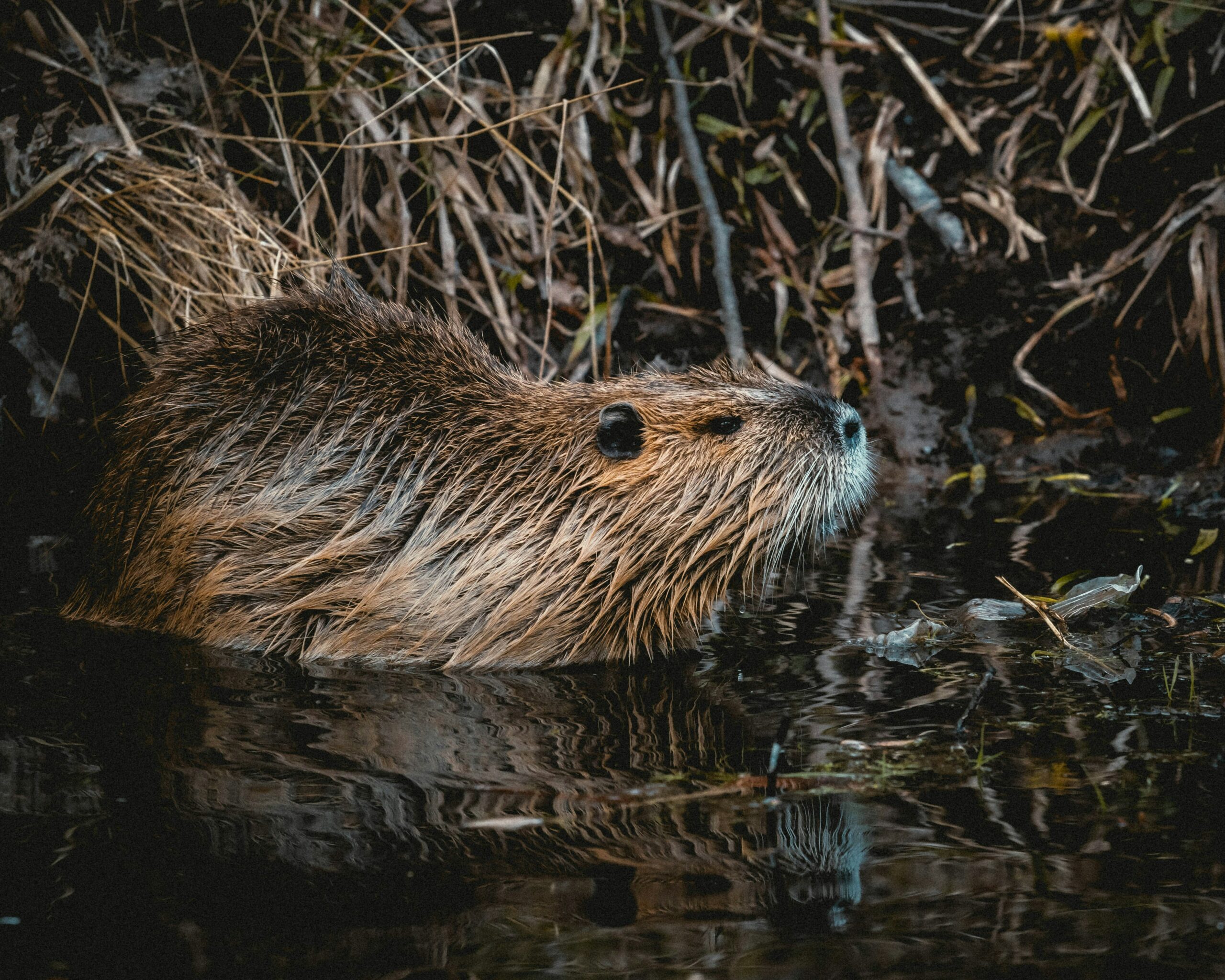
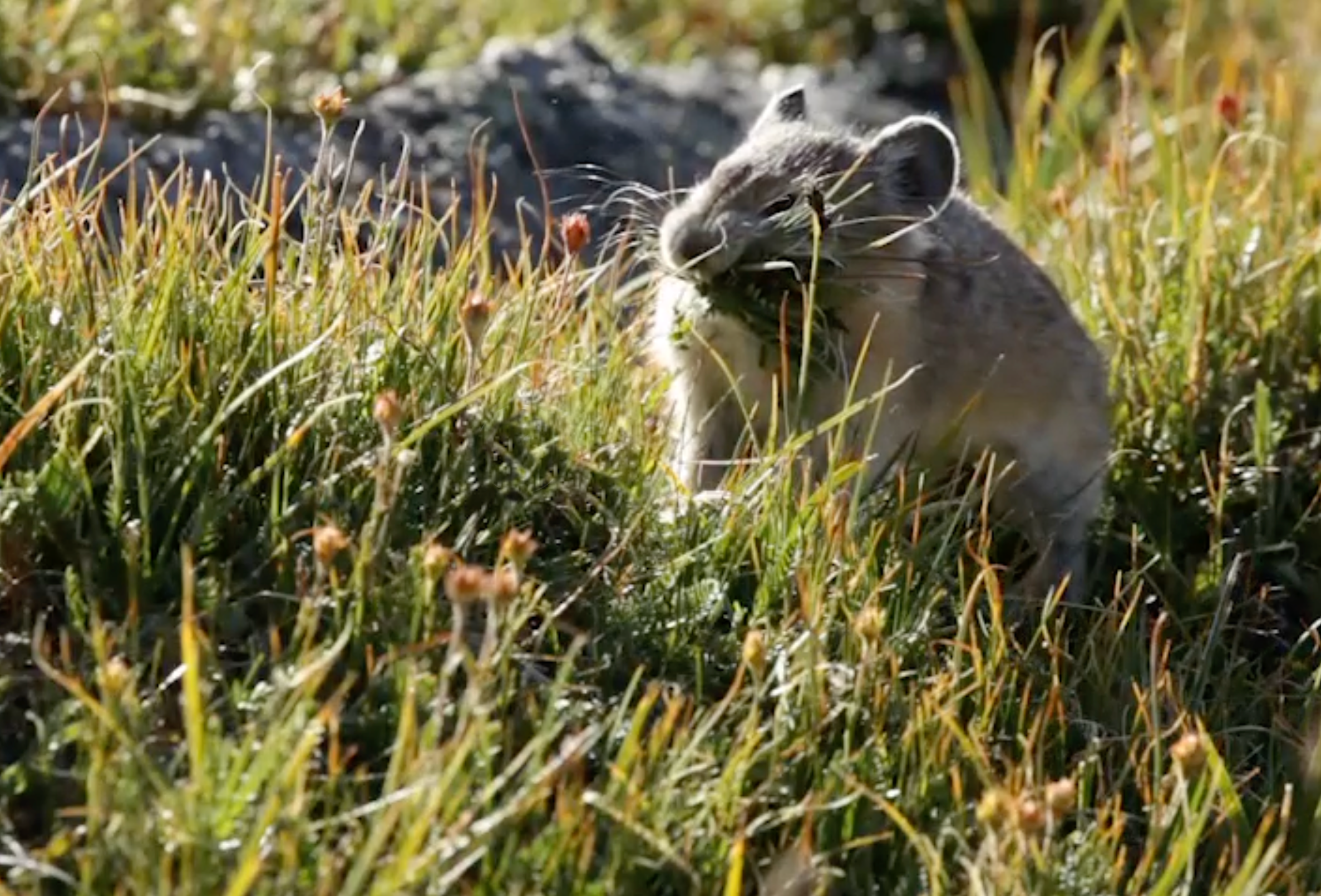
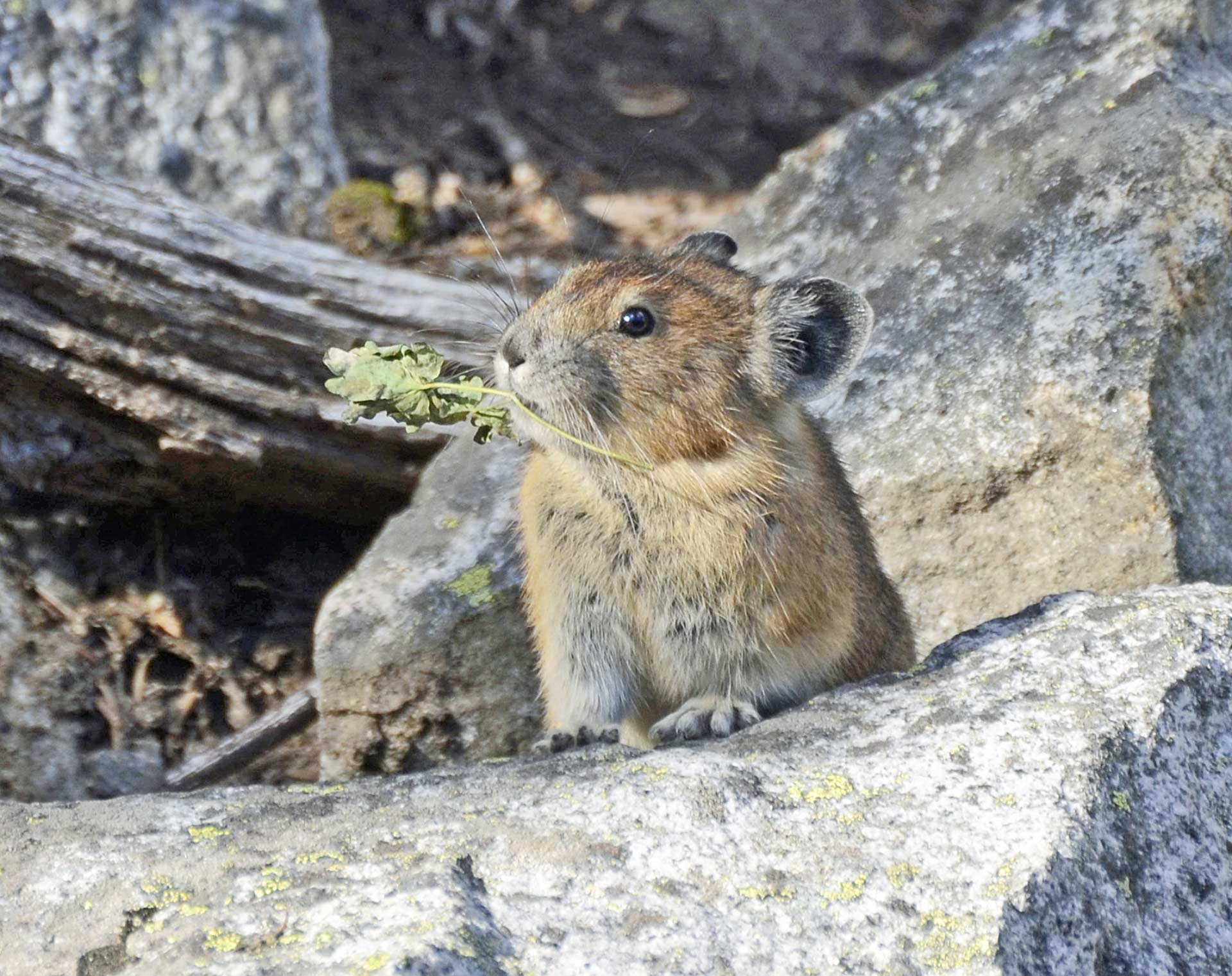
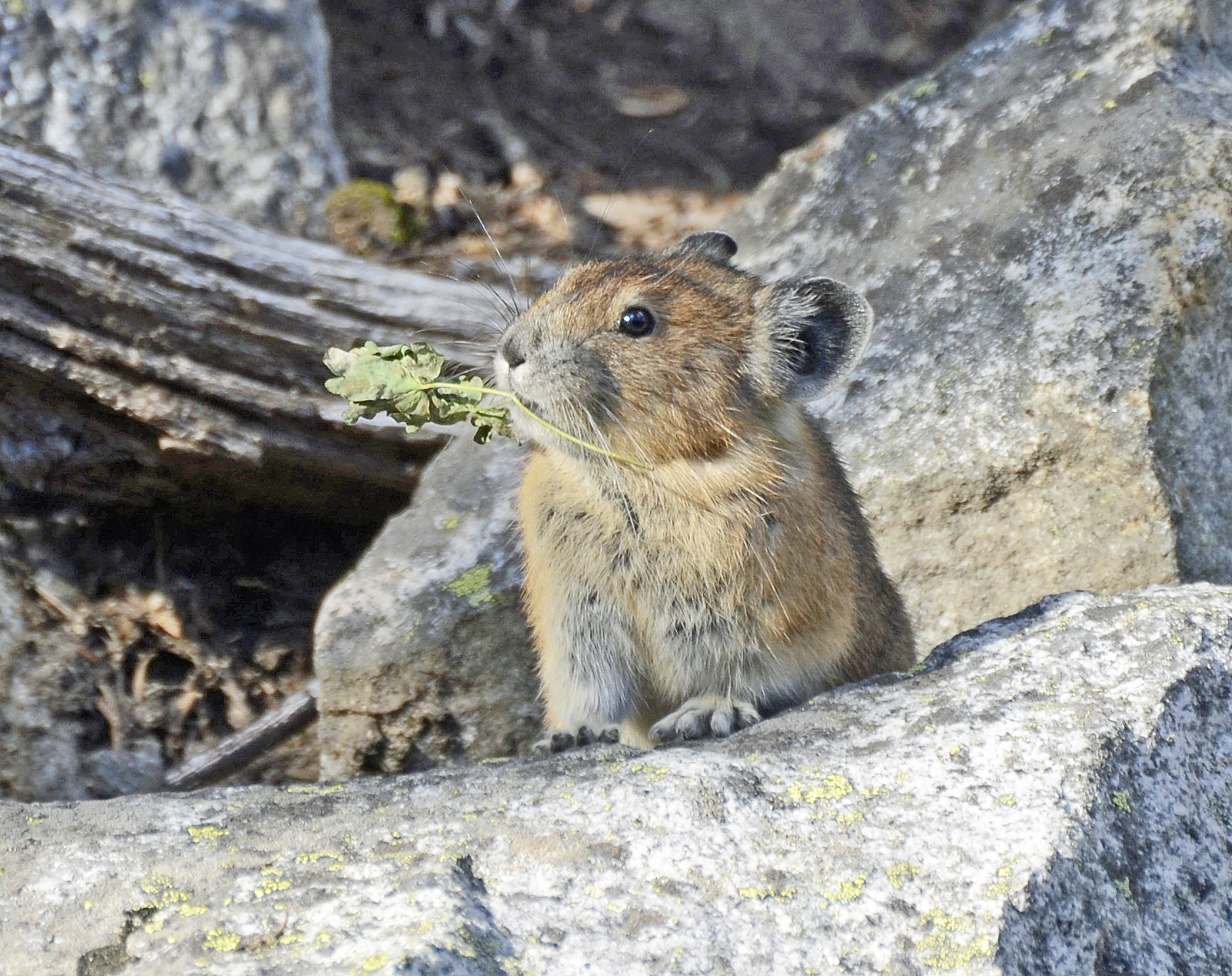
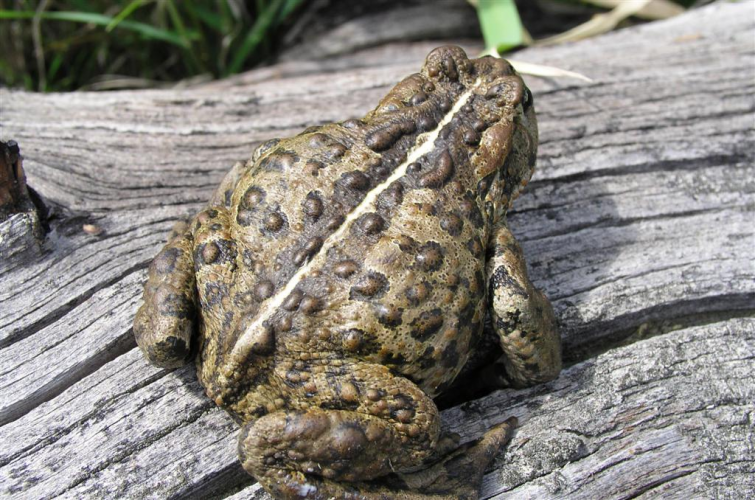
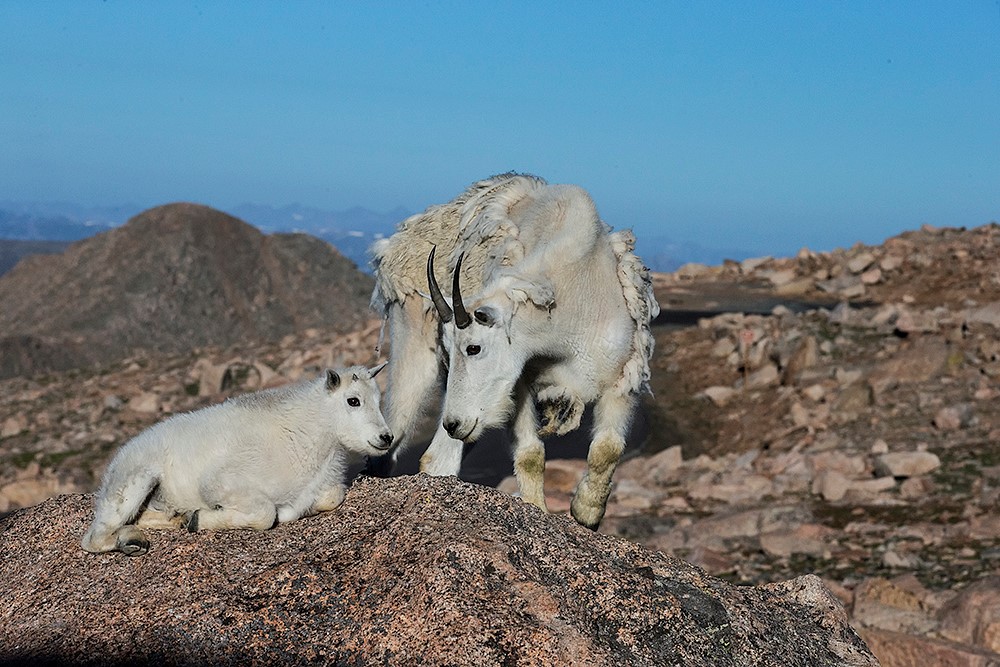
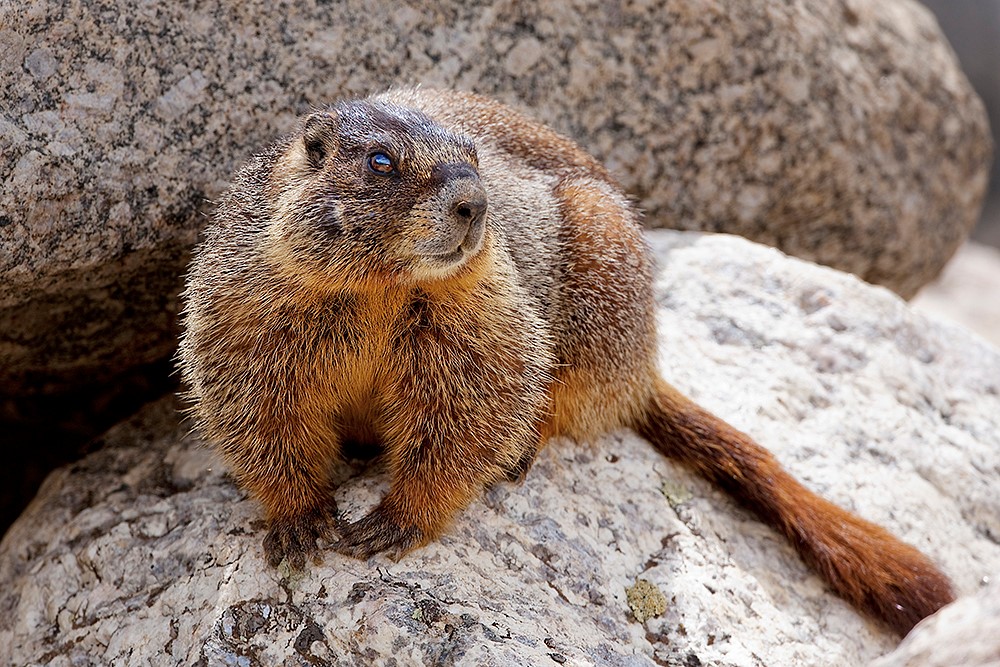
Fauna & Pollinators

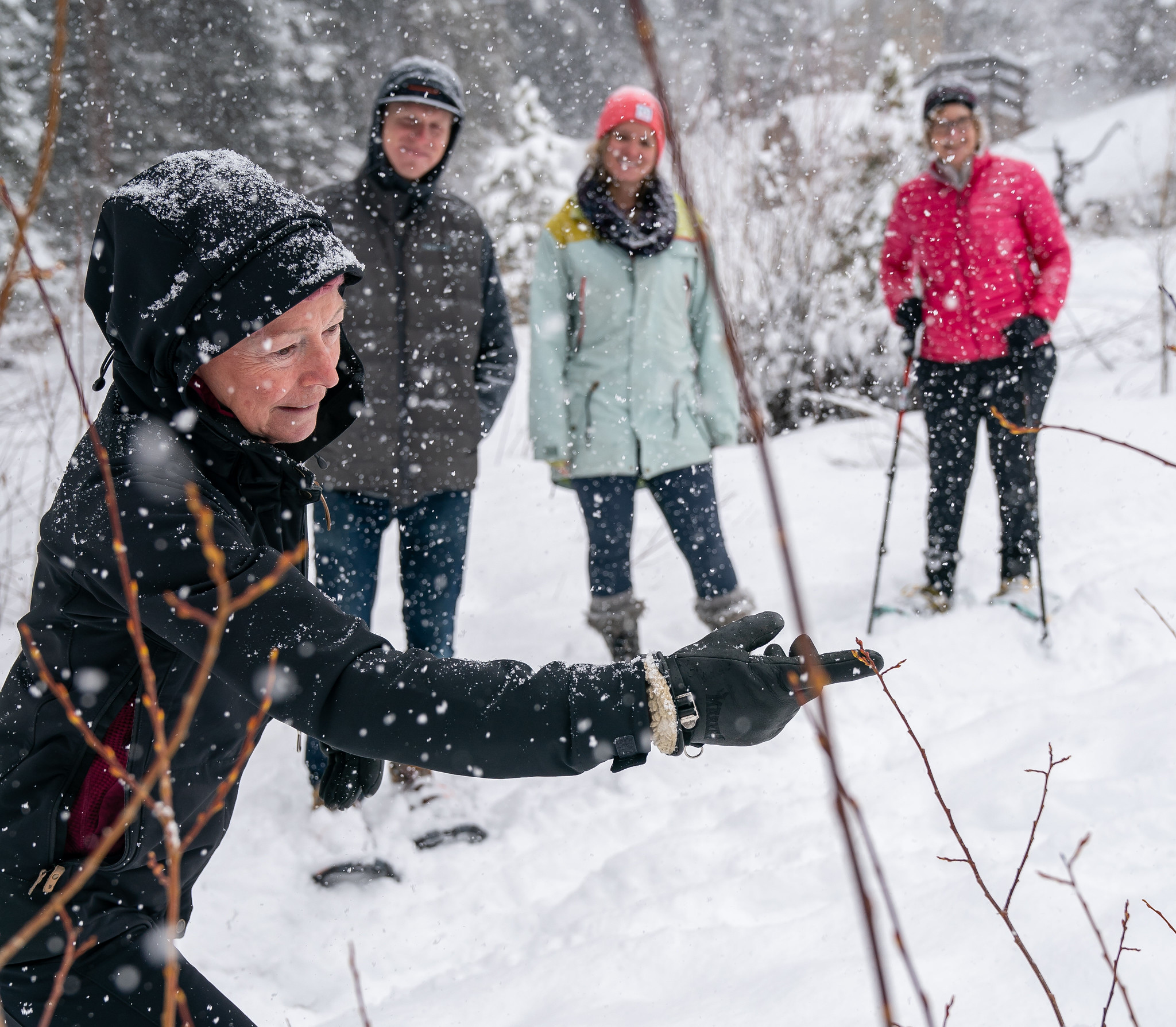
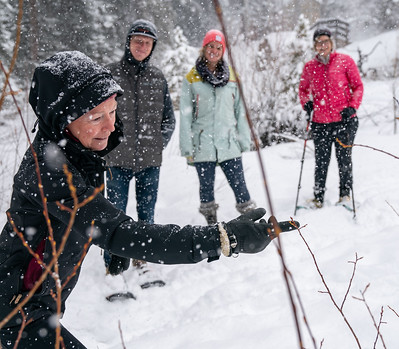
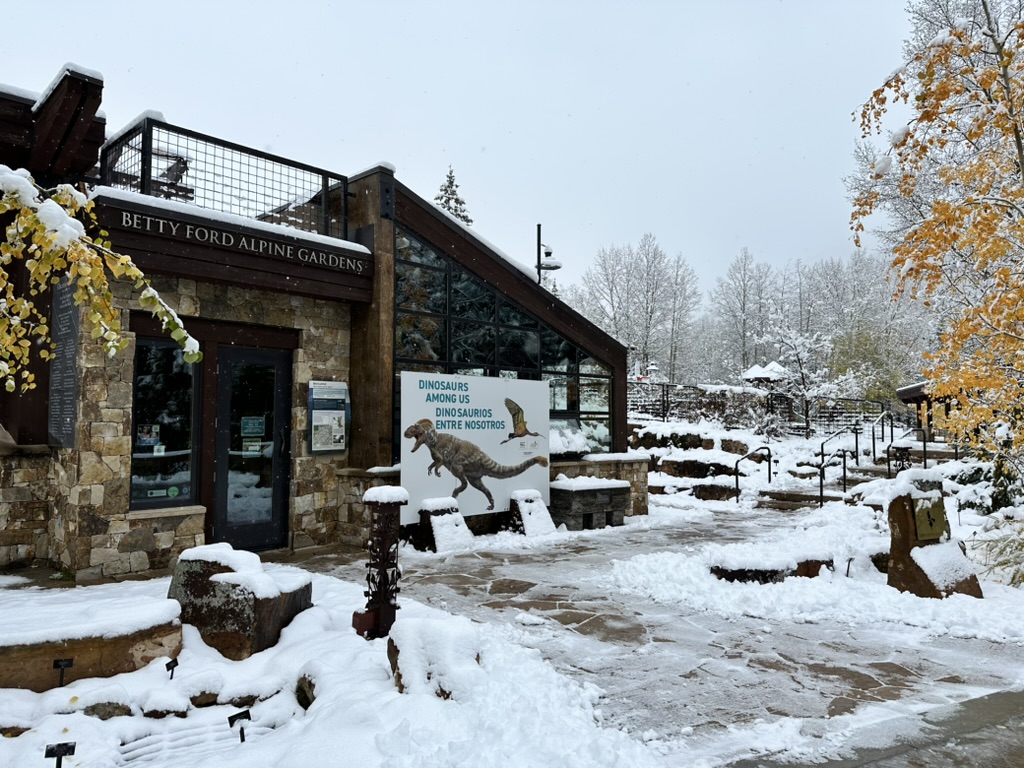
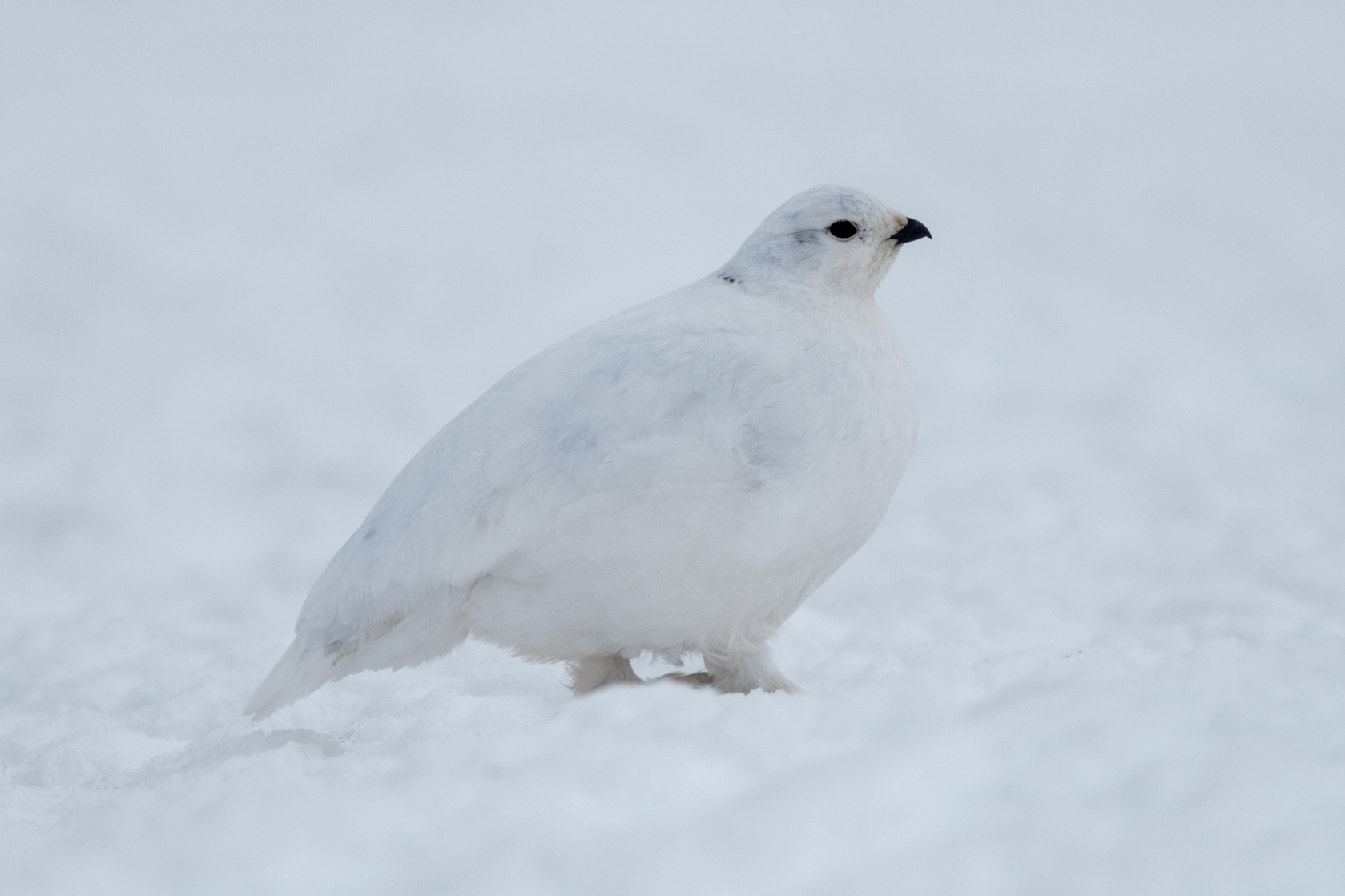
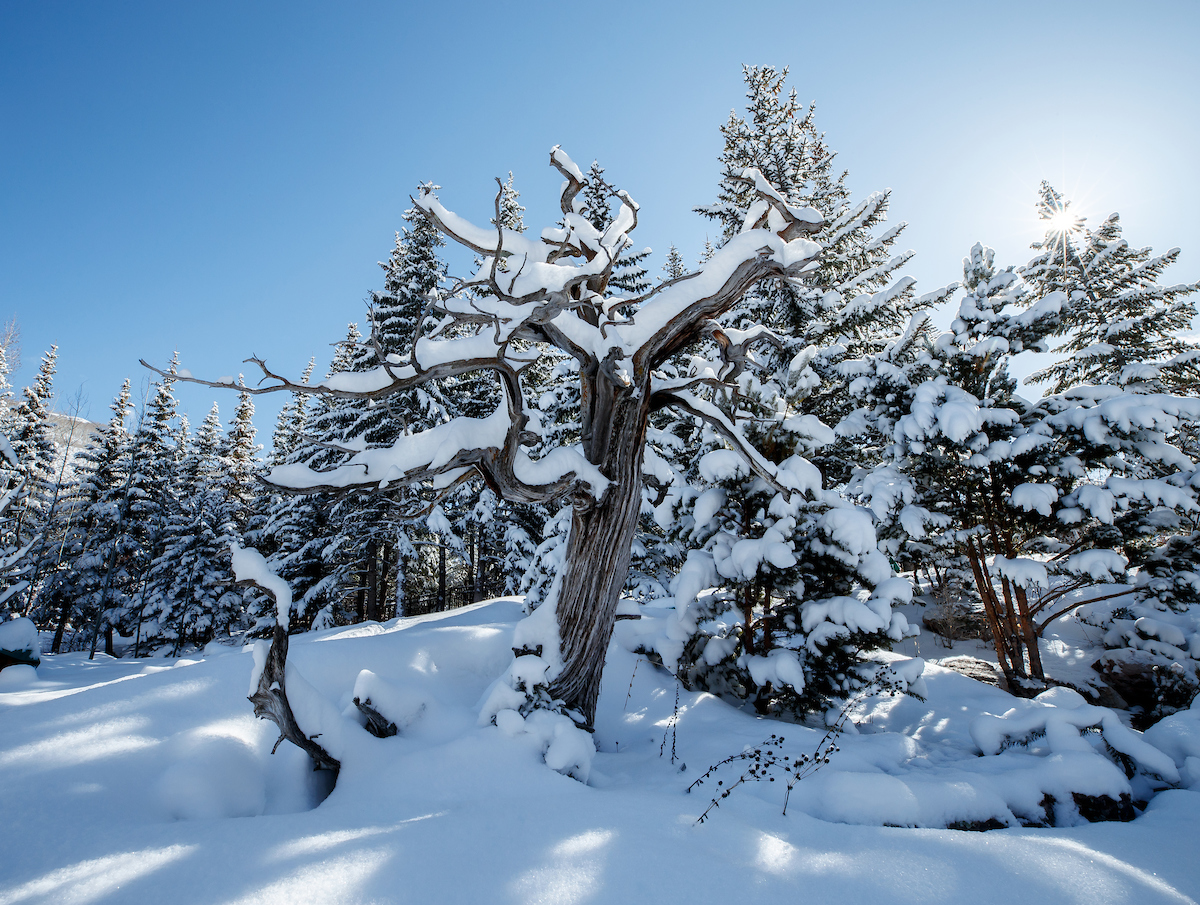
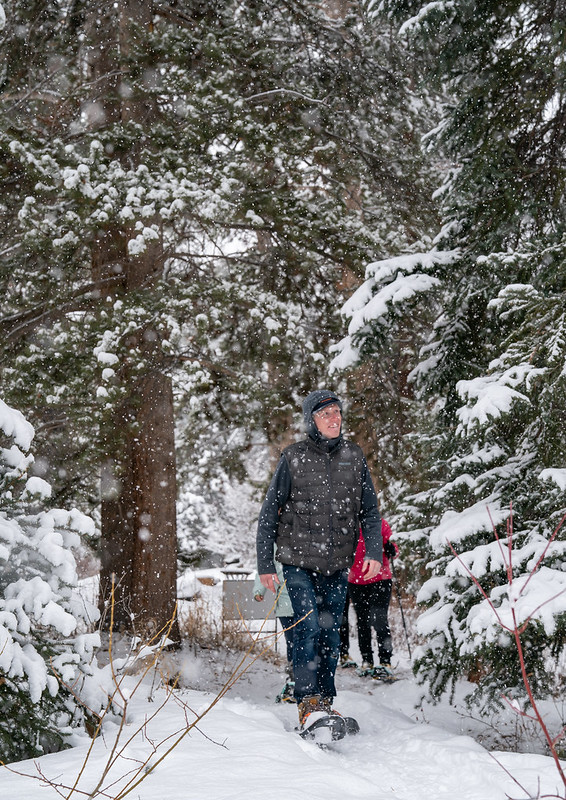
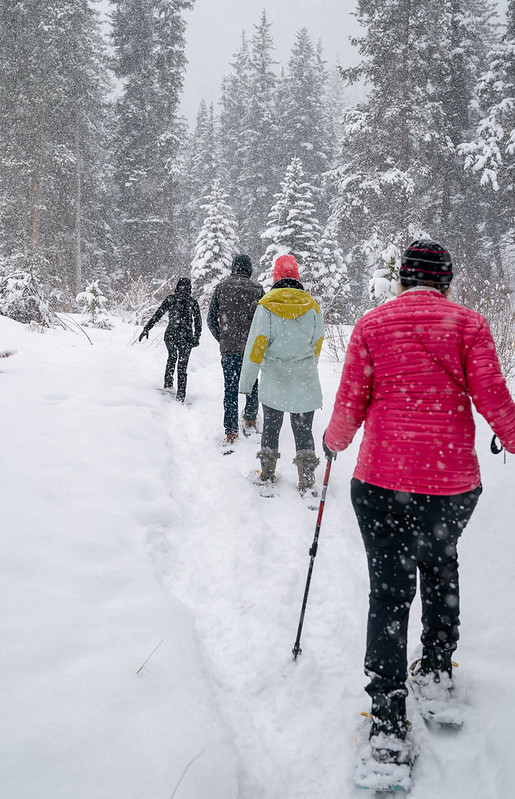
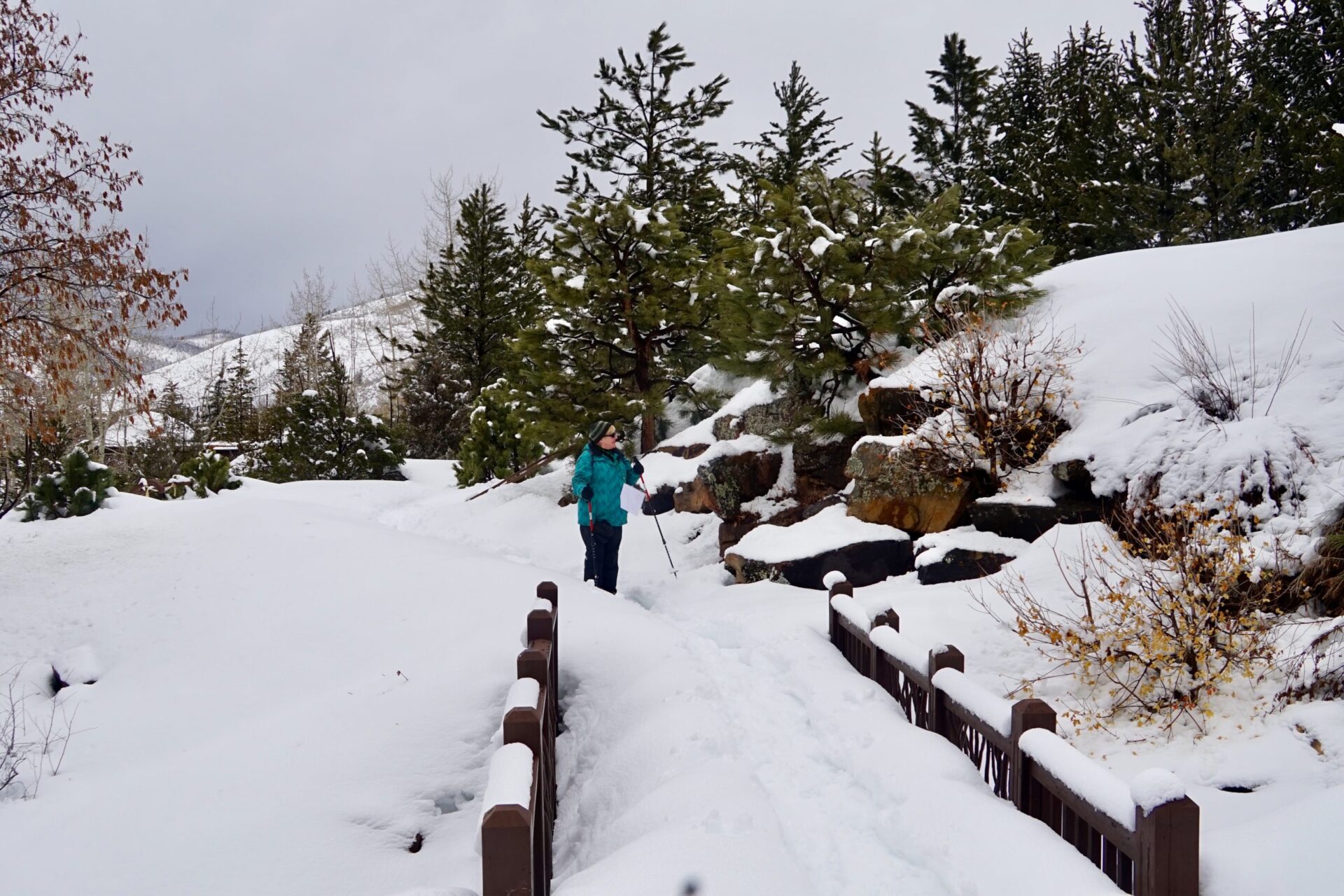
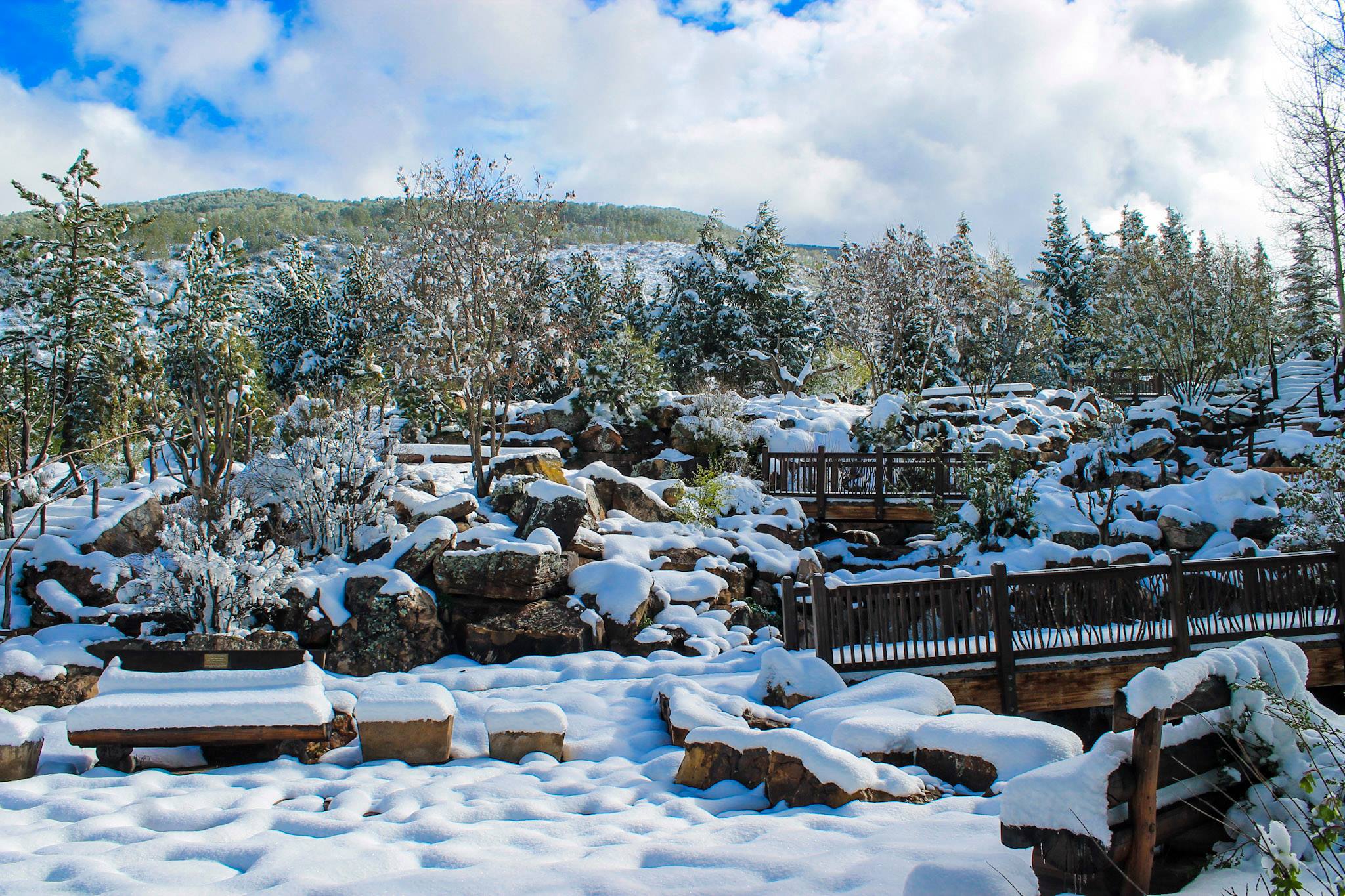
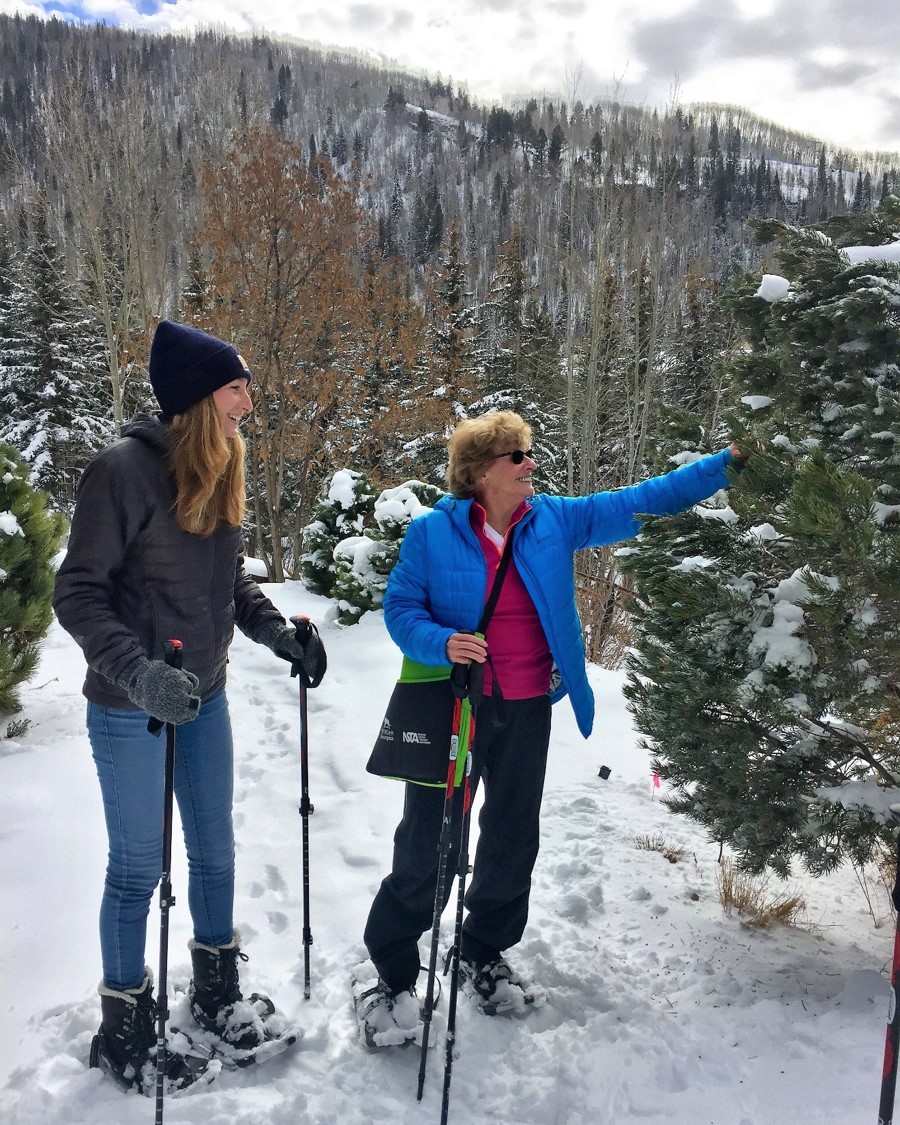
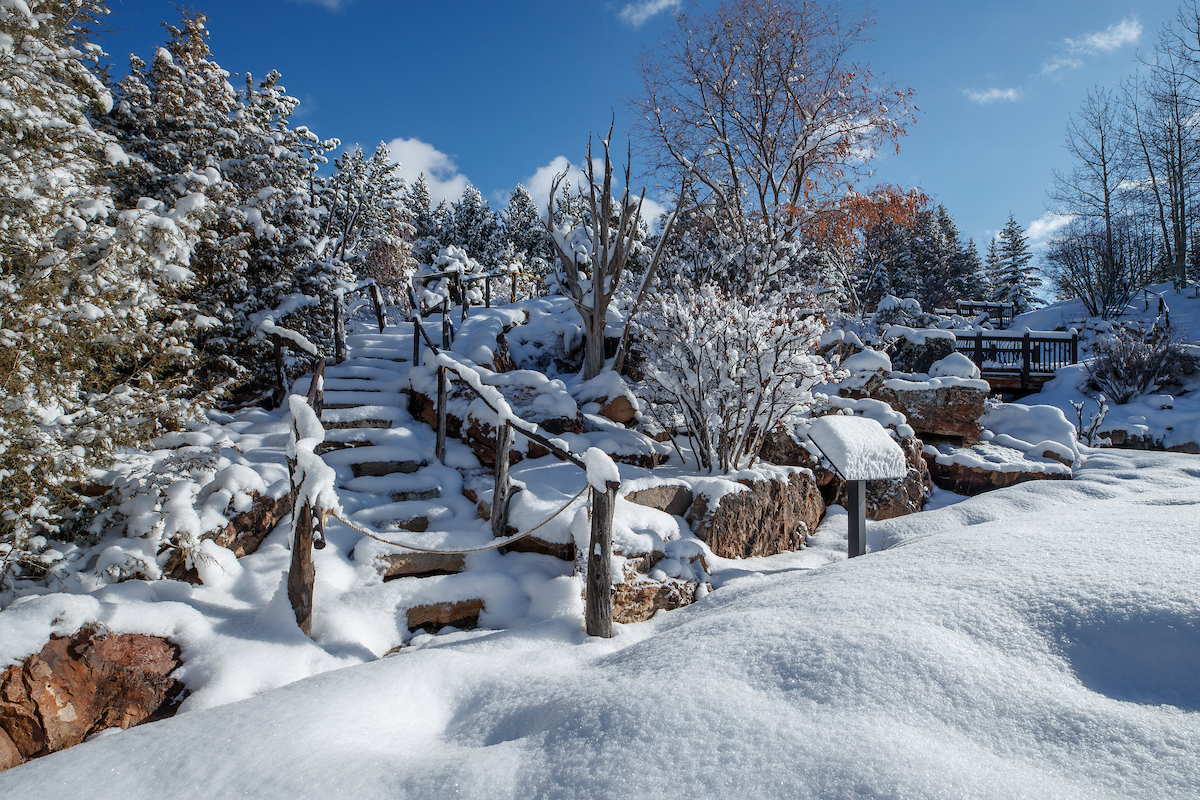
Wintertime

Plan Your Visit to the Gardens

Exhibits, activities and our outdoor living plant collections are open daily from dawn to dusk, offering a peaceful retreat in every season. To deepen your experience, visit our Education Center, open weekdays from 10:00 AM to 4:00 PM. Starting Memorial Day, the Education Center expands its hours to open daily from 10:00 AM to 4:00 PM for the summer season. Admission is free (donations are greatly appreciated), allowing everyone to connect with the beauty of the high alpine.

ALPINE PLANT CONSERVATION

Plant conservation is an integral part of Betty Ford Alpine Gardens.Our goal is to educate visitors about the deterioration of plant biodiversity around the world and particularly the vulnerability of the world’s high alpine flora.

At 8,200 feet on the Roof of the Rockies, Betty Ford Alpine Gardens is uniquely positioned to address conservation of the fragile alpine environment. The Gardens has partnered with Denver Botanic Gardens to author the North American Botanic Garden Strategy for Alpine Plant Conservation. Through a series of Objectives and Targets the goal of the strategy is to create a plan for protecting North America’s alpine plants.

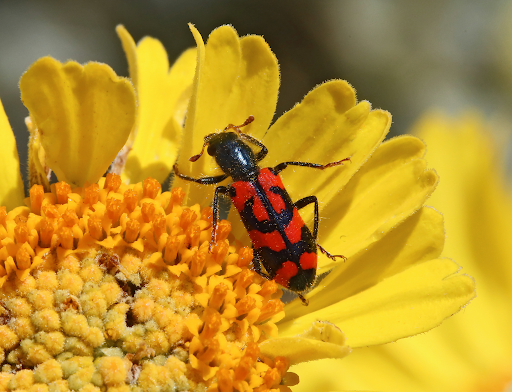
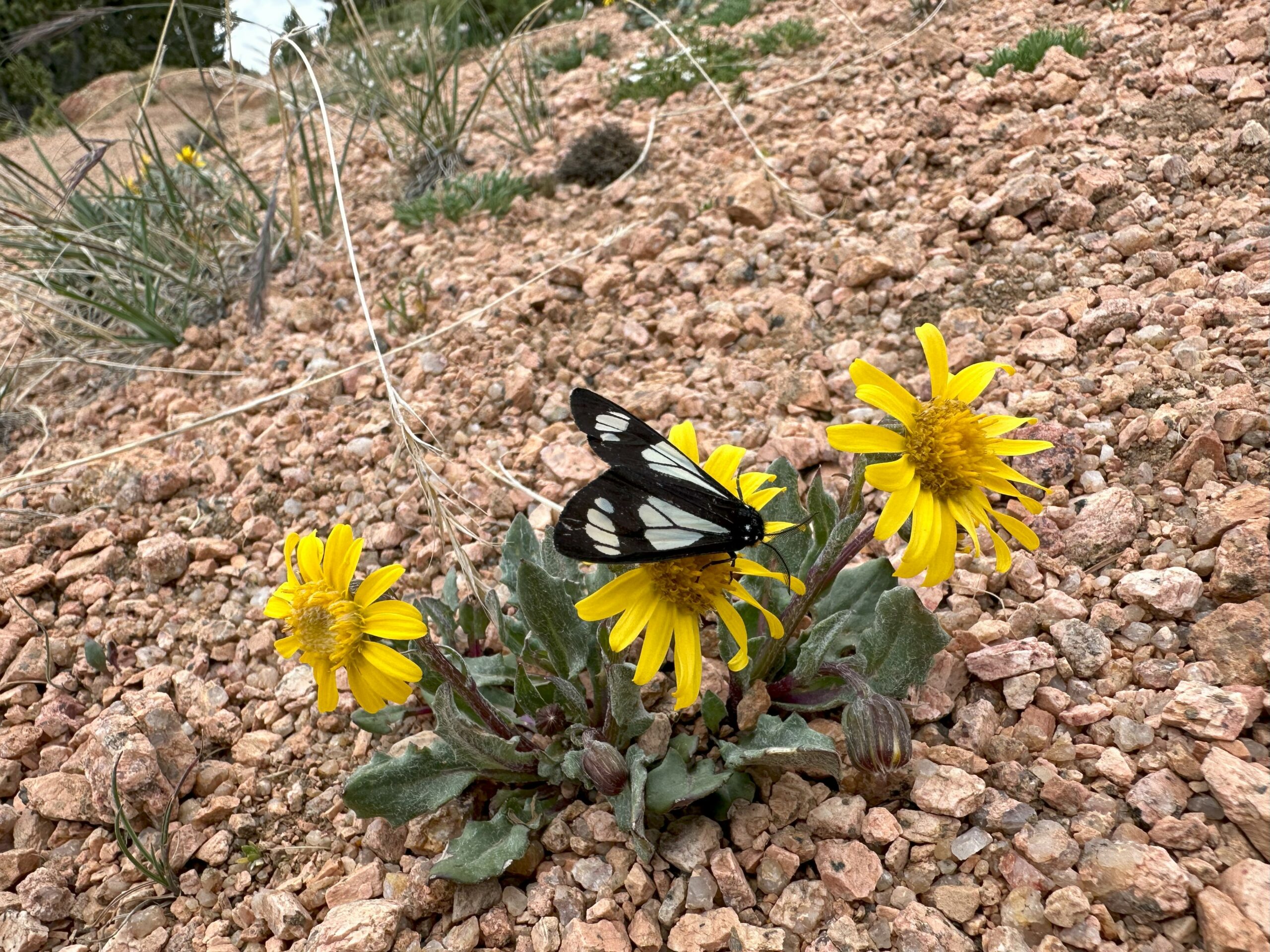
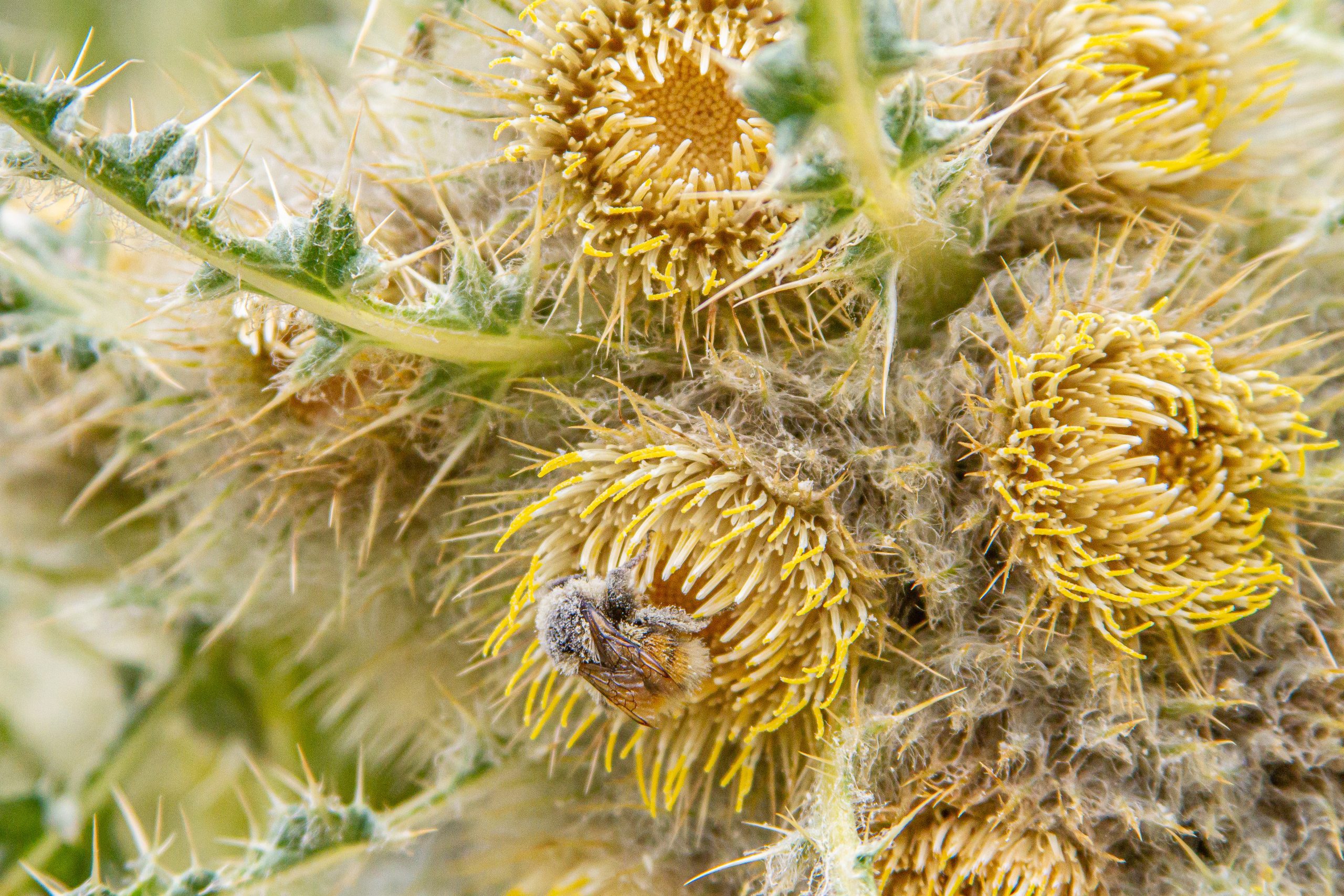
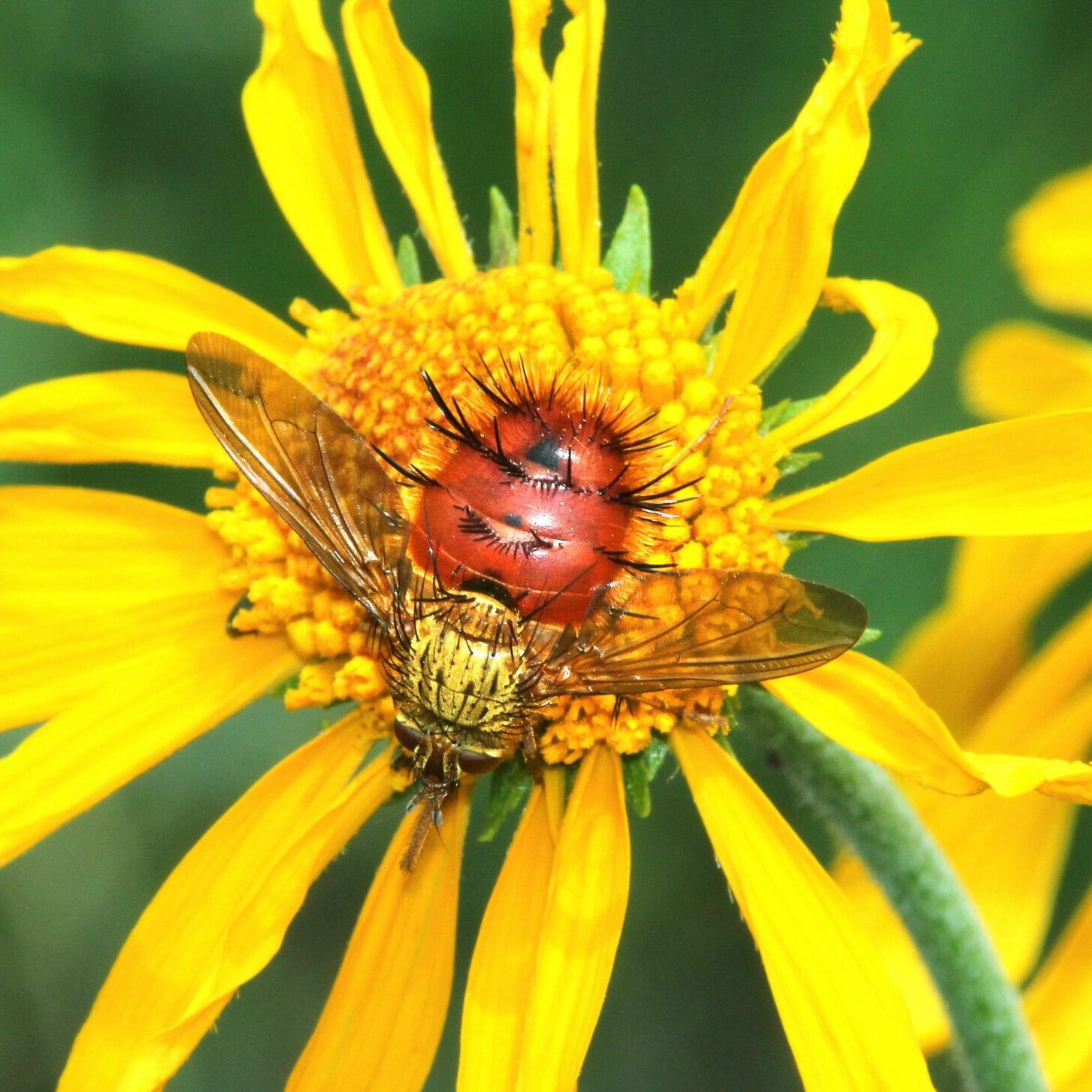
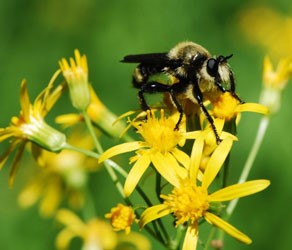
A bug sitting on a yellow flower

OUR AREAS OF FOCUS

A bug sitting on a yellow flower

IN SITU CONSERVATION

Working with plants in their natural setting is always a priority.

Important Plant Areas

Identifying the most important alpine plant communities is critical to understanding conservation priorities. Important Plant Areas (IPA’s) are areas with high species richness as well as areas with rare and threatened species.

Monitoring and Understanding

Plant monitoring techniques are used to gain an understanding of population changes year by year.

A bug sitting on a yellow flower

EX SITU CONSERVATION

In contrast to work conducted in the wild population, ex situ efforts focus on creating conservation collections in the botanical garden setting, such as banking seed and propagation studies

Seed Banking

Banking seed from wild populations is an important step for preserving species for the next generation

Propagation Studies

Working to understand how to grow plants from seed is critical to their conservation.

SUPPORT OUR WORK

Sign up for gardening tips, event updates, and conservation stories.

GLOBAL EFFORTS

Partnering with and participating in ipsum dolor sit amet, consectetur adipiscing elit. In eu nisl vel nunc posuere vulputate id nec metus. Nunc pretium eget ante vel interdum. Aenean rutrum purus nec dictum pharetra. Quisque leo magna, vulputate fringilla convallis ultrices, congue a sem.

OUR EXPERTS

Nunc pretium eget ante vel interdum. Aenean rutrum purus nec dictum pharetra. Quisque leo magna, our team.

A bug sitting on a yellow flower

Nicola Ripley

“Aenean id justo non justo imperdiet convallis. Ut malesuada sem atfringilla dictum. Quisque placerat tristique sem, sed pretium.”

Nicola has a BS in Biology and an MS in Ecology. Nicola has traveled widely giving talks, collecting seed and studying alpine flora.

PUBLICATIONS & REPORTS

Cras euismod urna ligula. Vivamus metus purus, ultrices ut aliquam ac, venenatis eu justo. Ut accumsan pharetra diam vulputate porta.

Ut Congue Molesaliquam Urna Volutpat

Aliquam erat volutpat. Ut egestas aliquet dui sed tempor. Vestibulum ornare, mauris non posuere pretium, tortor felis consequat tortor, vel luctus nisi eros ut urna. Integer metus ipsum.

Duis Lorem Imperidet Sem Porta Quad Erat

Al posuere quam at lacus consequat, quis condimentum ipsum ultrices.

Maecenas Congue at Leo et Maximum Felisum Scelerisque Mattis

Nulla molestie quis. Etiam id nulla lacinia, interdum risus sed, dictum felis. Phasellus sit amet imperdiet sapien, nec pellentesque justo Integer diam quam, feugiat et facilisis.

DATA & RESOURCES

Nunc pretium eget ante vel interdum. Aenean rutrum purus nec dictum pharetra. Quisque leo magna, vulputate fringilla convallis.

Your support creates real impact

Conserving plants.
Inspiring futures.

From research and conservation to education and community programs-your generosity helps protect alpine plants and the planet.
500+
Rare alpine plant
species conserver
12,000+
Students engaged
through our programs
35
Rare alpine plant
species conserver
500+
Rare alpine plant
species conserver
A bug sitting on a yellow flower

COLORADO ALPINE ECOFLORA PROJECT

Join us in an e ort to document alpine plant diversity! As part of the first objective of the Alpine Strategy: to understand and documentalpine plant diversity, we are interested in knowing where alpine plants are, and when they are blooming. To this end, we developed the Colorado Alpine EcoFlora Project, a community-science botany project powered by iNaturalist, the free, easy-to-use nature identification app. The two goals of this project are: 1. Increase awareness of and appreciation for alpine plants in Colorado; and 2. Obtain research-grade observational data from around the state that will help us understand distributions of alpine plants.eff

A bug sitting on a yellow flower

COLORADO ALPINE ECOFLORA PROJECT

Join us in an e ort to document alpine plant diversity! As part of the first objective of the Alpine Strategy: to understand and documentalpine plant diversity, we are interested in knowing where alpine plants are, and when they are blooming. To this end, we developed the Colorado Alpine EcoFlora Project, a community-science botany project powered by iNaturalist, the free, easy-to-use nature identification app. The two goals of this project are: 1. Increase awareness of and appreciation for alpine plants in Colorado; and 2. Obtain research-grade observational data from around the state that will help us understand distributions of alpine plants.eff

GLOBAL EFFORTS

Partnering with and participating in ipsum dolor sit amet, consectetur adipiscing elit. In eu nisl vel nunc posuere vulputate id nec metus. Nunc pretium eget ante vel interdum. Aenean rutrum purus nec dictum pharetra. Quisque leo magna, vulputate fringilla convallis ultrices, congue a sem.

Pin It on Pinterest