 Betty Ford Alpine GardensBetty Ford Alpine Gardens

This collections policy, updated July 2023, defines the purpose of the living plant collections at Betty Ford Alpine Gardens. By defining these objectives, we drive the development of the plant collection in a way that supports the mission of the Gardens. Plant collections includes the living plants in the gardens and greenhouse as well as the seed collections.
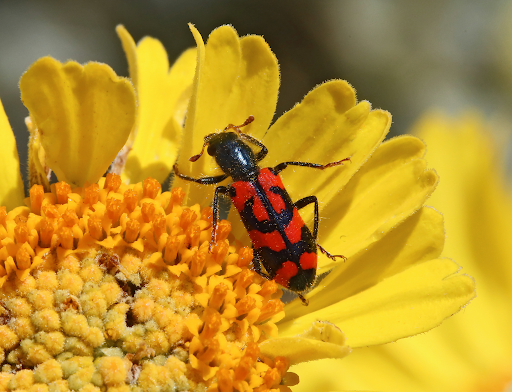
Betty Ford Alpine Gardens (BFAG) currently consists of around five cultivated acres within a 39-acre park, with some natural riparian acreage along Gore Creek. Established in 1986 the Gardens originally had a purpose of displaying plants that would grow and flourish at 8,200 feet in the Rocky Mountains. That purpose along with the Gardens mission has grown to be a more conservation based objective in conjunction with the growth of the community. The Gardens, located in a sheltered position just east of Vail, Colorado has rough, alkaline, rocky soils and a climate where the majority of precipitation falls as snow in the winter. Currently the collection comprises about 3,000 taxa, recorded using BGBase botanical software.
The objectives of the living collection are:
Living Plant Collections
The plant collection is comprised of:
Accessions
BFAG is committed to the ethical acquisition of plant materials for its collections. In its own collections, BFAG adheres to all local and regional protocols including collecting permits.
We acquire living plant material from the following sources:
Emphasis given to materials collected or originating from known wild sources.
For accessioning into the plant collection, the following must apply:
De-Accessions
Plants are de-accessioned (removed permanently) from the collection for the following reasons:
Plant Collections Network
BFAG participates in the American Public Gardens Association’s (APGA) Plant Collections Network. This is a network of national accredited collections, both taxonomic and geographic. BFAG holds the accredited collection of Colorado’s alpine flora. Additional alpine taxonomic collections are under consideration such as Gentiana and Primula.
Alpine Strategy Seedbank
Currently under development, this seed bank is part of the conservation strategy work of BFAG. The aim is to collect and bank the native alpine flora of North America, around 2,500 species. Locally, efforts are focusing on the Colorado and Wyoming mountains, but BFAG is working to encourage other botanic gardens to help build this collection. Primary collections go to the USDA seed bank and we will use the BFAG seed bank as a backup.
Wild Collecting Procedures
Only species that support the botanical objectives of the collection are collected. Only seed is collected from the wild (an exception can be made for cuttings from material that is known to establish poorly from seed) in full compliance with all necessary permits such as BLM and USFS. Collections will not include species suspected to be invasive or harboring any kind of pest or disease.
Center for Plant Conservation (CPC)
BFAG is a member of the Center for Plant Conservation (CPC). CPC has clear guidelines for responsible seed collection best practices. These practices are followed completely to ensure the preservation of the growing plant material.
Plant Collecting Collaborative (PCC)
The Plant Collecting Collaborative (PCC) is a group of botanic gardens and arboreta dedicated to the collection and conservation of wild collected germplasm. The PCC encourages the sharing of resources and plant collecting expertise. PCC shares germplasm from its expeditions with other members of the collaborative.
Maintenance
We maintain the living collection in good order in accordance with the Gardens ‘Operations Handbook’.
Plant Records